16 Festivals in Singapore You Can't Miss in 2025
Singapore has earned its reputation as one of Asia's most culturally rich destinations, drawing visitors from the GCC, India, and Europe throughout the year. For travellers from Dubai and Abu Dhabi, it's a short flight to a completely different world. Indian visitors find familiar festivals celebrated with a unique local flavour. Europeans are captivated by the seamless blend of Eastern traditions they rarely encounter back home.
What makes Singapore particularly special is how it wears its multiculturalism. The country doesn't just tolerate diversity, it celebrates it through dozens of festivals year-round. Whether you're timing your trip around a specific Singapore festival or stumbling upon celebrations during your visit, these events offer genuine insight into the city-state's soul.
This guide covers 16 festivals you shouldn't miss, with dates for 2025 and practical tips for making the most of each celebration.
Singapore's festival calendar
Singapore culture and tradition reflect the island's four main ethnic groups: Chinese, Malay, Indian, and Eurasian. Each community brings its own festivals, creating a packed calendar that rivals anywhere else in the world.
The festival calendar follows both the lunar and solar systems, which means dates shift annually. Most religious festivals, like Chinese New Year, Hari Raya Puasa, and Diwali, follow lunar calendars, while national celebrations like National Day stay fixed.
| Festival type | Examples | Best for |
|---|---|---|
| Religious | Chinese New Year, Vesak Day, Hari Raya Puasa | Cultural immersion |
| National | National Day | Patriotic celebrations |
| Cultural | Dragon Boat Festival, Hungry Ghost Festival | Local traditions |
| Arts & Entertainment | Night Festival, Grand Prix | Modern experiences |
Religious and cultural celebrations
1. Pongal
When: 15-18 January 2025
This four-day harvest festival in Singapore originates from South India and honours Surya, the sun god. The Indian festival in Singapore transforms Little India into a riot of colours, with streets converted into makeshift villages complete with cultural performances and cooking competitions.
The festival gets its name from the Tamil word meaning "to boil over," symbolic of abundance and prosperity. You'll see families preparing sweet rice dishes in clay pots, decorated with turmeric plants and sugarcane stalks.
What to experience: Visit the Sri Senpaga Vinayagar Temple during morning prayers. The Pongal cooking competition draws serious crowds, and the kolam (decorative patterns) competitions showcase incredible artistry.
2. Chinese New Year
When: 29 January 2025 (Year of the Snake)
The biggest celebration on Singapore's calendar stretches across two weeks, though the official public holidays cover just two days. Singapore celebrations don't get more elaborate than this.
Chinatown becomes almost unrecognisable under strings of red lanterns and elaborate decorations. The iconic street light-up typically starts in mid-January, giving you weeks to soak in the atmosphere. Families clean their homes thoroughly before the new year, a symbolic fresh start, and children receive hong bao (red envelopes) filled with money.
What to experience: The Chingay Parade is Southeast Asia's largest street performance, featuring massive floats, dancers, and acrobats. River Hongbao at Marina Bay offers carnival rides, cultural performances, and food stalls. Book accommodation early. This is peak season.
3. Thaipusam
When: 11 January 2025
One of the most visually striking festivals you'll witness, Thaipusam sees Hindu devotees undertake acts of devotion that range from carrying milk pots to piercing their bodies with metal skewers attached to elaborate kavadi (burdens).
The procession starts at Sri Srinivasa Perumal Temple in Little India and ends at Sri Thendayuthapani Temple, a 4km walk that devotees complete in states of apparent trance.
What to experience: Position yourself along Serangoon Road early morning to see the procession begin. The dedication and spiritual fervour are palpable, though some aspects might be intense for sensitive viewers.
4. Lantern Festival
When: 12 February 2025
Marking the final day of Chinese New Year celebrations, the Lantern Festival lights up Singapore's night sky. Families write wishes on paper lanterns before releasing them skyward, creating a spectacular visual display.
Chinatown hosts the main festivities, with thousands of lanterns decorating the streets. Traditional performances from the Moonfest Chinese Arts Festival run throughout the evening, and you'll find vendors selling mooncakes, sweet pastries traditionally associated with this celebration.
What to experience: The lantern displays at Gardens by the Bay offer a more modern take on traditions, combining technology with heritage.
5. Hari Raya Puasa
When: 31 March 2025
Also known as Eid al-Fitr, Hari Raya Puasa marks the end of Ramadan's month-long fast. For Singapore's Malay Muslim community, it's the most significant celebration of the year.
Geylang Serai becomes the epicentre of festivities, with the month-long bazaar offering everything from traditional textiles to street food. The neighbourhood transforms with elaborate light displays, and the atmosphere buzzes with excitement as families prepare for the big day.
What to experience: Visit the Geylang Serai Bazaar in the evenings during Ramadan. The breaking of fast (berbuka puasa) near the Sultan Mosque offers insight into this sacred ritual. On the day itself, mosques hold special prayers, and it's customary to wear new clothes, preferably in traditional styles.
6. Vesak Day
When: 12 May 2025
Vesak Day commemorates Buddha's birth, enlightenment, and passing. Singapore's Buddhist community marks this with prayers, meditation, and significant charitable acts.
Major temples, including Buddha Tooth Relic Temple, Kong Meng San Phor Kark See Monastery, and Sakya Muni Buddha Gaya Temple, offer free meals, organise blood donation drives, and conduct mass prayer sessions.
What to experience: The three-step-one-bow ritual at some temples demonstrates profound devotion. Arrive early at popular temples as they get crowded. The ritual of bathing the infant Buddha statue symbolises purification and is open to visitors of all faiths.
7. Dragon Boat Festival (Duanwu Festival)
When: 31 May 2025
Dating back over 2,000 years, this festival honours the Chinese poet Qu Yuan, who drowned himself in protest against government corruption. Legend says locals raced out in boats to save him and threw rice dumplings into the water to feed fish and protect his body.
Today, dragon boat races at Bedok Reservoir and Marina Bay draw teams from around the world. The boats, ornately decorated with dragon heads and tails, require crews of 20 paddlers working in perfect synchronisation.
What to experience: The DBS Marina Regatta offers the most accessible viewing, with food stalls and entertainment throughout the day. Try zhongzi (pyramid-shaped rice dumplings wrapped in bamboo leaves). They're only widely available during this season.
8. Hari Raya Haji
When: 7 June 2025
Also known as Eid al-Adha, this festival commemorates Ibrahim's willingness to sacrifice his son in obedience to God. Muslim families who can afford it sacrifice sheep, goats, or cattle, distributing the meat to family, friends, and those in need.
The religious observance is more solemn than Hari Raya Puasa, with emphasis on prayer, reflection, and charity. Major mosques conduct special prayers, and many Muslims also visit the graves of deceased family members.
What to experience: The communal spirit is palpable in Malay neighbourhoods. Sultan Mosque and Hajjah Fatimah Mosque hold special services. Respect the spiritual nature of the day. Dress modestly if visiting mosques, and ask permission before photographing people.
9. National Day
When: 9 August (every year)
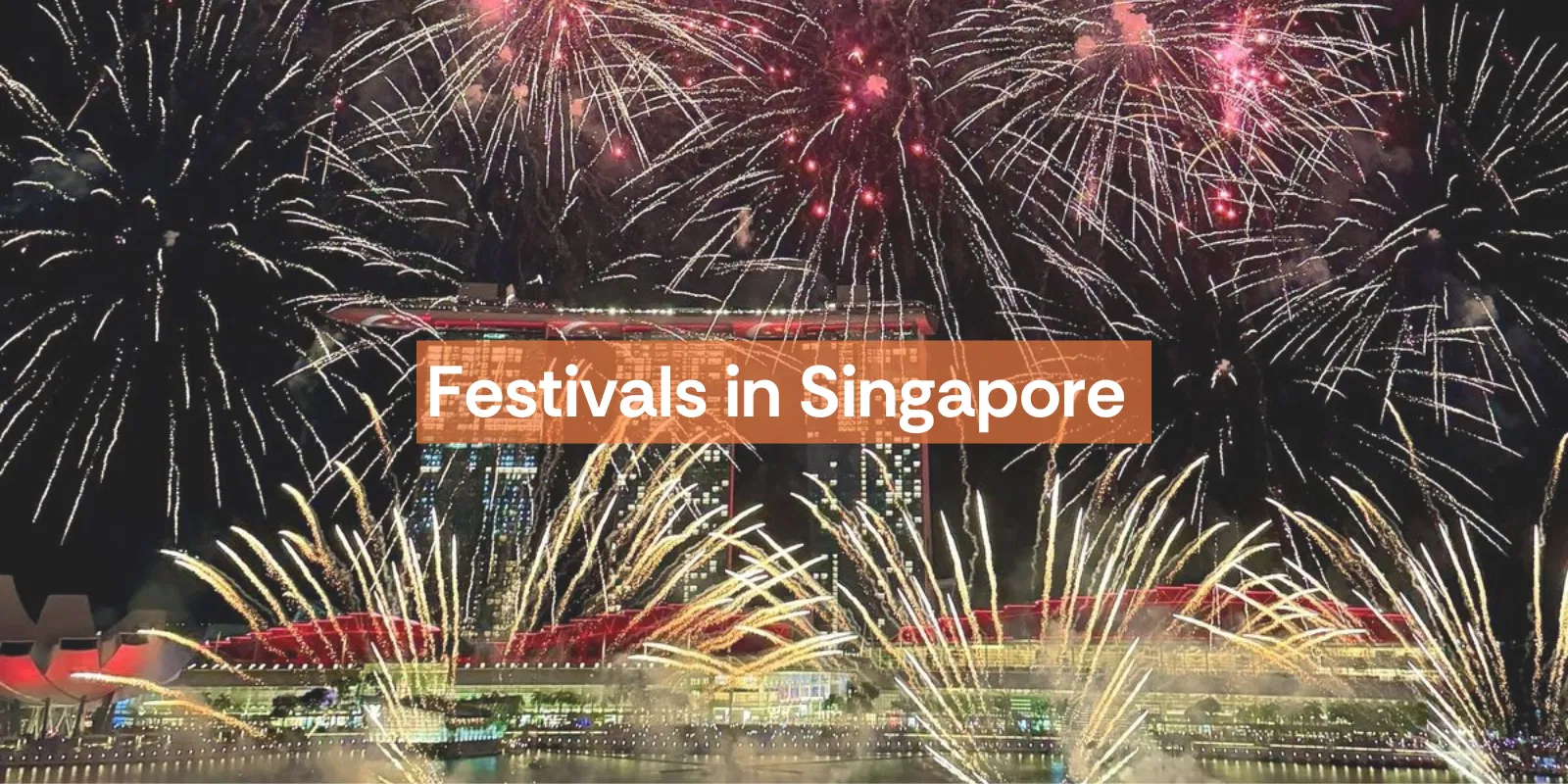
Singapore gained independence in 1965, and National Day celebrations have grown more spectacular each year. The main event, the National Day Parade, features military displays, elaborate performances, and a fireworks finale that lights up Marina Bay.
Tickets to the parade itself are allocated through a ballot system and snap up quickly, but you can watch from surrounding areas. The rehearsals (held on previous weekends) are often easier to access and nearly as impressive.
What to experience: Stake out a spot at Marina Bay Sands' waterfront promenade for excellent views of the fireworks. The whole nation dresses in red and white, and the patriotic fervour is infectious. Singapore Flyer offers special viewing packages, though they book up months in advance.
What to know: Hotels in the city centre charge premium rates around this date. Book early or consider staying slightly outside the main tourist areas.
10. Hungry Ghost Festival (Zhongyuan Festival)
When: 6 September 2025
The seventh month of the lunar calendar is known as the Hungry Ghost Month, when the gates of the afterlife open and spirits roam the earth. The festival's peak falls on the 15th day.
Throughout the month, you'll notice offerings of food, incense, and joss paper left on streets. Large tents pop up in neighbourhoods for live performances, getai shows featuring singing, dancing, and comedy meant to entertain both the living and the dead.
What to experience: Take the Birth, Life and Death Tour through Chinatown to understand the deeper cultural significance. Visit Lorong Koo Chye Sheng Hong Temple to see elaborate offerings. The getai performances are free and offer genuine local entertainment, though the first row of seats is traditionally left empty for spirits.
Cultural note: Locals follow specific superstitions during this month, avoiding swimming, surgery, and major purchases. While these don't apply to visitors, showing respect for the traditions earns appreciation.
11. Deepavali (Diwali)
When: October 2025
The Indian festival in Singapore, celebrating the victory of light over darkness, transforms Little India into a dazzling spectacle. The street light-up along Serangoon Road features elaborate installations, and the neighbourhood buzzes with shoppers buying new clothes, jewellery, and sweets.
Hindu families clean their homes, create kolam patterns at entrances, and light oil lamps to welcome prosperity. The day itself sees families visiting temples for prayers before gathering for festive meals.
What to experience: Shop at Mustafa Centre's 24-hour mall for traditional items. Attend prayers at Sri Veeramakaliamman Temple. The atmosphere during Diwali is particularly special. The Little India precinct sets up a festival village with cultural performances and food stalls.
For Indian travellers: While familiar, Singapore's Deepavali has its own character. The Tamil influence is stronger than in many parts of India, and the government's active promotion means even non-Indians participate enthusiastically.
Singapore October festivals and modern celebrations
12. Singapore Night Festival
When: Usually late August (dates vary)
The Bras Basah-Bugis arts and heritage district comes alive after dark during this festival. Heritage buildings are illuminated with projection mapping, streets host international performance artists, and museums extend their hours with special exhibitions.
Past editions have featured light installations, street performances, and interactive art that turns the civic district into an open-air gallery. The festival runs over two weekends, with some areas pedestrianised to allow festivities to spill onto the streets.
What to experience: Start at the National Museum of Singapore, as the centrepiece of many installations. Wander through the heritage district to stumble upon performances and art. The mix of old and new, colonial buildings bathed in modern light art, captures Singapore's essence perfectly.
13. Singapore Grand Prix
When: 3-5 October 2025
Formula 1's only night race transforms Marina Bay into a high-octane racing circuit. Even if motorsports aren't your thing, the Singapore October festivals atmosphere is electric, with concerts from international artists, parties across the city, and a general sense that something extraordinary is happening.
The three-day event attracts racing fans from around the world. Beyond the track action, the concert lineup typically features multiple global headliners. Previous years have seen performances from Taylor Swift, Red Hot Chili Peppers, and Maroon 5.
What to experience: Tickets range from general admission to premium hospitality packages. The Padang grandstand offers excellent views of both the race and the city skyline. If you can't get race tickets, many hotels and restaurants near the circuit host viewing parties.
For European travellers: The night timing means the race runs during daytime back in Europe, perfect for following your favourite drivers while actually being at the circuit.
14. Mid-Autumn Festival (Mooncake Festival)
When: September (date varies with the lunar calendar)
This traditional Chinese festival celebrates the autumn harvest and the full moon. Families gather to admire the moon, eat mooncakes (dense pastries filled with lotus paste or other fillings), and children parade with lanterns.
Singapore's celebration is particularly family-oriented. Parks and public spaces host lantern displays, and mooncakes are exchanged as gifts in the weeks leading up to the festival.
What to experience: Gardens by the Bay's Mid-Autumn Festival features stunning lantern displays and cultural performances. Chinatown's lantern street light-up creates perfect photo opportunities. Try different mooncake varieties, from traditional lotus paste to modern interpretations like snow skin or durian-filled versions.
15. Singapore Food Festival
When: Usually October 2025 (dates to be announced)
Organised by the Singapore Tourism Board, this month-long celebration of Singaporean cuisine showcases the city-state's incredible food culture. Events range from cooking workshops with celebrity chefs to special menus at hawker centres and restaurants.
The festival highlights both heritage dishes and modern innovations, with special attention to sustainable practices and local ingredients. It's an excellent opportunity to understand how Singapore's multicultural identity manifests in its food.
What to experience: Attend the Hawker Heroes showcase celebrating unsung hawker legends. Join cooking classes to learn the techniques behind dishes like laksa or chicken rice. The festival often includes food trails through different neighbourhoods.
16. Singapore Art Week
When: 17-26 January 2025
Twelve days of visual arts celebrations spread across galleries, museums, and public spaces citywide. International collectors, artists, and enthusiasts descend on Singapore for gallery openings, art fairs, public installations, and workshops.
The festival democratises art access; many events are free, and the programming aims to engage both serious collectors and casual appreciants. Expect exhibitions spanning traditional paintings to digital installations and performance art.
What to experience: The S.E.A. Focus section of Art SG spotlights Southeast Asian artists. Public art walks through the civic district reveal temporary installations. Gallery openings often include wine receptions. Check event listings and just show up.
Planning your festival visit to Singapore
Best times to visit
January-February: Chinese New Year dominates, with elaborate celebrations and festive atmosphere. Hotels are expensive and book quickly, but the energy is unmatched. Post-CNY (late February onwards) offers better deals with lingering decorations.
March-April: Hari Raya Puasa falls in this window (dates vary yearly). Geylang Serai Bazaar runs throughout Ramadan, offering excellent evening experiences. The weather is warming but manageable.
October-November: Singapore October festivals like the Grand Prix create excitement, plus Deepavali brings Little India alive. This is peak season, so expect higher prices but excellent weather.
Practical festival tips
Dress codes: Mosques require covered shoulders and knees, and women should cover their heads (scarves are usually provided). Temples appreciate respectful attire. For most festivals, casual, comfortable clothing works fine.
Timing: Religious festivals often have specific prayer times that draw the largest crowds. Arrive early to major temples and mosques during festival days. Many celebrations include evening elements; plan accordingly.
Photography: Always ask before photographing people during religious ceremonies. Some temples prohibit photography during prayers. Respect these boundaries.
Transport: MRT extends operating hours during major festivals, but stations near celebrations get extremely crowded. Consider walking to the next station or using buses.
Accommodation: Book well in advance for Chinese New Year, National Day, and Grand Prix weekend. Consider staying near an MRT line rather than in the thick of festivities if you prefer quieter evenings.
Cultural etiquette
Singapore is remarkably tolerant and welcoming, but showing respect for local customs enhances your experience:
- Remove shoes before entering homes, temples, and some shops
- Use your right hand when giving or receiving items (the left hand is considered unclean in Muslim and Hindu cultures)
- Never point feet at people or religious objects
- Ask before joining religious ceremonies; most are welcoming, but appreciate the courtesy
- Avoid loud behaviour near mosques and temples during prayer times
Budgeting for festivals
Most festivals themselves are free to experience. You're watching public celebrations, visiting temples and mosques without charge, and soaking in street atmosphere. Your costs come from:
Accommodation:
- Budget: SGD 60-100 / INR 3,700-6,200 / £35-60 per night
- Mid-range: SGD 150-250 / INR 9,300-15,500 / £90-150 per night
- Luxury: SGD 350+ / INR 21,700+ / £210+ per night
Food:
- Hawker centres: SGD 5-10 / INR 310-620 / £3-6 per meal
- Casual restaurants: SGD 20-40 / INR 1,240-2,480 / £12-24 per meal
- Fine dining: SGD 100+ / INR 6,200+ / £60+ per meal
Special events:
- Grand Prix tickets: SGD 100-1,000+ / INR 6,200-62,000+ / £60-600+ depending on access
- National Day Parade: Free (if you win a ballot), or surrounding viewing is free
Getting around during festivals
Singapore's MRT system reaches most festival locations.
During major celebrations:
Chinese New Year: Chinatown station gets extremely crowded, consider exiting at Outram Park or Clarke Quay and walking.
Deepavali: Little India station is the obvious choice, but Farrer Park provides a pleasant 10-minute walk through heritage shophouses.
Hari Raya: Paya Lebar station for Geylang Serai, or Bugis station for the Sultan Mosque area.
National Day: Marina Bay station or Raffles Place both work. Walking from Esplanade or along the river creates better experiences than fighting crowds at the closest station.
Grab (Southeast Asia's Uber equivalent) surge prices during festivals. Set your pickup point a few streets away from the main celebration to avoid the worst premiums.
Make your Singapore festival experience complete
Timing your Singapore visit around these festivals adds layers of meaning to your journey. You're not just seeing sights. You're witnessing living traditions that have shaped this remarkable nation.
The beauty of Singapore's festival calendar is its density. Visit almost any time of year, and you'll catch some celebration. The multicultural nature means even if you've seen Chinese New Year in Beijing or Diwali in Delhi, Singapore's versions offer fresh perspectives.
Ready to plan your festival-timed visit to Singapore? Start building your itinerary with our free trip planner. For seamless connectivity during your celebrations, grab a tourist eSIM before you land.
Make your holiday truly yours, because every festival in Singapore tells a story, and you deserve to be part of it.
Key takeaways
- Singapore hosts 16+ major festivals annually across Chinese, Malay, Indian, and multicultural celebrations. Time your visit right and you'll experience authentic cultural immersion beyond typical tourist attractions.
- Chinese New Year and Deepavali transform entire neighbourhoods with elaborate decorations, street performances, and festive markets that rival any celebration worldwide.
- Most festivals are completely free to experience. Temple visits, street celebrations, and cultural performances cost nothing, making Singapore's cultural calendar accessible regardless of budget.
- Book accommodation 2-3 months ahead for Chinese New Year, National Day, and Grand Prix weekend when hotels charge premium rates and sell out quickly.
- Religious festivals welcome respectful visitors. Cover shoulders and knees for mosques and temples, remove shoes where required, and ask before photographing ceremonies or devotees.
- Singapore's MRT extends hours during major festivals, but stations near celebrations get overwhelmed. Arrive early, exit one station before the main venue, or use buses to avoid the worst crowds.
FAQs
What is the most popular festival in Singapore?
What is the most popular festival in Singapore?
Are festivals in Singapore crowded?
Are festivals in Singapore crowded?
Can tourists participate in festivals?
Can tourists participate in festivals?
Do I need tickets for festivals?
Do I need tickets for festivals?
What should I wear to Singapore festivals?
What should I wear to Singapore festivals?
Are festivals in Singapore family-friendly?
Are festivals in Singapore family-friendly?
How do I find out about festivals happening during my visit?
How do I find out about festivals happening during my visit?