Discovering the Spiritual and Cultural Essence of Ramadan in Dubai
As half of the world is swept up in cricket fever and cultural travel is booming like never before in 2026—with more and more people opting for custom trips—let's take a moment to dive into something equally thrilling. We are excited to walk you through the hidden gems of Dubai during the holy month of Ramadan. Sure, everyone talks about the grand Iftar buffets and the awe-inspiring mosque visits, but there's so much more to discover. Many lesser-known experiences truly capture the heart and soul of Ramadan in Dubai. So, come along as we reveal Dubai's hidden gems, providing a refreshing take on this extraordinary season's rich spiritual and cultural fabric.
Why is Ramadan celebrated?
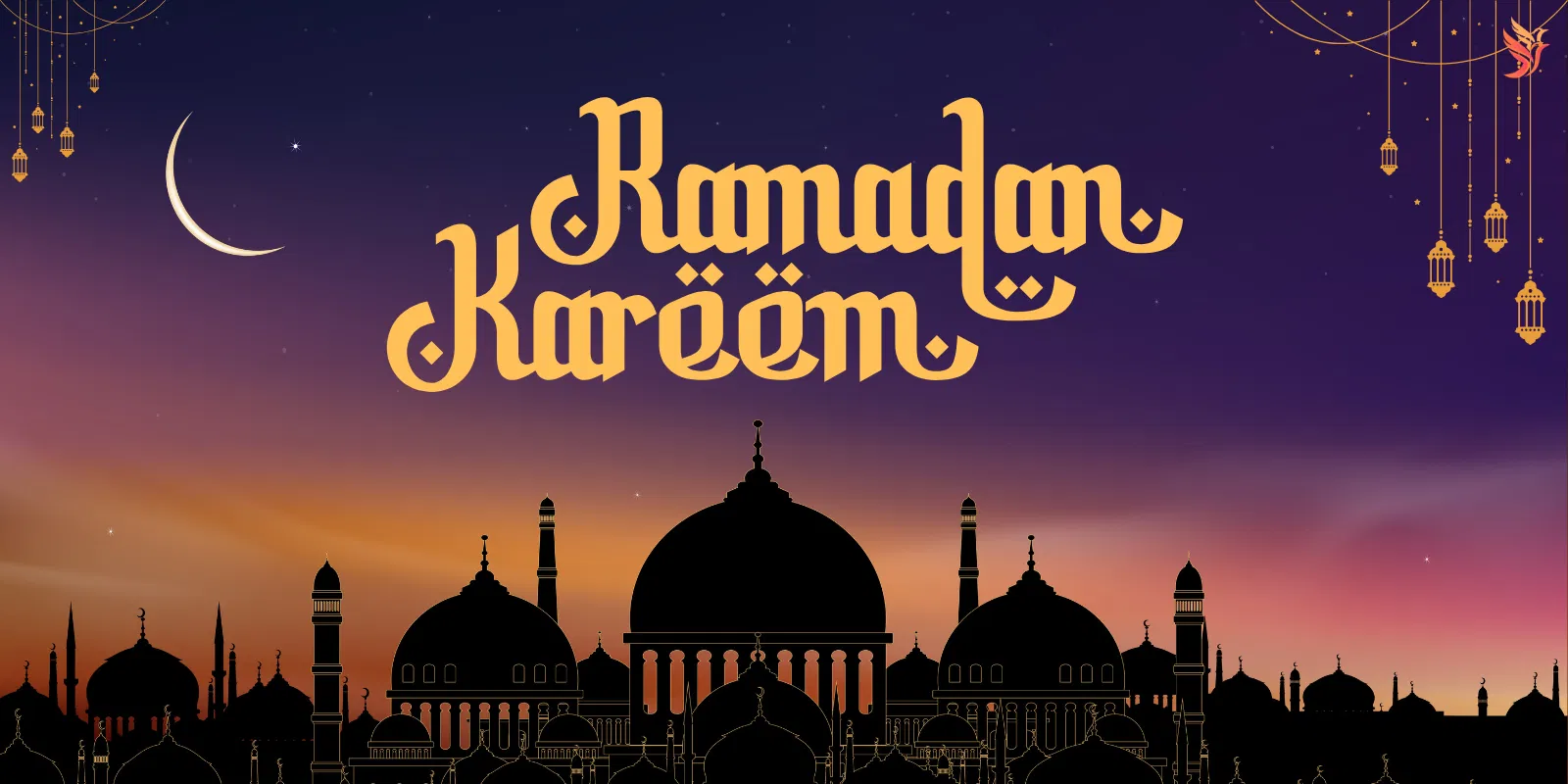
Ramadan is celebrated by Muslims worldwide as a holy month of fasting, prayer, reflection, and community. It is the ninth month of the Islamic lunar calendar and commemorates the revelation of the Quran to the Prophet Muhammad by the archangel Gabriel. Observance includes fasting from dawn until sunset, which is one of the Five Pillars of Islam, and serves to teach self-discipline, self-control, and empathy for the less fortunate while reinforcing the values of sacrifice and charity. During Ramadan, Muslims engage in profound spiritual reflection and prayer and seek closeness to God, with families and friends often gathering to break their fast together during Iftar. The sense of community is heightened through increased charitable activities, known as Zakat. The conclusion of Ramadan culminates in the celebration of Eid al-Fitr, a major festival marked by feasting, giving thanks, and spending time with loved ones.
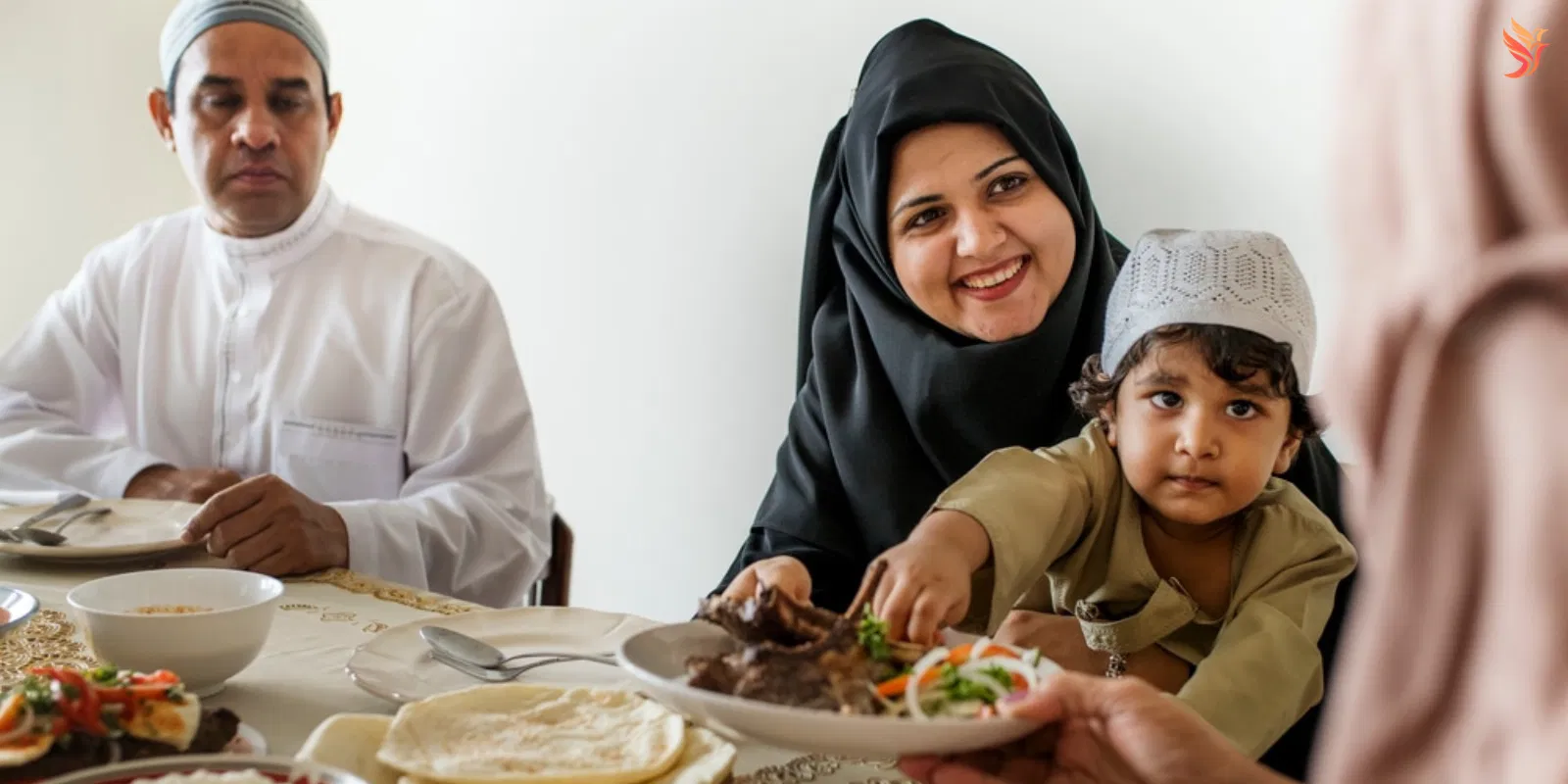
A Journey into History at Al Bastakiya Quarter
Begin your Ramadan exploration in Dubai by delving into the city's historical roots at the Al Bastakiya Quarter. This quaint, preserved district offers a serene atmosphere perfect for reflection. During Ramadan, the area becomes infused with a distinct energy as traditional lanterns illuminate the narrow alleyways, and the aroma of Emirati cuisine wafts through the air. Al Fahidi Fort, located nearby, hosts special exhibitions showcasing Islamic art and cultural history during this period.
Evening Strolls at Al Seef
As the sun sets and the air cools, stroll down Al Seef alongside Dubai Creek. This area perfectly balances modernity and tradition with its contemporary retail spaces in a heritage setting. During Ramadan, Al Seef is adorned with cultural performances and pop-up markets offering handmade crafts and souvenirs. Few visitors consider the simple pleasure of a post-Iftar walk here, watching as dhow boats gracefully cruise by, their brightly lit façades reflecting on the creek's tranquil waters.
Travel Alike: All-Inclusive Dubai Holidays
Culinary Adventures: Iftar at Al Fanar Restaurant & Cafe
While Dubai is renowned for its extravagant Iftar spreads, visiting Al Fanar Restaurant & Cafe is a must for those seeking an authentic Emirati dining experience. Nestled within Festival City Mall, this restaurant transports you back to a simpler time, with its decor echoing Dubai's 1960s charm. Not everyone knows about their special Ramadan menu, which features mouth-watering traditional dishes such as Harees and Machboos, and a perfectly brewed cup of Arabic coffee. The unassuming ambience and attentive service make it a delightful locale to break your fast away from the bustling crowds.
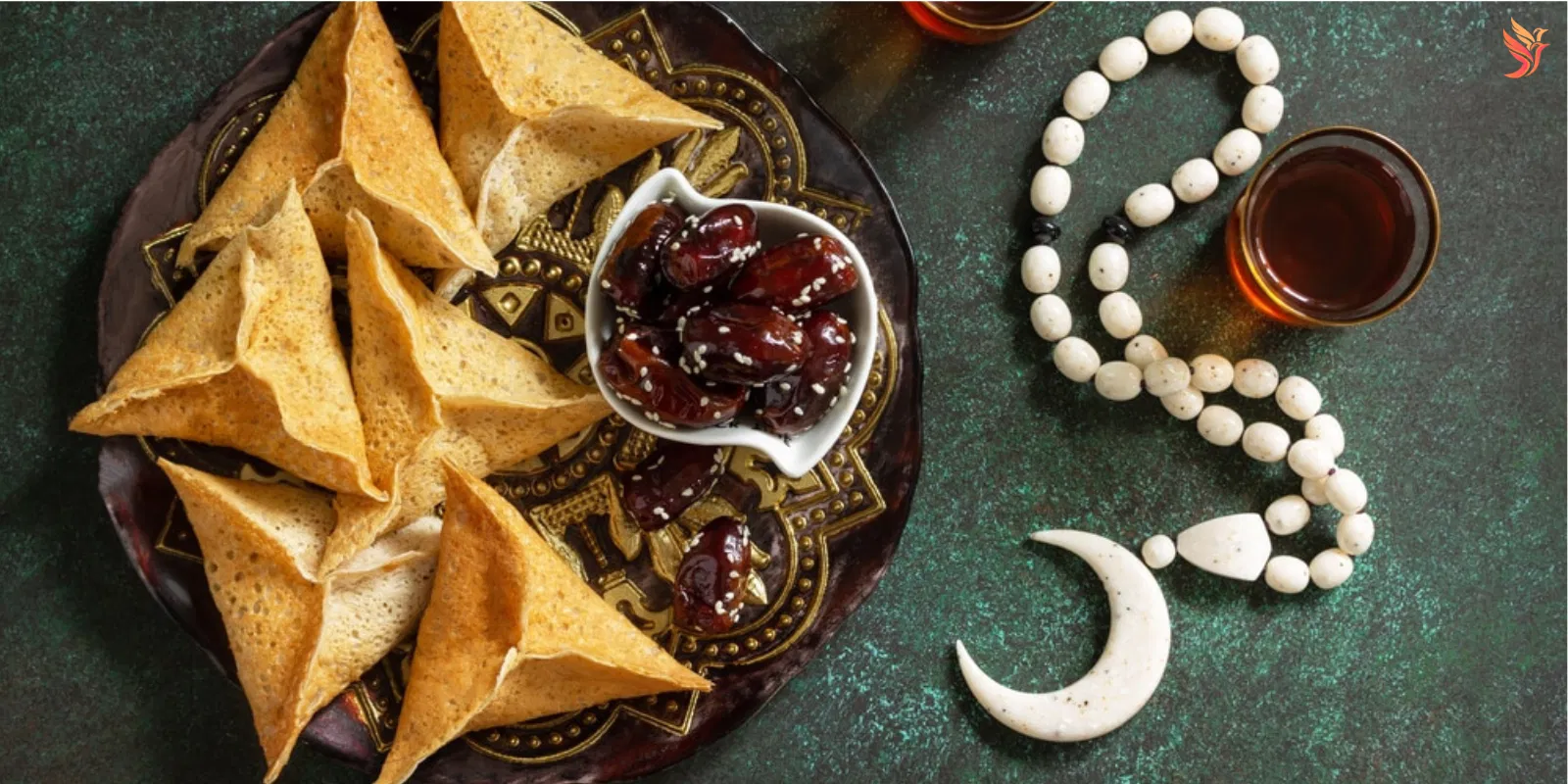
Experience Ramadan Through Art at Sheikha Latifa Bint Maktoum’s Studio
Art enthusiasts will find a hidden gem in Sheikha Latifa Bint Maktoum's studio, located on Alserkal Avenue. During Ramadan, the studio hosts exclusive workshops and exhibitions. It's a space where you can appreciate Islamic art and participate in creating it. Make sure to reserve a spot in advance, as these intimate sessions offer a rare opportunity to engage directly with local artists and learn about the influences of Ramadan on their work.
Explore Dubai’s Spiritual Heart at Jumeirah Mosque
A visit to the Jumeirah Mosque is often on the itinerary for tourists, but few take the time to participate in the 'Open Doors, Open Minds' programme during Ramadan. This initiative, offered by the Sheikh Mohammed Centre for Cultural Understanding, explores Islamic rituals and customs in-depth. It's a unique chance to watch the Taraweeh prayers and gain firsthand insights into the spiritual practices observed during Ramadan. The interactive Q&A sessions with knowledgeable guides offer a deeper understanding of the faith beyond surface-level observations.
Ramadan Night Markets: A Cultural Extravaganza
While Global Village is a well-known attraction, the Ramadan Night Markets offer a different, albeit less commercial, experience. Held at various locations throughout the city, these markets bring together vendors and artisans from across the region. The vibrant atmosphere, characterised by live music, traditional dance performances, and storytelling, reflects the true spirit of Ramadan. It's not just a shopping destination but a cultural celebration where you can discover rare, handcrafted items unique to this part of the world. Here, you’ll also find small tents offering henna art and other locally-infused beauty rituals.
Retreat for Reflection at Desert Conservation Reserve
Consider visiting the Dubai Desert Conservation Reserve for solitude and reflection. While many associate the desert with adventurous safaris, few recognise its potential as a place for meditation and relaxation, especially during Ramadan. Certain tour companies offer sunset excursions, including serene iftars under the starlit sky, far from the city's hustle. Visitors can engage with Bedouin traditions, listen to age-old stories, and understand the historical significance of Ramadan for desert-dwelling tribes. The quietude of the desert offers a profound backdrop for contemplation and connection with nature.
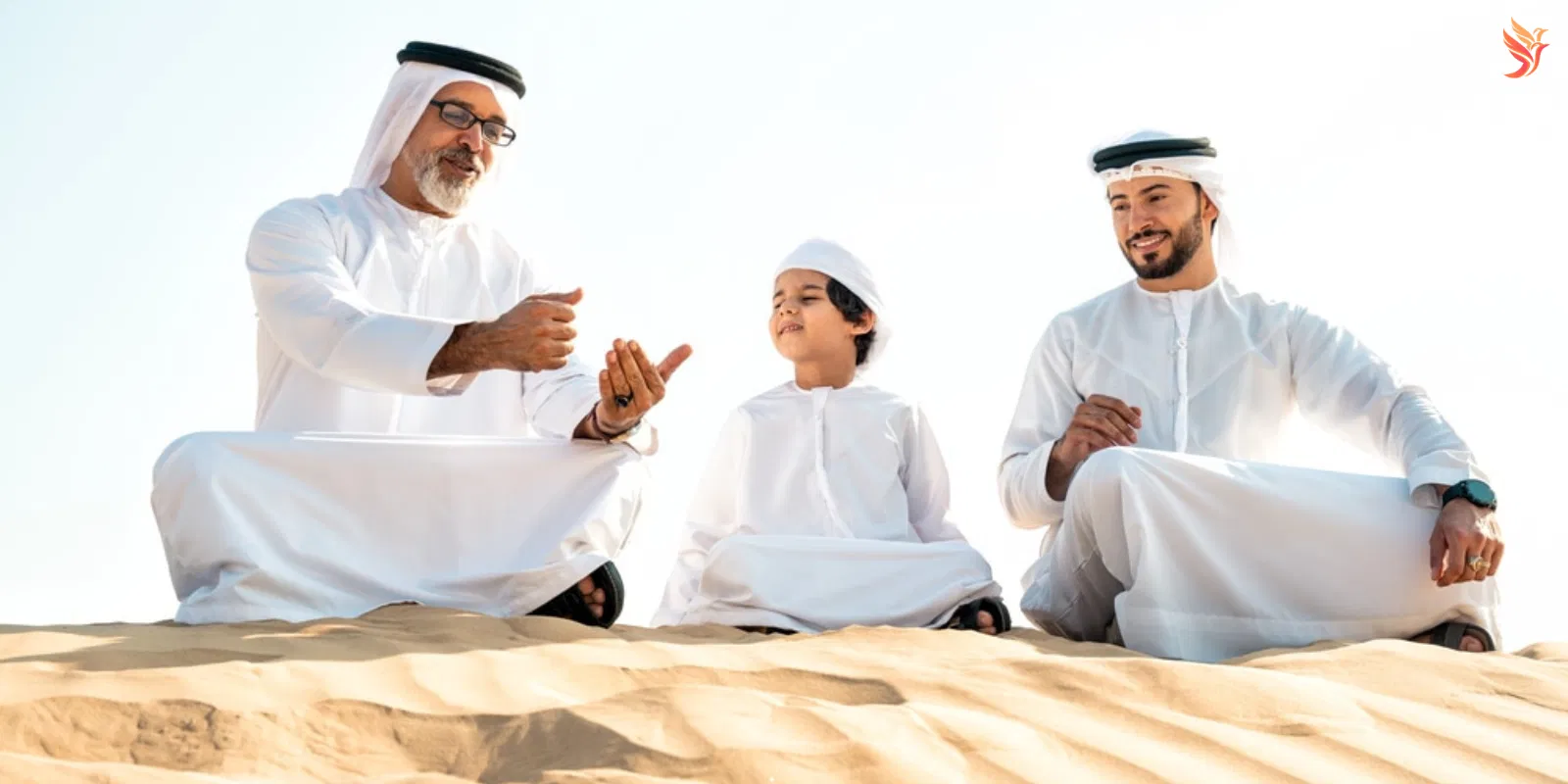
Cultural Understanding at Majlis
One of Dubai’s best-kept secrets is the culturally enriching experience offered at various majlis (traditional communal gathering spaces) around the city during Ramadan. Unlike their commercial counterparts, these majlis provide an informal setting where you can intensely discuss Ramadan and its cultural practices. Hosted by families or local community leaders, attending one provides a rare glimpse into local customs and allows guests to forge genuine connections over shared meals and conversations.
Travel Alike: Tailor-made Dubai Holiday Packages
Stay connected with the world. Get your travel ESIM for Dubai.
Also, remember that going to Dubai without Alike’s Dubai Tourist Pass (DTP) can cost you megabucks. The pass eliminates the need to purchase individual tickets, making it easier to manage sightseeing options. Moreover, you can enjoy up to 50% savings with complimentary vouchers and numerous benefits. Trust me, it’s a game-changer for you to make the most of your Dubai adventure. Get yours now, and you’ll thank me later!
PS - This article is updated on 22 January 2026.
Frequently Asked Questions about Ramadan in Dubai
When is Ramadan in 2026?
The start and end dates of Ramadan are determined by the sighting of the moon. In 2026, Ramadan is anticipated to start on 17 February and conclude on 19 March. Please note that these dates are subject to change.
What are the dining options for Iftar in Dubai?
Dubai offers many iftar options, from luxury hotel buffets to traditional Arabic tents. Popular locations include the Address Downtown, Jumeirah Emirates Towers, and Madinat Jumeirah.
Can I eat or drink in public during Ramadan in Dubai?
Eating, drinking, and smoking in public during daylight hours are prohibited during Ramadan. Many restaurants and food courts remain closed during the day, though some may offer screened-off areas for non-Muslims.
Are tourist attractions open during Ramadan in Dubai?
Are tourist attractions open during Ramadan in Dubai?
Yes, most tourist attractions remain open during Ramadan, but operating hours may be adjusted. It's best to check specific timings for places like the Burj Khalifa, Dubai Mall, and museums.
How does Ramadan affect shopping in Dubai?
Malls and stores usually extend their hours, staying open late into the night to accommodate iftar and suhoor (pre-dawn meal) schedules. Many malls also offer special Ramadan promotions and sales.
Malls and stores usually extend their hours, staying open late into the night to accommodate iftar and suhoor (pre-dawn meal) schedules. Many malls also offer special Ramadan promotions and sales.
Are there any special cultural activities or events during Ramadan in Dubai?
Dubai hosts various cultural events, including traditional music performances, art exhibitions, and the popular Ramadan Night Market. The Al Fahidi Historical District also offers special Ramadan activities.
How will my work schedule be affected during Ramadan in Dubai?
Work hours are typically reduced during Ramadan. Government offices and many private sector businesses operate on shorter schedules, usually reducing the workday by 2 hours.
What are some recommended iftar spots in Dubai?
What are some recommended iftar spots in Dubai?
Some recommended spots for iftar include Al Hadheerah at Bab Al Shams, Asateer Tent at Atlantis The Palm, Ewaan at Palace Downtown, and the Majlis at Dubai World Trade Centre.
What should I wear during Ramadan in Dubai?
What should I wear during Ramadan in Dubai?
Dressing modestly is important during Ramadan. Aim to wear clothing that covers shoulders and knees. This applies to both men and women, especially in public places.
Is nightlife in Dubai affected during Ramadan?
Nightlife is quieter during Ramadan. Many bars and clubs close or restrict their activities. However, some venues remain open and may offer more subdued entertainment, such as live music without dancing.
How can I participate in charity during Ramadan in Dubai?
There are numerous opportunities for charity during Ramadan. You can participate in or donate to local food drives, contribute to charity organisations like Dubai Cares, or volunteer at community events organised by mosques or cultural centres.