
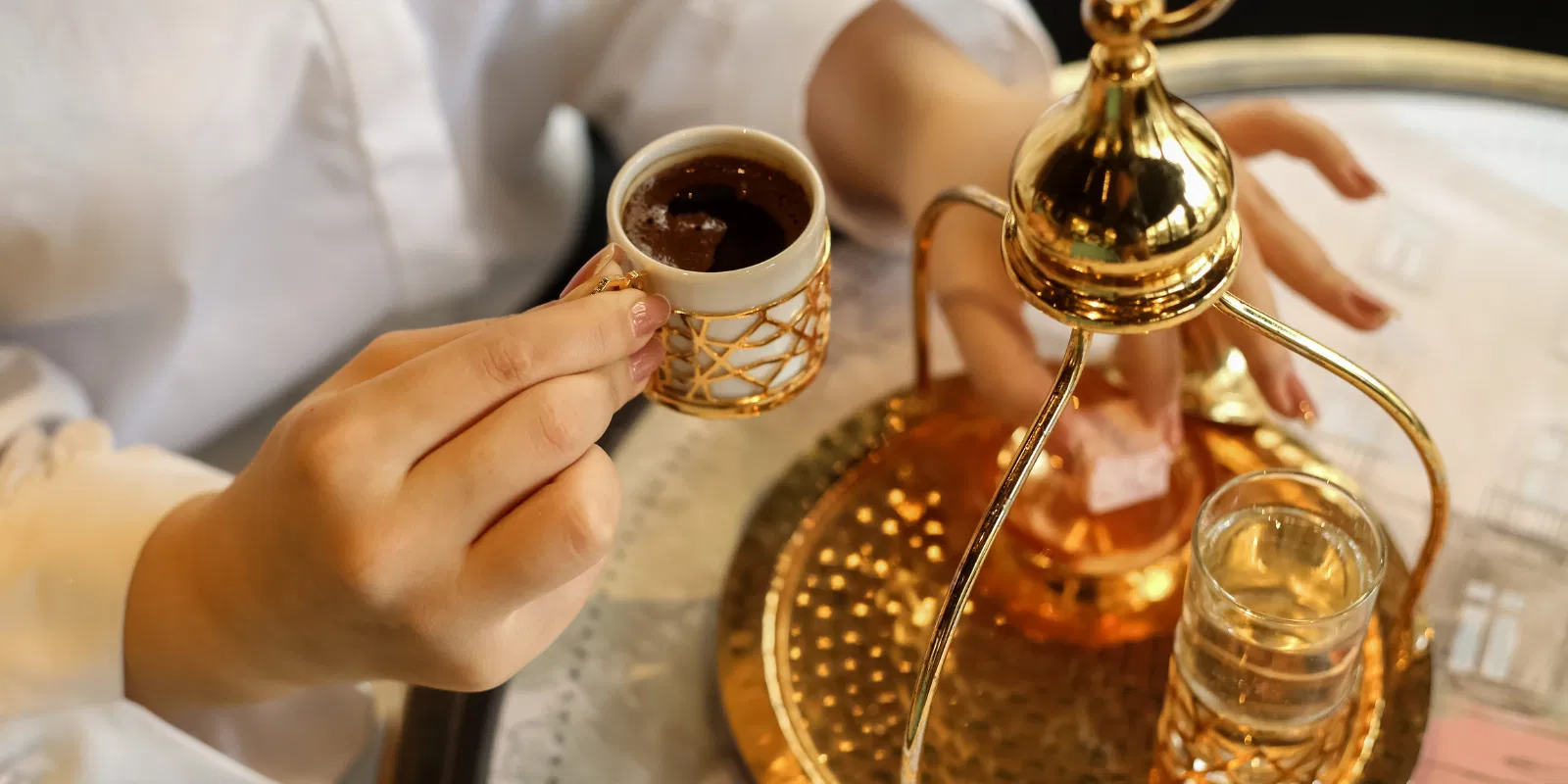
The art of Arabic coffee: A journey into tradition, taste, and connection
Coffee, but not as you've known it before.
Arabic coffee is much more than a simple drink. It’s a narrative in flavours, aromas, and rituals – a doorway to centuries-old traditions that blend art and storytelling. Arabic coffee – or qahwa – is a cultural keystone, a symbol of hospitality, and perhaps the most poetic expression of community in the Arab world.
If you’ve ever fancied a coffee experience so rich you could write about it endlessly in a travel journal, well… welcome to the journey.
Let’s start with the coffee itself. Arabic coffee has an entirely unique flavour profile; forget what your palate knows about espresso or cappuccino. Traditionally, the beans are lightly roasted, giving the coffee a tangy, almost nutty brightness that surprises the tongue.
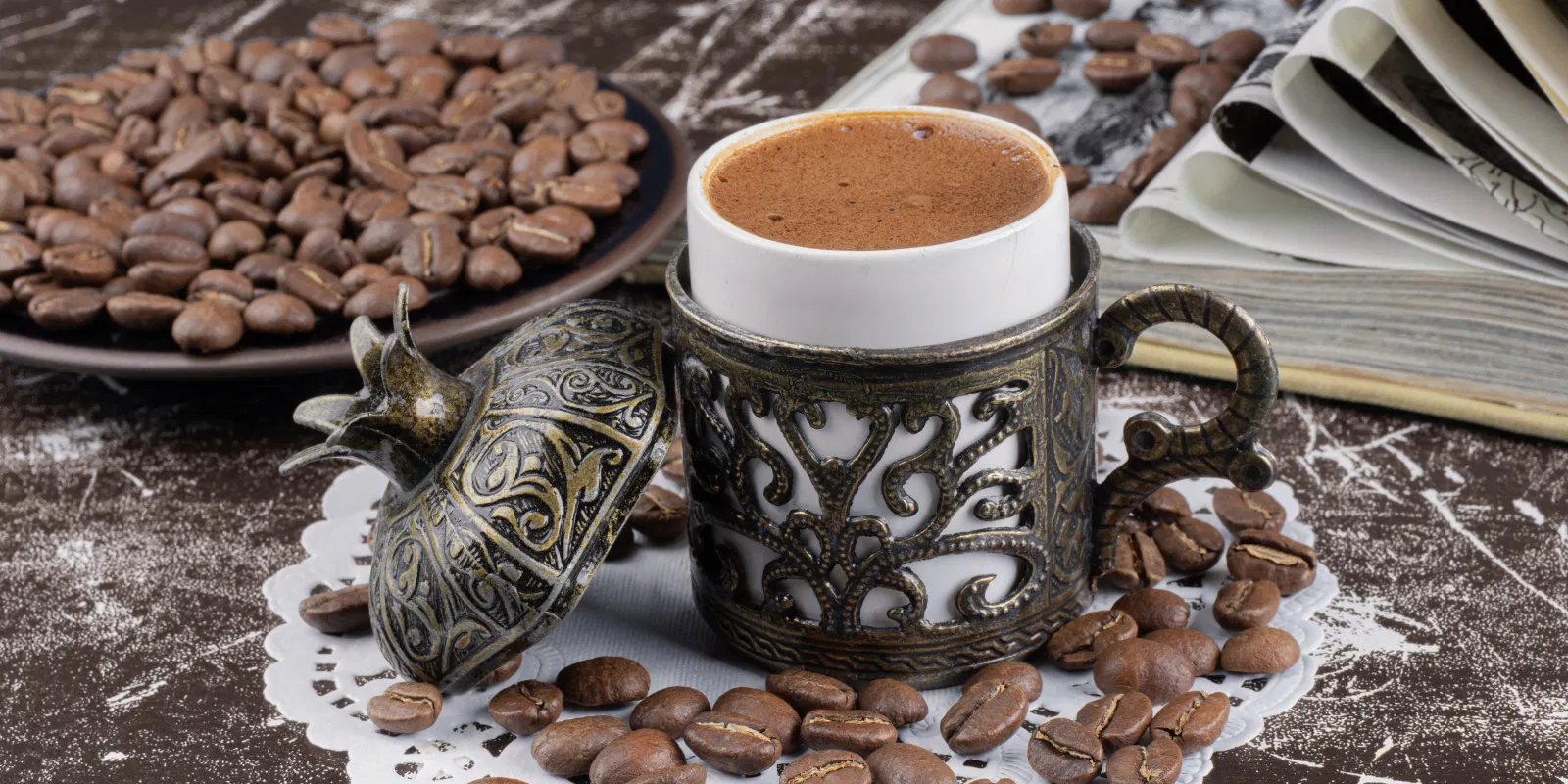
What sets Arabic coffee apart, however, are the spices added to the brew. Cardamom reigns supreme, often paired with cloves, saffron, and sometimes cinnamon. Served unfiltered, the coffee carries an earthiness; you drink it slowly, letting the sediment settle at the bottom of the cup like tiny grains of sand from the desert beyond. It’s not a beverage to rush – every sip feels ceremonial, almost meditative.
It’s all about the ritual
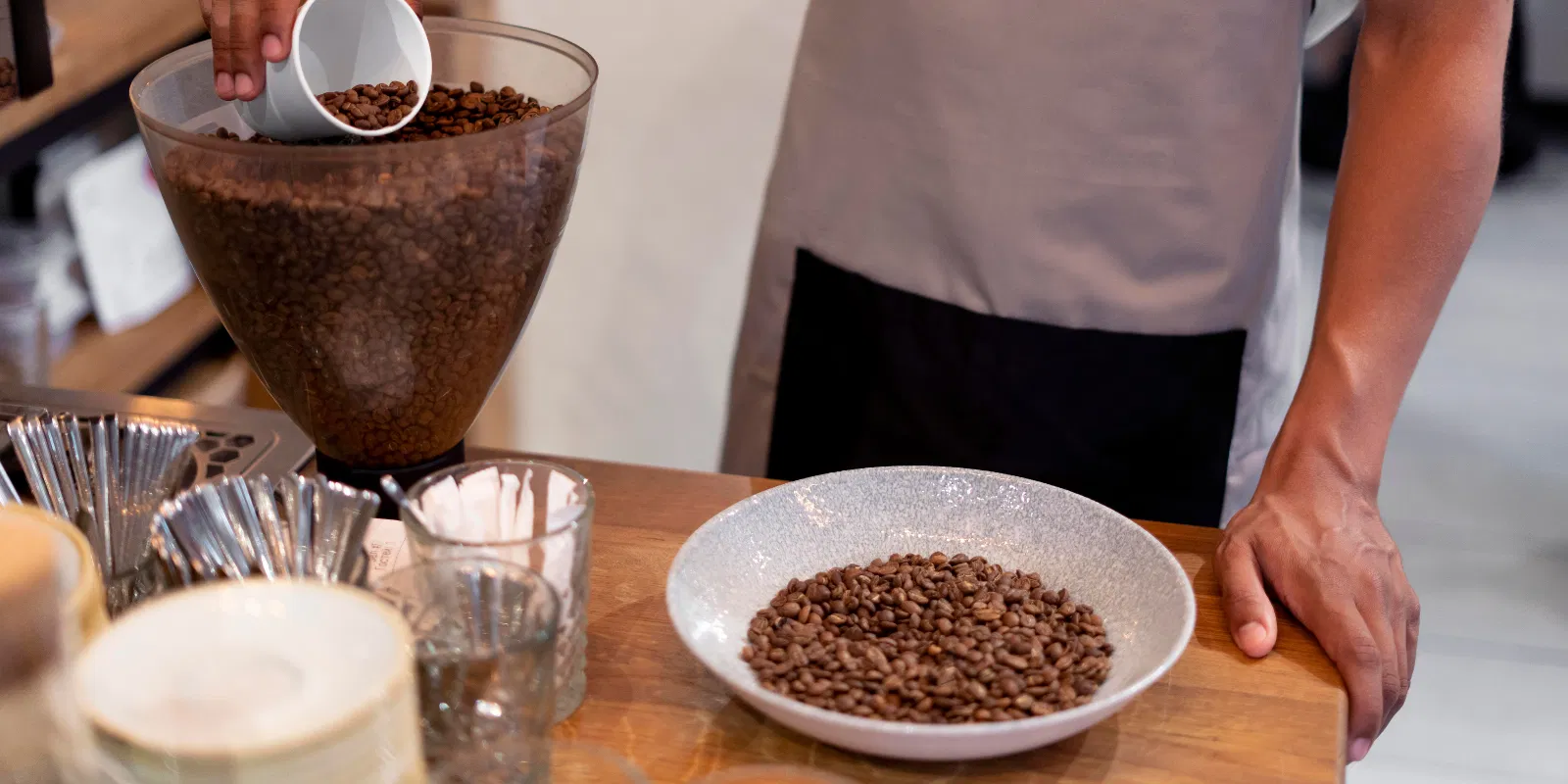
Here’s the thing: drinking Arabic coffee is never just an act; it’s an entire event, laden with meaning and ritual. The process begins well before boiling the coffee pot (dallah) itself.
Grind the beans, roast them ever so delicately, and infuse with spices in a way that feels more like composing music than preparing a beverage. The dallah – an ornate spouted pot that could be mistaken for art – is used to brew and serve the coffee, making even the act of pouring feel deeply intimate.
When you visit a family home in Riyadh or a majlis in Abu Dhabi – or even stop by a roadside café outside Muscat – you'll witness the epitome of Arabic hospitality. The coffee is served as a sign of respect, friendship, and generosity. And here's what most travellers might not know: the order in which coffee is served reflects the hierarchy or status of the group. Elders or honoured guests receive their cups first – a nod to traditions steeped in respect and gratitude.
It’s also customary to serve Arabic coffee in small, handle-less cups called finjan. Don’t be surprised when you’re offered only a half-filled cup or encouraged to drink no more than three rounds; this symbolic practice originates from the desert, where limited supplies made moderation essential.
Good reads: A-Z of summers in UAE
What is the history of Arabic coffee?
To truly understand Arabic coffee, you need to step beyond the flavour and dive into where it comes from. And I mean geographically. Let me take you on a little hyperlocal adventure.
Begin in Najd, the heart of the Arabian Peninsula, where the coffee beans are perfectly roasted and combined with bold cardamom for the region’s signature tangy variant. Move farther south, and you’ll find Yemeni coffee – a richer, more intense brew, known locally as qishr, often blended with ginger or cinnamon.
The city of Jeddah, by the coastline, adds an artistic flair to coffee culture. It’s where cafés mix influences of tradition with modernity – places like Brew92 (keep this gem on your radar) offer stunning renditions of Arabic coffee in atmospheres so chic you’ll feel like royalty sipping your cup.
But here’s a secret only those deeply embedded in this culture can reveal – what makes Arabic coffee sing is often the food served alongside it. Dates are a staple pairing, their sticky sweetness adding balance to the mildly acidic coffee.
Make sure to try the sukkary and khudri varieties – both are rich with caramel notes, and enhancing them with a sip of coffee creates an interplay of flavours that feels like a revelation. In Najran, locals sometimes prefer their coffee with chunks of halwa, a dense confection bursting with sesame and pistachio – a pairing that could redefine your perception of dessert entirely.
How it feels to be immersed in the experience
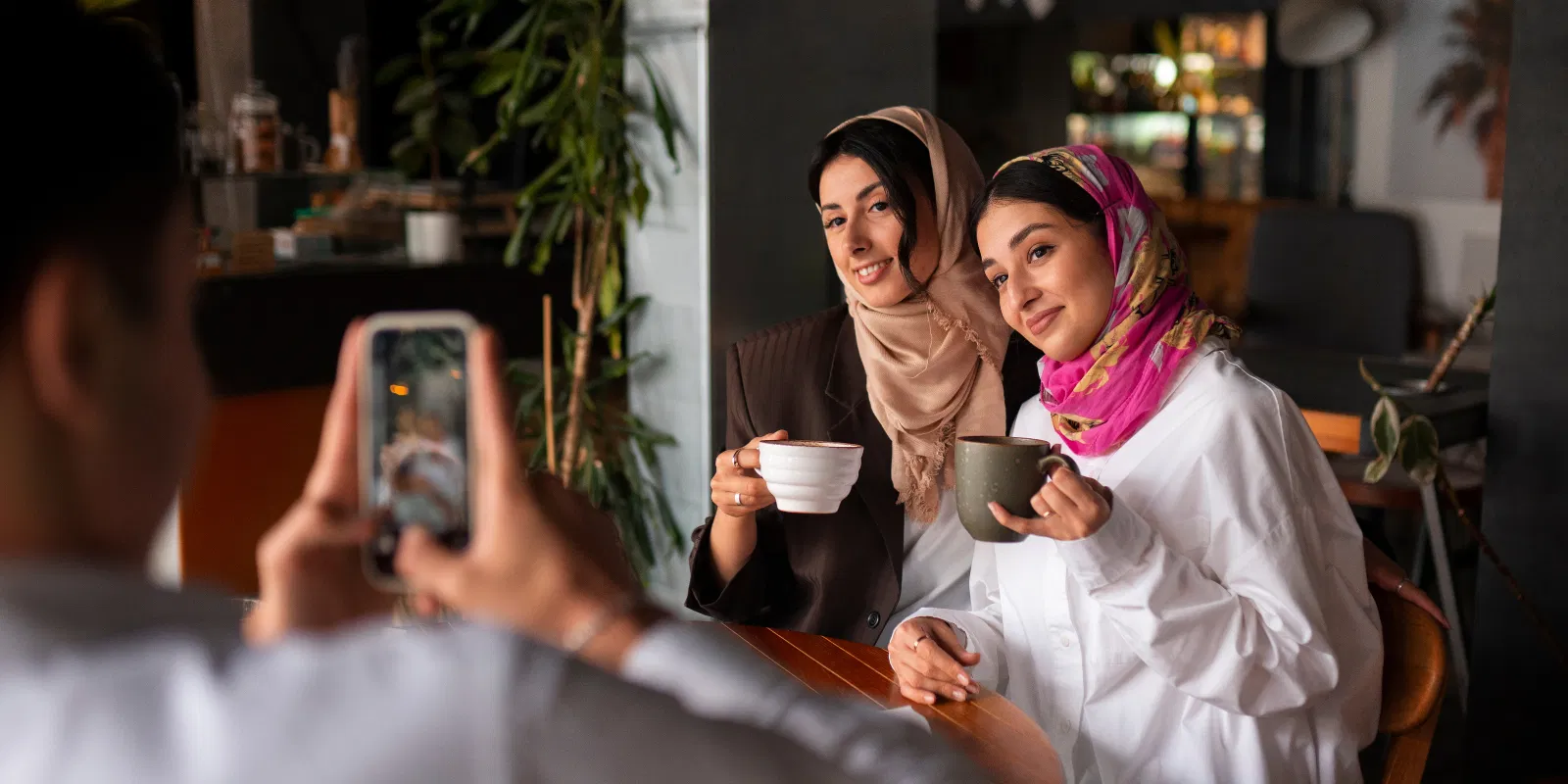
Physically being in a space where Arabic coffee is served is like stepping into an ancient storybook. Picture a majlis – a gathering space draped with richly patterned cushions and carpets, its smell a warm mix of coffee, amber, and incense. The host’s warm smile invites you in, and as the dallah appears, you notice your hand already lifting instinctively for the first sip.
Time moves more slowly here. Conversations aren’t rushed; they’re savoured, just like the coffee. You can feel the weight of tradition in every movement, from the way the coffee pot is held – angled with precision – to the soft sound of dates being lifted from their plate.
Did you know that after finishing your cup, you might gently shake it side to side to signal you’ve had enough? This small motion avoids verbal interruptions during conversations.
Or how about the coffee pot itself? Many dallah pots are family heirlooms, passed down through generations, bearing scratches and a patina that tell stories of familial connection.
And here’s a quirky tidbit: watch how the coffee is poured. Instead of lifting the dallah high above the cup as some cultures do, Arabic coffee pours are deliberately close to the edge – a humble, precise gesture meant to minimise splashes and excess.
To sip Arabic coffee is to feel the land, the people, and the traditions flow through you. So, the next time you find yourself in the Middle East, lift your tiny, handle-less cup and take a deep, soulful moment to appreciate the art of Arabic coffee. It’s yours to savour.