
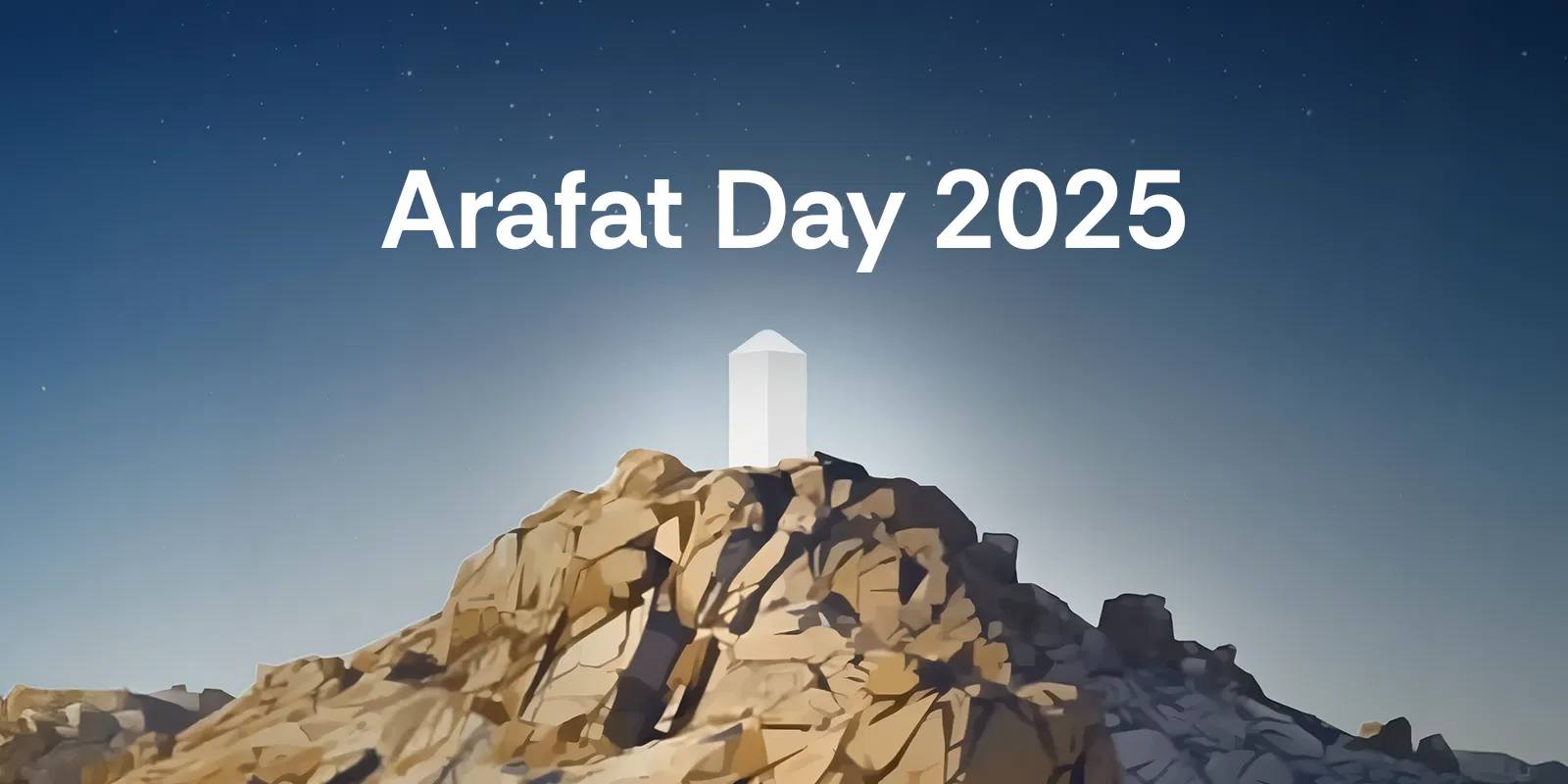
Arafat Day: A day to honour Prophet Muhammad’s (PBUH) farewell sermon
As the sacred month of Dhul Hijjah (the twelfth and final month of the Islamic lunar calendar) approaches, Saudi Arabia finds itself at the heart of frenetic yet deeply spiritual activity. This month is best known for hosting the Hajj pilgrimage, one of the five pillars of Islam, where millions of Muslims gather in Mecca to perform sacred rituals. Pilgrims from every corner of the globe converge in Mecca. But make no mistake: while much of the focus is on Saudi Arabia's plains of Arafat, the Day of Arafah is not confined by borders. Whether one stands atop Mount Arafat, fasting in their home on the other side of the world, or wandering the streets of Saudi Arabia seeking meaning, this is a turning point, a day imbued with forgiveness and reflection.
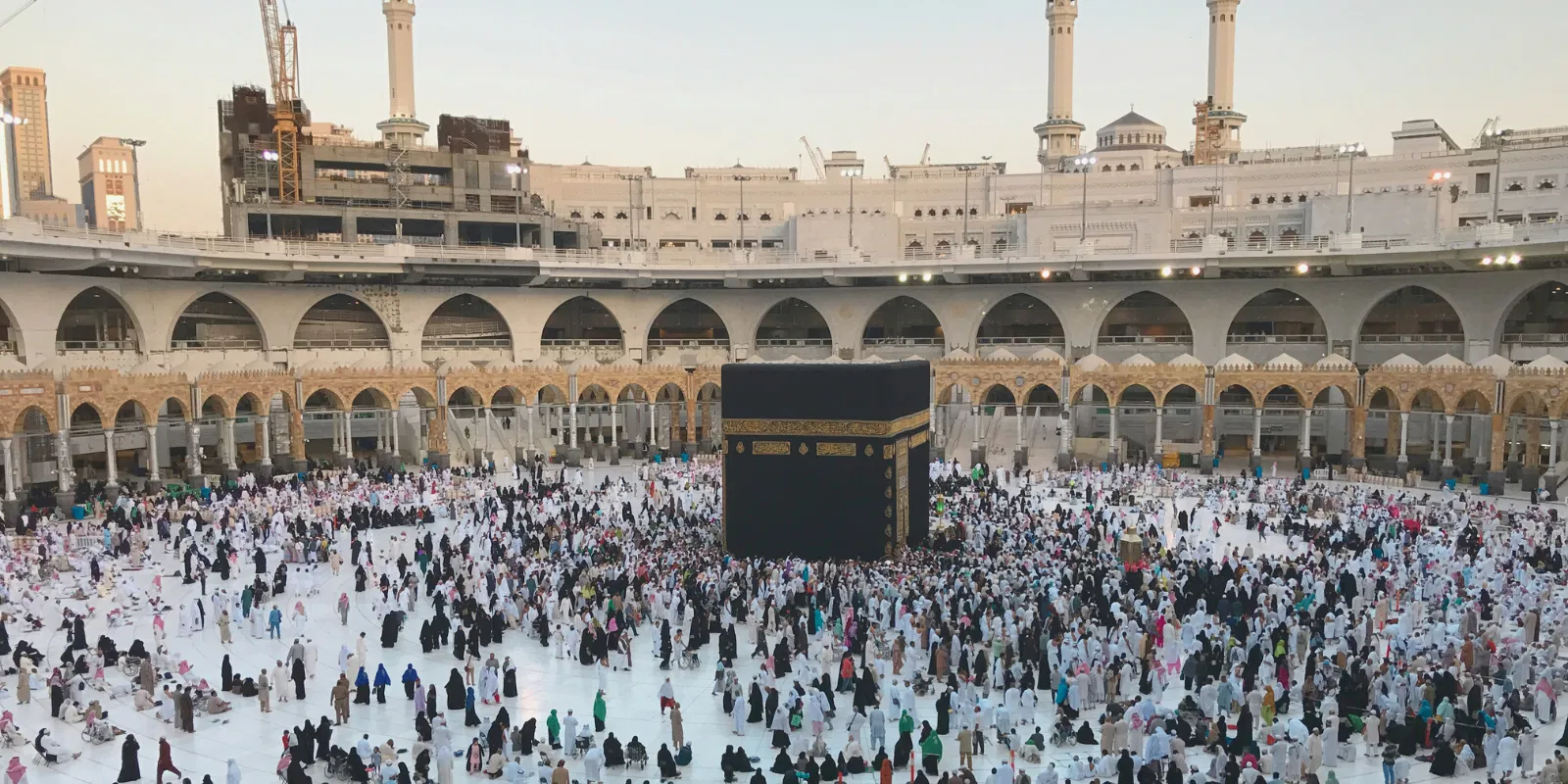
Even walking around Mecca in the lead-up to Arafat Day is enough for a visitor to stir the soul. The streets pulse with the footsteps of pilgrims, the air hangs heavy with the hum of Quran recitations, and the local markets brim with fruits, Zamzam water, and prayer mats. If you’re travelling to Saudi Arabia, try wandering outside the usual pilgrim paths during the quieter hours and let Mecca reveal its softer, contemplative side.
Yet Arafat Day isn’t just about personal purification but unity. The shared nature of this day, whether at Mount Arafat or among fasting Muslims in faraway cities, is a powerful reminder of Islam’s universal message: a religion without borders, worship without limits.
There is an unbreakable Bond Between Arafat and the Holy City of Mecca.
Mecca’s prominence during Arafat Day can hardly be overstated. Nestled in the Hijaz region of western Saudi Arabia, Mecca is not just a city—it is a heart beating in rhythm with the hopes and prayers of Islam’s followers. For the unacquainted traveller, stepping foot into Mecca during this time is akin to stepping outside of time.
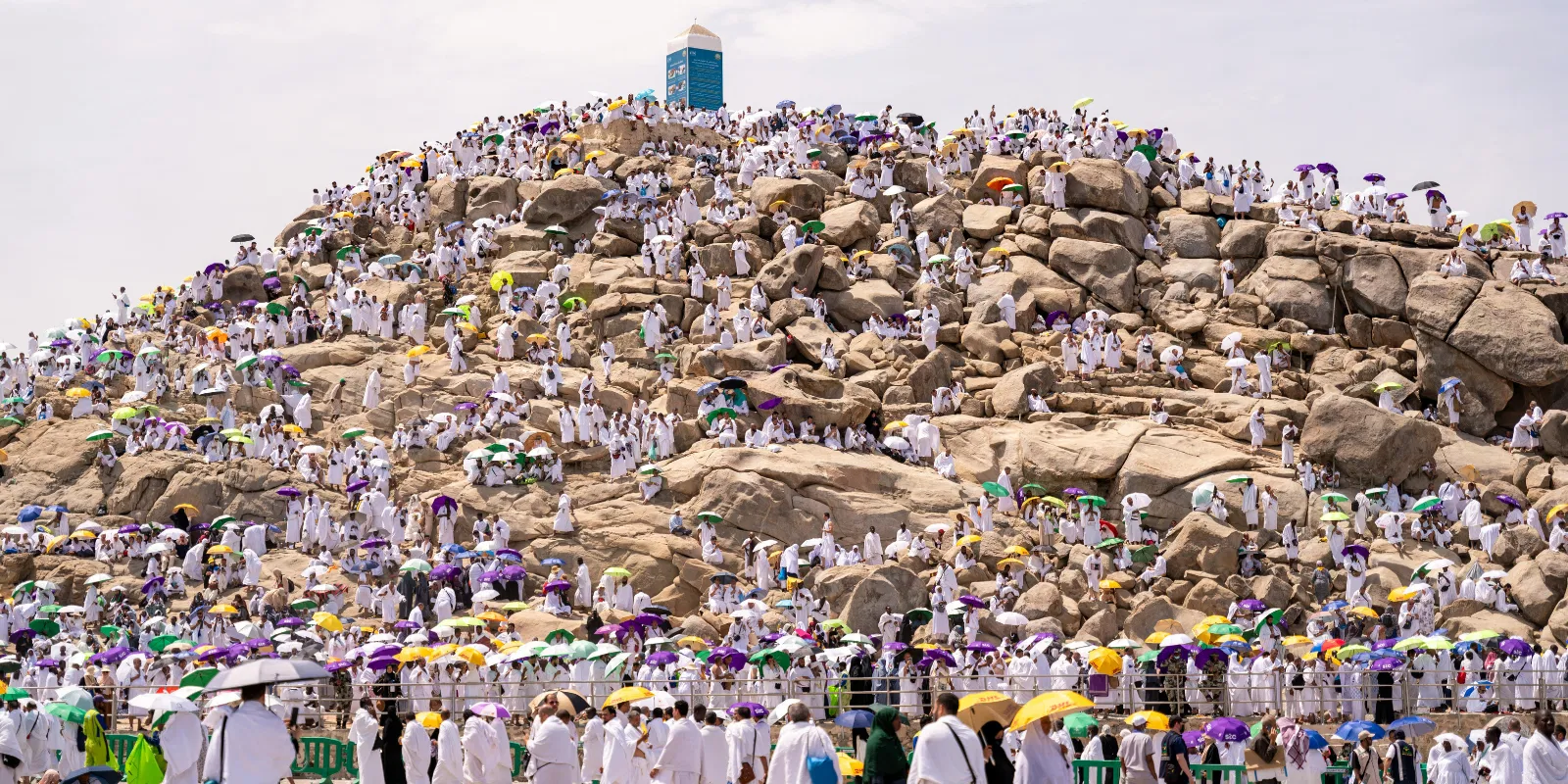
The focal point of Arafat Day happens not within Mecca’s stone and marble, but at Mount Arafat itself. Located roughly 20 kilometres from the Kaaba, Mount Arafat is where Prophet Muhammad (peace be upon him) delivered his Farewell Sermon, imparting timeless lessons on equality, repentance, and justice. Pilgrims spend the day at the Plain of Arafat, praying and supplicating from noon to sunset, asking for forgiveness and renewal.
The religious significance of the Arafat Day guides millions.

The Day of Arafah is the ninth day of Dhul Hijjah, one of the holiest days in Islam. For millions of Muslims, it is the ultimate day of forgiveness—when sins may be erased, prayers answered, and destinies changed. Those performing Hajj follow distinct rituals: after setting out from Mina, they gather at Mount Arafat, observing a spiritual retreat marked by prayers and sermons.
For those not on Hajj, fasting on Arafat Day is deeply significant. The Prophet Muhammad said that fasting on this day expiates the sins of the previous year and the year to follow. It’s a ritual accessible to all, regardless of whether one is on Saudi soil or in their home thousands of miles away.
How Arafat Day is Celebrated Across the Globe
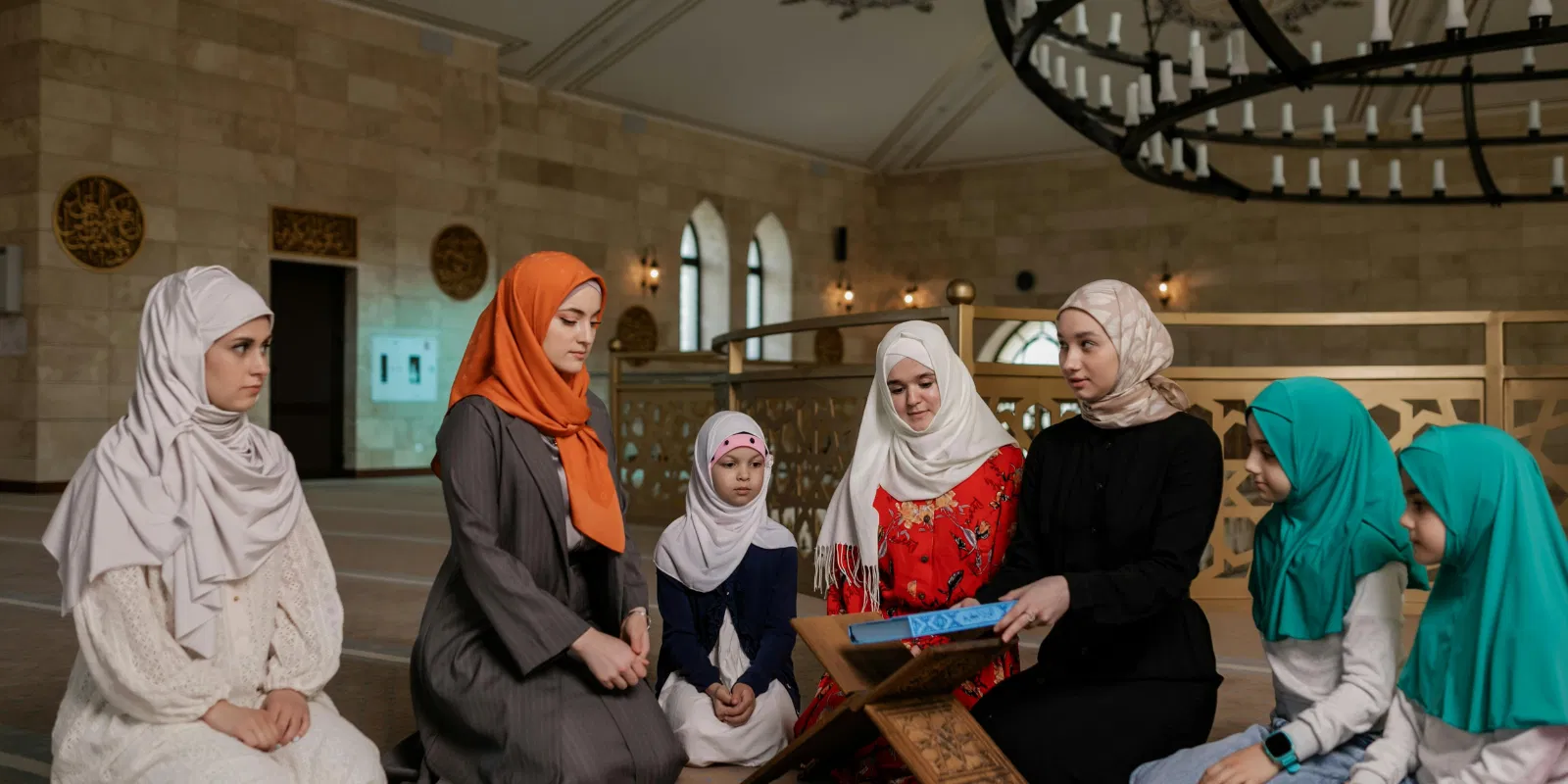
From Morocco to Malaysia, Muslims worldwide fast and spend the day in continuous prayers. Families gather to break their fast at sunset, often starting with dates and water before indulging in traditional culinary delights. In places like South Asia, breaking fast dua (the supplication before eating) is recited in unison, followed by shared meals like biryani or kheer.
Europe offers its flavour of Arafat Day observance. In London, for example, mosques host special lectures about the significance of Arafat Day while organising small group prayers. Meanwhile, community centres in the United States often distribute meals for breaking fast, embodying charity and unity.
If you're travelling through Saudi Arabia during Arafat Day but aren’t partaking in Hajj, there’s still plenty to experience, but locals rarely advertise these hidden gems.
Pre-Arafat Festival Atmosphere: Before Arafat Day, you'll feel a festive communal energy in areas close to Mecca, specifically in cities like Jeddah or Ta'if. Small tea houses (known locally as gahwa spots) serve sweetened tea with dates, and street stalls sell freshly prepared mutabbaq (a savoury stuffed pastry). Step away from Mecca for an afternoon and explore local markets like Souq Al Alawi in Jeddah—perfect for buying unique prayer beads and traditional gifts.
The Lesser-Known Side of Mount Arafat: Mount Arafat can get crowded with pilgrims, so it’s worth investigating alternative prayer spaces nearby. Locals can direct you to quieter plains and tiny mosques where the focus remains spiritual rather than ceremonial.
Traditional Food During Arafat Night: Saudi Arabia has quirky post-fast traditions unique to its regions! Families often whip up bowls of harees (a wheat and meat dish) or fragrant kabsa during the evening hours after Arafat Day. In Riyadh’s older quarters, you may find food shops selling variations of ma’amoul (date-filled pastries) paired with Arabic coffee—a sensory duo worth trying!
Tips for Travelling During Arafat Day
- The roads to Mecca can be swarmed, so plan if you aim to observe or experience the unique energy of Arafat Day. Travellers often base themselves in Jeddah for easy access.
- For non-Muslims travelling during this time, respecting the religious significance is essential. Onlookers should follow modest dress codes and avoid entering sacred sites restricted to pilgrims.
- Muslims may avoid food stalls during daylight hours while fasting, and night markets light up with post-fast snacks. If you wander Mecca after sunset, try fried sambusas or locally made honey cakes.
Related Posts
Show All Blogs


