Chiang Mai in Spring: Temples, Trekking and Songkran Hangovers Worth Having
"ใจเย็นเย็น" (jai yen yen) – Keep your heart cool. That's what locals told me as I stood in Old City Chiang Mai, dripping from head to toe, clutching a water gun I'd just bought from a street vendor for 150 baht. It was 38°C, the peak of hot season, and the entire city had transformed into a massive water battlefield. Welcome to Songkran in Chiang Mai, where spring doesn't just arrive – it explodes in a three-day celebration that leaves you drenched, sunburnt, and grinning like an excited traveller.
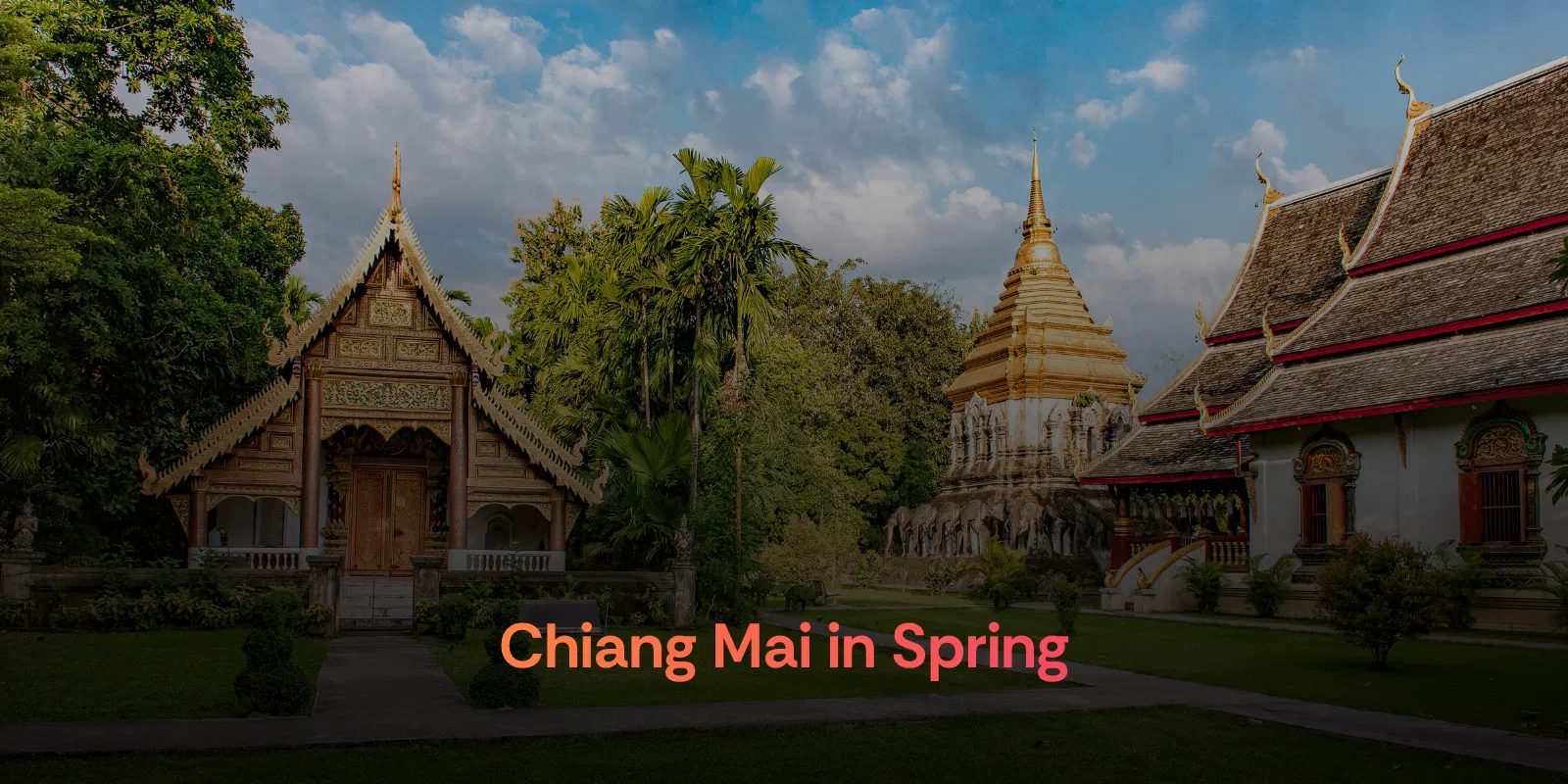
But Chiang Mai in spring offers far more than just Southeast Asia's most exhilarating water fight. From March through May, Thailand's northern capital becomes a compelling mix of blazing heat, cultural festivals, and surprisingly good travel deals. The mountains surrounding the city turn golden-brown, temple courtyards shimmer in the afternoon heat, and the crowds thin out just enough to make exploring feel personal rather than chaotic. This is Chiang Mai at its most authentic – when locals reclaim their city and travellers who show up discover something deeper than the usual tourist circuit.
What is Chiang Mai?
Chiang Mai sits 710 kilometres north of Bangkok in Thailand's mountainous highlands, founded in 1296 as the capital of the ancient Lanna Kingdom. Today, it's Thailand's unofficial cultural capital – a city where over 300 Buddhist temples coexist with trendy cafés, traditional night markets sprawl beside co-working spaces, and street food vendors serve khao soi curry alongside avocado toast.
The city proper is compact and walkable, enclosed by a square moat and remnants of ancient walls. Beyond the Old City, neighbourhoods like Nimmanhaemin buzz with contemporary Thai creativity, while villages such as San Kamphaeng and Bo Sang preserve centuries-old crafts. The real magic lies in how seamlessly Chiang Mai balances preservation and progress – you can attend a monk chat at sunrise, trek through mountain forests by afternoon, and end the evening at a rooftop bar overlooking Doi Suthep temple, all within the same day.
Why travellers love Chiang Mai in spring
Spring in Chiang Mai runs counter to typical travel logic. Most guidebooks warn you away from March to May, citing intense heat and the annual burning season when farmers clear fields, creating hazy skies. And yes, temperatures regularly hit 40°C, and air quality occasionally dips. But here's what those guidebooks miss: spring is when Chiang Mai reveals its soul.
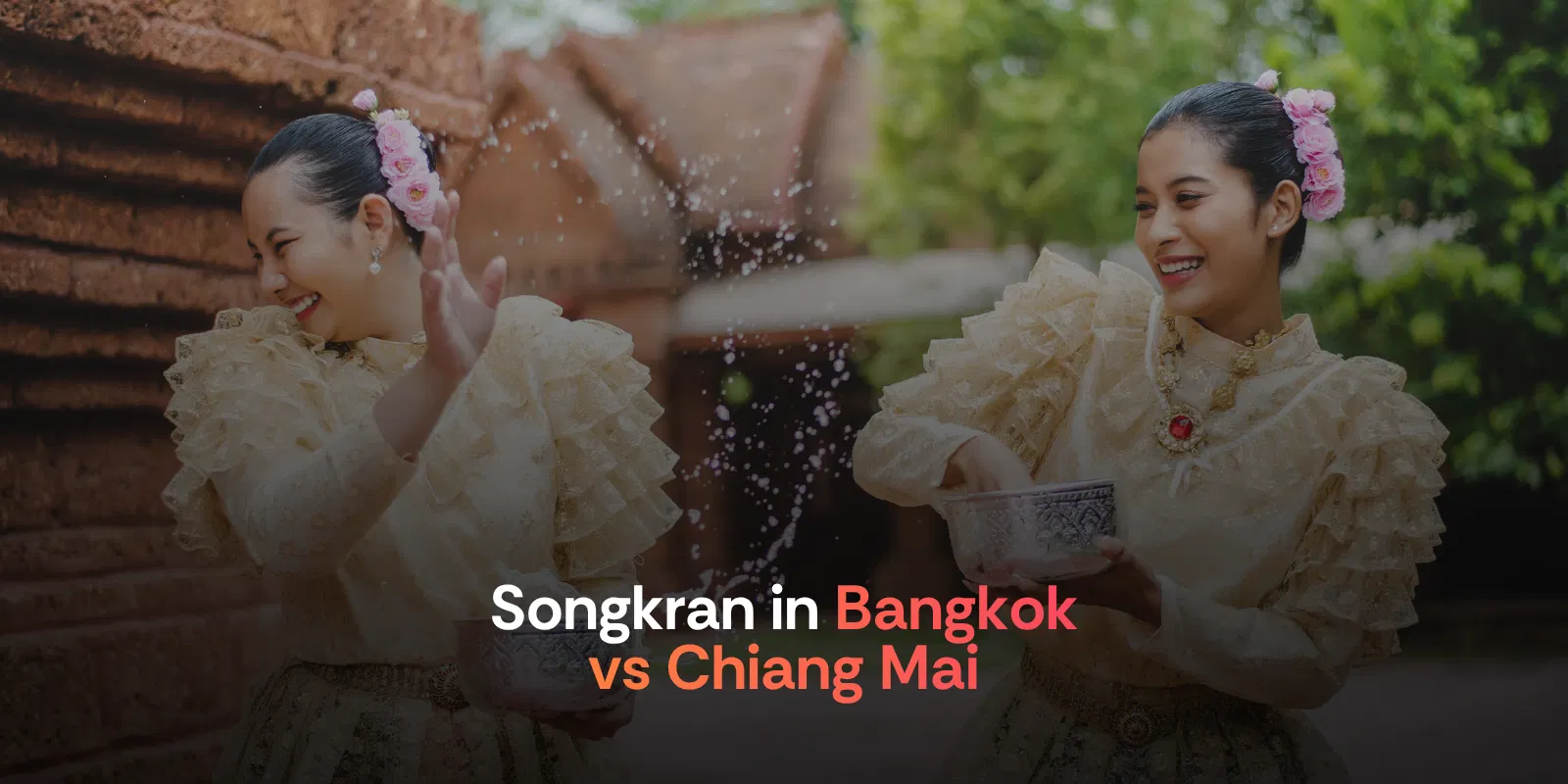
Songkran (13–15 April) is the main draw – Thailand's traditional New Year, celebrated with the world's largest water fight. In Chiang Mai, the festival extends beyond three days, with water battles continuing well into the week. The Old City moat becomes party central, with locals and travellers manning water stations, hurling buckets, and drenching anyone who dares walk past. But Songkran also carries deep spiritual meaning – before the water madness begins, locals visit temples to pour scented water over Buddha images, make merit, and honour elders in a ritual called rod nam dum hua.
Beyond Songkran, spring offers practical advantages. Accommodation rates drop by 20–40% compared to cool season (November–February), popular attractions are far less crowded, and you'll interact more with locals than tourist crowds. Thai New Year energy pulses through the city well into May, with neighbourhood festivals, temple fairs, and street markets offering a window into traditions rarely seen during peak season.
For Indian travellers, visa on arrival simplifies entry, and direct flights from Delhi, Mumbai, and Bangalore to Bangkok make reaching Chiang Mai straightforward. Europeans appreciate the spring sunshine after dreary winters, though be prepared – this isn't Mediterranean warmth; this is tropical intensity that demands sunscreen, hydration, and strategic timing.
Location and accessibility
Chiang Mai lies in northern Thailand, 710 kilometres from Bangkok. Chiang Mai International Airport (CNX) connects directly to major Asian hubs – Bangkok, Singapore, Kuala Lumpur, Hong Kong – with budget carriers offering competitive fares during spring.
| Route | Travel Time | Approximate Cost | Notes |
|---|---|---|---|
| Bangkok to Chiang Mai (flight) | 1 hour 15 minutes | ₹3,500–₹6,500 | Book in advance for best rates |
| Bangkok to Chiang Mai (train) | 11–15 hours | ₹800–₹2,500 | Overnight sleeper recommended |
| Bangkok to Chiang Mai (bus) | 9–11 hours | ₹600–₹1,800 | VIP buses more comfortable; departs Mo Chit terminal |
| Chiang Mai to Pai | 3 hours | ₹200–₹400 | Minivan or bus; 762 curves, take motion sickness tablets |
| Chiang Mai to Chiang Rai | 3 hours | ₹250–₹500 | Green Bus or minivan from Arcade Bus Station |
Getting around Chiang Mai: The Old City is compact enough to explore on foot, though renting a scooter (₹150–₹250/day) gives you freedom to visit temples, markets, and surrounding villages at your own pace. Red songthaews (shared pickup trucks) cost ₹25–₹50 for short trips within the city, whilst Grab operates reliably for fixed-price rides. Chiang Mai also has a growing network of bicycle lanes, and shops near Tha Phae Gate rent bikes for ₹80–₹150/day.
What you can do in Chiang Mai
Temples that actually matter
Chiang Mai's 300+ temples can induce decision paralysis, but spring's heat narrows your focus to the truly essential. Wat Phra That Doi Suthep sits 15 kilometres west of the city at 1,073 metres elevation, accessed via 306 naga-flanked steps. The temple's golden chedi gleams against mountain views, and visiting at dawn or late afternoon avoids both heat and crowds. Songthaews from the city centre cost ₹35–₹50, or rent a scooter and wind up the mountain yourself, stopping at the viewpoint halfway for Chiang Mai panoramas.
Wat Chedi Luang anchors the Old City with its partially ruined 14th-15th century chedi – an earthquake-damaged tower that somehow looks more magnificent incomplete. The temple hosts daily monk chats (5:00 PM) where young monks practise English whilst answering questions about Buddhism, Thai culture, and monastic life. Entry is free; dress respectfully (shoulders and knees covered).
Wat Phra Singh houses Phra Singh Buddha, the most revered image in northern Thailand, and its Lai Kham chapel features stunning Lanna-era murals depicting local life 500 years ago. During Songkran, this temple becomes a focal point for traditional water-pouring ceremonies – join locals in the respectful pre-party rituals before the city-wide water madness begins.
Elephant encounters done right
Chiang Mai pioneered ethical elephant tourism in Thailand, though choosing responsibly still requires research. Elephant Nature Park, 60 kilometres north of the city, set the standard for no-riding, observation-based encounters. Day visits (₹6,000–₹8,500) include transportation, lunch, and time spent feeding, bathing, and learning about rescued elephants in a genuine sanctuary environment. Book directly through their website to ensure your money supports the operation rather than middleman commissions.
Trekking when temperatures soar
Spring heat doesn't eliminate trekking – it just shifts the approach. Doi Inthanon National Park, 90 kilometres southwest, tops out at 2,565 metres as Thailand's highest peak, offering cooler temperatures and cloud forest trails. The park's twin chedis (built for King Bhumibol and Queen Sirikit's 60th birthdays) provide sweeping mountain views, whilst shorter nature trails loop through moss-covered forests and past waterfalls. Entry costs ₹250 (foreigners), open 6:00 AM–6:00 PM. Hire a songthaew with driver from Chiang Mai for ₹2,000–₹3,000 for the day, or join organised tours.
For less strenuous options, Doi Suthep-Pui National Park offers well-marked trails from Wat Phra That Doi Suthep to Phuping Palace gardens (January–March flower blooms are spectacular, though some colour lingers into April). Start early – depart by 7:00 AM to finish before midday heat peaks.
Multi-day treks to hill tribe villages (Karen, Hmong, Lahu communities) operate year-round, though spring groups are smaller. Responsible operators like Pooh Eco-Trekking and Trailhead prioritise genuine cultural exchange over staged performances, with trekking fees directly supporting village development.
Chiang Mai tours and day trips
| Tour Type | Duration | Cost | What's Included |
|---|---|---|---|
| Doi Inthanon day trip | 8–10 hours | ₹2,000–₹3,500 | Transport, park entry, lunch, waterfalls |
| Chiang Rai & Golden Triangle | 12 hours | ₹2,500–₹4,000 | White Temple, Black House, Golden Triangle viewpoint |
| Cooking class | 4–6 hours | ₹1,800–₹3,000 | Market visit, 5–7 dish preparation, recipes, meal |
| Night markets & food tour | 3 hours | ₹1,500–₹2,500 | Guided tasting, cultural context, transport |
| Mountain biking | Half/full day | ₹2,200–₹4,500 | Bike, helmet, guide, village routes, lunch |
Chiang Mai to Chiang Rai makes an excellent day trip (3 hours north), visiting the striking Wat Rong Khun (White Temple) – a contemporary Buddhist temple designed by artist Chalermchai Kositpipat that looks like it materialised from a fever dream. Dress modestly. Combine with Baan Dam (Black House Museum, ₹70 entry) and the Golden Triangle opium museum for a full day exploring northern Thailand's artistic and historical complexity.
Chiang Mai to Pai is a favourite escape for travellers seeking mountain air and bohemian energy. The three-hour journey winds through 762 curves, so take motion sickness tablets and sit in front seats. Pai's hot springs, waterfalls, and laid-back vibe make it worth the nauseating ride, especially during Songkran when the party continues but with a more intimate, village feel.
Where to stay: Chiang Mai hotels for every budget
| Accommodation Type | Location | Price Range (per night) | Best For |
|---|---|---|---|
| Budget hostels | Old City, Nimmanhaemin | ₹300–₹900 | Solo travellers, backpackers, social atmosphere |
| Mid-range hotels | Old City, Riverside | ₹1,500–₹4,000 | Couples, small families, comfort + location |
| Boutique guesthouses | Santitham, Old City | ₹2,500–₹6,000 | Design-conscious travellers, unique stays |
| Luxury resorts | Outskirts, Mae Rim | ₹8,000–₹25,000+ | Honeymooners, spa seekers, privacy |
Old City puts you within walking distance of major temples and night markets – consider Lanna Boutique House or Banthai Village for mid-range comfort with traditional architecture. Nimmanhaemin appeals to younger crowds with its proximity to cafés, bars, and creative spaces – Hub Hua Hin and Summersault Hostel offer good value. For luxury, 137 Pillars House near Riverside combines colonial history with modern spa facilities, whilst Four Seasons Chiang Mai in Mae Rim provides countryside tranquillity.
Book early for Songkran dates (13–15 April), as Chiang Mai hotels fill up despite being low season for weather. Properties near the moat command premium rates during the festival but place you at the centre of action.
What to eat in Chiang Mai
Northern Thai cuisine differs markedly from Bangkok's central Thai flavours – less sweet, more herbal, with Burmese and Lao influences that show up in sticky rice consumption, fermented elements, and spice profiles that favour depth over heat.
Khao soi is Chiang Mai's signature dish – curry noodle soup with crispy fried noodles on top, served with chicken or beef. Every local claims a favourite vendor; try Khao Soi Khun Yai or Khao Soi Mae Sai for versions that balance richness with herbal complexity. Cost: ₹40–₹80 per bowl.
Sai oua (northern Thai sausage) incorporates lemongrass, makrut lime leaves, and galangal into pork filling, grilled over charcoal and eaten with sticky rice. Sample at Warorot Market or Saturday Walking Street, where vendors grill fresh batches throughout the evening.
Nam prik ong resembles Bolognese made Thai – minced pork in tomato-chilli dip, scooped up with raw vegetables and pork crackling. It's everywhere during Songkran, served family-style as people gather for post-water-fight meals.
Markets worth your time:
- Warorot Market (Kad Luang): Daily produce and food market where locals shop; second floor has cheap clothing and household goods
- Chiang Mai Gate Market: Night market near the southern gate, best for street food (sai oua, grilled meats, mango sticky rice)
- Sunday Walking Street: Tha Phae Road transforms into a pedestrian market 4:00 PM–10:00 PM, with crafts, clothing, and food stalls stretching for a kilometre
- Saturday Walking Street: Similar setup on Wualai Road, slightly smaller, more local
Insider travel tips
Beat the heat: Schedule temple visits and outdoor activities before 10:00 AM or after 4:00 PM. Midday is for air-conditioned cafés (Chiang Mai has exceptional coffee culture – try Graph Café or Ristr8to), museum visits, or naps. Carry a reusable water bottle and refill constantly; dehydration sneaks up fast.
Air quality reality: Burning season (March–April) creates haze that obscures mountain views and affects air quality. Check AQI readings via AirVisual app; if PM2.5 levels exceed 150, limit outdoor exposure. Some travellers wear N95 masks during particularly bad days, though conditions improve dramatically after late April rains begin.
Songkran survival guide: Protect phones and valuables in waterproof cases (sold everywhere during festival). Wear quick-dry clothing and sandals you don't mind getting soaked. Ice water and talcum powder (traditionally used, now optional) are part of the experience – accept it with grace. Motorbikes become hazardous during Songkran due to slippery roads and distracted water-gunners; stick to walking or covered songthaews if possible.
Temple etiquette: Remove shoes before entering any temple building. Dress modestly – shoulders and knees covered, no see-through clothing. Don't point your feet at Buddha images. Women should never touch monks or hand them objects directly; place offerings on a cloth if monks are collecting donations.
Bargaining protocol: Fixed prices apply at 7-Eleven, shopping malls, and established restaurants. Night markets, street vendors, and handicraft shops expect negotiation – start at 40–50% of asking price and work toward the middle. Always smile; aggressive bargaining is considered rude.
Nearby attractions and day trips
Bo Sang & San Kamphaeng: These neighbouring villages 10 kilometres east specialise in traditional crafts – umbrella painting in Bo Sang, silk weaving and pottery in San Kamphaeng. Free to explore workshops; items are cheaper here than in city markets. Songthaews run regularly from Warorot Market (₹15–₹25).
Mae Sa Valley: 20 kilometres north, this area clusters waterfalls, orchid farms, snake shows (skip these), and zip-lining operations. Flight of the Gibbon pioneered canopy zip-lining in Thailand; their spring morning tours (₹3,500–₹5,000) end before heat peaks whilst offering forest canopy views and safety-certified equipment.
Doi Saket hot springs: Natural thermal pools 30 kilometres northeast make a soothing post-trek destination. Locals favour this spot over touristy options closer to the city. Entry ₹80; private pools available for ₹300–₹500.
Plan your Chiang Mai adventure with Eia – Alike's AI Trip Planner (https://alike.io/trip-planner) to build customised itineraries that balance temples, nature, food, and festivals based on your travel dates and interests.
Photography and travel tips
Best photo opportunities:
- Wat Phra That Doi Suthep: Golden hour (5:30–6:30 PM) when temple's gilding catches sunset light and city views emerge from afternoon haze
- Old City moat during Songkran: Capture the controlled chaos of water battles; keep camera in waterproof housing
- Doi Inthanon twin pagodas: Clear morning shots work best; afternoon clouds roll in
- Chiang Mai night markets: Long exposure shots of lanterns and street food vendors after 7:00 PM
- Rice terraces (Mae Wang, Mae Chaem): Spring isn't prime rice season, but terraced landscapes photographed in harsh light create dramatic contrast
Technical notes: Harsh midday sun creates unflattering shadows; shoot in open shade when possible. Bring lens cleaning cloths – dust and humidity conspire against clean optics. Drone flights require permits near temples and within 9 kilometres of Chiang Mai Airport; check Thai Civil Aviation Authority regulations.
Seasonal highlights for different travellers
For families: Spring heat challenges young children; shorter outdoor sessions and hotel pool time balance itineraries. Songkran can be overwhelming for kids – opt for gentler neighbourhood celebrations rather than Old City chaos. Chiang Mai Night Safari (open until 11:00 PM) provides air-conditioned transport and animal viewing after temperatures cool.
For couples and honeymooners: Book resorts with pools and spa facilities to escape midday heat romantically. Private cooking classes, couples' massage at Oasis Spa, and sunset viewings from Doi Suthep viewpoint offer intimate moments. Avoid peak Songkran dates (13–15 April) if you prefer calmer romantic settings.
For solo travellers: Chiang Mai's hostel scene facilitates easy meetups – Deejai Backpackers, Stamps Backpackers, and Hug Hostel regularly organise group activities. Solo temple visits feel safe and contemplative, whilst cooking classes and organised treks provide built-in social opportunities. Chiang Mai's digital nomad community hosts frequent meetups at co-working spaces like CAMP and Punspace.
How to get the most from Chiang Mai
Start with Thailand essentials: download Grab for transport, Google Maps works reliably offline if you pre-download, and XE Currency helps with baht conversions (approximate rate: ₹1 = 0.43 THB as of April 2026, subject to fluctuation). Learn basic Thai phrases – "sawasdee khrap/kha" (hello), "khob khun khrap/kha" (thank you), "mai phet" (not spicy) – locals appreciate the effort even if you butcher pronunciation.
Explore beyond the guidebook: Rent a scooter and head to Mae Kampong village (50 kilometres east), where homestays, waterfalls, and tea plantations remain delightfully uncommercialized. Visit Wiang Kum Kam, the abandoned predecessor city to Chiang Mai, where partially excavated ruins provide atmospheric wandering without crowds. Or spend an afternoon at Huay Tung Tao Lake (15 kilometres north), where locals picnic in bamboo platforms over water – rent one for ₹150, buy grilled fish and beer from vendors, and float away an afternoon like a proper Thai.
Connect with local culture: Join a monk chat at Wat Chedi Luang (5:00 PM daily, free), attend Sunday morning alms-giving where monks walk through Old City collecting offerings (wake early, dress modestly, purchase sticky rice and food offerings from street vendors), or take a traditional massage course at schools like Loi Kroh or Old Medicine Hospital (basic certification courses run 30–150 hours; single classes ₹800–₹1,500).
For comprehensive Thailand planning, explore our Thailand travel guide and Thailand 3-day itinerary for additional context. Compare with the best places to visit in Thailand to understand how Chiang Mai fits within broader Thai travel options.
Chiang Mai in spring isn't for everyone – the heat is real, the haze occasionally intrudes, and you'll sweat through multiple shirts daily. But if you can handle discomfort for authentic experiences, if you prefer cultural immersion over perfectly orchestrated tourism, and if the prospect of being drenched head-to-toe whilst celebrating Thai New Year sounds appealing rather than annoying, then spring in Chiang Mai might just be the version of Thailand you've been seeking.
Pack light cotton clothes, bring serious sunscreen, download a Thai language app, book accommodation with a pool, and prepare for a city that reveals itself slowly – through temple bells at dawn, through the aromatic steam rising from khao soi pots, through the laughter of children wielding water guns during Songkran, and through quiet moments watching monks collect alms whilst the city slowly wakes.
Read more: Discover what makes Thai culture unique in Don't come to Thailand if you love… and explore best things to do in Thailand for a broader perspective on the country.
Prices verified as of April 2026; always check official venue and tourism board sites for the latest information.
Frequently Asked Questions (FAQ)
Is Chiang Mai worth visiting in spring despite the heat and burning season?
Is Chiang Mai worth visiting in spring despite the heat and burning season?
What's the best way to travel from Bangkok to Chiang Mai?
What's the best way to travel from Bangkok to Chiang Mai?
How much does a typical day in Chiang Mai cost for travellers?
How much does a typical day in Chiang Mai cost for travellers?
Is Chiang Mai safe for solo female travellers?
Is Chiang Mai safe for solo female travellers?
What should I pack for Chiang Mai in spring?
What should I pack for Chiang Mai in spring?