
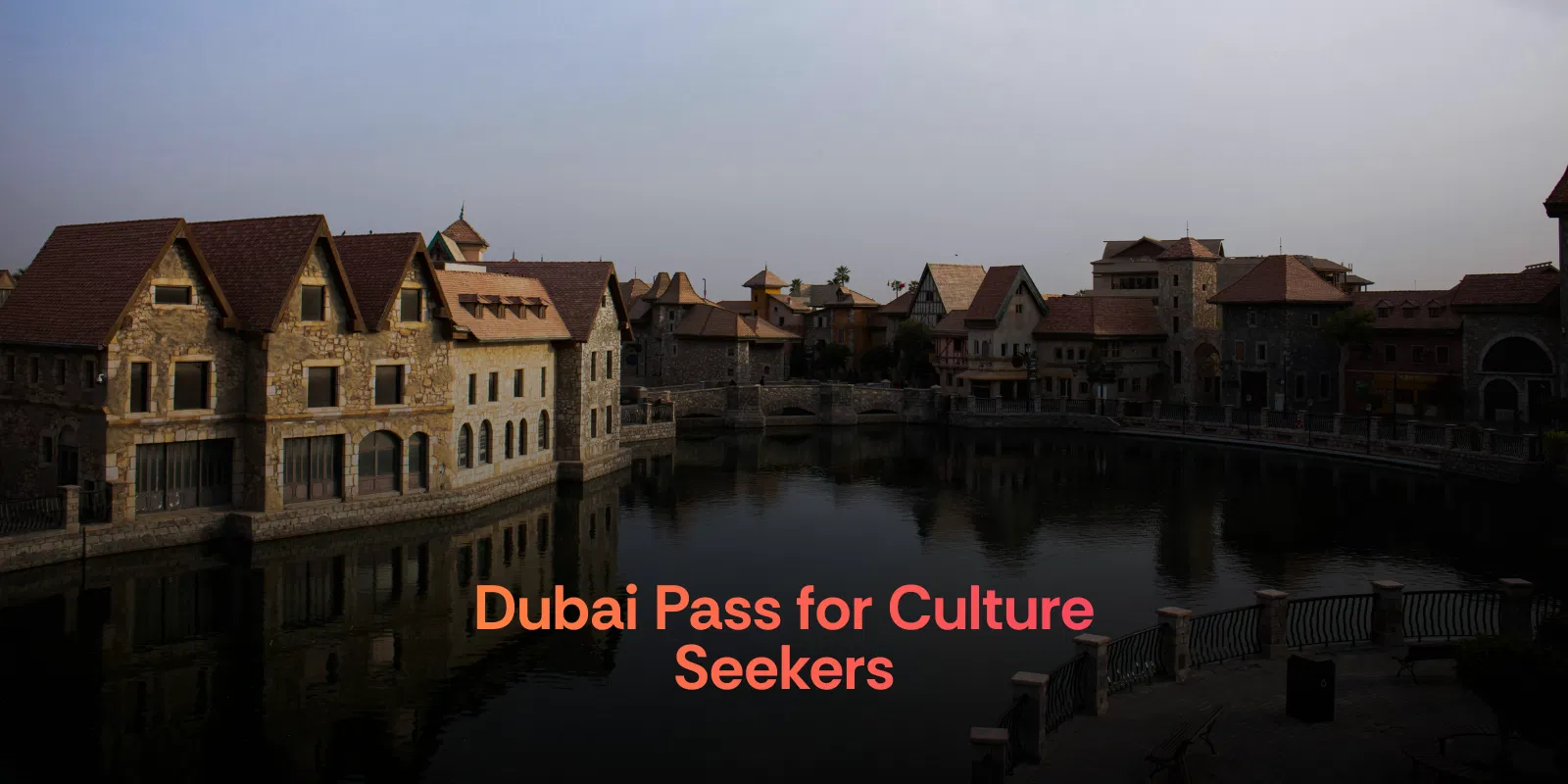
Dubai Pass for Culture Seekers: Museums, Traditions & Heritage Spots
Dubai is often introduced through glass towers and shiny shopping malls, but spend a little time slowing down, and you’ll notice something quieter beneath it all. There’s a deep sense of memory here — stories of pearl divers, traders, desert communities and mountain villages that still shape daily life. If you enjoy understanding a place before ticking off attractions, Dubai has far more to offer than most people expect.
This guide is for culture lovers who want to explore museums, heritage areas and traditional neighbourhoods without feeling rushed or overwhelmed. It’s also for travellers who appreciate planning smart — knowing where to go, when to go, and how to move around easily once you’re there. Somewhere along the way, we’ll also talk about a simple way many travellers are now using to access cultural attractions more smoothly, without standing in queues or juggling tickets.
Let’s start where Dubai’s story really begins.
Why visit Dubai for culture, not just modern sights?
Dubai’s past is not hidden away in dusty corners. It’s woven into everyday spaces — in old wind-tower houses, along narrow creek-side lanes, and in mountain villages that feel a world away from the city.
What makes Dubai interesting for culture seekers is the contrast. You can spend your morning walking through historical buildings in Dubai, listening to stories of merchants and sailors, then reach a contemporary museum or cultural centre in under an hour. Few cities let you move between centuries so easily.
Another thing experienced travellers notice is how accessible heritage is here. Sites are well preserved, clearly explained, and often interactive. You don’t need a history degree to enjoy them. You just need curiosity — and maybe comfortable shoes.
Understanding Dubai’s roots before exploring it
Before oil, Dubai survived on trade, fishing and pearling. The creek was the heart of the city, and communities were small, close-knit and practical. Houses were built to handle heat, wind and limited resources. Traditions grew around hospitality, faith and survival in a harsh environment.
This context matters when you walk through Dubai's historical sites today. Without it, they’re just old buildings. With it, they feel like lived-in spaces with stories that still matter.
A small tip seasoned travellers often share: start your cultural exploration early in your trip. It helps you understand everything else you see later — from food habits to social customs.
Must-visit heritage areas in Dubai cityAl Fahidi Historical Neighbourhood
- Al Fahidi Historical Neighbourhood
This is usually where cultural exploration begins, and for good reason. Al Fahidi offers a close look at life before air-conditioning and high-rises. Narrow lanes, coral-stone houses and wind towers create a calm, walkable area.
You’ll find small museums, art courtyards and cultural centres here. Take your time. Sit down for Arabic coffee if invited. Locals working in these spaces often enjoy explaining traditions if you show genuine interest.
- Dubai Museum and Al Fahidi Fort
Located near the creek, this is one of the easiest ways to understand Dubai’s transformation. The exhibits are simple, visual and well laid out, making them suitable even if history isn’t usually your thing.
It’s also one of the places where queues can build up during peak hours — something to keep in mind while planning your day.
- Heritage Village Dubai
Set near the creek, Heritage Village Dubai recreates traditional Emirati life through workshops, demonstrations and reconstructed homes. You’ll see pottery, weaving, metalwork and sometimes cultural performances.
What makes this place special is that it doesn’t feel staged. It’s designed to educate, not impress. Visit during quieter hours for better conversations with artisans.
Exploring culture beyond the city: Mountains and villages
- Hatta village Dubai, and its slower rhythm
Many visitors don’t realise how different Dubai feels once you leave the city behind. Hatta village Dubai sits in the Hajar Mountains and offers a look at rural Emirati life shaped by geography rather than trade.
Stone houses, falaj irrigation systems and old forts tell stories of mountain communities that lived very differently from coastal traders. The pace here is slower, the air is cooler, and the mood is noticeably calmer.
- Hatta Heritage Village Dubai
Restored carefully, Hatta Heritage Village Dubai is one of the best places to understand how people adapted to mountain conditions. Homes are compact, practical and built using local materials.
An experienced traveller’s note: try to combine Hatta with a weekday visit. Weekends can be busy, and the quieter atmosphere is part of what makes this place meaningful.
Museums that go beyond display cases
Dubai’s museums aren’t about standing silently and reading plaques. Many are designed to spark conversation and connection.
- Etihad Museum
This modern space focuses on the formation of the UAE. The design itself reflects unity and progress, but the content is personal — letters, photographs and recorded memories.
It’s especially helpful for international travellers who want context for modern Emirati identity.
- Coffee Museum and niche cultural spaces
Small museums scattered across old neighbourhoods explore specific traditions like coffee, calligraphy and perfume. These often go unnoticed, but they add depth to your understanding of daily life.
Because these places are smaller, entry is usually smooth. Still, having flexible access helps when you want to explore spontaneously.
How a Dubai tourist pass quietly fits into cultural travel
At some point in your trip, you’ll notice how many attractions require individual tickets, waiting lines or specific time slots. This is where many culture-focused travellers quietly opt for Alike’s Dubai Tourist Pass — not as a headline purchase, but as a practical choice.
Instead of planning each ticket separately, the pass allows access to a wide range of attractions through a single digital entry. That includes major landmarks as well as cultural and heritage experiences.
The key benefit for culture seekers isn’t savings alone (though that’s a plus). It’s flexibility. You can walk into a museum when curiosity strikes, rather than when a ticket slot allows. You can adjust plans if the weather changes or you discover a new area you want to spend more time in.
Most travellers activate the pass digitally and use it directly on their phone. No printing, no physical cards, and no juggling multiple bookings — which matters more than you think once you’re walking through old neighbourhoods or travelling to places like Hatta.
How cultural travellers actually plan days in Dubai
People who travel for culture tend to pace their days differently. Instead of rushing through five attractions, they might focus on two areas and leave room for conversation and observation.
A typical day might look like this:
- Morning walk through a historical district
- Late breakfast or coffee in a heritage courtyard
- Museum visit during mid-day heat
- Creek-side walk in the evening
Using a pass means you don’t feel pressure to “get your money’s worth” from each ticket. You move at your own rhythm.
Best time to explore heritage and history in Dubai
The cooler months from November to March are ideal for walking-heavy cultural exploration. Temperatures are comfortable, and outdoor heritage areas are far more enjoyable.
That said, summer travel isn’t impossible if you plan wisely. Visit outdoor sites early morning or late afternoon, and balance them with indoor museums during peak heat.
Alike tip: cultural sites are often quieter during prayer times or early weekdays. If you value calm over crowds, plan around that.
Getting around Dubai for heritage exploration
Dubai’s transport system is efficient, but cultural sites aren’t always next to metro stations. You’ll likely combine metro rides with short taxi trips.
For areas like Hatta, guided transfers or car rentals work best. If you’re using a pass, many attractions already factor in easy entry, reducing delays once you arrive.
Walking is essential in heritage areas, so choose footwear accordingly.
What to eat while exploring cultural Dubai
Food is part of heritage, and Dubai offers plenty of chances to explore traditional flavours.
Try Emirati dishes like Harees, machboos and luqaimat when you see them on menus. Small cafes near old neighbourhoods often serve simple, home-style versions.
Another experienced traveller tip: don’t rush meals. Cultural areas often hide the best conversations over coffee or tea.
A 3-day culture seeker special itinerary using the Dubai Tourist Pass
If you enjoy travelling at a thoughtful pace — absorbing stories, noticing details, and leaving space for surprise moments — this three-day plan works beautifully. It balances city heritage, museums, and mountain culture without feeling rushed. The idea is simple: fewer places each day, more meaning from each visit.
The Dubai Tourist Pass fits naturally here, allowing you to move between museums and heritage attractions without worrying about queues, ticket counters or last-minute changes.
Day 1: Old Dubai, creek stories and living history
Morning: Al Fahidi Historical NeighbourhoodStart early, before the lanes fill up. Walk slowly through Al Fahidi, noticing wind towers, shaded courtyards and restored homes. Pop into small museums or cultural centres that catch your interest rather than following a strict list.
This is a great place to ask questions. Staff and guides often enjoy explaining daily life from the past, especially if you show genuine curiosity.
Late morning: Dubai Museum and Al Fahidi FortHead towards the fort to understand Dubai’s early days — fishing, trading and pearl diving. The exhibits are visual and easy to follow, making it a good grounding for the rest of your trip.
Using the pass here saves time during busy hours, which helps you keep the morning relaxed.
Afternoon: Heritage Village DubaiAfter lunch, make your way to heritage village dubai. Watch artisans at work, explore reconstructed homes, and take a moment to sit by the creek. This is not a place to rush. Let the atmosphere sink in.
Evening: Creek-side walkEnd the day with a quiet walk along the Dubai Creek. Watch abras cross the water and notice how old and new Dubai exist side by side. Skip packed dinner spots and choose something simple nearby.
Alike Tip: Don’t overload your first day. Cultural understanding builds best when you give yourself breathing room.
Day 2: Museums, historical buildings and modern identity
Morning: Etihad MuseumBegin with the Etihad Museum to understand how the UAE came together as a nation. The storytelling here adds context to everything else you’ll see in Dubai — from architecture to social customs.
Late morning: Jumeirah historical areaSpend time exploring nearby historical buildings in dubai, especially traditional houses and mosques. Even if you don’t enter every site, observing design details tells you a lot about climate, faith and daily life.
Afternoon: Niche museums in old neighbourhoodsHead back towards older districts and explore smaller museums — coffee, perfume or calligraphy, depending on interest. These often become favourite memories because they feel personal and unpolished.
Evening: Cultural dinner experienceChoose a restaurant that focuses on Emirati or regional flavours. Take your time with the meal. Food is part of culture, and dinner conversations often reveal more than museum panels.
Day 3: Mountains, villages and a different side of Dubai
Early morning: Travel to HattaStart early for the drive to the mountains. The scenery changes quickly, and the pace of life slows down almost immediately.
Mid-morning: Hatta Heritage Village, DubaiExplore Hatta Heritage Village, Dubai, at a relaxed pace. Walk through stone houses, learn about falaj irrigation systems, and imagine daily life shaped by terrain rather than trade.
This visit offers a strong contrast to coastal Dubai and helps complete the cultural picture.
Afternoon: Hatta village, dubai surroundingsSpend time around Hatta village, dubai, observing how modern life blends with tradition. Even simple moments — local shops, mountain views, quiet roads — add depth to your understanding.
Return to the city: Reflection eveningHead back to Dubai city by evening. Keep your last night light — perhaps a café visit or a slow walk. Cultural travel often settles in after the experience, not during it.
Alike Tip: Many people try to combine adventure activities with Hatta. If culture is your focus, resist that urge and let the village speak for itself.
Why this itinerary works well with a tourist pass
This itinerary doesn’t rely on rigid timings. That’s exactly why a digital, all-in-one Dubai Tourist Pass works here. You’re free to enter museums when curiosity strikes, skip places you’re not feeling, and adjust plans without stress.
You’re also protected from long queues during peak hours, which keeps the experience calm and enjoyable — something culture seekers value far more than rushing between attractions.
Why culture seekers appreciate an all-in-one pass
Cultural travel isn’t about rushing or collecting experiences. It’s about understanding. An integrated pass supports that mindset by removing friction — no queues, no repeated payments, no paperwork.
With digital access, curated attractions and flexibility, many travellers now see the pass as part of their planning rather than a separate purchase. It simply makes cultural exploration smoother.
Details, inclusions and availability can vary, so always check what’s current when booking.
Dubai rewards travellers who slow down. Its history isn’t loud, but it’s present — in restored homes, mountain villages, museums and everyday customs.
If you approach the city with curiosity rather than expectations, and plan in a way that keeps your days flexible, Dubai becomes far more than a modern skyline. It becomes a place of layered stories, shaped by people who adapted, traded and built long before the world noticed.
Frequently asked questions
What is the best time to visit Dubai for heritage exploration?
What is the best time to visit Dubai for heritage exploration?
Are Dubai’s historical sites suitable for families?
Are Dubai’s historical sites suitable for families?
Is it easy to visit Hatta from Dubai?
Is it easy to visit Hatta from Dubai?
Do I need bookings for museums?
Do I need bookings for museums?
What should I wear when visiting heritage areas?
What should I wear when visiting heritage areas?