Bet, You Didn’t Know About These 9 Things About Holi.
“Bura na maano, Holi hai!” (Don’t take offence, it’s Holi!)As Holi 2026 approaches, the excitement is palpable across India. Soon, the streets will be drenched in a riot of colours, laughter will echo through every corner, and the aroma of Gujiya and Thandai will fill the air. But beyond the energetic hues and playful chaos, Holi is deeply rooted in tradition, mythology, and customs. If you’re a traveller looking to experience Holi beyond the usual touristy spots, this guide will unveil stories, destinations, and safety tips that most people don’t discuss.
Things You Didn’t Know About Holi
Holi has many hidden aspects that even regular participants may not be aware of.
1. Holi Lasts More Than Just a Day
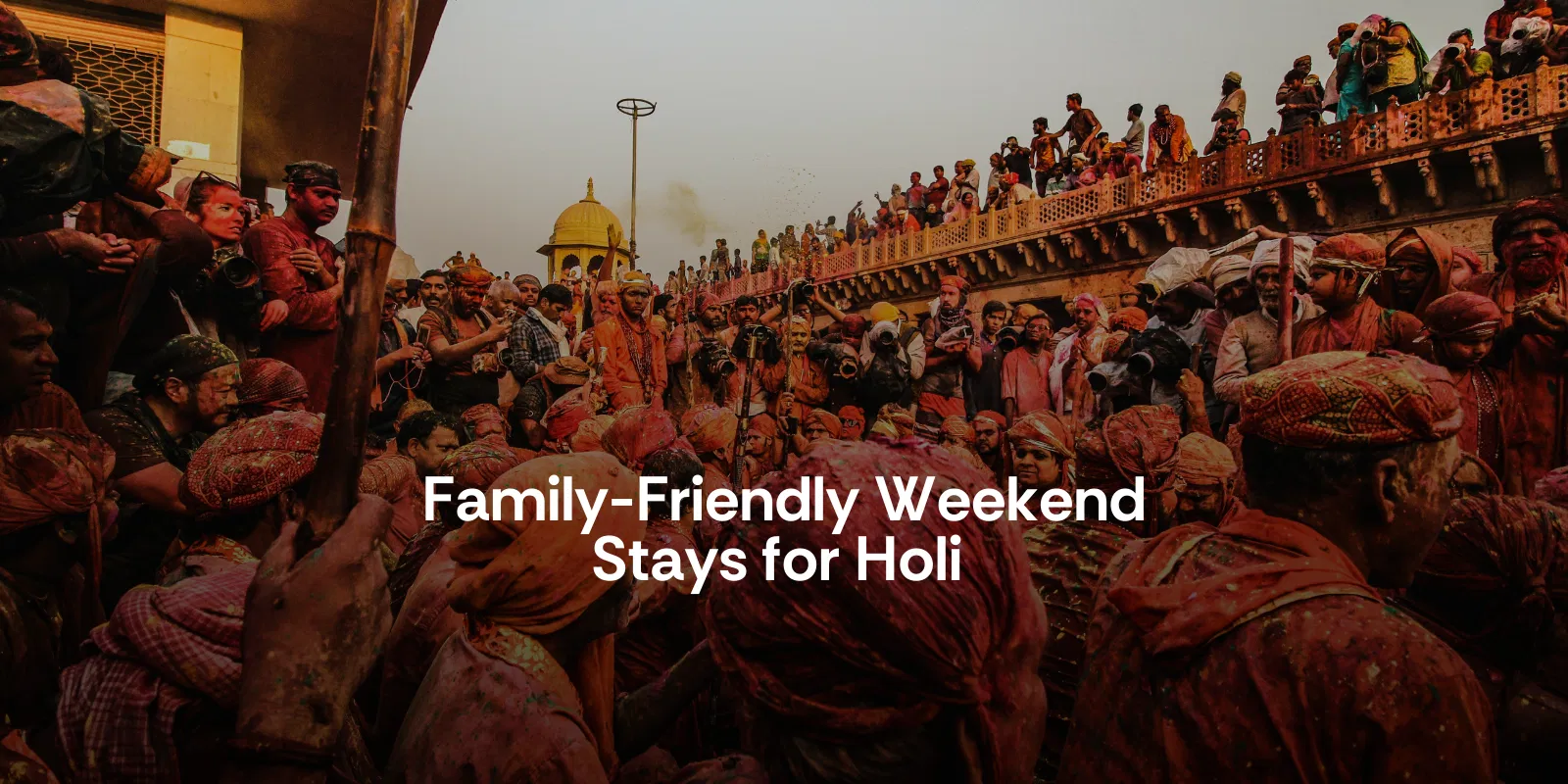
While most people associate Holi with a single day of playing with colours, the celebrations in some parts of India last over a week! In Barsana and Nandgaon, Holi kicks off days in advance with Lathmar Holi, where women playfully hit men with sticks, re-enacting the playful teasing between Lord Krishna and Radha. Meanwhile, Holi is celebrated as Basanta Utsav in Shantiniketan, West Bengal, with cultural performances, poetry recitals, and folk dances.
2. Holi’s Colours Were Originally Medicinal
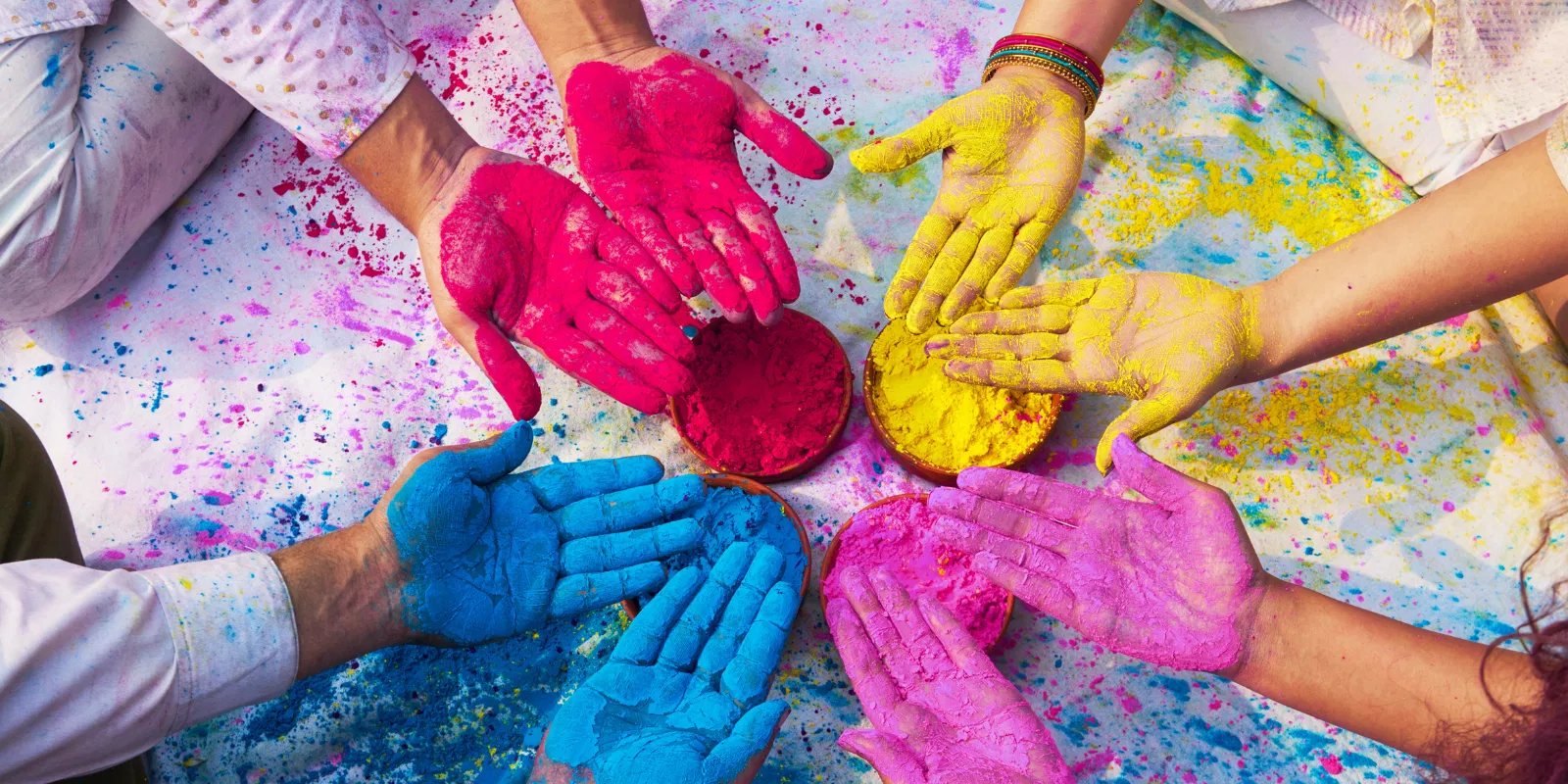
In ancient India, natural colours from flowers, herbs, and spices were used for Holi celebrations. Red came from hibiscus, yellow from turmeric, and green from neem leaves—each carrying Ayurvedic benefits for the skin. Over time, chemical-based colours have replaced these, but organic colours are returning to places like Vrindavan and Jaipur.
Jaipur, known for its vibrant Holi celebrations, is embracing this eco-friendly revival, with markets offering natural colors made from flowers and herbs.
3. There’s a Warrior Version of Holi
Did you know that Sikhs celebrate Hola Mohalla instead of Holi? This tradition, started by Guru Gobind Singh, is not about throwing colours but showcasing martial arts, sword fighting, and horse riding. Held in Anandpur Sahib, Punjab, this festival is a stunning display of bravery and valour.
4. In South India, Holi is Celebrated Differently
While North India is known for its grand Holi celebrations, South India's festival is quieter and more spiritual. Holi is called Manjal Kuli in Kerala, and turmeric water is used instead of powdered colours. In Tamil Nadu, people honour Kamadeva, the God of Love, by offering sandalwood and flowers, making it a more meditative and ritualistic celebration.
5. Holi is Not Just About Colours—It’s About Fire Too
The night before Holi, Holika Dahan (by burning stacks of wood) is performed in many parts of India, symbolising the burning away of evil. But did you know that in Goa, this fire ritual merges with the local Shigmotsav festival, which includes elaborate parades and folk dances?
6. Some Places Play Holi With Flowers, Not Colours
6. Some Places Play Holi With Flowers, Not Colours
In Vrindavan’s Banke Bihari Temple, Holi is played with flower petals, creating a divine and visually stunning experience known as Phoolon ki Holi. This tradition is said to be inspired by Lord Krishna, who loved showering Radha with flowers.
7. Holi Goes Beyond India
While Holi is an Indian festival, it is also celebrated in Nepal, Mauritius, Fiji, Trinidad, and even the UK and USA, where large Indian communities have kept the tradition alive. In Nepal, the festival is marked by traditional rituals and color play, much like in India. The Caribbean nations of Trinidad and Tobago, Guyana, and Suriname celebrate Holi as Phagwah, blending Indian traditions with local customs, including singing Chowtal songs. Holi is a significant cultural event in Mauritius and Fiji featuring traditional music, dance, and colorful festivities.
In the UK and USA, cities with large Indian populations host grand Holi events, attracting people from all backgrounds. These celebrations often include color runs, music concerts, and dance performances, promoting unity and joy. Globally, Holi symbolises love, the triumph of good over evil, and community spirit, showcasing its universal appeal and adaptability to diverse cultural landscapes.
With an ESIM, you can stay connected with your loved ones in Nepal, Mauritius, Fiji, Trinidad, the United Kingdom, or the United States of America.
8. Imagine Holi, but without Colours!
Holi, known for its vibrant colors, also encompasses unique musical traditions such as Mahila Sangeet and Men's Sangeet, which are celebrated separately and together a week before Holi. These events, synchronised with the Hindu calendar, involve singing, dancing, and community bonding, adding a rhythmic prelude to the main festival.
In certain villages of Uttarakhand, Holi takes on a distinct musical form known as Baithaki Holi. Unlike the typical color play, Baithaki Holi is a "sitting Holi" where people gather in homes or community spaces to celebrate through music. Participants sing classical ragas, traditional folk songs, and bhajans (devotional songs), immersing themselves in a serene and spiritual ambiance. This unique tradition highlights Holi’s cultural diversity, showcasing how different regions infuse local customs into this universal festival of joy and unity.
9. The Cultural Significance of Holi – More Than Just Colours
Holi isn’t just about throwing coloured powders; it is a festival deeply intertwined with mythology and spirituality. But why is the Holi festival celebrated? Most people know about the legend of Prahlad and Holika, where good triumphed over evil. However, in different parts of India, Holi has unique cultural narratives. In Maharashtra, for instance, Holi is celebrated by making Puran Poli, a special sweet flatbread prepared for the occasion. Meanwhile, the festival is incomplete in Bihar without the lively folk songs sung in Bhojpuri, a tradition passed down for generations.
In Bengal, Holi transforms into Dol Jatra, where idols of Radha and Krishna are placed on swings, and people play with flowers instead of coloured powder. In Punjab, the warrior festival Hola Mohalla is celebrated by Sikhs, where martial arts, horse-riding, and mock battles take centre stage. These lesser-known traditions make Holi a festival of immense cultural diversity.
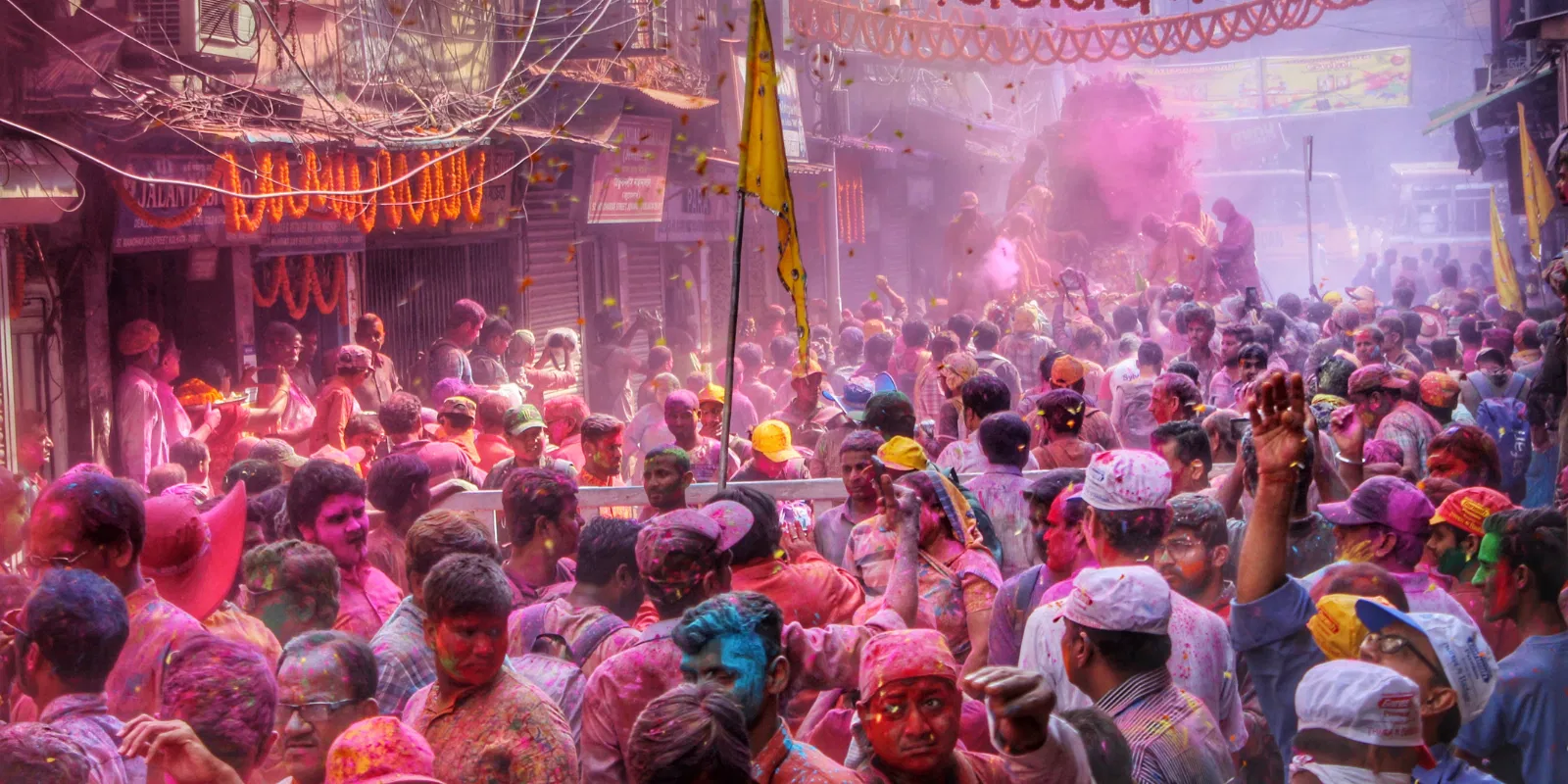
Holi in Pushkar is one of the wildest experiences, where thousands of travellers gather to dance to Bollywood beats while being drenched in colours. If you're looking for a more elegant celebration, Holi in Jaipur offers a royal experience at the City Palace, where Holi is played with flowers, accompanied by traditional folk performances. For a unique and intense experience, Holi in Mathura showcases Lathmar Holi in Barsana, where women playfully hit men with sticks, re-enacting an age-old mythological tale.
Holi 2026: When & Where to Celebrate the Festival of Colours?
If you're wondering when Holi falls and on which date in 2025, mark your calendar! The holiday will be celebrated on March 4, 2026, with Holika Dahan taking place on March 3. While Mathura and Vrindavan are famous for their grand festivities, why not explore lesser-known Holi celebrations across India?
The Secrets of Holi Cuisine
No Holi celebration is complete without indulging in its special delicacies. Most people associate Holi with Gujiya, the sweet, deep-fried dumpling filled with khoya and dry fruits. However, different regions have their Holi-specific treats. In Uttar Pradesh, Malpua, a syrupy pancake, is a must-have. Rajasthan brings Mohanthal, a rich gram flour sweet, while Punjab serves up Pinni, an energy-packed sweet made of wheat flour and ghee.
In Bihar and Uttar Pradesh, people enjoy Malpua, a syrup-soaked pancake. In Rajasthan, Mohanthal is a must-have, while Punjab’s Pinni provides an energy boost. And of course, no Holi celebration is complete without Thandai, often infused with Bhang—but beware, this potent drink can be intense, so if you're a first-timer, go slow!
While Bhang can be fun, it's essential to know your limits. If consumed in excess, it can cause dizziness or nausea. Always stay hydrated and have trusted friends around. In rural villages, Holi feasts include spicy chaat, pakoras, and refreshing sugarcane juice.
Eco-Friendly Holi Celebration Ideas
As Holi celebrations grow bigger each year, so does their environmental impact. Many people now opt for Phoolon ki Holi, where flower petals replace synthetic colours, making it a more skin-friendly and biodegradable alternative. In Vrindavan, the Banke Bihari Temple celebrates Holi with flowers, a visually stunning experience that respects nature.
NGOs and eco-conscious groups promote organic Holi colours from herbs and natural extracts. If you're celebrating at home, you can make your colours using beetroot for red, turmeric for yellow, and dried leaves for green.
While Holi is a joyous festival, it can sometimes get unruly. One of the biggest concerns is synthetic colours, which can cause allergic reactions. Before stepping out, apply coconut oil or mustard oil on your skin and hair to create a protective barrier. Wearing full-sleeved clothing will also help prevent colour stains from lingering too long.