Halal Food in Singapore: Complete Guide for Muslim Travellers from India (2026)
Singapore is one of the most halal-friendly cities in the world. With a Muslim population of roughly 15 per cent, a government-backed halal certification system, and food culture that has always included South Asian, Malay, and Middle Eastern flavours side by side, halal food in Singapore is genuinely easy to find in every part of the city, and for Indian travellers, the Singapore Tourist Pass from Alike makes exploring the city's 40+ attractions significantly more affordable.
In Singapore, the default is confidence, not caution, the halal infrastructure is that good. From a full Hyderabadi biryani in Little India to a certified halal French croissant in Tanjong Pagar, the Singapore halal dining guide for 2026 is more exciting than ever.
Whether you are visiting for five days or planning a longer trip, how halal certification works in Singapore, where to eat by area, what dishes to try, and how to plan your trip without any last-minute stress.
Quick facts about Singapore
| Detail | Information |
|---|---|
| Currency | Singapore Dollar (SGD). 1 SGD ≈ INR 75-76 (May 2026, check a live converter before travel as rates change) |
| Language | English, Mandarin, Malay, Tamil |
| Airport | Changi Airport (SIN) |
| Best time to visit | February to April (dry, pleasant weather) |
| Halal certification body | Majlis Ugama Islam Singapura (MUIS) |
| Muslim population | ~15% of residents; halal dining widely available |
| Getting around | MRT, bus, Grab (ride-hailing) |
| Distance from major Indian cities | ~5.5 hrs from Mumbai, ~6 hrs from Delhi |
Planning your trip from India? Explore Singapore Holiday Packages
How halal certification works in Singapore
Singapore's halal certification is run by MUIS (Majlis Ugama Islam Singapura) : the Islamic Religious Council of Singapore. This is the official government-backed body, and its certification is one of the most rigorous in Asia. Any restaurant, food stall, or food manufacturer displaying the official MUIS halal logo has been audited for ingredients, preparation methods, and kitchen separation from non-halal items.
For Indian Muslim travellers, this matters because the standard is not self-declared. A MUIS-certified establishment has gone through a formal application, inspection, and annual renewal process. When you see the green MUIS logo at a hawker stall or restaurant, you can eat with complete confidence.
How to verify: The MUIS website maintains a live, searchable directory of all certified establishments at muis.gov.sg/halal. You can search by restaurant name, area, or food type before you visit. The Halal SG app (available on iOS and Android) also lets you search on the go.
Alike Tip: Not every stall in a hawker centre is halal-certified, even if the centre itself has halal stalls. Look for the MUIS logo on the stall board itself, not just the centre signage. When in doubt, the MUIS live directory is your most reliable check.
Read this guide on Food in Singapore: From Hawker Bites to Luxe Dining for Food Lovers
Arab Street and Kampong Glam: the heartland of halal dining
If you visit only one neighbourhood specifically for halal food in Singapore, make it Kampong Glam. This is the historic Malay and Arab Muslim quarter of the city, centred around Bussorah Street, Arab Street, and North Bridge Road. It is compact, walkable, and packed with certified halal restaurants, cafes, and street food.
The area is anchored by the Sultan Mosque (Masjid Sultan), built in 1824 and the largest mosque in Singapore. The streets around it are lined with restaurants that have served the Muslim community here for generations.
What to eat here: Murtabak (a stuffed flatbread with egg, meat, and onion), nasi padang (Malay mixed rice), satay, roti prata, and dum biryani. Zam Zam Restaurant on North Bridge Road has been serving murtabak since 1908 and is considered one of the original halal dining institutions in the city.
Alike Tip: At Zam Zam, the mutton murtabak is the order to get. They do a chicken version too but the mutton is what the regulars come for. Arrive before 12.30pm on weekdays to avoid the lunch queue that stretches onto the pavement by 1pm.
Little India: where Indian Muslim flavours feel like home
For Indian Muslim travellers, Little India (accessible via Little India MRT) offers the closest thing to eating at home. The streets around Serangoon Road, Dunlop Street, and Buffalo Road have a strong concentration of halal restaurants for Indian Muslims in Singapore serving South Indian Muslim cuisine, biryani, and street food with familiar spice profiles.
Bismillah Biryani Restaurant on Dunlop Street is worth a dedicated trip. It holds nine Michelin Bib Gourmand awards, making it one of Singapore's most decorated biryani specialists. The biryani here draws on North Indian Muslim cooking traditions and attracts a genuinely mixed local crowd at lunchtime and attracts a genuinely mixed local crowd at lunchtime. The queues are real and entirely deserved.
The area is also good for budget eating. Many of the coffee shops (kopitiams) in Little India have halal-certified stalls selling roti canai, dhal curry, mee goreng, and teh tarik alongside Chinese and Indian vegetarian options. The Indian Muslim food here shares its roots with Tamil Nadu and Kerala coastal cooking, which means the flavours will feel familiar to travellers from South India in particular.
Alike Tip: On Serangoon Road, keep an eye out for the small biryani stalls that set up from around 11am and often sell out by 2pm. These are not listed on Google Maps but the queues of construction workers and office staff are the tell. Follow the queue, not the app.
Hawker centres with strong halal food options
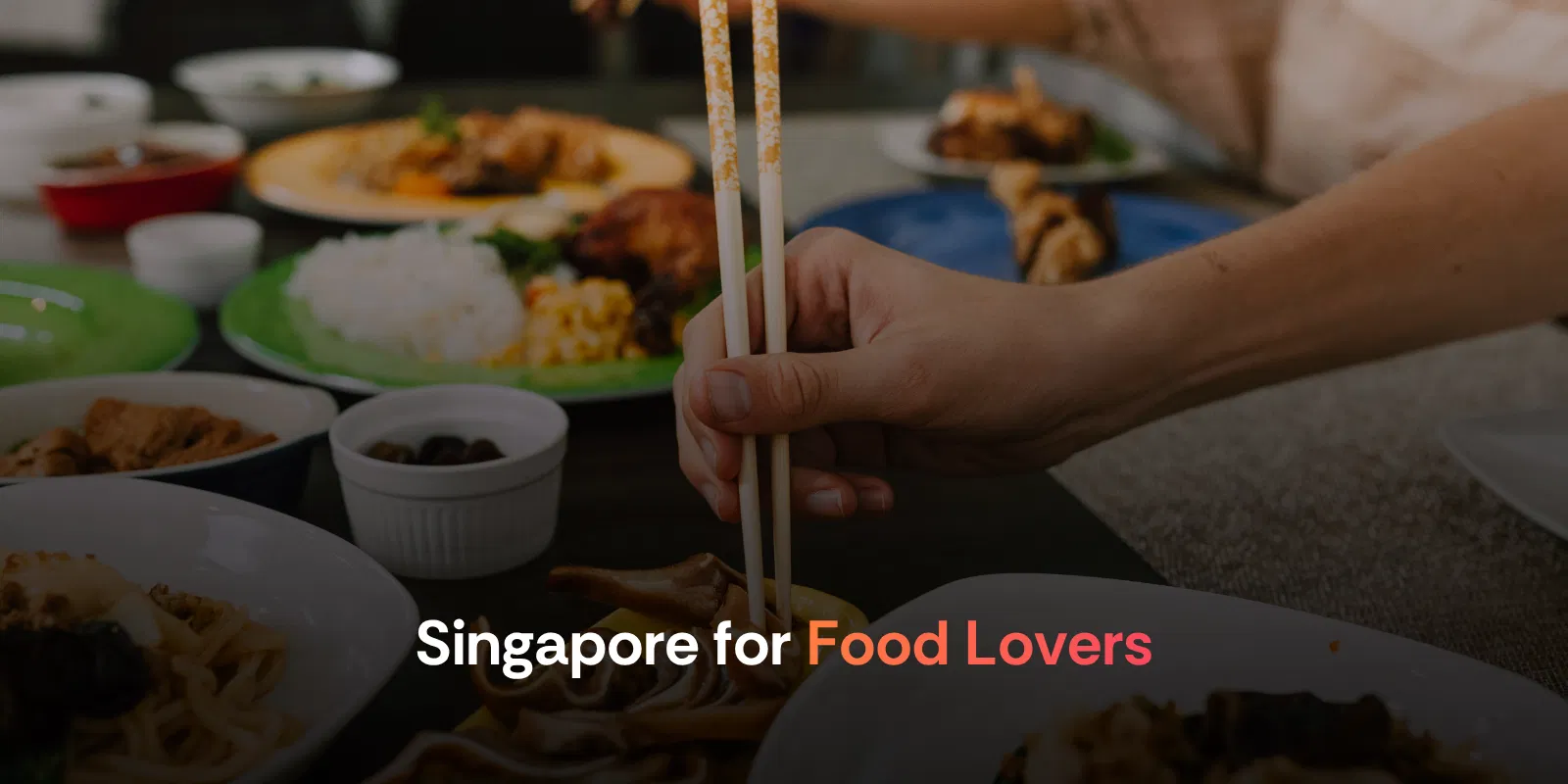
Singapore's hawker centres are the heart of the city's food culture, and several have a high concentration of certified halal food options in Singapore. Eating at a hawker centre is an experience in itself, and several are worth visiting specifically for halal dining:
- Geylang Serai Market and Food Centre (Paya Lebar area) - located in the heart of Singapore's Malay residential quarter, this is one of the best halal hawker centres in the city. Almost every stall is halal-certified. Try the nasi lemak, laksa, and kueh (traditional Malay sweets).
- Golden Mile Food Centre (Beach Road) - popular with the Malay community and has a good mix of Indian Muslim and Malay stalls. The mee rebus and beef rendang here are highly rated.
- Zion Road Riverside Food Centre - smaller and less touristy, with several halal-certified stalls. Good for evening eating after a walk along the Singapore River.
- Newton Food Centre - a well-known food centre with a mix of halal and non-halal stalls. Always check the stall board for the MUIS logo before ordering.
Alike Tip: At mixed hawker centres (halal and non-halal stalls side by side), it is perfectly normal to order from a halal stall and bring your food to any shared table. The seating is communal. You do not need to sit only at the halal stall's designated tables unless the stall has its own separate seating area.
Top halal restaurants in Singapore by area: a quick reference
Here is a practical overview of some of the best halal restaurants Singapore has to offer for Indian Muslim travellers, organised by area. For current MUIS certification status and opening hours, always verify at muis.gov.sg/halal before visiting.
| Restaurant | Area | Specialty | Good to Know |
|---|---|---|---|
| Islamic Restaurant | Arab Street | Murtabak, biryani | One of Singapore's oldest halal eateries |
| Zam Zam Restaurant | Arab Street | Murtabak, roti prata | A landmark since 1908 , iconic for Indian Muslims |
| Hjh Maimunah Restaurant | Jalan Pisang | Nasi Padang | Multiple MUIS certifications, loved by locals |
| Bismillah Biryani Restaurant | Dunlop Street, Little India | Hyderabadi-style biryani | Strong Indian Muslim following; long queues at lunch, 9x Michelin Bib Gourmand |
| Warong Nasi Pariaman | North Bridge Road | Nasi Padang | Old-school Minangkabau flavours, cash only |
| Curry Times | Multiple outlets | South Indian curries, roti | Halal-certified, great for Tamil-speaking visitors |
| Mad About Sucre | Tanjong Pagar | Halal French pastries | Muslim-owned, no pork or lard |
Note: Restaurant details and MUIS certification status verified as of May 2026. Always check current certification at muis.gov.sg/halal and opening hours directly with each venue before visiting.
Visiting five top Singapore attractions individually costs approximately SGD 180 to 220 per adult; the Singapore Tourist Pass bundles the same attractions for up to 50% less, with savings increasing as you add more.
What to eat: halal dishes every Indian visitor should try in Singapore
The food overlap between South Indian Muslim, Tamil, Malay, and Indonesian cooking means you will find familiar flavours in new combinations. Here are the dishes to seek out:
- Nasi Lemak: Fragrant rice cooked in coconut milk, served with fried chicken, egg, sambal, and anchovies. A national dish of sorts and widely available halal-certified at hawker centres and restaurants.
- Murtabak: A stuffed flatbread with egg, minced meat, and onion. Common at Arab Street restaurants. Closer to the malabar parotta experience than a plain roti.
- Biryani (Nasi Briyani): Singapore's biryani is influenced by both Hyderabadi and South Indian Muslim traditions. Richer, spicier, and often served with a short ribs or whole chicken piece.
- Laksa: A spicy coconut milk noodle soup. The halal version (available at several hawker centres) uses chicken or prawn. If you are from coastal South India, the coconut-spice profile will feel like home.
- Mee Goreng: Stir-fried yellow noodles with egg, tofu, potato, and a tomato-chilli sauce. An Indian Muslim classic that arrived in Singapore with Tamil and Javanese Muslim communities.
- Beef Rendang: A dry coconut milk curry slow-cooked with lemongrass, galangal, and chillis. Found at Malay and Indonesian halal restaurants across the city.
- Teh Tarik: Pulled sweet tea with condensed milk. Served at most halal kopitiams and coffee shops. If you drink chai at home, you will love this.
- Kueh: Traditional Malay and Peranakan sweets made from rice flour, pandan, coconut, and palm sugar. Most kueh at Malay stalls is naturally halal-friendly , but check for any egg-based varieties if you have specific requirements.
Know how to travel to Singapore with Kids in April
Geylang: the neighbourhood most guides underestimate
Geylang has a complex reputation but it is also one of the most interesting and Muslim-friendly areas in Singapore for food. The stretch between Geylang Road and Sims Avenue is home to some of the city's best durian stalls (halal by nature), Malay seafood restaurants, and late-night halal eating spots that stay open until 2 or 3am.
For Indian Muslim travellers who want to eat well late at night, after Tarawih prayers during Ramadan, for instance, or just after a long day, Geylang is where most of the city's best late-night halal options cluster. The area runs late, with halal restaurants staying open past midnight on most nights.
During Ramadan (dates vary annually, check the Islamic calendar for 2026/2027), the Geylang Serai Ramadan Bazaar is one of the most atmospheric food markets in Southeast Asia. Hundreds of stalls set up from late afternoon, selling everything from traditional Malay dishes to contemporary halal fusion food. It is genuinely worth timing a Singapore trip around this event if you can.
Alike Tip: Geylang's best-kept food secret is the stretch of Malay seafood restaurants on Geylang Road itself, particularly between Lorong 9 and Lorong 23. These are family-run, MUIS-certified, and significantly cheaper than the tourist-facing seafood restaurants near Clarke Quay. The chilli crab here rivals anything you will eat in the city centre.
Halal dining at Orchard Road and Singapore's shopping malls
One of the most useful things to know about where to find halal food in Singapore is that the major shopping malls have at least a handful of certified halal options in their food courts and restaurant floors. This is particularly helpful when you are on Orchard Road for shopping and need a meal without having to navigate to a specific neighbourhood.
Most Food Republic, Kopitiam, and Foodfare food court outlets inside major malls have dedicated halal-certified sections, clearly marked. ION Orchard, Plaza Singapura, and Bugis Junction are reliable options with good halal food court coverage.
Higher up the spending scale, several restaurants across the city's hotel dining scene are also halal-certified. For Indian Muslim travellers in particular, the certified Indian restaurants inside hotels , serving Mughlai, North Indian, and South Indian cuisines , are worth knowing about for special occasion meals.
Eating halal near Marina Bay and the city centre
The Marina Bay area is Singapore's showpiece district, home to Gardens by the Bay, Marina Bay Sands, and the central business district. Halal dining options here are not as dense as Arab Street or Little India, but they exist and are worth knowing. Muslim-friendly restaurants near Marina Bay include several certified options at Marina Bay Sands' The Shoppes. Rasapura Masters food hall within Marina Bay Sands has multiple MUIS-certified stalls and is a practical option for halal dining in the area. For the most current verified options, check the Halal SG app or the MUIS directory before visiting.
For more budget-friendly eating near the city centre, Lau Pa Sat Festival Market (Raffles Quay) has halal-certified stalls inside its iconic cast-iron Victorian pavilion. The satay stalls that set up on Boon Tat Street outside the market from early evening are halal-certified and a genuine Singapore experience.
Alike Tip: The outdoor satay stalls at Lau Pa Sat get very busy from 7pm on weekdays. If you want to eat there without queuing, arrive at 6pm or after 9pm. Ordering in advance at the stall and finding a table while they cook is standard practice , the stall will wave you over when your order is ready.
Not sure how to plan your halal dining itinerary around Singapore's attractions? Plan with Eia, Alike's AI trip planner , tell Eia your travel dates, preferences, and budget, and it will build a day-by-day Singapore itinerary with halal dining recommendations built in. Book through Alike and get a 10% discount on your Singapore Tourist Pass.
Practical tips for Muslim travellers: what experienced travellers know
- Prayer facilities: Singapore is well set up for prayer times. Major shopping malls have surau (prayer rooms), and the city has 70+ mosques. The Masjid Sultan in Kampong Glam, Masjid Al-Amin in Bedok, and Masjid Assyafaah in Sembawang are among the largest. The Muslim Pro app (widely used by the Singapore Muslim community) gives accurate prayer times and nearest mosque locator.
- Ramadan timing: If your trip overlaps with Ramadan, restaurant hours shift , many halal restaurants open later for iftar. The Geylang Serai Ramadan Bazaar is an unmissable food event. Hotels catering to Muslim guests often offer suhoor room service or early breakfast options.
- Alcohol in restaurants: MUIS-certified restaurants do not serve alcohol. Some non-halal restaurants and bars adjacent to halal-certified establishments may serve alcohol at nearby tables. If this matters to you, stick to MUIS-certified dining rooms.
- Dress code: Singapore is a relaxed, multicultural city. Modest dress is not required outside mosques, but you will need to cover your head and shoulders to enter any mosque. Lightweight scarves and sleeves pack easily in Singapore's heat.
- Tipping: Singapore restaurants typically add a 10% service charge and 9% GST to your bill. Tipping on top of this is not customary or expected.
- Language: English is Singapore's primary working language and all signage, menus, and transport is in English. Tamil is one of the four official languages and you will find Tamil-language signage in Little India. Hindi is widely understood in tourist areas.
Alike Tip: If you are buying food to take back to your hotel (from a supermarket or convenience store), look for the MUIS halal logo on packaged food. NTUC FairPrice and Cold Storage supermarkets both have dedicated halal sections. Popular halal-certified snacks include Old Chang Kee curry puffs, Bengawan Solo pandan cakes, and Julie's biscuits.
A 3-day halal food trail through Singapore
Here is a structured day-by-day food itinerary for Muslim travellers from India who want to eat well across the city:
Day 1: Arab Street and Kampong Glam
- Morning: Roti prata and teh tarik at a certified kopitiam near Bugis MRT
- Lunch: Murtabak at Zam Zam Restaurant (North Bridge Road)
- Afternoon: Explore the Sultan Mosque and Bussorah Street
- Evening: Nasi Padang dinner at Hjh Maimunah Restaurant (Jalan Pisang)
Day 2: Little India and Geylang
- Morning: South Indian Muslim breakfast (idli, sambar, dosa) at a certified coffee shop on Serangoon Road
- Lunch: Biryani at Bismillah Biryani Restaurant (Dunlop Street), arrive by 12pm.
- Afternoon: Mustafa Centre for halal-certified Indian groceries and snacks
- Evening: Geylang Serai Market for nasi lemak, satay, and Malay sweets
Day 3: Marina Bay, Lau Pa Sat, and Orchard Road
- Morning: Halal breakfast at your hotel or a certified kopitiam
- Lunch: Halal food court at ION Orchard or Plaza Singapura
- Afternoon: Visit Gardens by the Bay (check
- Evening: Halal satay at Lau Pa Sat outdoor stalls (arrive 6pm for good seats)
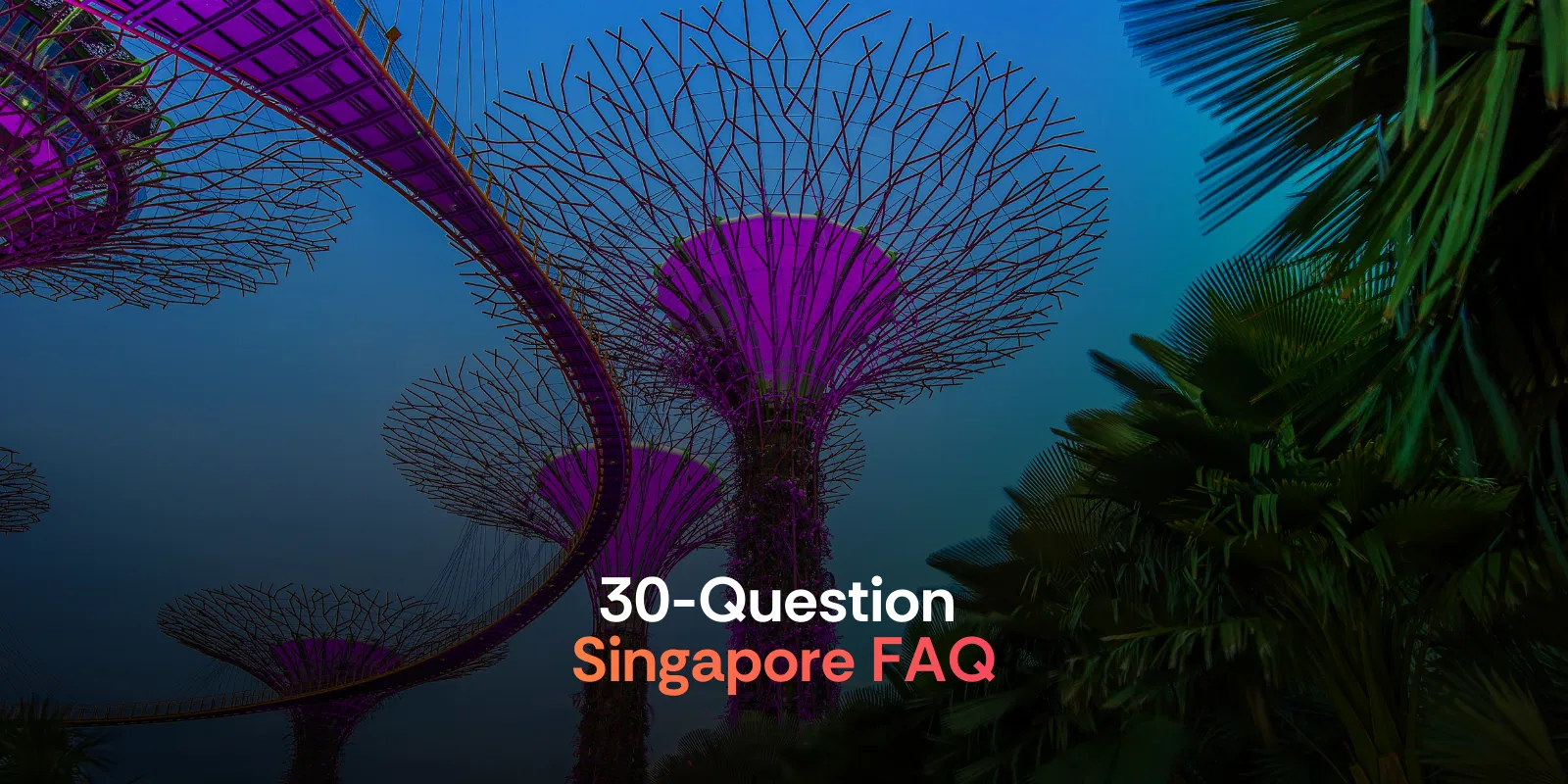
Visit Gardens by the Bay, Universal Studios, and more alongside your food trail. Build your Singapore Tourist Pass. You can choose from pre-curated Bestseller Bundles or build your own pass from 40+ attractions, with savings that grow as you add more.
Is Singapore safe and welcoming for Muslim travellers from India?
Yes, and the answer is straightforward. Singapore is a multicultural society where Islam is one of the four main religions. The Malay Muslim community has been part of the city's fabric since before Singapore was a British colony, and the government actively maintains religious harmony through legislation and community policy.
Indian Muslim travellers will find themselves in a city where halal food is everywhere, prayer facilities are maintained to a high standard, and there is no social stigma around Muslim identity or practice. The city is also exceptionally safe by any measure, with very low crime rates and a well-maintained public transport system.
For women travelling alone or in small groups, Singapore is one of the safest cities in Asia. The MRT runs cleanly and reliably until after midnight, Grab (the local ride-hailing platform equivalent to Ola) is widely used and safe, and the Singapore halal travel guide for Indian travellers is genuinely one of ease rather than effort.
Singapore is not difficult for Muslim travellers. It rewards the ones who explore.
The best version of your halal food Singapore complete guide for Muslim travellers experience is not the one where you play it safe and eat at the same familiar Indian restaurant every night. It is the one where you walk down Bussorah Street at 8pm and let the smells guide you, where you queue at a hawker stall because the aunty at the next table pointed you towards it, where you discover that Singapore's mee goreng shares its DNA with a dish your grandmother made.
The halal certification system here is excellent. The food is genuinely world-class. And for Indian Muslim travellers from South India in particular, the Tamil and South Indian Muslim culinary thread running through Singapore's food culture means you will find flavours that feel like home in a city that is very much its own place.
Start your planning with Singapore Holiday Packages built for Indian travellers, get your Singapore Tourist Pass by Alike for attraction savings up to 50%, and let Eia, Alike's AI trip planner, build a day-by-day itinerary with halal dining and top attractions woven together.
Frequently Asked Questions (FAQ)
Is halal food easy to find in Singapore?
Is halal food easy to find in Singapore?
What is the best time to visit Singapore for a Muslim traveller from India?
What is the best time to visit Singapore for a Muslim traveller from India?
How do I know if a restaurant or food stall is genuinely halal-certified?
How do I know if a restaurant or food stall is genuinely halal-certified?
Where should I stay in Singapore to be close to halal food options?
Where should I stay in Singapore to be close to halal food options?
What are the top halal dishes to try in Singapore as an Indian visitor?
What are the top halal dishes to try in Singapore as an Indian visitor?
Can I visit Singapore's major attractions and also eat well on a halal diet?
Can I visit Singapore's major attractions and also eat well on a halal diet?