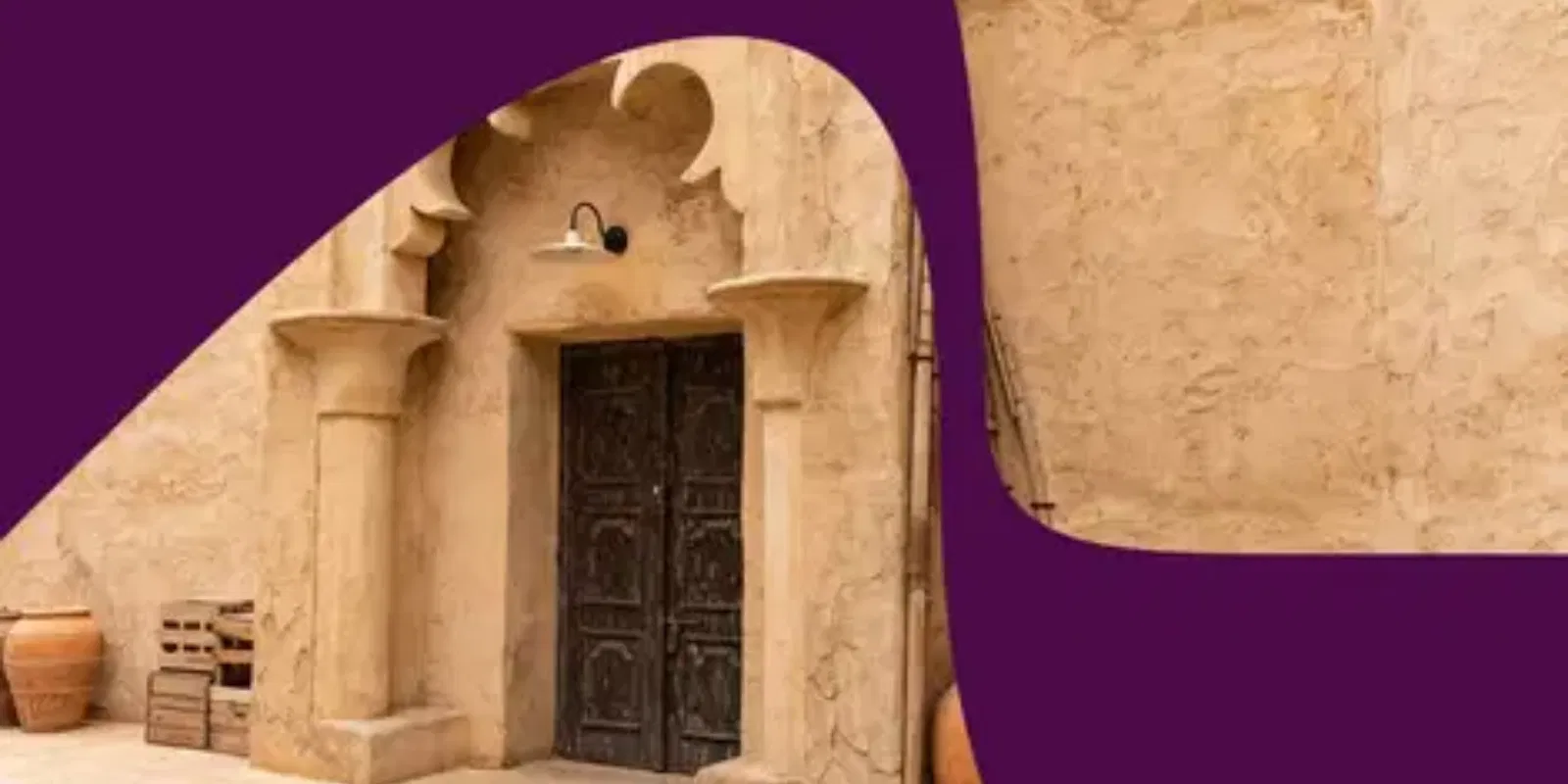

Visit These Hidden Gems of Abu Dhabi, UAE, to Immerse Yourself in Emirati Culture.
Founded in 1971, the United Arab Emirates (UAE) is a relatively young country. It's a fact that upon hearing 'UAE', many immediately think of Dubai. Of course, Dubai is phenom. But Dubai’s venerable cousin, Abu Dhabi, has much more to offer, especially in culture. Abu Dhabi feels like a second home with a deep-rooted family culture, age-old traditions, and community lifestyle. Here is your window into UAE's raw, untamed world – your eight-layered concoction to the Hidden Gems of Abu Dhabi. Dive right in for details.
1. Come to Masdar City for a futuristic rendezvous of the Gulf.
As the wind howls through the streets of Masdar City, a feeling of discovering a futuristic urban oasis takes hold. It’s like stepping into a sci-fi movie with architecture as a highlight.
Forget the usual traffic jams and car pollution – here, it’s all about the personal rapid transit (PRT) pods. The city is not just built—it’s crafted. Its avant-garde architecture borrows elements from ancient Arabian design, like wind towers that naturally cool the city. The city also promises to run on solar-powered infrastructure and zero-carbon public transportation. You must visit Masdar City to witness a sustainable utopia promising a greener lifestyle.
What is the best time to visit Masdar City?
The best time to visit Masdar City is during the cooler months from November to March, when the weather is more pleasant for walking around and exploring the city's features. This period offers a comfortable climate for experiencing the sustainable innovations and green spaces that Masdar City has to offer.
2. Witness Sculpted Fossil Dunes and Salt Lake in Al Wathba
Just 40 km South of Abu Dhabi, you will be surrounded by the golden hues of the Fossil Dunes at Al Wathba—an Abu Dhabi hidden gem. Sculpted by nature’s forces over thousands of years, these nearly 2000 fossil dunes tell a story of time and elements. The mesmerising pop-up art installations will add magic to your day as you explore more.
Just 40 km South of Abu Dhabi, you will be surrounded by the golden hues of the Fossil Dunes at Al Wathba—an Abu Dhabi hidden gem. Sculpted by nature’s forces over thousands of years, these nearly 2000 fossil dunes tell a story of time and elements. The mesmerising pop-up art installations will add magic to your day as you explore more.
Moreover, there is another intriguing wonder in the Al Bihouth region of Abu Dhabi, just 8 km east of the Al Wathba Fossil Dunes, also known as Al Wathba Salt Lake. The landscape is formed of long stretches of salt deposits that have accumulated over centuries due to the arid climate and the natural evaporation of water from ancient seas and rivers.
What is the best time to visit the Fossil Dunes of Al Wathba?
The best time to visit the Fossil Dunes of Al Wathba is from October to February.
What is the best time to visit the Salt Lake of Al Wathba?
The best time to visit the Salt Lake of Al Wathba is during the year's cooler months, typically between November and March. The weather is more pleasant during this period, with temperatures ranging from 20°C to 30°C.
3. Step into the Women’s Handicraft Centre, where tradition and talent weave the cultural souvenir for your adventure.
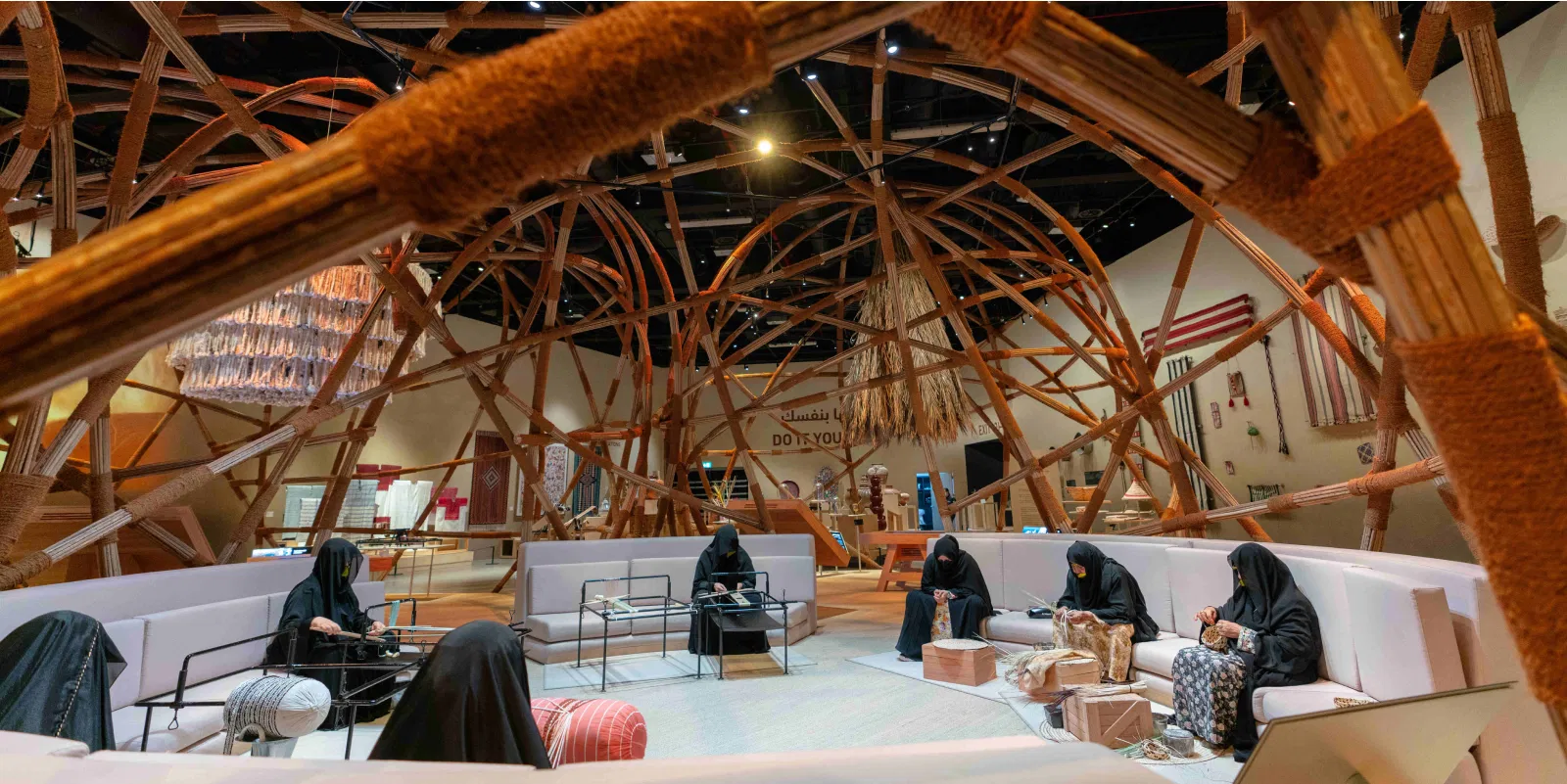
As Abu Dhabi is the cultural centre of the UAE, it would be villainy not to visit this hidden cultural gem: the Women’s Handicraft Centre. This centre is an essential stop if you're curious about how local craft-makers weave and create the wares you see in souks. The place brims with creativity and tradition. This hidden gem in Abu Dhabi provides an extraordinary chance to explore local Emirati culture and traditions through its selection of handmade crafts, artworks, and clothing by local artisans.
As Abu Dhabi is the cultural centre of the UAE, it would be villainy not to visit this hidden cultural gem: the Women’s Handicraft Centre. This centre is an essential stop if you're curious about how local craft-makers weave and create the wares you see in souks. The place brims with creativity and tradition. This hidden gem in Abu Dhabi provides an extraordinary chance to explore local Emirati culture and traditions through its selection of handmade crafts, artworks, and clothing by local artisans.
As Abu Dhabi is the cultural centre of the UAE, it would be villainy not to visit this hidden cultural gem: the Women’s Handicraft Centre. This centre is an essential stop if you're curious about how local craft-makers weave and create the wares you see in souks. The place brims with creativity and tradition. This hidden gem in Abu Dhabi provides an extraordinary chance to explore local Emirati culture and traditions through its selection of handmade crafts, artworks, and clothing by local artisans.
As Abu Dhabi is the cultural centre of the UAE, it would be villainy not to visit this hidden cultural gem: the Women’s Handicraft Centre. This centre is an essential stop if you're curious about how local craft-makers weave and create the wares you see in souks. The place brims with creativity and tradition. This hidden gem in Abu Dhabi provides an extraordinary chance to explore local Emirati culture and traditions through its selection of handmade crafts, artworks, and clothing by local artisans.
In the 1970s, the centre was envisioned as a way to empower women and was established with a heartfelt mission: to preserve and celebrate the rich artistic heritage of Emirati women. Long before modernity swept through the region, local women mastered creating beautiful, functional items from materials available in their surroundings. Today, this Centre serves as a living museum where time-honoured skills such as Sadu weaving, Talli embroidery, pottery, and palm frond weaving (Saf) are taught and practised.
What is the best time to visit the Women’s Handicraft Centre?
Operating Sunday to Thursday, from 7:00 AM to 3:00 PM, the centre is a delightful morning or early afternoon escape.
4. Time Travel to Al Ain Oasis For Old Arabian Tales.
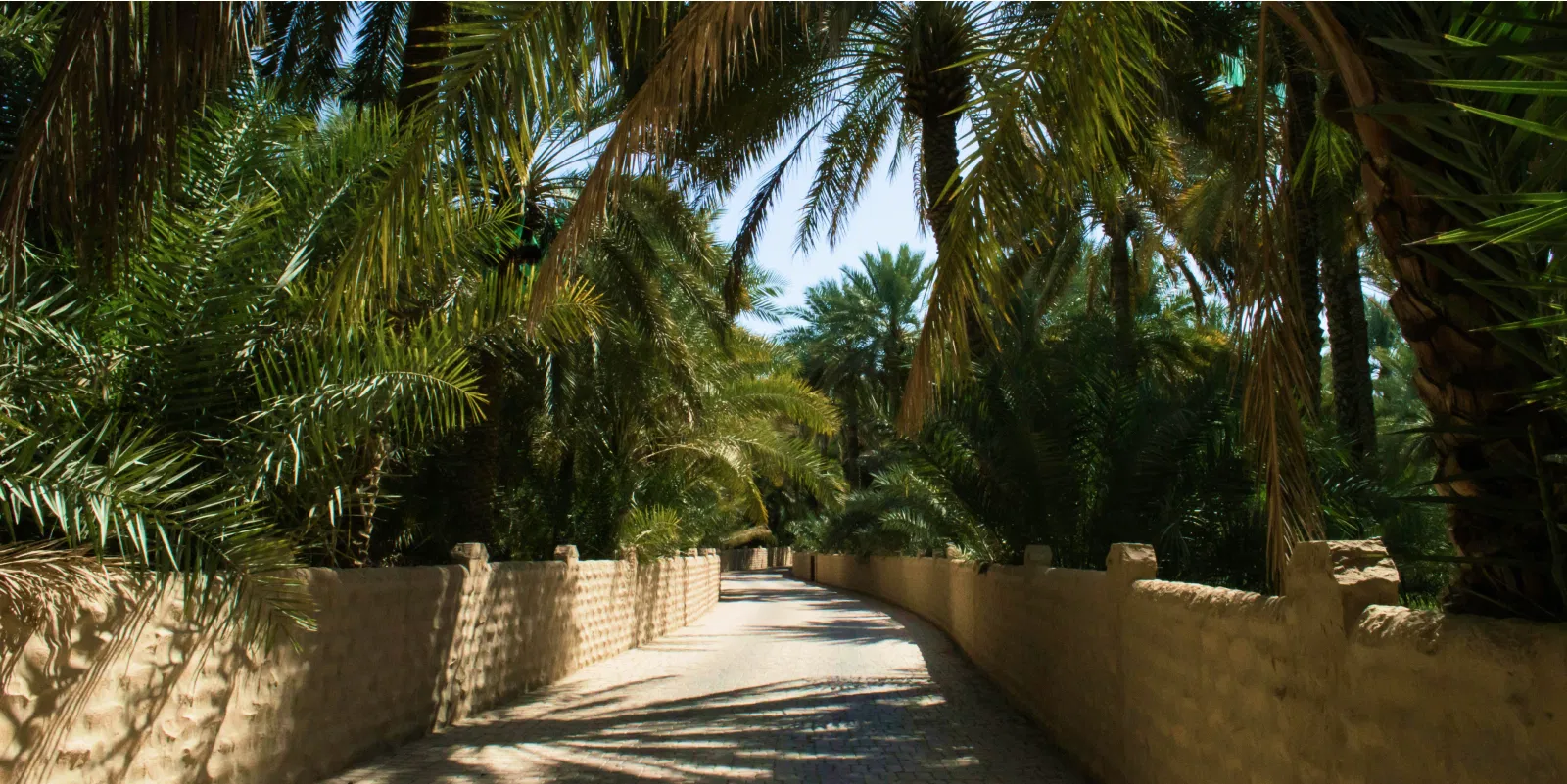
Situated in the arid expanse of the Rub' al Khali desert, this green UNESCO World Heritage haven is a refreshing oasis of life amid vast sands. It covers 1200 hectares and is the largest oasis in Al Ain. The history of Al Ain Oasis reads like an epic tale penned by time itself. Al Ain Oasis has been a centre of life and sustenance for over 4,000 years. Early settlers ingeniously harnessed the power of underground aquifers using a traditional irrigation method called the Falaj system. Still in use, this ancient technique channels groundwater through subterranean channels to nourish the oasis.
Situated in the arid expanse of the Rub' al Khali desert, this green UNESCO World Heritage haven is a refreshing oasis of life amid vast sands. It covers 1200 hectares and is the largest oasis in Al Ain. The history of Al Ain Oasis reads like an epic tale penned by time itself. Al Ain Oasis has been a centre of life and sustenance for over 4,000 years. Early settlers ingeniously harnessed the power of underground aquifers using a traditional irrigation method called the Falaj system. Still in use, this ancient technique channels groundwater through subterranean channels to nourish the oasis.
Each grove tells a story of heritage and harmony with nature. The whispering leaves carry secrets of centuries past, connecting you to a time when caravans passed through these parts, trading spices, silks, and tales from distant lands. You’ll feel as though you've stepped into a green labyrinth.
What is the best time to visit Al Ain Oasis?
The best time to visit Al Ain Oasis is during the cooler months, typically from October to April.
5. Hear Notes & Chords of Heritage & Harmony at Bait Al Oud
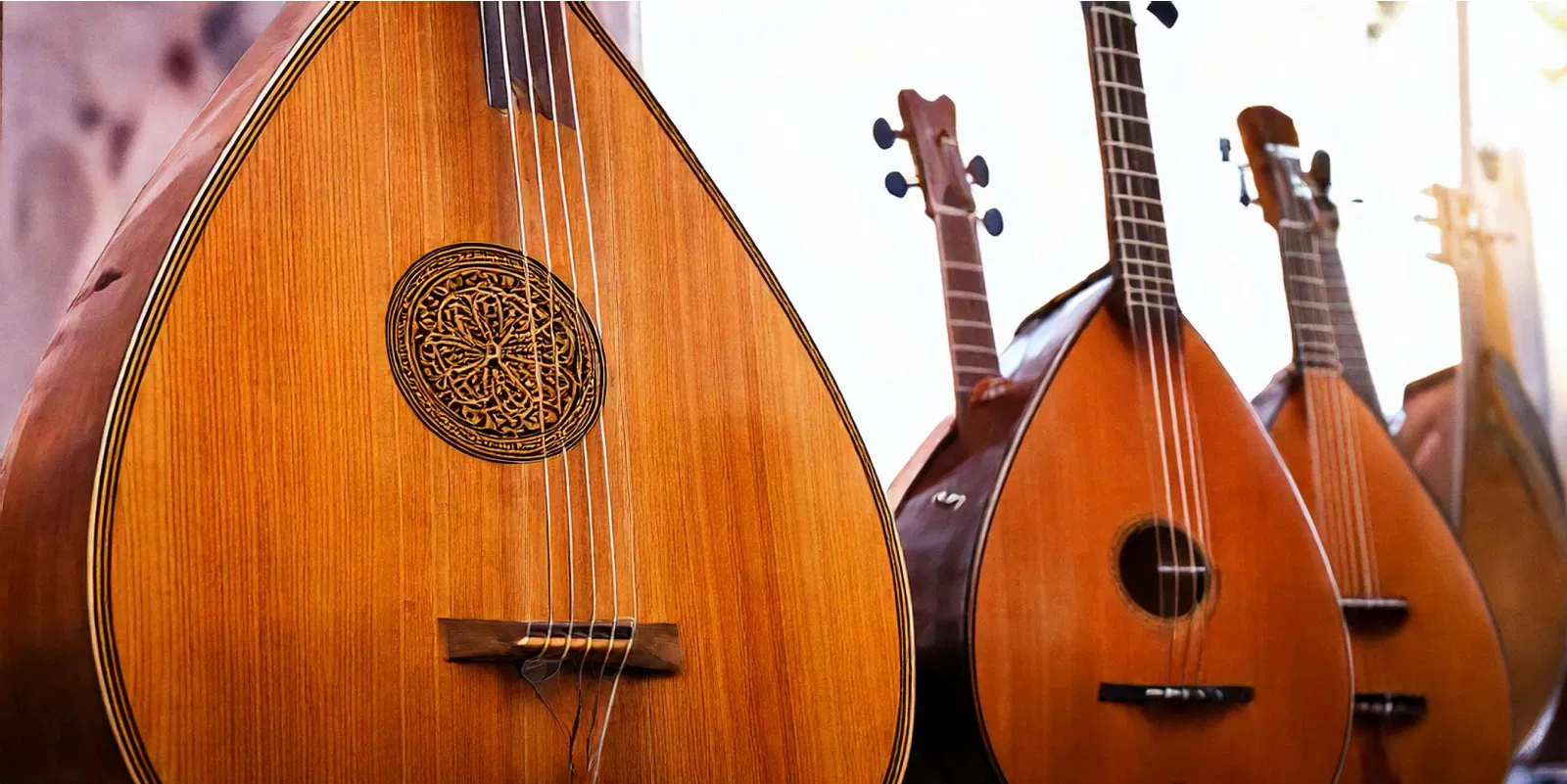
Bait Al Oud ((‘bait’ means ‘house’ and ‘Oud’ means ‘wood’ in Arabic)) is one of the best-hidden gems of Abu Dhabi for music lovers. It is not just a museum or a music school; it’s a living tribute to Arabian musical heritage. Founded in 2008 by the iconic Egyptian maestro Dr. Naseer Shamma, this cultural sanctuary is one of Abu Dhabi's best-kept secrets. It celebrates the oud, an integral part of Middle Eastern culture for over 5,000 years.
Bait Al Oud ((‘bait’ means ‘house’ and ‘Oud’ means ‘wood’ in Arabic)) is one of the best-hidden gems of Abu Dhabi for music lovers. It is not just a museum or a music school; it’s a living tribute to Arabian musical heritage. Founded in 2008 by the iconic Egyptian maestro Dr. Naseer Shamma, this cultural sanctuary is one of Abu Dhabi's best-kept secrets. It celebrates the oud, an integral part of Middle Eastern culture for over 5,000 years.
As you wander through the halls of Bait Al Oud, the scent of polished wood and the faint echoes of practice sessions fill the air. Bait Al Oud seeks to preserve the songs and techniques associated with Arabic music instruments, including the qanun, cello, and rebabah, as well as Arabic singing, Emirati choral, and Arabic Muwashahat (Arabic poetic form). It’s surreal to be surrounded by skilled luthiers who reveal the secrets of crafting this quintessential string instrument of the Arab world.
What is the best time to visit Bait Al Oud?
The best time to visit Bait Al Oud is from October to March.
6. Listen to Stories of Sheikhs and Sheikhdoms at Al Jahili Fort
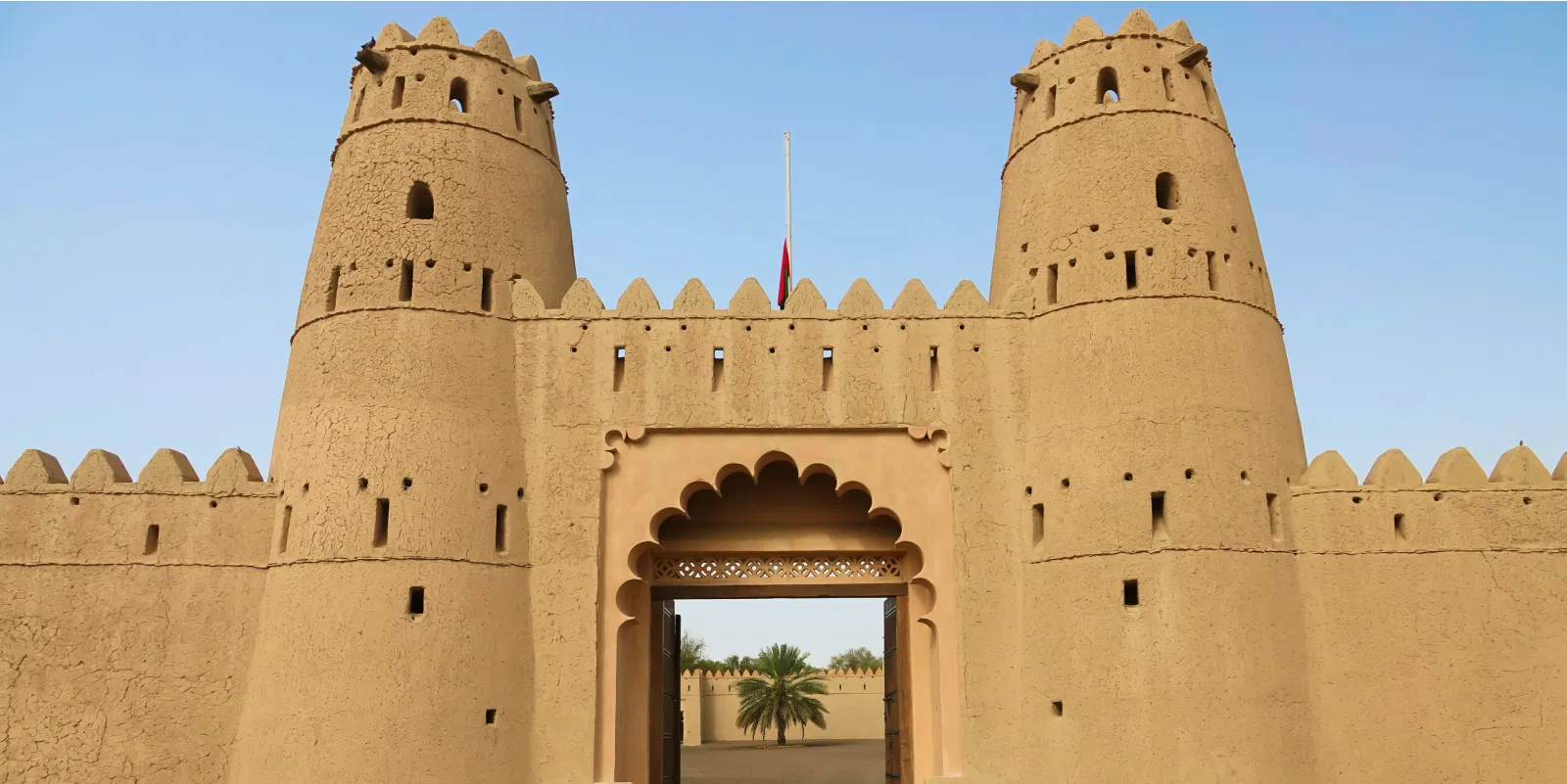
Al Ain, or the Garden City, about an hour and a half from Abu Dhabi and Dubai, is home to one of the largest forts in the United Arab Emirates. Al Jahili Fort is a beautiful mudbrick fortress where history and culture intertwine. The fortress was designed to be a protective bastion and a summer haven for the ruling Al Nahyan family in the late 19th century. As you draw closer to its towering sand-coloured walls, you can't help but feel the whisper of history echoing through its symmetrically arranged courtyards and traditional Emirati-style rooms.
Al Ain, or the Garden City, about an hour and a half from Abu Dhabi and Dubai, is home to one of the largest forts in the United Arab Emirates. Al Jahili Fort is a beautiful mudbrick fortress where history and culture intertwine. The fortress was designed to be a protective bastion and a summer haven for the ruling Al Nahyan family in the late 19th century. As you draw closer to its towering sand-coloured walls, you can't help but feel the whisper of history echoing through its symmetrically arranged courtyards and traditional Emirati-style rooms.
Once a strategic military stronghold during tribal conflicts and political shifts, Al Jahili Fort’s robust, cross-shaped architecture speaks volumes about its role in safeguarding Al Ain’s precious freshwater and lush agricultural landscapes. During the mid-20th century, it even hosted the British Army's Oman Trucial Scouts, a force dedicated to maintaining peace in the fiercely independent coastal and interior regions of what is now the UAE. Don't miss the exhibition dedicated to Sir Wilfred Thesiger, the British adventurer and travel writer whose photographs and journals uncover the raw, untamed beauty of the Arabian Peninsula.
What is the best time to visit Al Jahili Fort?
The best time to visit Al Jahili Fort is during the cooler months of October to March. Additionally, by visiting early in the morning or later in the afternoon, around 4 PM, you can enjoy the softer light and long shadows, which add to the fort’s beauty. The fort is also beautifully lit up after dark, offering a different experience if you visit in the evening.
7. Get Inside The Time Capsule of History at Al Qattara Arts Centre
Al Qattara Arts Centre is a classic artistic adventure destination in the heart of Abu Dhabi. Tucked within a beautifully restored fort, this centre potentially unleashes your inner artist through immersive workshops and exhibitions to catch the local artistic pulse. It's not just a place to visit; it's your adventure to discover the lesser-known wonders of Abu Dhabi's creative landscape.
Al Qattara Arts Centre is a classic artistic adventure destination in the heart of Abu Dhabi. Tucked within a beautifully restored fort, this centre potentially unleashes your inner artist through immersive workshops and exhibitions to catch the local artistic pulse. It's not just a place to visit; it's your adventure to discover the lesser-known wonders of Abu Dhabi's creative landscape.
What is the best time to visit Al Qattara Arts Centre?
The best time to visit Al Qattara Arts Centre is during the cooler months from October to March, when outdoor temperatures are more pleasant for exploring the area. The centre is open daily, except Fridays, from 8:00 AM to 8:00 PM.

8. Wake Up In The Real Reverie in a Desert at Qasr Al Muwaiji.
Located at the western approach to Al Ain city, Qasr Al Muwaiji, another lesser-explored of Abu Dhabi, is a UNESCO World Heritage Site that has played an essential role in the history of the United Arab Emirates and represents a fine example of early 20th-century mudbrick architecture.
But Qasr Al Muwaiji is not just another fort – it’s a royal palace with roots deep into the early 20th century. Built during the reign of Sheikh Khalifa bin Zayed bin Khalifa, this historical gem holds a special place in Emirati hearts as the birthplace of Sheikh Khalifa bin Zayed Al Nahyan. The palace is a stunning blend of traditional Emirati architecture featuring square layouts, wide-open courtyards, and defensive structures that tell tales of resilience and identity.
What is the best time to visit Qasr Al Muwaiji?
The best time to visit Qasr Al Muwaiji is during winter, when the temperature is more comfortable, and the ambience is more pleasant.
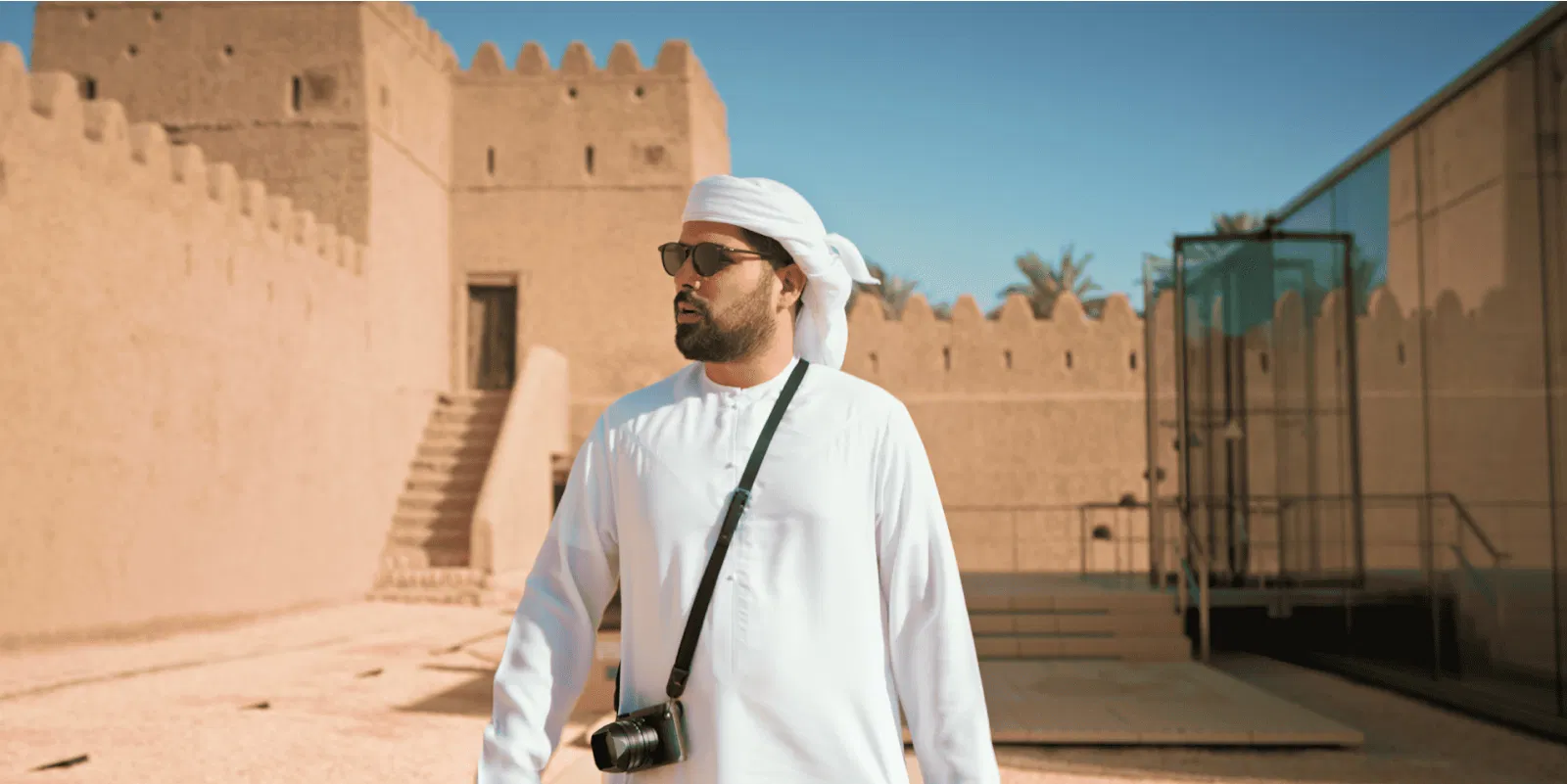
The UAE is bursting at the seams with cultural hidden Gems in Abu Dhabi. From the whispering walls of Qasr Al Muwaiji and the creative vibes of Al Qattara Arts Centre to the natural sanctuary of Al Ain Oasis, every corner knits a story. Make time to enter the otherworldly, naturally chiselled Fossil Dunes and Salt Lake in Al Wathba, and get lost in the sustainable alleys of futuristic Masdar City – all in the majestic Abu Dhabi. Share your experiences regarding these and other secret spots in Abu Dhabi. The comment section is all yours. Visit our Instagram page, where we keep sharing stories and valuable insights about Abu Dhabi.