A Romantic Escape: Honeymoon In Vietnam For Indian, GCC & European Travellers
When you arrive in Vietnam for your honeymoon, you'll sense something quietly magical: the scent of incense drifting through street corners, motorbike lights blinking through alleyways, rice terraces that glow gold in the early morning. In 2025, Vietnam is riding a wave of popularity, especially among Indian travellers: direct flights have increased, e-visa processes simplified, and new packages targeting GCC and European couples are emerging.
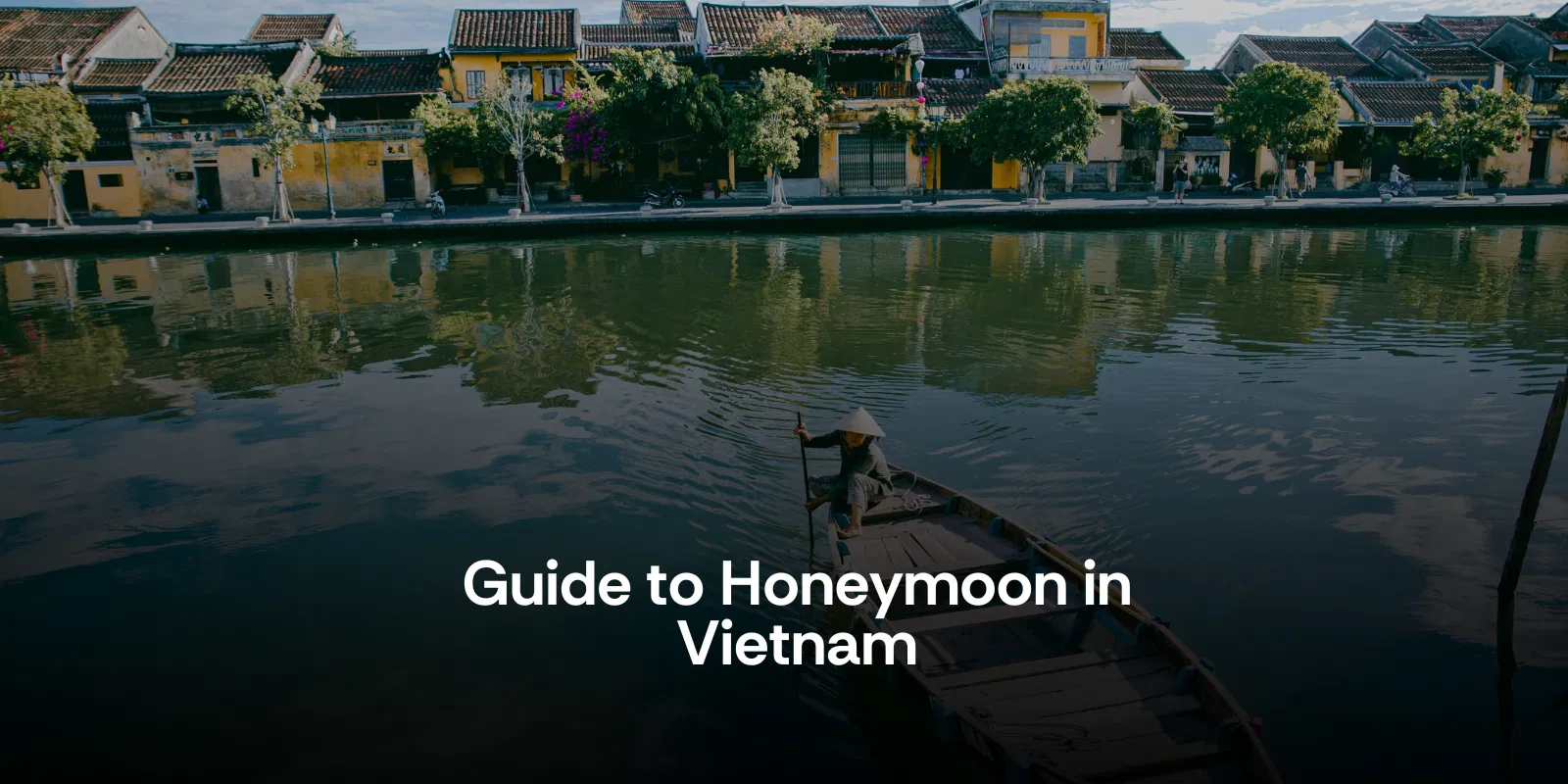
From the lantern-lit streets of Hoi An to the lush misty hills of Da Lat, from the dramatic limestone karsts of Ha Long Bay to the soft sands of Phu Quoc, Vietnam weaves a tapestry of romance, discovery, quiet escapes and cultural depth. If you're reading this because you're seeking a honeymoon destination that offers both adventure and intimacy—where you can savor street food one moment and sip jasmine tea at a colonial villa the next—then you’re in good company.
In this guide, I'll walk you through everything you need: flights, weather, hidden gems, budgets, etiquette, photo tips—and yes, the kind of details that make a honeymoon feel uniquely yours.
What is honeymoon in Vietnam?
A honeymoon in Vietnam is not just a beach trip or city escape—it’s a journey through living history, breathtaking landscapes, vibrant cuisine, and hidden corners that few tourists reach. Vietnam spans from the misty northern highlands to the tropical delta in the south, meaning your itinerary can be rich in variety.
You might spend a few nights drifting between limestone islands in Ha Long Bay, then hop inland to cycle between lantern-lit alleys in Hoi An, or ascend to the “City of Eternal Spring,” Da Lat, where French villas charm and waterfalls whisper. Later, you’ll relax at a private beach resort on Phu Quoc or Con Dao to unwind. The contrast between city bustle and serene nature is what makes the romance of Vietnam so compelling.
Vietnam’s allure for honeymooners comes from its relative affordability (compared with many island escapes), its warmth (both in climate and hospitality), and the novelty of its cultural richness. Whether you’re a couple from India, the UAE, GCC, or Europe, it offers something fresh yet accessible.
Why honeymooners from India, GCC & Europe love Vietnam
For travellers from India & GCC
- Shorter flight times & new direct routes. Vietnam has aggressively boosted connectivity with India: from seven major Indian cities, tourists can fly directly to Hanoi, Ho Chi Minh City, Da Nang, or Phu Quoc in about 4–5 hours.
- Easy e-visa & relaxed immigration. Vietnam’s e-visa scheme allows many nationalities—including Indian passport holders—to apply online, no invitation letters, with stays up to 90 days.
- Affordability relative to luxury escapes. Resorts, dining and excursions often cost less than comparable beach destinations in Southeast Asia or the Maldives for GCC travellers.
- Cultural resonance & food delight. Indian and GCC couples often love exploring vibrant street food scenes, aromatic spices, markets, and rich traditions—Vietnam delivers these plentifully.
For travellers from Europe
- Exotic long-stay but manageable. For European honeymooners inclined toward immersive travel, Vietnam offers a balance: you can combine Vietnam with Cambodia, Laos, or even Thailand on the same trip.
- Schengen flight options. Many European travellers will transit via hubs like Bangkok, Dubai, Doha, Singapore, or Kuala Lumpur, before connecting to Vietnam. The expanding network means fewer layovers.
- Backpacker / slow-travel tradition. Vietnam has a strong tradition of long-stay travellers, especially from Europe. You’ll find cafes with digital nomads, backpacker guesthouses, scenic motorbike routes, and curated slow-travel options.
- Seasonal escape from winter. European couples often fly into Vietnam during their colder months, turning grey winters into tropical sunshine.
Location and accessibility
Getting to Vietnam is easier in 2025 than ever before. Below is an overview of routes, flight durations, and visa notes for our key markets.
Flight connectivity & durations
| Origin Region | Approx flight time* / route | Direct or transit | Notes |
|---|---|---|---|
| Delhi → Ho Chi Minh City (SGN) | ~5 hours direct (when available) | Direct / via Hanoi | Vietnam Airlines operates direct flights between major Indian cities to SGN. |
| Mumbai → SGN | ~5h 25m | Direct | Some Vietjet / Vietnam Airlines operations. |
| UAE / GCC (Dubai, Abu Dhabi, Doha) → Hanoi / SGN | ~6–8 hours + layover | Transit via Bangkok, Kuala Lumpur, Singapore | No fully consistent direct GCC–Vietnam flights yet |
| Bangkok → Hanoi / Ho Chi Minh | ~1h 30m | Direct | Many daily connections |
| Singapore / Kuala Lumpur → Vietnam | ~2h 30m | Direct | Frequent regional flights |
| Europe → Vietnam | 12–16 hours to hub + transit | Transit (Dubai, Doha, Kuala Lumpur, Bangkok, Singapore) | Some flights rerouted (2025) to avoid Pakistani airspace. |
* Flight times approximate, vary by season and airline.
Visa / Entry Most travellers from India, GCC countries, and Europe can apply for a Vietnam e-visa online, valid for 30 or 90 days depending on your nationality. No invitation letter required. Always check the official Vietnam Tourism or national immigration site for updates.
Vietnam has opened new routes: Vietjet inaugurated direct Mumbai–Ho Chi Minh and Hanoi services. The Vietnam Tourism Authority continues to promote direct air links with India.
Domestic connectivity in Vietnam is well developed: budget airlines (Bamboo Airways, Vietjet, Vietnam Airlines) link major cities. Overnight trains and scenic coaches also supplement.
What you can do, eat or experience
Vietnam offers a romance-laced palette of experiences. Here’s how to make the most of your time:
Romantic and unforgettable experiences
- Ha Long Bay overnight cruise. Drift through emerald karsts, enter hidden lagoons by kayak, dine on fresh seafood under the stars.
- Hoi An by lantern light. Wander the Old Town at dusk, release lanterns on the river, take cooking classes.
- Hot air balloon or hill escape in Da Lat. Ride above misty pines, explore waterfalls, visit the whimsical “Crazy House” (Hằng Nga Guesthouse).
- Ninh Binh exploration. Paddle between limestone cliffs and rice paddies (often called “Halong on land”).
- Phong Nha – Kẻ Bàng cave expedition. Trek through ancient caves, boat inside dramatic caverns.
- Sapa & the Northern Highlands. Trek among remote hill-tribe villages, sunrise over terraced fields.
- Beach time at Phu Quoc or Con Dao. Pure sand, turquoise seas, marine life, snorkelling or diving.
- Mekong Delta cruise. Glide through floating markets, sampan rides along canals, riverside homestays.
Food, markets, local flavour
Vietnamese food is endlessly delightful. Some must-tries:
- Pho – the famous noodle soup, regional variants (North vs South).
- Banh mi – hearty baguette sandwiches filled with grilled meats, pickles, herbs.
- Banh xeo – Vietnamese pancake / crepe with filling and herbs.
- Cao lau – Hoi An specialty of thick noodles, pork, herbs, crisp wonton.
- Fresh tropical fruits & street desserts – e.g. che (sweet soups), coconut coffee.
In Hanoi, dine in colonial courtyards such as Green Tangerine on Hang Be Street for a refined fusion experience.
Markets: don’t miss Dong Xuan Market (Hanoi), Ben Thanh Market (Ho Chi Minh City), Hoi An Night Market, and floating markets in the Mekong region.
Sample admission & cost comparisons
Here’s a sample table (all prices verified as of September 2025, always check official sites before travel):
| Attraction / Experience | Location | Approx ticket / tour cost per person (VND) | Notes / hours |
|---|---|---|---|
| Ha Long Bay overnight cruise | Ha Long Bay | 1,500,000 – 3,500,000 VND | 2–3 day cruises, includes meals |
| Phong Nha cave boat + entry | Quảng Bình | ~300,000 – 600,000 VND | Cave tours, boat included |
| Water puppet show | Hanoi | ~150,000 – 250,000 VND | Evening shows near Hoan Kiem Lake |
| Hằng Nga “Crazy House” entry | Da Lat | ~60,000 VND | Unique architecture visit |
| Lantern boat release | Hoi An | ~100,000 – 200,000 VND | Participants can float lanterns on river |
| Train between Da Nang – Quy Nhon (Vietage luxury service) | Central Vietnam coast | ~£330+ | Scenic luxury option launched recently |
Insider travel tips
- Pack light layers. Vietnam climate varies: north can be cool in winter; south is tropical.
- Plan internal flights early. Low-cost airlines sell out fast.
- Book your Ha Long cruise well in advance. Select operators with good reviews (e.g. Heritage Line, Orchid).
- Bargain (politely) in markets. Begin at ~60% of quoted price and work your way up.
- Carry small cash change. For street food or bike taxis.
- Learn basic Vietnamese phrases. “Cảm ơn” (thank you), “Xin chào” (hello), “Bao nhiêu?” (how much?).
- Respect temple etiquette. Cover shoulders, remove shoes, ask permission before photographing monks.
- Avoid Tet (Vietnamese New Year). Many places shut; festivities can disrupt transport (usually Jan–Feb).
- Stay hydrated & eat from busy stalls. High turnover means fresh ingredients.
- Use local SIM / e-wallets. GrabBike, MoMo are handy in cities.
- Travel insurance is a must. For weather disruptions, especially during monsoon season.
I once watched a couple in Hue — they had planned a grand dinner but the rain poured that evening. A local fisherman invited them aboard his small sampan to float lanterns on Perfume River. That impromptu moment became their most cherished memory.
Nearby attractions & food trails
Depending on where you base yourself, here are complementary day trips and food trails:
- From Hoi An: My Son Sanctuary, Cham Islands for snorkeling, countryside bike loops to Tra Que Village (visit 5 pm for herb farms).
- From Hue: Perfume River boat ride, Imperial Citadel, Thien Mu Pagoda, local royal cuisine.
- From Da Lat: Elephant Falls, Crazy House, wine vineyards, flower farms, pine forest.
- From Ho Chi Minh City: Cu Chi Tunnels, Mekong Delta (Cai Be, Vinh Long), Cao Dai Temple at Tay Ninh.
- From Phu Quoc: Explore the southern beaches (Sao Beach), night markets, diving trips, pepper farms.
Food trail sample (Hanoi to Hoi An to Saigon):
- Hanoi: bun cha, egg coffee, Hanoi grilled bánh cuốn
- Hoi An: cao lau, white rose (shrimp dumplings), local herb salad
- Ho Chi Minh: banh xeo, com tam (broken rice), fresh sugarcane juice
Stroll markets in the evening — the aroma of grilled corn, banana pancake stalls, coconut ice-cream — and don’t rush. These small moments often surprise and delight.
Photography & travel tips
- Golden hour matters. At Ha Long Bay and Mekong, early morning is misty and magical; dusk in Hoi An gives lantern glows.
- Silhouettes make romance. Use backlit shots of your outline against glowing skies.
- Respect locals. Ask before photographing in villages or temples, especially children.
- Carry a compact drone if allowed. Many bays and rice terraces are prime drone-scapes (check local rules).
- Wide-angle + zoom lens combo. Wide for landscapes, zoom for details.
- Reflective surfaces. Use rivers or puddles after rain for creative reflection shots.
- Blend in. Dress modestly in villages/temples to avoid unwanted attention.
One of my favourite shots from Da Lat: a veil-blown portrait against rolling clouds, propped by a local banana farm. We had asked the farmer to shift his tools just enough to create that frame—those local touches make the difference.
Seasonal highlights: when is best for couples & families
Vietnam’s seasons are regionally varied. Below is a guide to help you pick your ideal honeymoon window:
| Season / Months | Regional effects | Best for romantic breaks / family holidays | Notes & caution |
|---|---|---|---|
| Jan–April (dry season) | South & Central are dry; north warms up | Excellent for couples and families; beaches & inland both viable | Avoid Tet (Vietnamese New Year) as transport & services may shut |
| May–August (summer, occasional rain) | Hot in the south, storms possible in central | Good for northern highlands, moderate in Hoi An | Plan buffer days for rain |
| September–October (shoulder season) | Central regions often get heavy rain; north more pleasant | Best for north & Mekong delta; coastal spots less reliable | Phu Quoc and Con Dao can still be viable |
| November–December (cooler north, dry south) | Crisp weather in north, beach season intact in south | Ideal for European travellers escaping winter | Nights can be chilly in northern areas |
For many honeymooners, the sweet spot is February to April—minimal rain, gentle warmth, landscapes vibrant.
If you’re travelling from Europe in, say, January or February, Vietnam makes a delightful tropical escape from winter chills. For GCC couples planning a winter honeymoon, Vietnam offers sun, sea, culture—all in one.
I hope this guide has stirred your wanderlust for a honeymoon in Vietnam. If you’re ready to craft your perfect route—mixing beach escapes, cultural towns and hidden offbeat gems—let Alike’s AI Trip Planner (Eia) be your companion. It can optimise your itinerary (especially balancing internal flights, weather windows and romantic pacing).
Also, if you’re exploring combining Vietnam with Bali or Dubai for longer romantic or family holidays, check out these Alike reads: best things to do in Vietnam and the Dubai category page (for GCC travellers).
Your honeymoon deserves more than “just a holiday”—let it become a story you’ll tell forever.
When is the best time to honeymoon in Vietnam if travelling from India, UAE or Europe?
When is the best time to honeymoon in Vietnam if travelling from India, UAE or Europe?
Are there direct flights from India, UAE or GCC to Vietnam?
Are there direct flights from India, UAE or GCC to Vietnam?
What is the approximate cost of a Vietnam honeymoon compared to Maldives or Bali?
What is the approximate cost of a Vietnam honeymoon compared to Maldives or Bali?
Is Vietnam safe for honeymooners, including solo female travellers?
Is Vietnam safe for honeymooners, including solo female travellers?
What length of honeymoon is ideal for Vietnam?
What length of honeymoon is ideal for Vietnam?