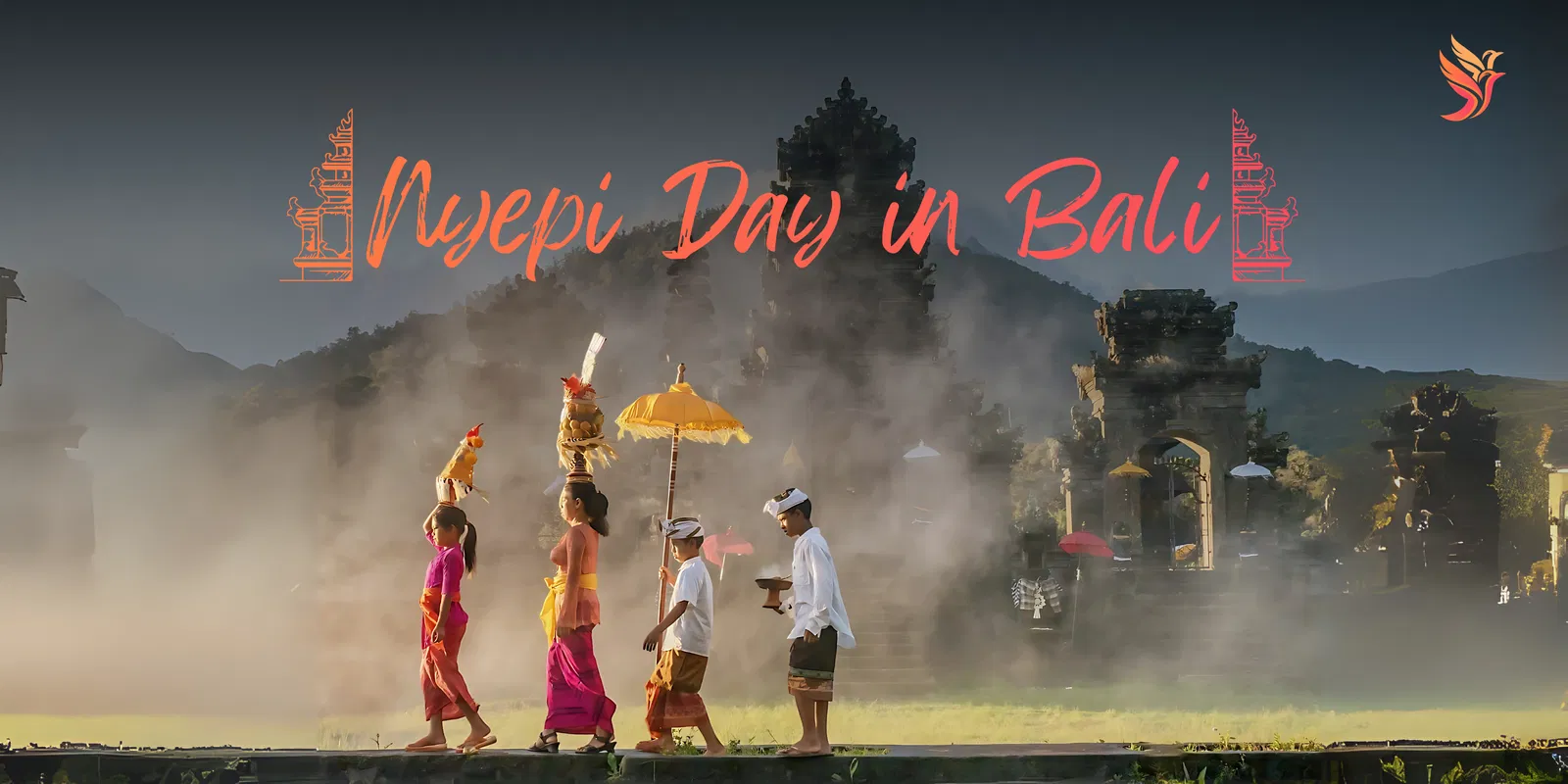
A Full Day of Silence? Welcome to Bali’s Nyepi Day.
I wish we had followed this in Indian corporate scenes. Well, a girl can dream! So, Nyepi Day, the Balinese New Year, is unlike any other celebration you’ve witnessed—a day where the entire island of Bali goes silent to embrace self-reflection, renewal, and harmony. Imagine this: no lights, vehicles, or entertainment—just a day dedicated to introspection and spiritual cleansing. On 29 March 2025, Bali will shut down for 24 hours. Bali embraces a meditative stillness from dawn to dusk—no work, travel, noise, and even the skies above remain flight-free. For 24 hours, the island resets, offering a profound moment of environmental conservation, spiritual renewal, and cultural unity.
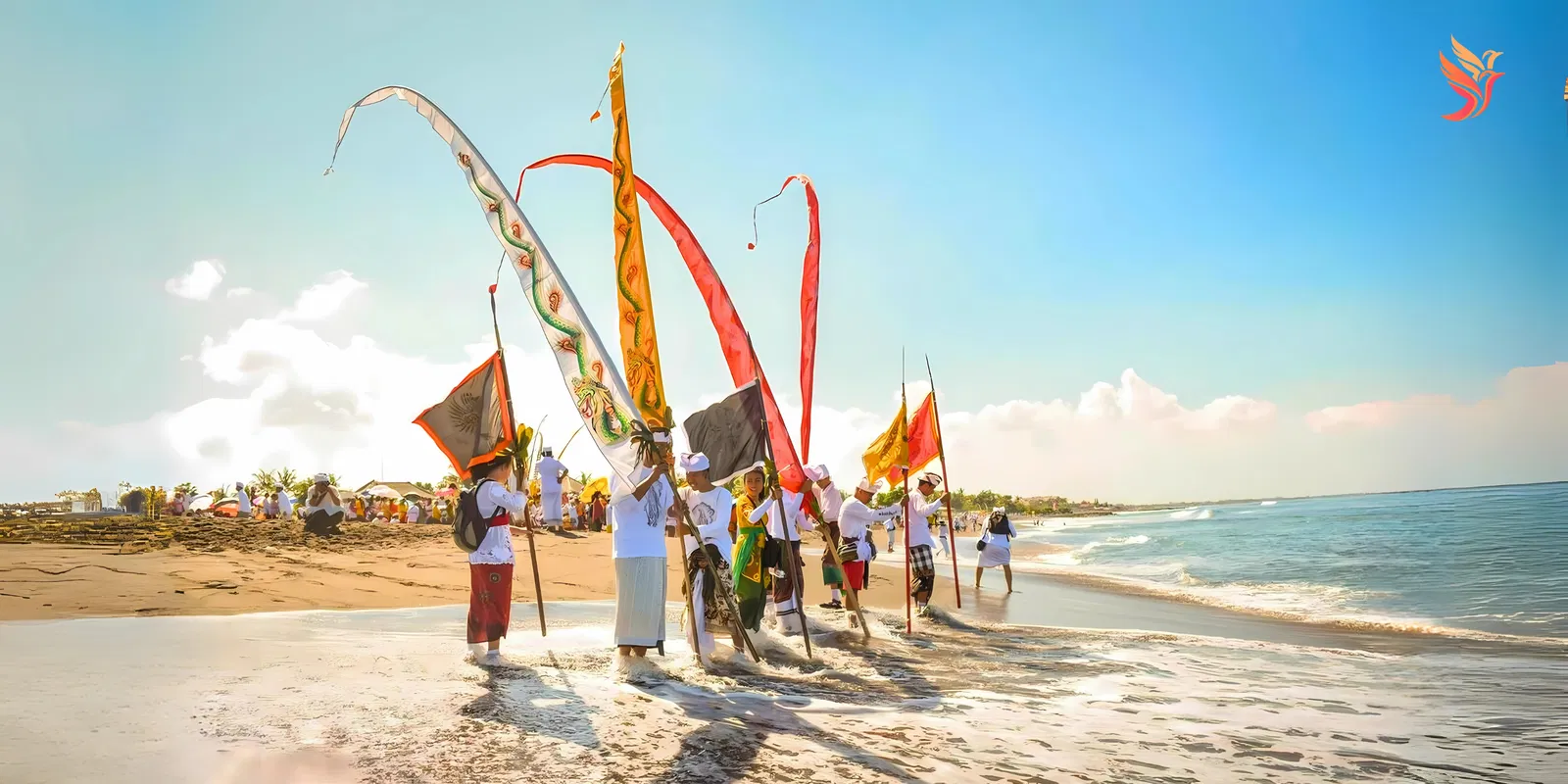
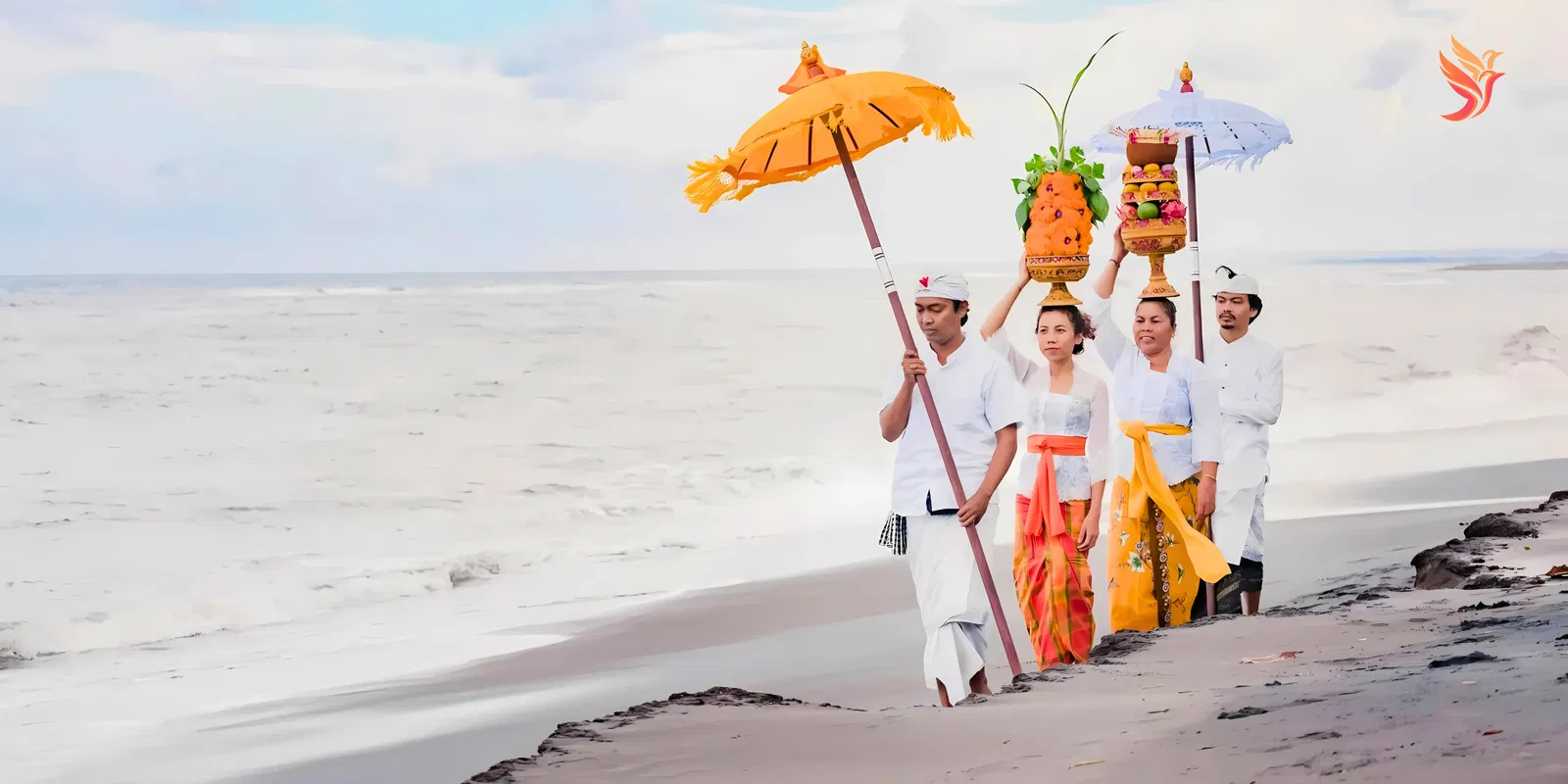
The lead-up to Nyepi is equally fascinating. Vibrant purification rituals are called Melasti to cleanse people and sacred objects. At the same time, the eve of Nyepi features grand processions with Ogoh-Ogoh—giant, intricate effigies symbolising negative energies, which are paraded through the streets and ceremonially burned to dispel evil spirits. It’s a mesmerising spectacle that feels both otherworldly and celebratory. Read on to learn more about Nyepi Day in Bali.
From 6 AM to 6 AM the following day, Balinese people adhere to four main restrictions, known as "Catur Brata Penyepian": no fire (Amati Geni), no working (Amati Karya), no travelling (Amati Lelungan), and no entertainment (Amati Lelanguan). This day encourages self-reflection, meditation, and introspection, allowing one to reconnect with their spiritual self.
Travel Alike
Stay Connected: Tourist Data eSIM for Indonesia
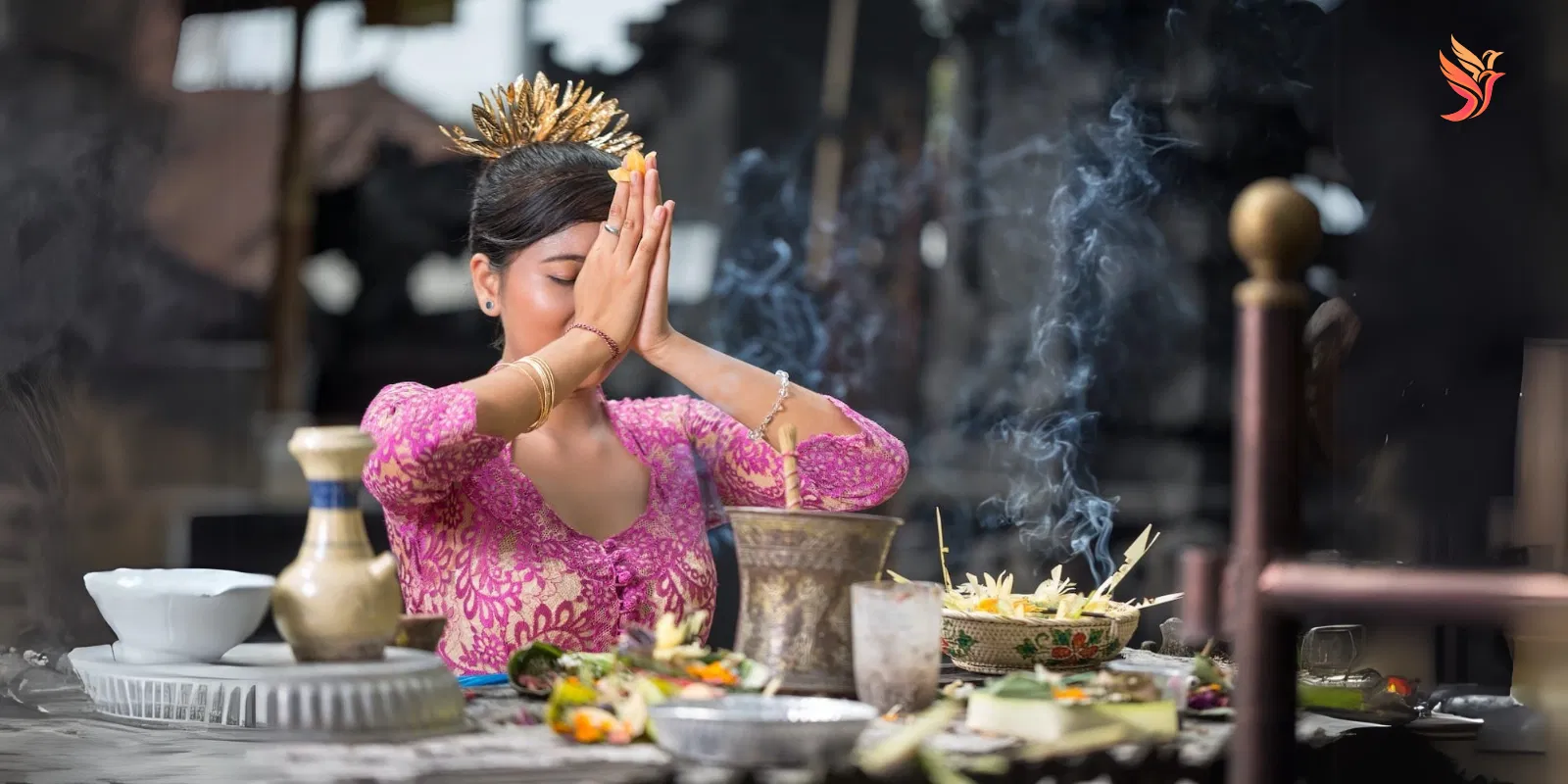
Unearthing the Pre-Nyepi Celebrations
The eve of Nyepi, known as the Tawur Kesanga ceremony, is an elaborate ritual of purification and exorcism. The island's streets come alive with vibrant parades featuring "Ogoh-ogoh" - giant demon effigies symbolising evil spirits. These effigies are paraded through towns, accompanied by traditional Gamelan music and a flurry of dancing and chanting, and then later burnt in a ritualistic display to purify the environment.
Alike Tips
- Head to Kuta or the main Ubud Palace to witness some of the most spectacular Ogoh-ogoh parades. It's a photographer's dream and an unbeatable cultural experience.
- Participate in Mecaru, a smaller-scale purification ritual conducted near temples and homes. It often includes offerings to the gods and traditional music.
- On Nyepi, the entire island comes to a standstill. The usual buzz of areas like Canggu and Ubud halts, offering a rare moment to see the island in its natural tranquillity.
Ensure that essentials are stocked up the day before, as stores and services will be closed.
The Morning After: Ngembak Geni
Once Nyepi concludes, the island transitions into Ngembak Geni, where normal activities resume. Families visit relatives, friends, and neighbours, seeking forgiveness and rekindling bonds. This day celebrates new beginnings and community unity, engulfed in a spirit of openness and renewal.
Places of Spiritual Significance
- Nyepi at Uluwatu Temple: This iconic sea temple, perched on a cliff in South Bali, offers panoramic ocean views and a deeply spiritual atmosphere. Although close to Nyepi, the tranquillity of this majestic site feels more profound after visiting Nyepi.
- Tirta Empul Temple: Located near Tampaksiring, this temple is renowned for its holy spring water, which Balinese Hindus use for ritual purification. The day after Nyepi is an opportune time to visit and engage in a purifying ritual with locals.
- Goa Gajah (Elephant Cave): This historical site, close to Ubud, offers a quiet spot for meditation and an escape into Bali's rich heritage—the calm after Nyepi enhances the serenity and mystique of this ancient location.
Nyepi Etiquette for Travellers
As a guest on the island, it is crucial to respect local customs during Nyepi, the Balinese Day of Silence. To honour this sacred day, tourists must remain indoors within their accommodations. Many hotels prepare Nyepi packages that include meals and various activities to ensure guests have an enjoyable and fulfilling experience while adhering to the restrictions. It is essential to minimise light and noise, keep all curtains closed and maintain low noise levels to respect the silence and darkness observed by the locals. Although some accommodations may allow the use of the Internet and TV within private rooms, it is strongly discouraged to use electronics openly in public spaces. By following these guidelines, you contribute to the observance of this important day and show respect for the local culture and traditions.
Not Everybody Tells You: Hidden Local Gems
- Banjar Village Hike: Take a post-Nyepi trek through Banjar, a charming village in North Bali. Although not well-known among tourists, it offers breathtaking landscapes and a sense of untouched Bali.
- Saraswati Temple: Hidden within Ubud town, this temple features a picturesque lotus pond and is often less crowded. It provides a peaceful spot for quiet contemplation.
Upcoming Event: Bali Spirit Festival
Just a month after Nyepi Day, from May 7 to 11, 2025, the Bali Spirit Festival will take place in Ubud. This popular event focuses on yoga, dance, and music, providing a perfect opportunity for continued inner reflection and personal growth. Attend wellness workshops, traditional Balinese healing practices, and performances celebrating the island’s rich heritage.
Travel Alike
Nyepi Day is not just a cultural observance; it's an invitation to dive deep into the essence of Balinese spirituality and heritage. It’s a rare chance to escape the usual tourist trail and engage in a more profound, soul-enriching experience. Come soon, never go back!