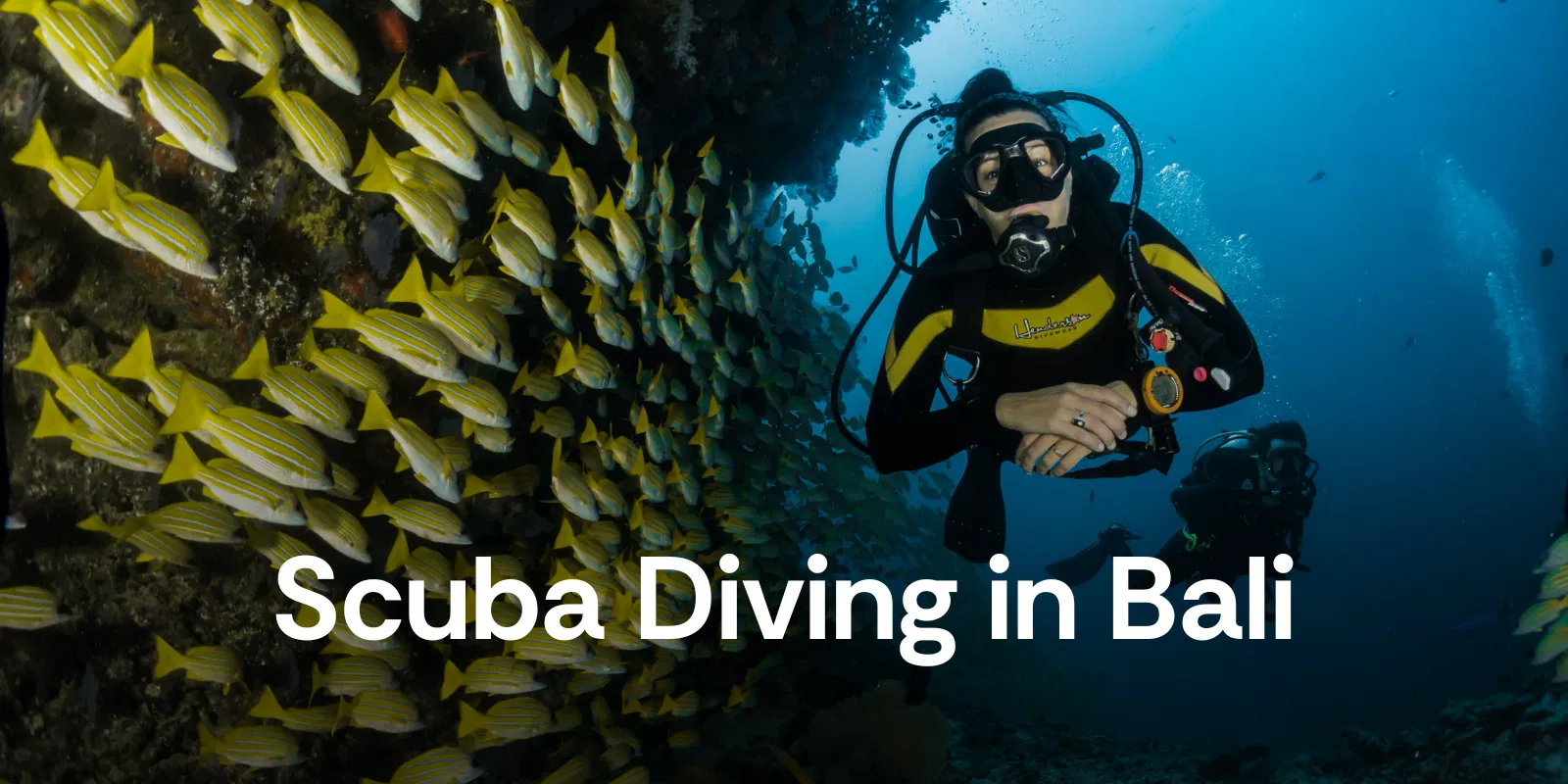
How Scuba Diving Happens in Bali?
Bali isn't just about lush rice paddies, vibrant temples, and stunning beaches; it's a gateway to a vibrant underwater universe teeming with life, colour, and a sense of profound serenity.
And if you’re thinking, “Can I really breathe underwater?!”—The ocean is calling, and yes, with the proper guidance, it’s all yours.
Why is scuba diving in Bali a must for travellers?
The "Island of the Gods" is situated in the Coral Triangle, a global hotspot for marine biodiversity. This means that Bali's waters are exceptionally rich in coral species and aquatic life, making every dive a visual feast.
The sense of peace you find underwater echoes the spiritual calm you can find on land. From encountering graceful manta rays at Nusa Penida to exploring the eerie beauty of a sunken shipwreck, this isn’t just a dive; it’s a living, breathing art gallery in motion.
By the way, now you can book your holiday with Alike and get free tourist visa. And instead of paying for those visa fees, you get to swap your visa fee for these experiences in Bali.
Location of Scuba Diving in Bali

Bali offers a diverse range of dive sites, each with its own unique charm and marine life. Let’s break down the most iconic ones:
Tulamben
This is a diver's paradise, especially for beginners. It’s home to the famous USAT Liberty Wreck, a World War II cargo ship sunk just a short swim from the shore. The wreck, now an artificial reef, is covered in colorful corals and is a magnet for marine life, including barracudas, groupers, and pygmy seahorses. The shore entry is easy, making it perfect for your first-ever wreck dive.
Nusa Penida
For those craving big marine life encounters, Nusa Penida is a must-visit. Located just off the southeast coast of Bali, this island is renowned for its two notable sites: Manta Point and Crystal Bay. At Manta Point, you can witness magnificent manta rays gliding gracefully through the water at their cleaning station. During the right season (July to October), Crystal Bay is the best place to spot the elusive Mola Mola (Oceanic Sunfish).
Menjangan Island
Nestled within the West Bali National Park, this island is surrounded by some of Bali’s most pristine coral walls and vibrant reefs. It offers excellent visibility and is known for its dramatic drop-offs and diverse soft corals. The calm waters here are perfect for both beginners and experienced divers.
Travel Alike: Island Escapade: A Bali Family Adventure
Amed
Situated on Bali’s eastern coast, Amed offers a more laid-back vibe and calm waters, making it an excellent choice for novice divers and underwater photographers looking for macro life, like nudibranchs and pygmy seahorses.
Padang Bai
This beach town is a popular stop for travelers en route to the Gili Islands. Its dive sites, like the Blue Lagoon, are teeming with colourful fish, vibrant coral gardens, and even reef sharks, offering a fantastic experience for all skill levels.
The best time to dive in Bali
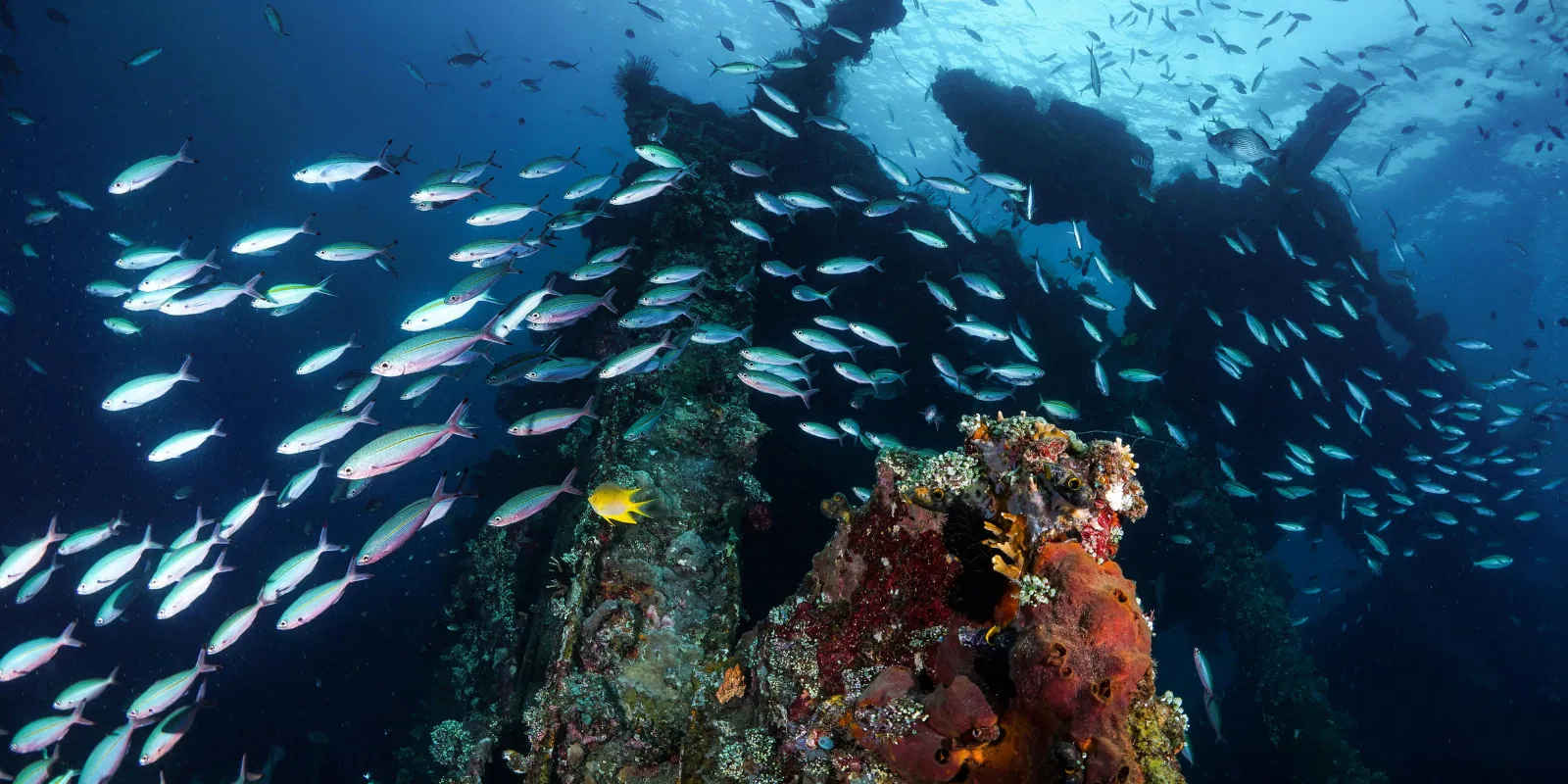
The best time to scuba dive in Bali is during the dry season, from April to November. During these months, the weather is more stable, resulting in calmer seas and improved underwater visibility, which often ranges from 10 to 30 meters. Water temperatures are pleasant year-round, typically ranging between 26°C and 29°C. While diving is possible during the rainy season (December to March), visibility can be reduced, and conditions can be more challenging. Booking your dives in advance, especially during the peak season, is always a smart move.
Good Reads
What to expect from your scuba diving experience?
Scuba diving is a meticulously planned and executed process that prioritises your safety and comfort. Here’s a detailed walkthrough:
- Arrival and registration: Your underwater journey begins at a certified dive centre. You'll check in, show your PADI or SSI certification card (if you have one), or fill out a medical questionnaire and waiver for a beginner's course. You must be in good health to dive, so be honest on the form.
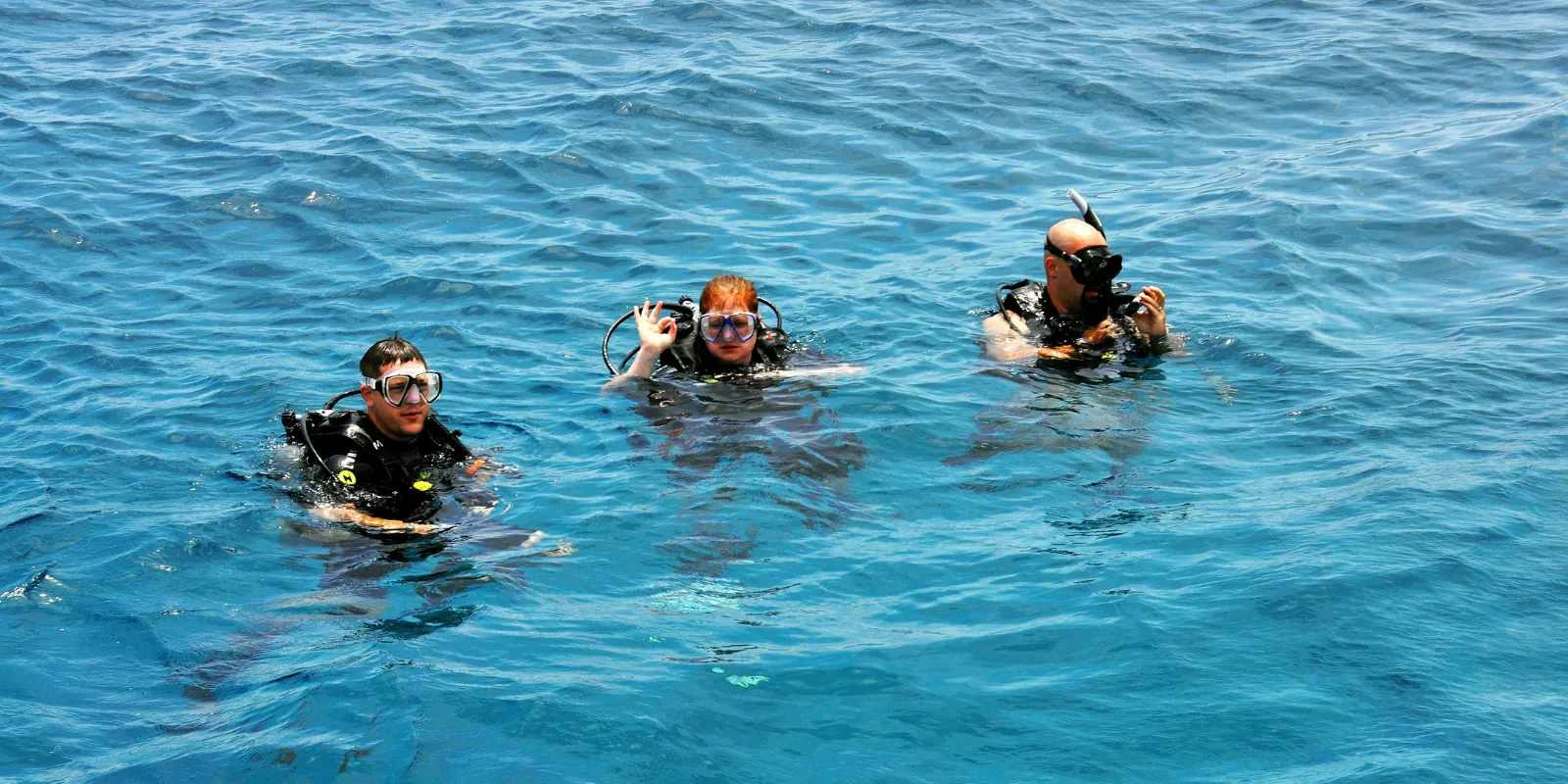
- Briefing and training: If you’re a beginner doing a "Discover Scuba Diving" experience, you'll start with a pool session or a confined water dive in shallow, calm water. A certified instructor will teach you the basics: how to breathe from the regulator, clear water from your mask, and equalise pressure in your ears. For certified divers, you’ll receive a thorough briefing on the dive site, currents, and what marine life to expect.
- Gearing up: Your instructor or divemaster will help you get into your gear: a wetsuit, buoyancy control device (BCD), regulator, mask, fins, and weights. They'll ensure everything fits snugly and securely, and you’ll conduct a "buddy check" to verify that all your gear and your buddy's gear are in working order.
- The descent: With your tank on your back and BCD inflated, you’ll enter the water. Following your instructor’s guidance, you’ll slowly deflate your BCD and begin your descent, equalising the pressure in your ears as you go. This is a crucial step to avoid discomfort.
- The underwater experience: Once you're at the desired depth, you’ll achieve neutral buoyancy and glide effortlessly through the water. This is where the magic happens. You’ll be surrounded by vibrant corals, schools of tropical fish, turtles, and maybe even a majestic manta ray. The only sound is the rhythmic bubble of your breathing, creating a profound sense of peace.
- The ascent: At the end of the dive, your instructor will lead a slow, controlled ascent. You'll make a mandatory safety stop at around 5 metres for 3 minutes to allow your body to off-gas excess nitrogen, preventing decompression sickness.
- Debrief and log: Back on the surface, you’ll pack up your gear and debrief with your instructor, sharing your favourite sightings and experiences. If you’re certified, you’ll log the dive, a cherished record of your underwater adventures.
Good Reads
Safety tips for Scuba Diving in Bali
Scuba diving is incredibly safe when done with a reputable, certified dive centre. Bali is a hub for highly professional dive shops certified by international agencies like PADI and SSI.
Here's what goes into ensuring your safety:
- Certified instructors and divemasters: Your dive professionals are highly trained and experienced, having undergone rigorous training to manage every aspect of your dive safely.
- Strict equipment maintenance: All gear is meticulously maintained and inspected. Regulators, BCDs, and tanks are serviced regularly to meet safety standards.
- Health and fitness checks: You must complete a medical questionnaire to ensure you are fit to dive. Conditions like heart or lung problems, ear infections, or uncontrolled diabetes can be contraindications.
- Never hold your breath: This is the golden rule of scuba diving. As you ascend, the pressure decreases and the air in your lungs expands. Holding your breath can cause serious lung injuries. Always breathe continuously.
- Equalise frequently: As you descend, the water pressure increases. You must equalise the pressure in your ears by pinching your nose and gently blowing, swallowing, or yawning.
- Dive within your limits: Never attempt a dive beyond your certification level or comfort zone. Your instructor will always guide you and ensure you are only doing dives suitable for your skill level.
And while you are in Bali, know about the Love Bali Movement.
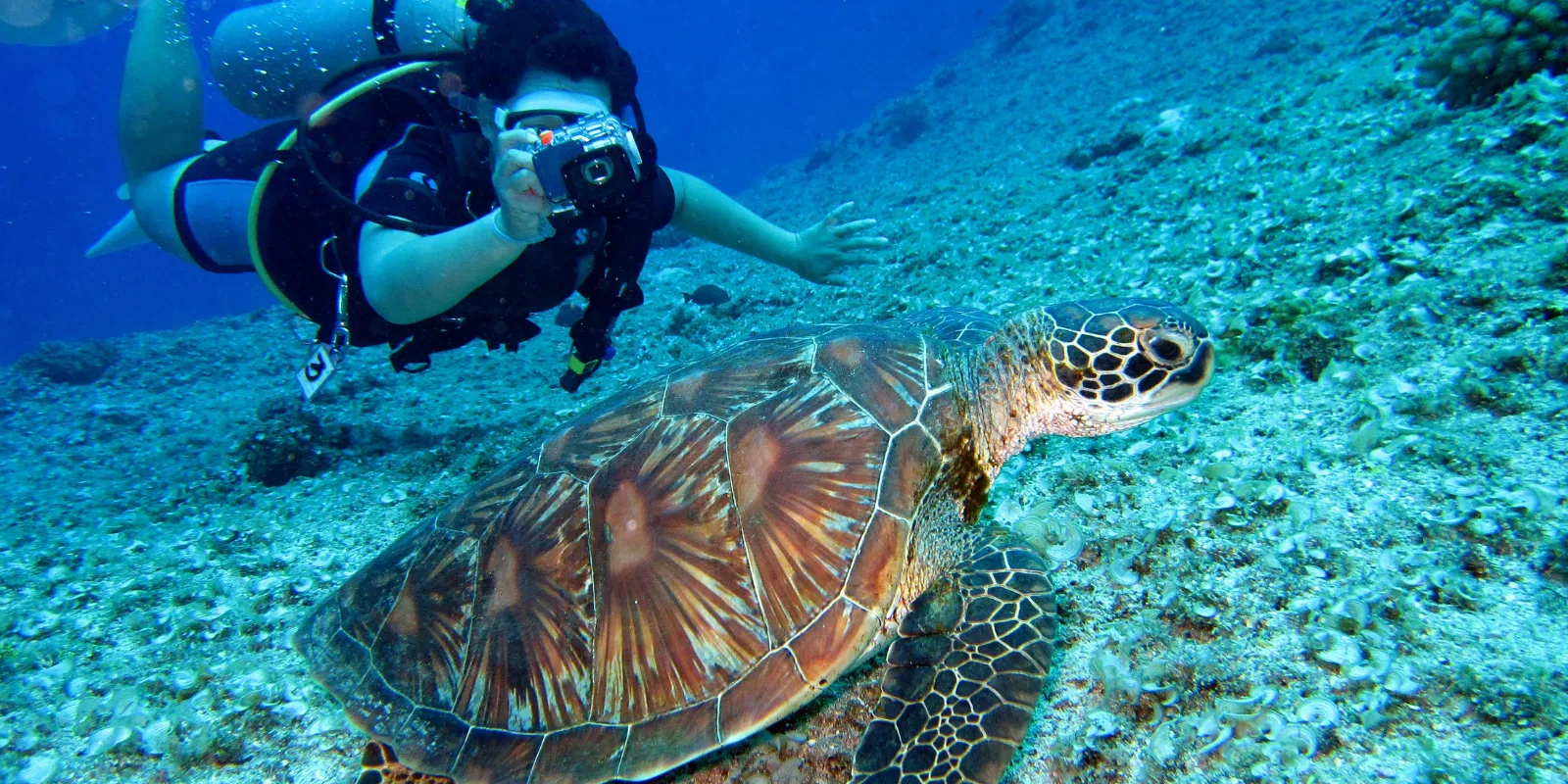
Alike tips for scuba diving
Beyond the certifications and checklists, here are a few things that can genuinely enhance your Bali diving experience:
- Go for a sunrise dive at Tulamben: While the USS Liberty Wreck is a popular day dive, a sunrise dive offers a magical experience. You’ll see the wreck in a different light and witness the nocturnal marine life heading to bed and the daytime critters waking up.
- Lunch like a local post-dive: After a morning of diving, you’ll have an appetite. Head to a local warung for a satisfying meal of Nasi Campur or Mie Goreng. The carbs feel well-earned, and the local flavours are a perfect celebration of your day’s triumph.
- Hydrate well and get plenty of rest: Hydration is key to preventing decompression sickness. Drink plenty of water before and after your dives. Avoid alcohol the night before a dive.
- Dress for comfort: Wear a swimsuit under comfortable, lightweight clothing. A rash guard is also a good idea for sun protection. You’ll get into a wetsuit at the dive shop, so no need to pack one.
- Embrace the serenity: When you’re underwater, don’t just look for the big fish. Take a moment to hover and observe the small creatures—the nudibranchs, the tiny shrimps, the colourful crabs. This is where the true magic lies.
- Choose your dive operator wisely: Read reviews and choose a PADI or SSI-certified dive shop with a strong safety record and knowledgeable, friendly instructors.
It’s not just a dive. It’s your immaculate underwater story. Book it, live it, and relive it whenever you please. And with the ease of Alike by your side, it’s never been simpler to dive into wonder (quite literally).