7 Things to Know Before Visiting Thailand in Monsoon
Thinking of visiting Thailand in the rainy season? Many travellers skip this time, assuming constant downpours and washed-out plans. But here’s the secret: Thailand monsoon travel can be an exciting, budget-friendly, and surprisingly peaceful way to experience the country – if you know how to plan it right.
Let’s have a look at the essentials of wet season Thailand 2025, from weather patterns to what to pack, and a few expert tips that only seasoned travellers share.
1. Rain does not mean rain all day
The biggest myth about the rainy season Thailand is that it pours endlessly. In reality, showers are often short, heavy bursts – followed by hours of clear skies. Mornings can be sunny, and evenings are perfect for exploring markets or street food stalls.
Experienced travellers suggest checking daily forecasts and planning outdoor activities early in the day, leaving indoor attractions for afternoons when showers are more likely.
2. It’s the cheapest season to explore Thailand
If you’re looking for Thailand's cheapest season travel, the monsoon is it. Hotels slash their rates by up to 40%, flights are often cheaper, and popular attractions are less crowded.
This is the time when luxury stays feel within reach for mid-budget travellers, and restaurant queues shrink to near zero. Just be mindful of some island routes where ferry services may be limited due to rough seas.
3. Choosing the right destinations matters
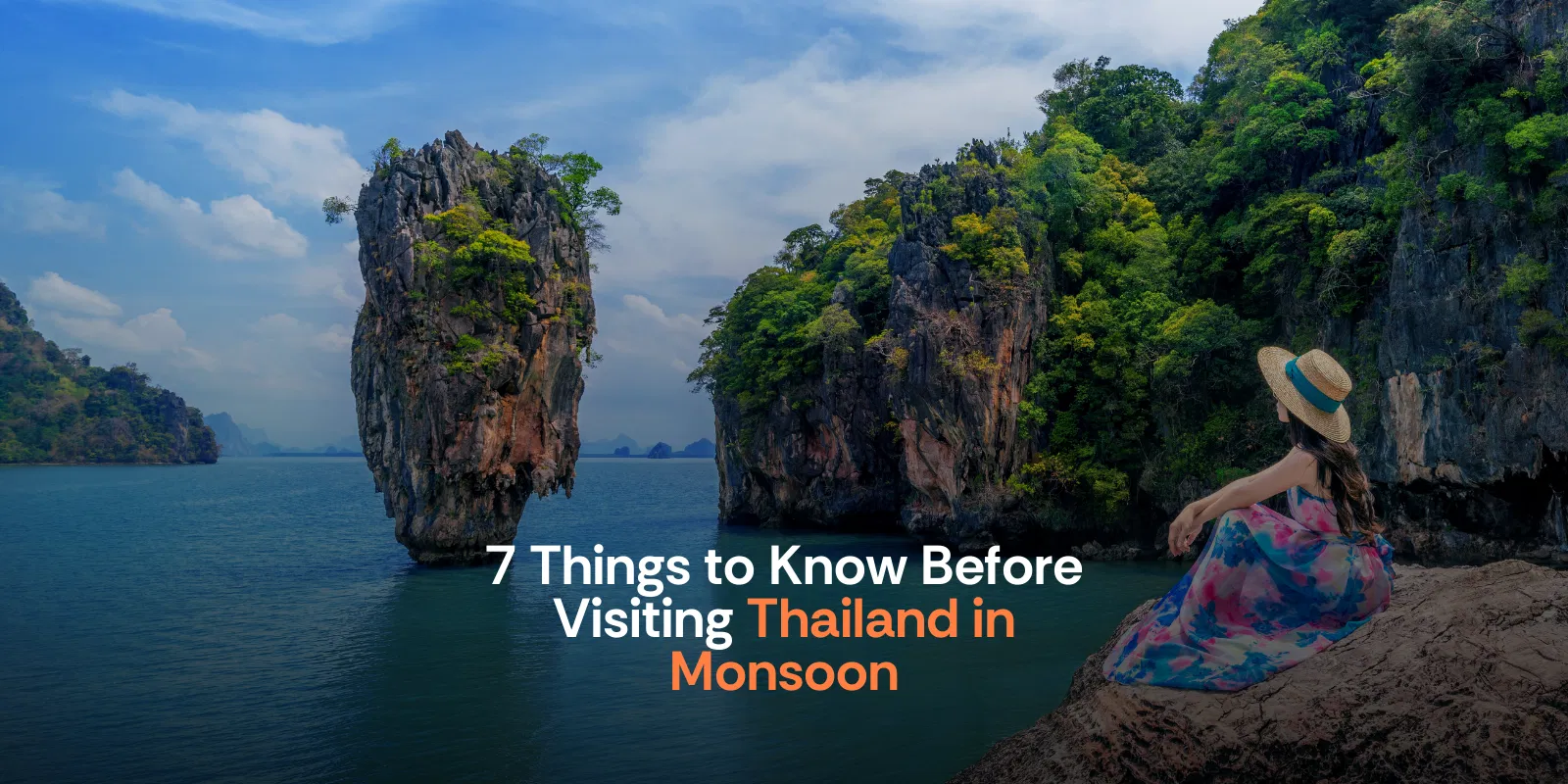
Not all parts of Thailand get the same level of rain. While the west coast (Phuket, Krabi) gets heavier showers, the Gulf of Thailand side – Koh Samui, Koh Phangan, and Koh Tao, often sees lighter rainfall during the same period.
A smart Thailand monsoon guide includes alternative plans. If island-hopping isn’t possible, explore cities like Bangkok and Chiang Mai or enjoy cooking classes, spa days, or food tours.
4. Thailand weather in July and beyond
Monsoon usually runs from June to October, with Thailand weather July marking the peak of the season. Rainfall is frequent but predictable, and humidity levels are high.
Carry breathable clothes, lightweight rain jackets, and waterproof footwear to stay comfortable. Many experienced travellers swear by quick-dry trousers and a foldable poncho – easy to pack, quick to use, and essential for unexpected showers.
5. Local food tastes even better in the rain
Rain brings cooler evenings, making steaming bowls of Thai soups, curries, and noodles feel extra comforting. Street vendors also bring out seasonal treats, including mango sticky rice and spicy hotpots – perfect for wet weather.
Look out for night markets that stay open during light rains; some even have covered dining areas. Thailand monsoon food is part of the experience – warm, flavourful, and soul-satisfying.
6. Stay alert but don’t stress over travel risks
While Thailand travel risks exist during monsoon, like slippery paths or delayed ferries, most are manageable with good planning. Avoid remote hikes after heavy rain, confirm ferry schedules, and carry basic travel insurance for weather-related changes.
Locals are quick to advise if conditions are unsafe, and following their lead can save a lot of trouble. For urban areas, Thailand safety in rains is mostly about being mindful of wet pavements and minor flooding in some streets.
7. Pack like a pro for the wet season
Travel packing for Thailand during the monsoon isn’t complicated, but a few extras make all the difference. A waterproof daypack, zip-lock bags for electronics, and an extra pair of lightweight shoes are non-negotiable.
For an insider tip, carry a small foldable umbrella and a microfibre towel. They take up almost no space but come in handy when you least expect them.
Book directly through the resort websites or plan your holiday with Eia–Alike’s AI Trip Planner to customise your stay and unlock exclusive perks. Learn more about it here.
Is Thailand worth visiting during the monsoon?
Absolutely. Is Thailand worth visiting during the monsoon? Many travellers say yes for lower costs, smaller crowds, and a more relaxed pace of exploring. Just plan your destinations smartly, pack right, and keep flexible schedules for activities.
With the right approach, the off-season Thailand tips above can help you enjoy a side of Thailand most travellers miss—calmer, cosier, and just as vibrant.
FAQs
1. What months are best for visiting Thailand during the monsoon?
June to October is the wet season, but August and September see the heaviest showers. July and early October offer a mix of rain and clear skies, ideal for flexible travel plans.
2. How much can I save by travelling in the monsoon?
You can save 30–40% on hotels, flights, and activities during Thailand's cheapest season travel, making it ideal for budget-conscious travellers.
3. Is Thailand safe to explore during the monsoon?
Yes, with some caution. Stick to popular routes, avoid risky hikes after heavy rain, and check ferry schedules during storm warnings.
4. What should I pack for Thailand in the rainy season?
Light rain gear, waterproof bags, breathable clothing, quick-dry shoes, and a small umbrella are essential. Keep electronic items and travel documents in zip-lock pouches.
5. Which parts of Thailand get less rain during the monsoon?
The Gulf of Thailand – Koh Samui, Koh Phangan, and Koh Tao – generally receives less rainfall compared to Phuket or Krabi during the same season.
6. Can I enjoy water sports during the monsoon?
Some activities, like snorkelling and kayaking, are possible in calm waters, but always check local safety advisories and weather conditions first.
7. Is the monsoon good for solo travellers?
Yes, as long as you stay in well-reviewed areas and remain flexible with plans. Fewer crowds and lower prices make it appealing for solo exploration.