You’ll Never See Bali the Same Way After Reading This
Om Swastyastu A Balinese greeting that means “peace and greetings from God.”
When I first heard it, I didn’t just learn a phrase, I felt like I was stepping into a world where every word and gesture carried some meaning. You know, I never thought culture alone would be the reason I would fall in love with a place. For the longest time, I travelled for the beaches, the adventures or the Instagram-perfect spots. But Bali changed all that.
There is something truly special about a culture that grounds and inspires you. That feeling keeps me motivated to explore more, dig deeper, and connect beyond the surface. Last summer, that feeling was so strong that I stayed an extra week simply because I wasn’t ready to leave Bali’s soul behind.
And this year, I am already counting down the days until I can return (thanks to Alike’s free visa offer).
As you read my story, don’t be surprised if you start to feel it too – that quiet pull, like a thread from Bali gently wrapping around your heart, urging you to come and see it for yourself.
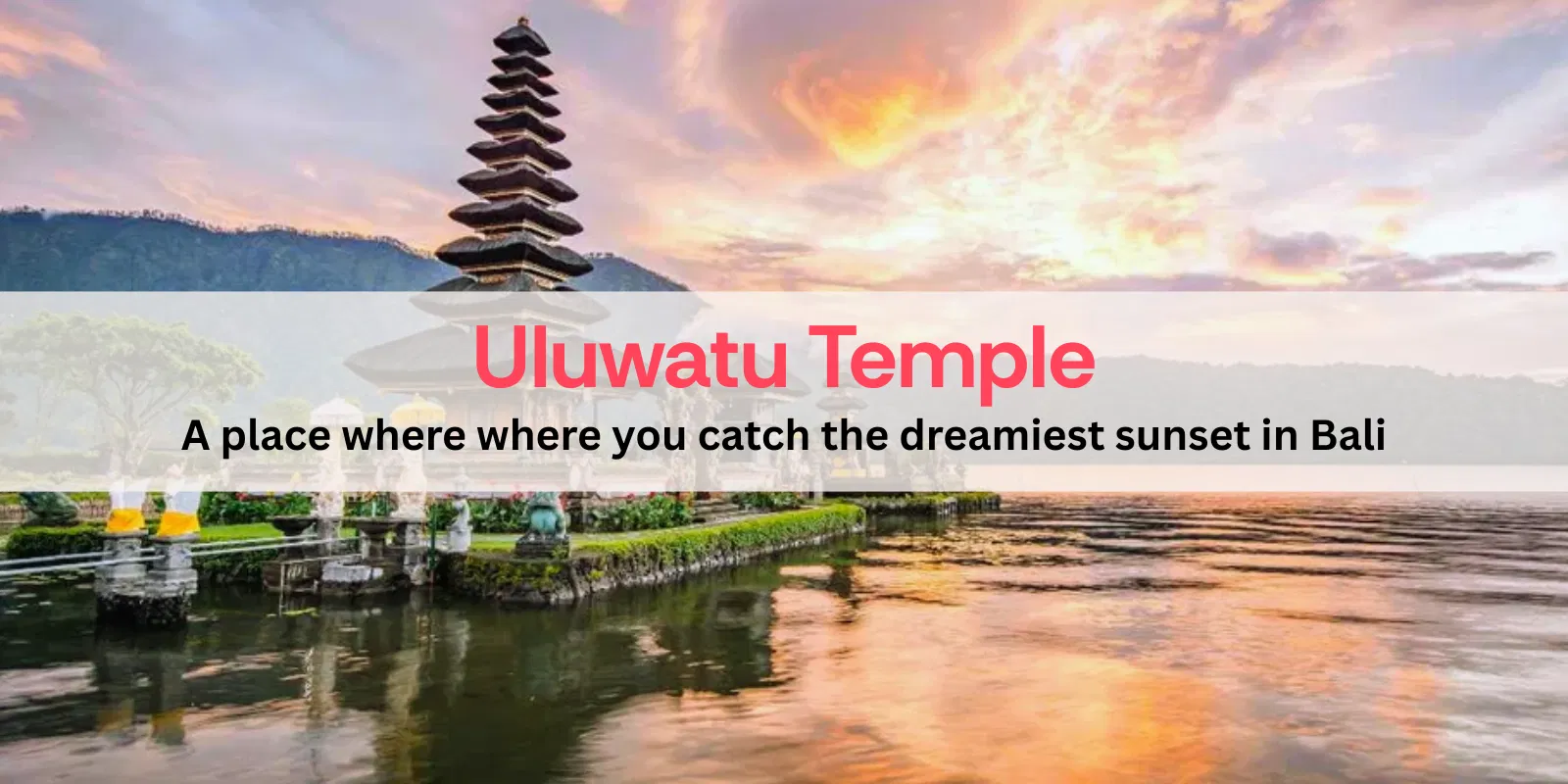
Bali is known as the ‘Island of the Gods’, and one of the most powerful ways this connection is expressed is through its temples. These sacred places, like Uluwatu Temple, Tanah Lot, and Besakih Temple, are not just tourist spots but central to daily life in Bali. Locals visit these puras to pray, make offerings, and connect with the divine. It’s common to see families dressed in traditional attire carrying beautifully arranged Canang Sari (small offerings made from flowers, rice and incense) placed at doorsteps, shrines or roadside altars.
What truly struck me was how natural and heartfelt these practices are. One morning at Uluwatu Temple, I noticed a young boy arranging the offerings with such gentle care. I smiled at his mother, who said, “We learn to give thanks from the time we can walk.” Those words stayed with me and give me nostalgia to date.
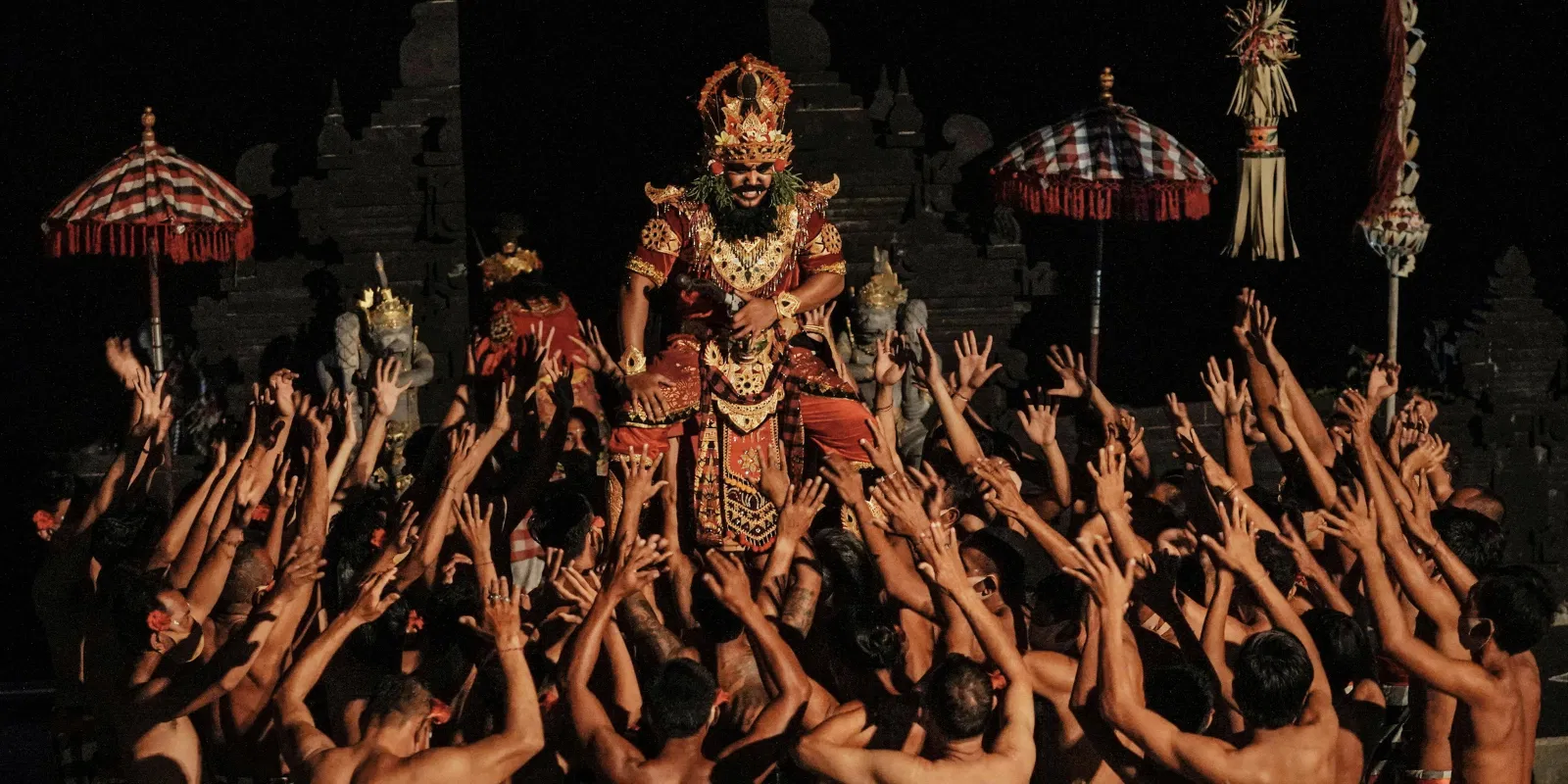
I attended a traditional Barong performance in a village hall and was awestruck throughout the entire show. The costumes, the music, the expressions – it was electric! At one point, a dancer made direct eye contact with me during a powerful pause. I can’t explain it, but I felt something shift. Later, I spoke to a performer, who told me, “Through dance, we pass down our stories and honour the gods.”
Bali’s performing arts are deeply tied to its religious beliefs and cultural storytelling. One of the most iconic forms is the Barong and Rangda dance, which depicts the eternal battle between good (Barong) and evil (Rangda). These dances are not just entertainment, they are rituals that hold deep spiritual meaning, often performed during temple festivals or cultural nights.
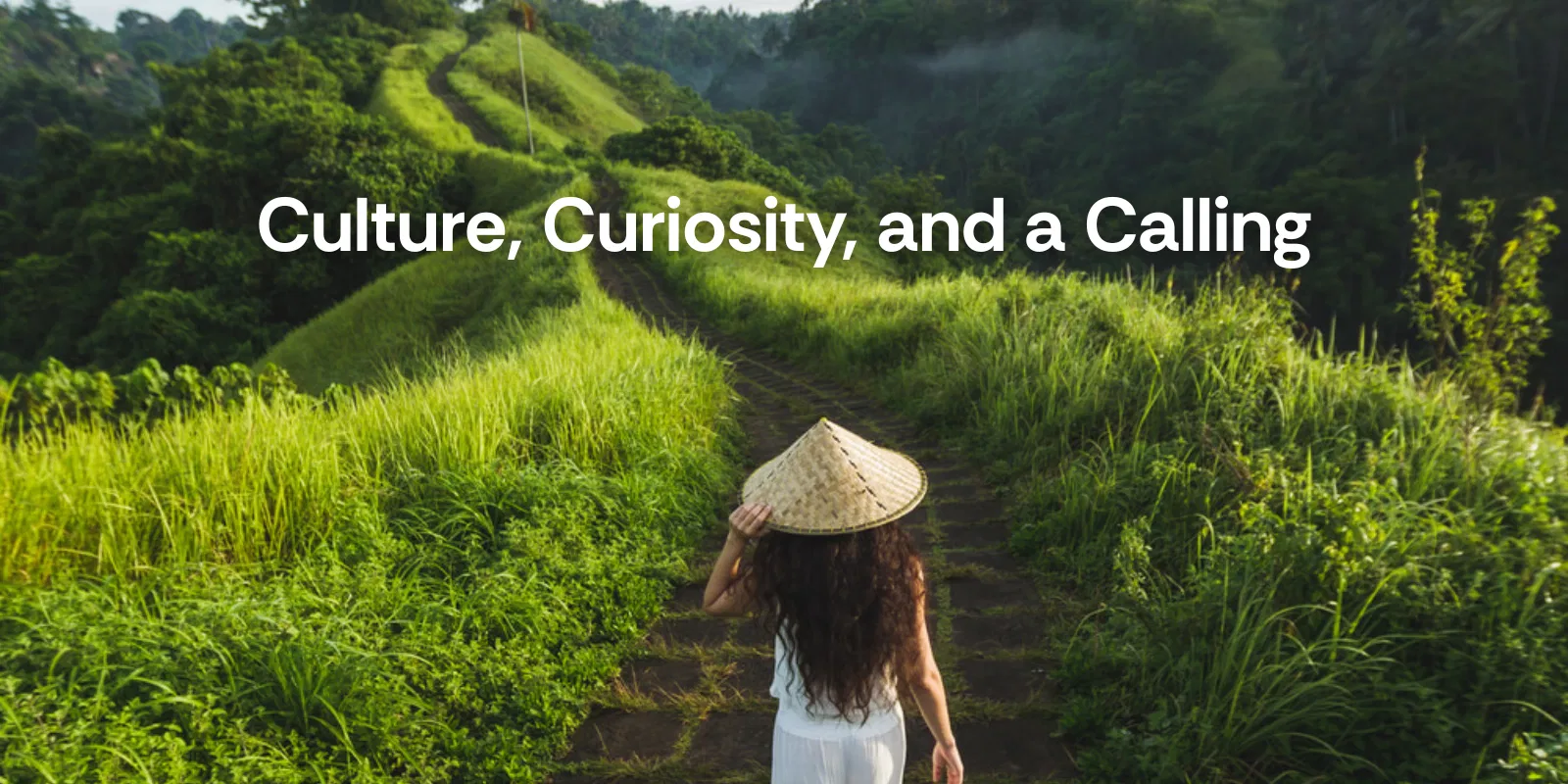
Bali’s landscape is also a part of its culture. The Tegallalang and Jatiluwih rice terraces are famous not only for their stunning views but also for their use of the traditional Subak irrigation system, which is now recognised by UNESCO. This centuries-old method is based on the philosophy of harmony between humans, nature and the spirit world.
While walking through the terraces, I met a farmer who was adjusting the water flow between paddies. He told me, “Water is a blessing. We share it, not just use it.” That simple thought says so much about the Balinese way of life. I later visited a Bali Aga village (a community that has preserved Bali’s oldest traditions), and they offered me food, and though we spoke different languages, the hospitality needed no translation. It instantly reminded me of home – of how, in Indian culture, we believe in ‘Atithi Devo Bhava’, that the guest is god.
It also reminded me of why I travel with Alike — where you’re not just a visitor, but part of a tribe: Guest Devoh Namah.
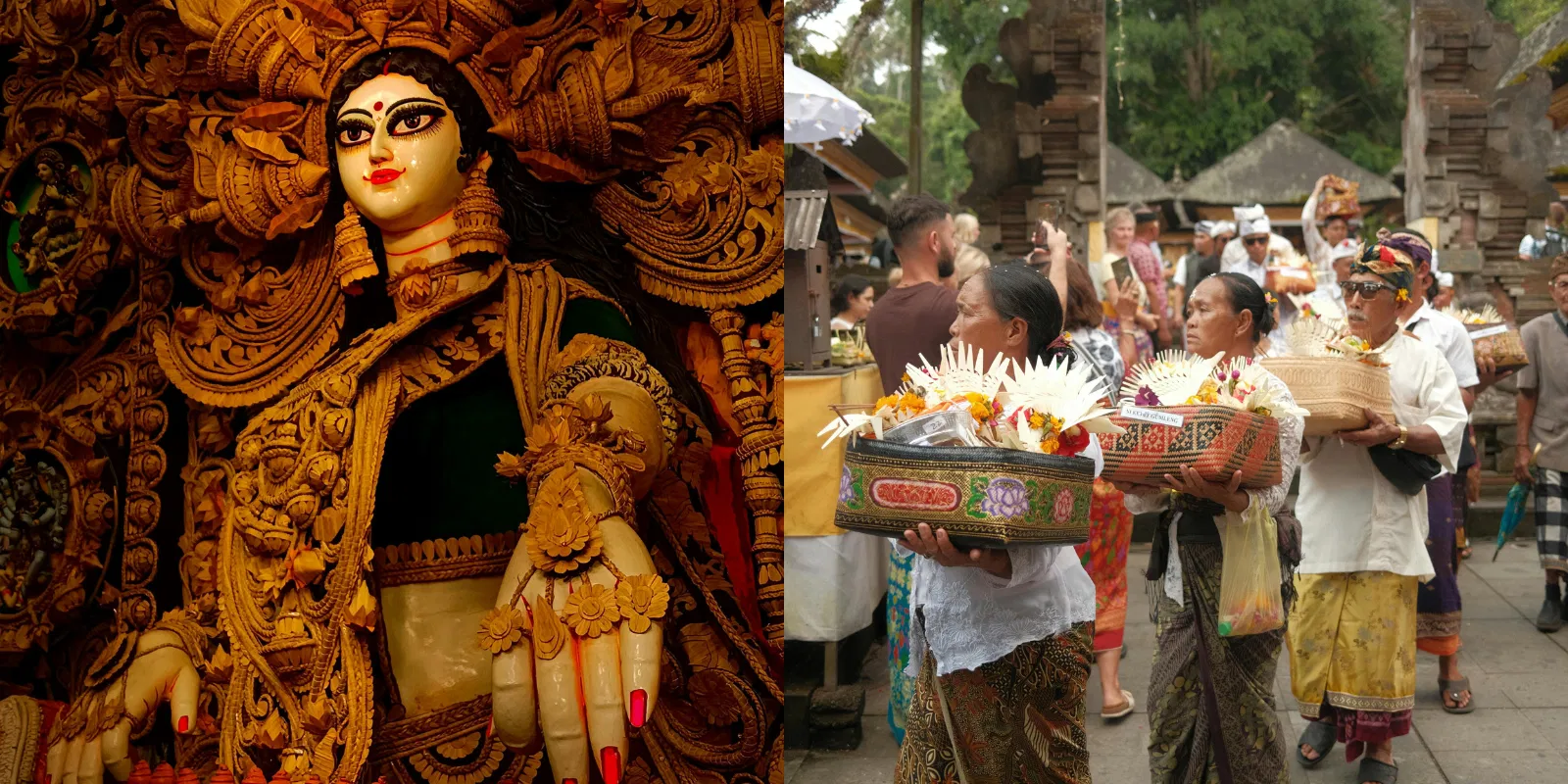
Balinese culture blends the sacred and the ordinary so beautifully. On Saraswati Day, for instance, locals honour the goddess of wisdom by offering flowers to books and learning materials. It is a day filled with colour, prayer, and gratitude for knowledge.
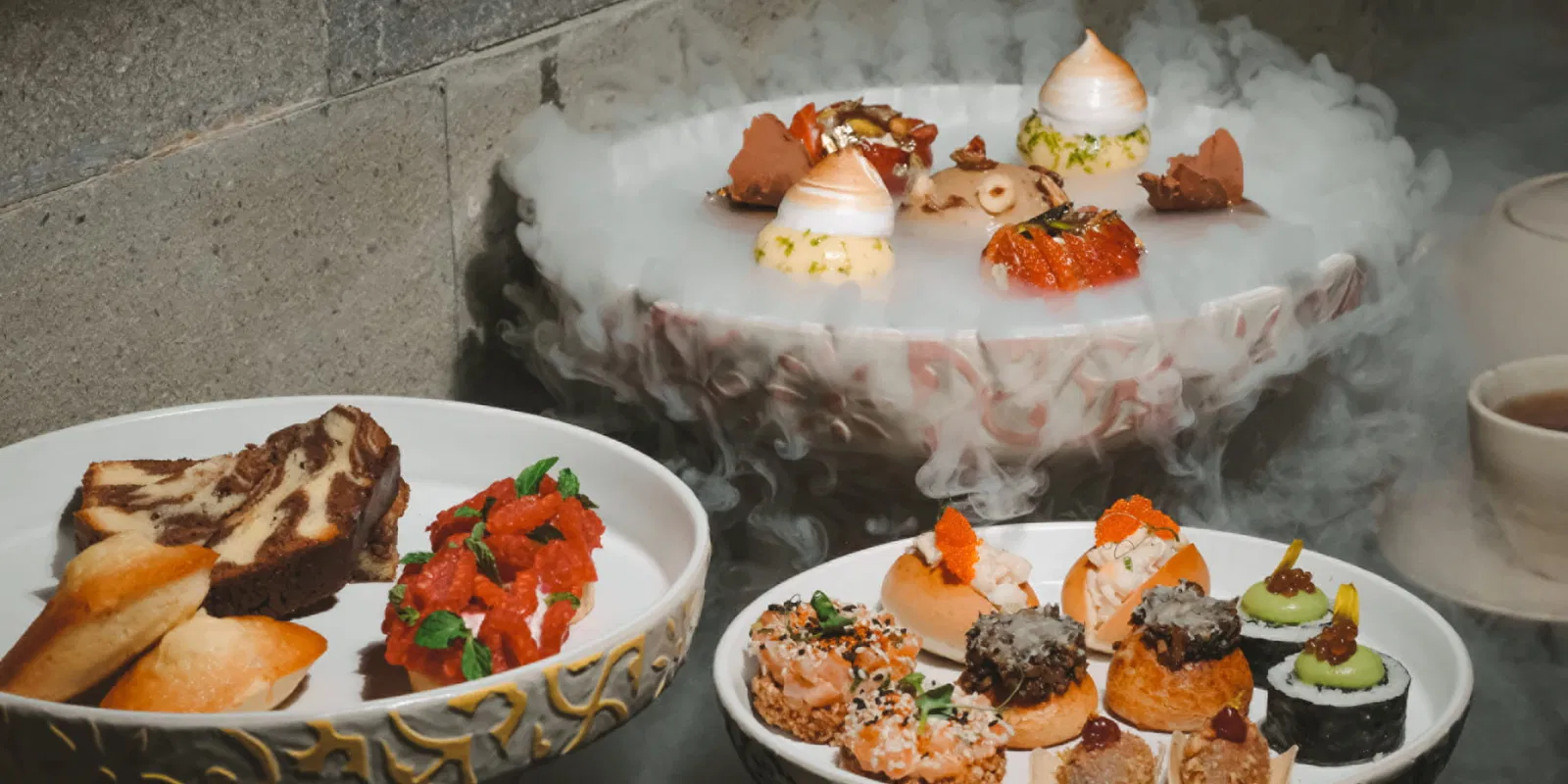
Bali’s cuisine is as rich as its culture. Local dishes like Babi Guling (roast pork), Bebek Betutu (slow-cooked duck), and Nasi Campur (mixed rice with various sides) are packed with flavour and tradition. Meals are often enjoyed with sambal, a spicy chilli paste, and shared among family and friends.
One evening, a local family invited me to have dinner with them at a tiny roadside warung. They served me Babi Guling with a side of stories about how their grandmother taught them the recipe, how each spice meant something. After the meal, they took me to a nearby Bali spa, where traditional massage and healing oils worked their magic. It wasn’t just relaxation, it felt like cultural therapy!
Later, I went on a thrilling Bali ATV ride through muddy jungle trails and rice fields. Every turn revealed something sacred, like tiny shrines, family compounds, or a quiet temple hidden in the trees. It reminded me how Bali’s spirituality and adventure go hand in hand.
Culture in Bali isn’t limited to people and temples, it is deeply tied to nature. From sacred jungles to spiritual springs, the land itself feels alive. At the Sacred Monkey Forest Sanctuary in Ubud, I saw how monkeys and humans share space peacefully. Just walking through that forest, surrounded by ancient trees and old statues, gave me goosebumps.
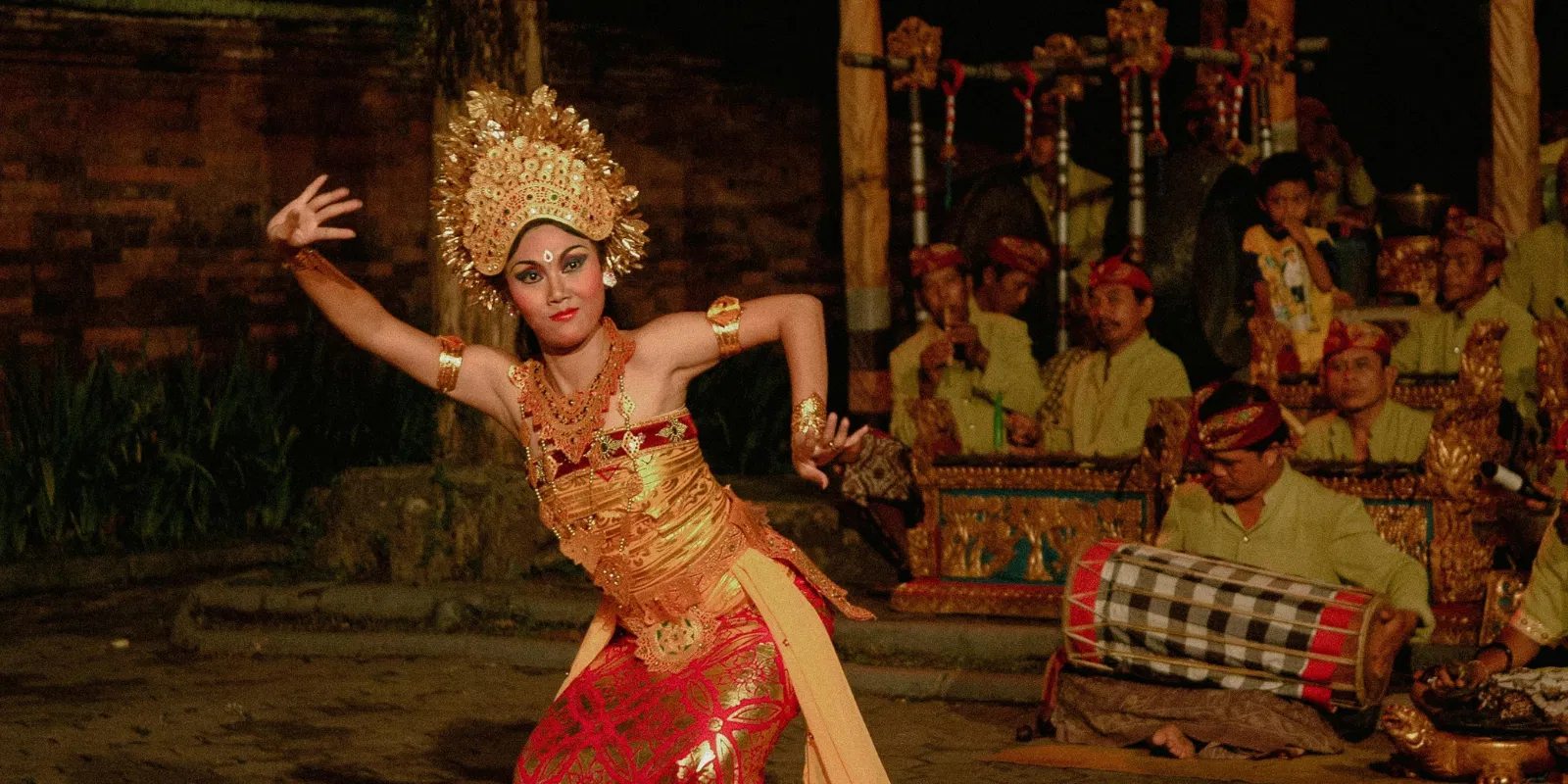
The sounds of Bali still echo in my mind. The Gamelan orchestra, with its metal chimes and drums, fills temple ceremonies and performances with rhythm and soul. I attended a Gamelan show and was drawn in by the hypnotic beats.
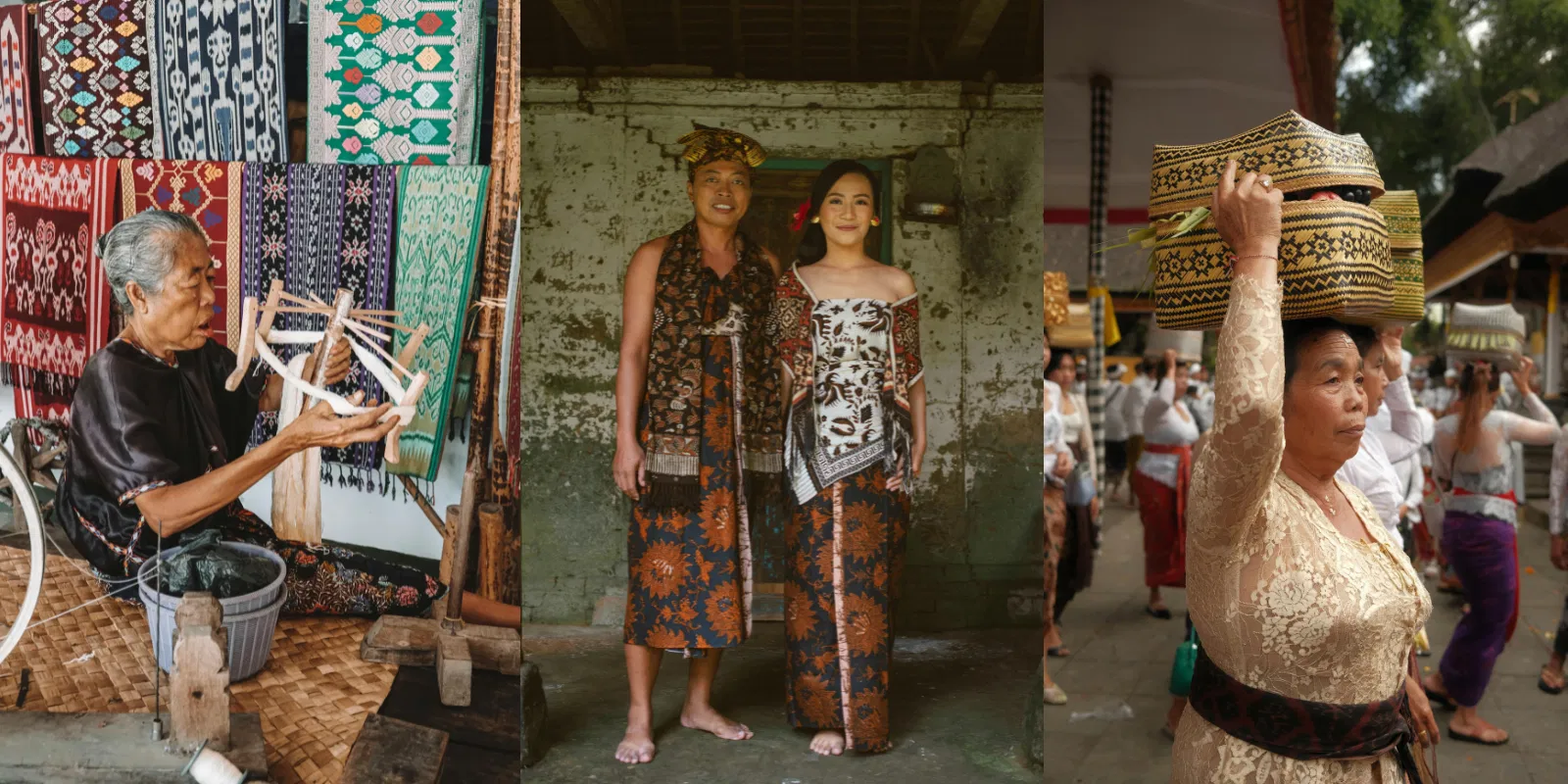
Later that day, I also visited a small workshop where women were making Batik (a traditional textile art that uses wax and dyes to create intricate patterns). I got to try it myself, and let’s just say it’s harder than it looks! Still, it gave me so much appreciation for the patience and detail that go into every single piece.
And this is what makes Bali stay in your hearts forever…
The more I explored Bali, the more I realised that its culture is not a tourist experience, it’s a way of life. It is present in every smile, every prayer and every shared plate of food. This is what makes Bali feel like more than just a destination. It feels like a lesson in how to live with gratitude, balance and meaning.
Last summer, I ended up staying a whole week longer than planned. I just could not pull myself away.
Feeling that Bali pull? It’s time to go
If reading this made you feel curious or even a bit emotional, that’s the Bali effect. It’s not just about Bali beaches, malls or waterfalls. It’s about connecting with something bigger. Trust me, you’ll carry these moments with you long after the trip ends, whether it’s walking through ancient temples, watching sacred dances, soaking in hot springs in Bali or simply sharing a meal with locals.
Come for the views. Stay for the soul.Om Swastyastu, till we meet again, Bali.
If this touched something in you, tell us — what part of Bali stayed with your heart? We’d love to hear your story too.