

What’s Inside Bali’s Sacred Uluwatu Temple?
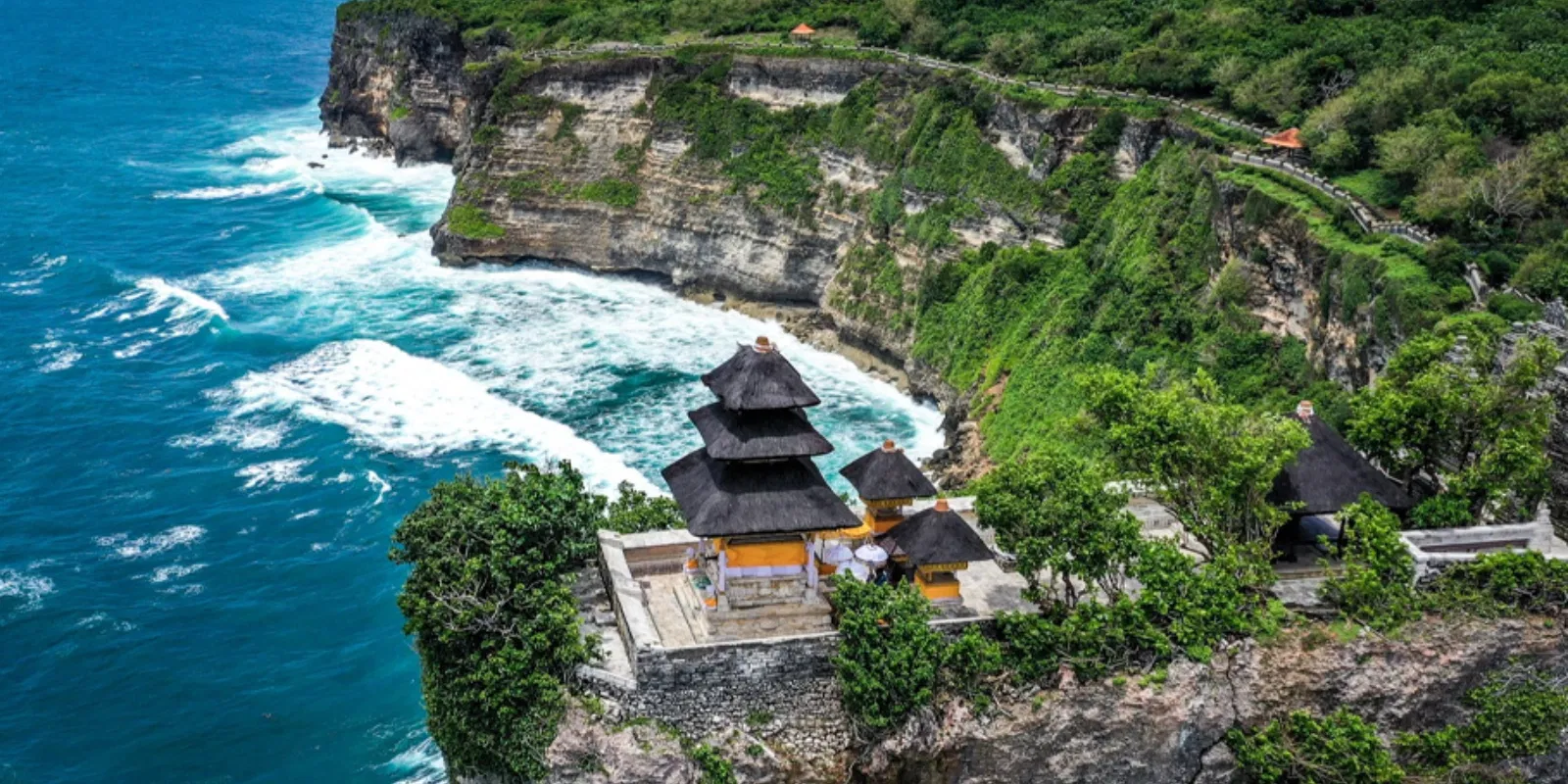
Perched on the edge of a dramatic limestone cliff, with the Indian Ocean roaring below, Uluwatu Temple is one of Bali’s most treasured landmarks. When you step through its stone gateways, carved with intricate Balinese motifs, you’ll feel pulled into a serene world where spirituality and natural beauty intertwine seamlessly. This blog unpacks the magic of Uluwatu Temple for travellers looking for a culturally rich escape in Bali.
Why visit Uluwatu Temple?
Uluwatu Temple, or Pura Luhur Uluwatu, is not just one of Bali’s most important Hindu temples but also a representation of harmony between humans, nature, and the divine. Built in the 11th century, the temple is dedicated to Sang Hyang Widhi Wasa (the Supreme God), who serves as a spiritual guardian against evil forces. Its name, Uluwatu, translates to “land’s end rock” – aptly describing its breathtaking location overlooking the ocean.
The resonance with Hindu spirituality is palpable. The temple showcases Balinese traditions influenced by Indian roots, giving you a familiar and refreshingly unique sense of connection.
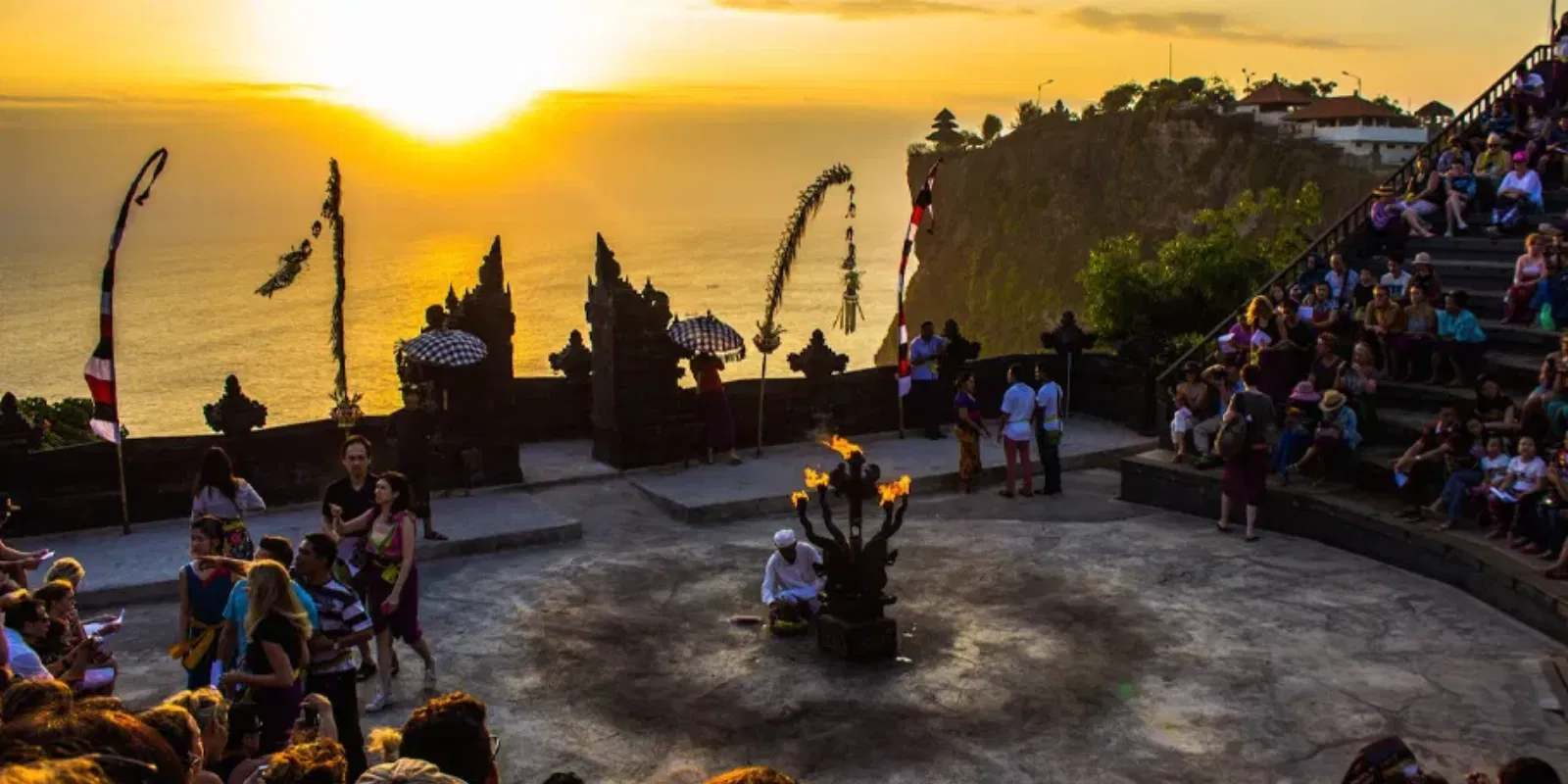
Imagine standing there during sunset, witnessing the golden sun dip into the horizon while silhouettes from a culturally charged Kecak Dance performance unfold beside you. It’s a scene postcard-worthy, but infinitely more magical when experienced in person.
Explore these other hidden gems in Bali.
Best time to visit Uluwatu Temple
The temple is best explored during Bali’s dry season (May to September), when the skies are clear, and the sunsets are unbeatable. Try to plan a visit in the late afternoon, giving yourself enough time to tour the temple grounds, stroll along the cliffside paths, and settle in for the famous sunset Kecak Dance, performed nightly in an open-air amphitheatre overlooking the ocean.
If you want fewer crowds, visit mid-morning between 9 and 11 am, before tour groups arrive.
How to reach Uluwatu Temple
Getting to Uluwatu Temple is relatively straightforward. Located in south Bali, it’s about a 45-minute drive from Ngurah Rai International Airport or major hubs like Seminyak and Kuta.
- By taxi: Balinese taxis are abundant, but for fair pricing, it’s best to use apps like Grab or Bluebird Taxi. A one-way trip should cost around IDR 150,000–250,000 (~₹800–₹1,300).
- Renting a scooter: If you’re comfortable navigating the roads, renting a scooter (approx. IDR 75,000/day) is an adventurous and affordable way to get around.
- Using Alike’s curated Bali holiday packages: The easiest way to enjoy stress-free travel, letting locals handle the routes while you soak in the views.
Unique experiences in Uluwatu Temple
Uluwatu Temple offers experiences that combine spirituality, nature, and performance art. Here’s what makes your visit extra special:
1. Sunset Kecak Dance
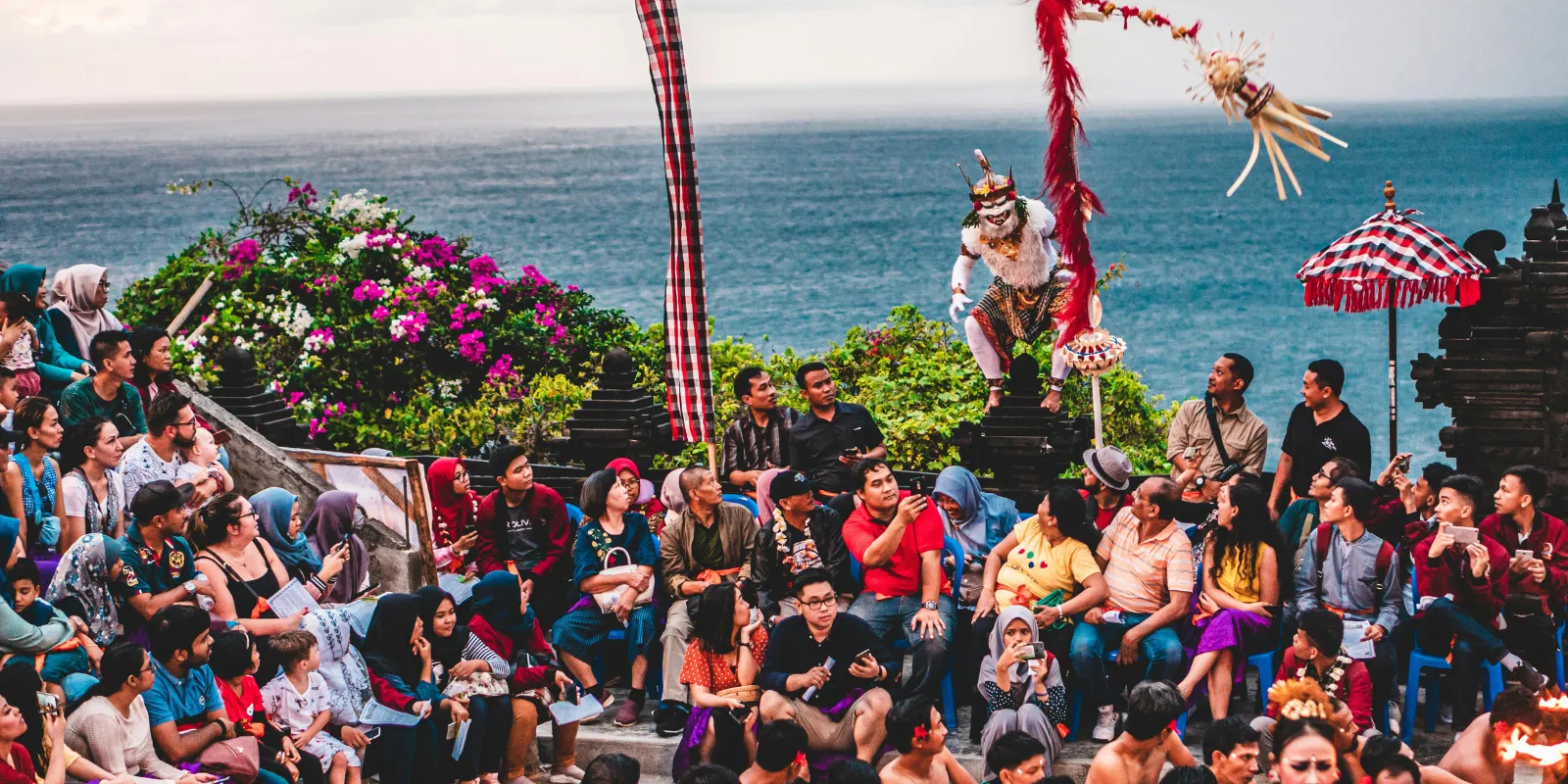
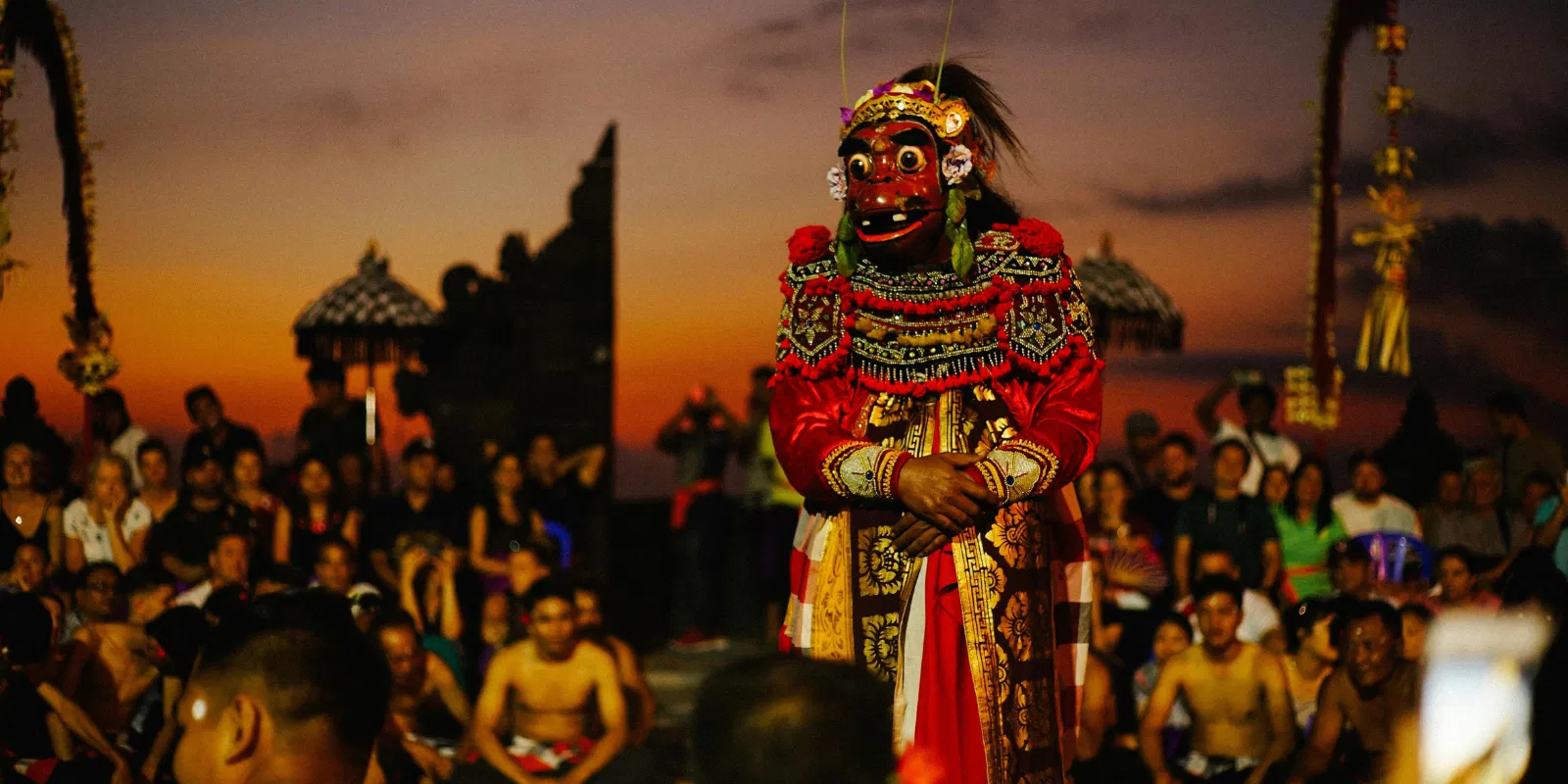
Picture sitting under a fiery sky while performers chant rhythmic “cak” sounds, reenacting scenes from the Ramayana in traditional Balinese form. The atmosphere is hypnotic, and its cultural depth makes it unforgettable. Performances usually start at 6:00 pm, so grab your tickets early!
2. Cliffside ocean views
The temple’s paths lead to jaw-dropping viewpoints, where the azure ocean collides against a rockface. This is every traveller's dream location for landscape photography, with panoramic vistas extending for miles.
3. Spirituality
While the inner sanctum is closed off to tourists (reserved for prayer), simply walking the grounds offers peace unmatched by any other spot in Bali. Look up at the beautifully adorned shrines and the locals making offerings. Even the scent of frangipani flowers carries with it a spiritual tranquillity.
Is Uluwatu Temple safe to visit?
Yes, Uluwatu Temple is perfectly safe for travellers. However, keep these tips in mind:
- Monkey mindfulness: Avoid carrying flashy items as they can catch the monkeys' eyes.
- Cliff safety: Stay within marked areas, as the cliff edges can be slippery.
- General respect: Dress modestly or borrow a sarong and sash offered at the entrance – it's a gesture of reverence towards local culture.
Travel tips for Uluwatu Temple
- Carry cash: Entry costs IDR 50,000 (~₹250) per adult, and local food stalls prefer cash.
- Dress appropriately: Modest clothing is essential, but sarongs are preferred.
- Stay hydrated: It can get hot during the day, so bring a water bottle.
- Monkey Encounters: The temple complex is home to cheeky macaque monkeys, famed for their antics. Be mindful of your belongings like sunglasses or phones – you’ll hear stories of clever monkeys that turn thieves before visitors give up a polite bribe of fruit!
Read this guide to know more about Bali’s culture.
Cost of travel to Uluwatu Temple
Cost factors can vary depending on your travel style, but here’s a general breakdown:
- Entry ticket: ₹250
- Taxi round-trip from Seminyak: ₹1,600
- Sunset Kecak Dance ticket: ~₹500
- Snack stalls: ₹100–₹300 for fresh coconuts or satays.
- Alike’s curated Bali holiday package: Check current deals.
Public transport & getting around Uluwatu Temple
Unfortunately, Bali isn’t known for its strong public transport infrastructure. Your best bet is a private driver, a taxi app, or renting a scooter. Shared minibuses called bemos operate sporadically but are not recommended for tourists unfamiliar with routes.
Visa requirements for Uluwatu Temple
Good news! Indian travellers visiting Bali can now enjoy a free visa holiday – no visa application hassle required! Alike takes the convenience up a notch by offering curated visa-free holiday packages, so you only focus on exploring.
Indians, read this guide for the Bali Visa guide.
Local etiquette & customs in Uluwatu Temple
Here are a few cultural practices you'll want to honour during your visit:
- Sacred Ground Respect: Don’t climb on temple structures or enter restricted areas.
- Silence is Golden: Loud chatter or phone use near prayer areas is discouraged.
- Offerings: You’ll notice daily offerings of flowers and rice in woven baskets. Avoid stepping on them—they’re sacred to the Balinese people.
- Monkey Etiquette: Observe the playful monkeys respectfully, guarding your belongings from their curious antics.
- No Feet Forward: When sitting near altars or sacred areas, never point your feet towards them, which is considered disrespectful.
Uluwatu Temple in different seasons
- Winter (~Nov–Feb): Monsoons bring heavy rains, making cliff paths slippery. Though mornings may offer clearer skies, this is not ideal for those chasing sunset views.
- Summer (~May–Sept): The dry season ensures picturesque sunsets and noon walks with blue skies overhead.
- Shoulder seasons (~March/Oct): A Balance between crowd-free mornings and warm afternoons.
Read this detailed Bali season guide.
Explore these monsoon special treks in Bali.
Bali is calling, and Uluwatu Temple must be at the top of your cultural to-do list. Whether it’s the magical cliffside views or the spiritual heartbeat of the sacred temple, your trip to Uluwatu promises unforgettable moments.
Let’s make your Balinese adventure extraordinary. Book your journey here and get a free visa on a holiday package booking in a 3N+ holiday. Instead, you can swap the Visa cost for these experiences in Bali. Go, rush! Limited time offer.