A guide to Balinese cooking classes: Spice, soul, and sambal
You land in Bali, lungs full of clove-scented air, sarong snug around your waist, and you're already in love. The sunsets are golden, the beaches whisper secrets, and the food? It hits a chord somewhere between nostalgia and pure, fiery joy. But eating it isn’t enough anymore. You want to make it—from scratch, like a local, with your hands smelling of lemongrass and your heart full of coconut milk. Enter: Balinese cooking classes, a wildly rewarding way to deep-dive into the island’s soul.
Book your holiday with Alike and get your Free Tourist Visa. And while you are here, slot in a half-day for a Balinese cooking class. Trust me—it’s not just cooking; it’s storytelling over fire. Also, instead of paying for that visa fees, you can swap the visa cost for these experiences in Bali.
Why Indian travellers love it (and why you totally will)
There’s something delightfully familiar about Balinese food if you’ve grown up with Indian spice. The use of turmeric, tamarind, shallots, garlic—it’s all comfortingly close. But then they throw in candlenuts, banana stems, galangal, and shrimp paste, and suddenly it’s a new adventure. That blend of the known and the unknown? That’s what makes Balinese cooking classes so appealing for Indian travellers.
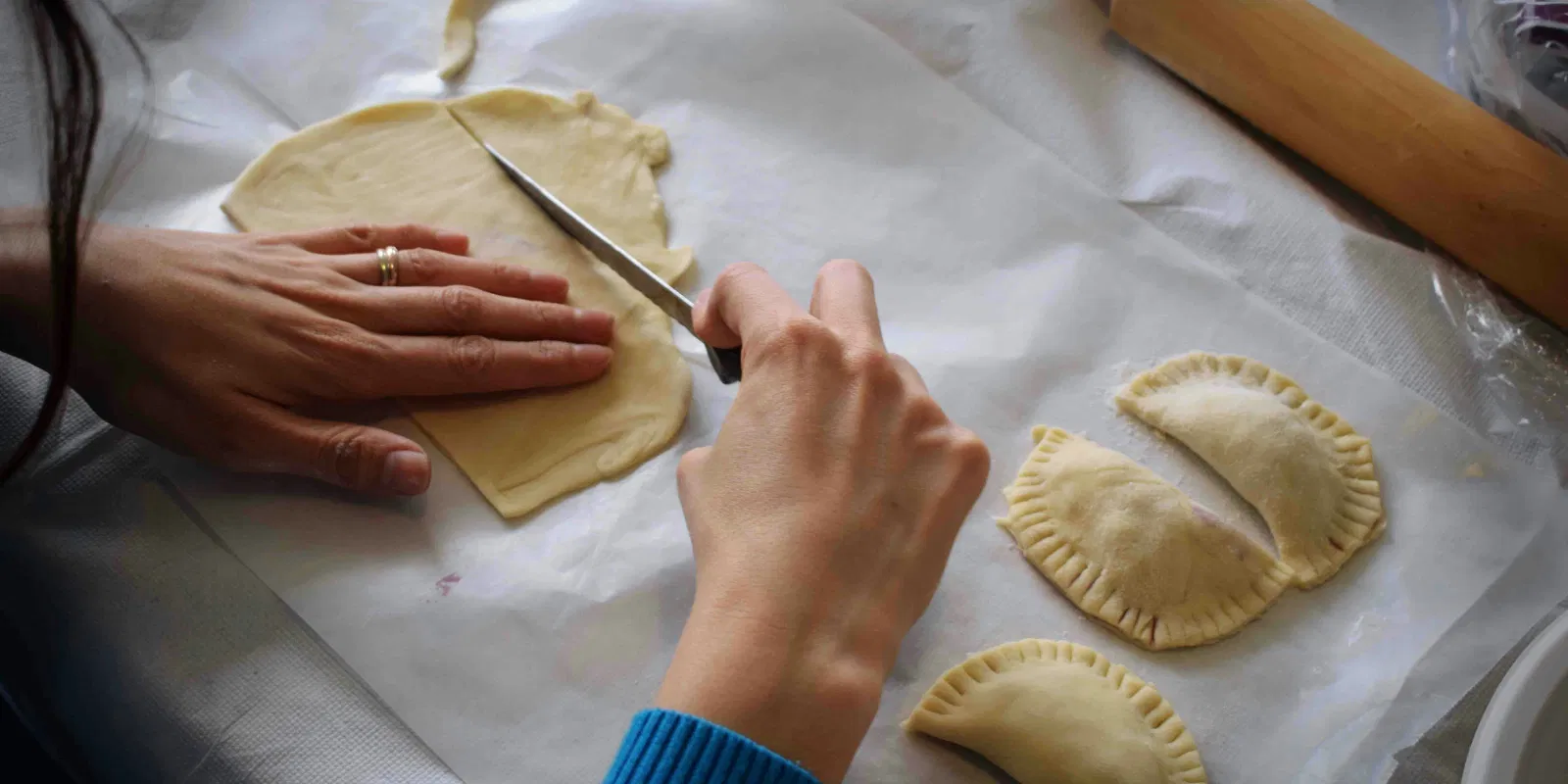
Plus, it’s not just about eating. You’ll grind, wrap, steam, fry, and even pound sambal into a mortar with a pestle so large you’ll feel like you’re prepping for a royal feast. And honestly, aren’t holidays better when you come back with skills (and not just fridge magnets)?
Indians, read this guide for information on the Bali visa.
Where to go for the most flavourful cooking classes in Bali?
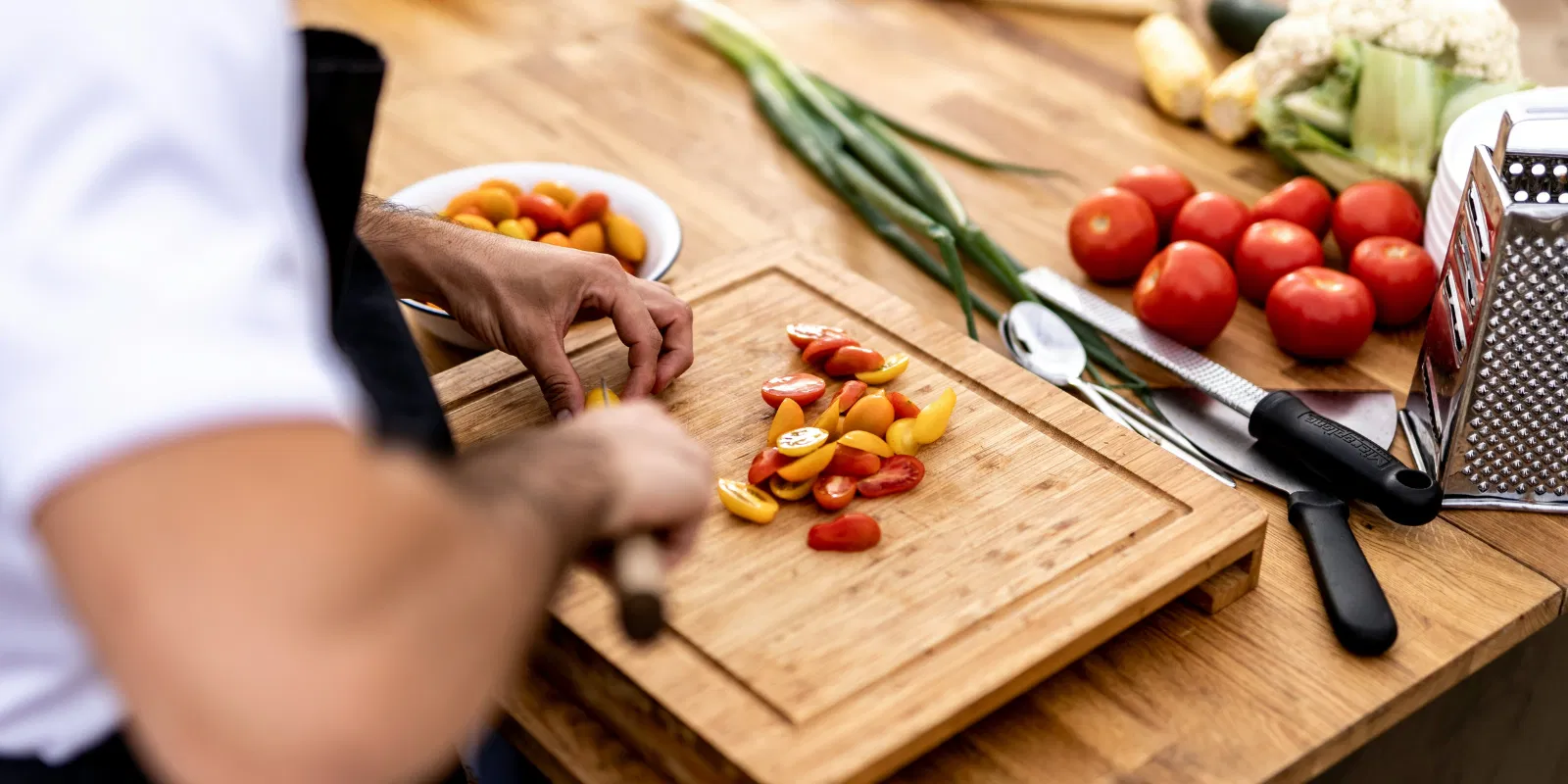
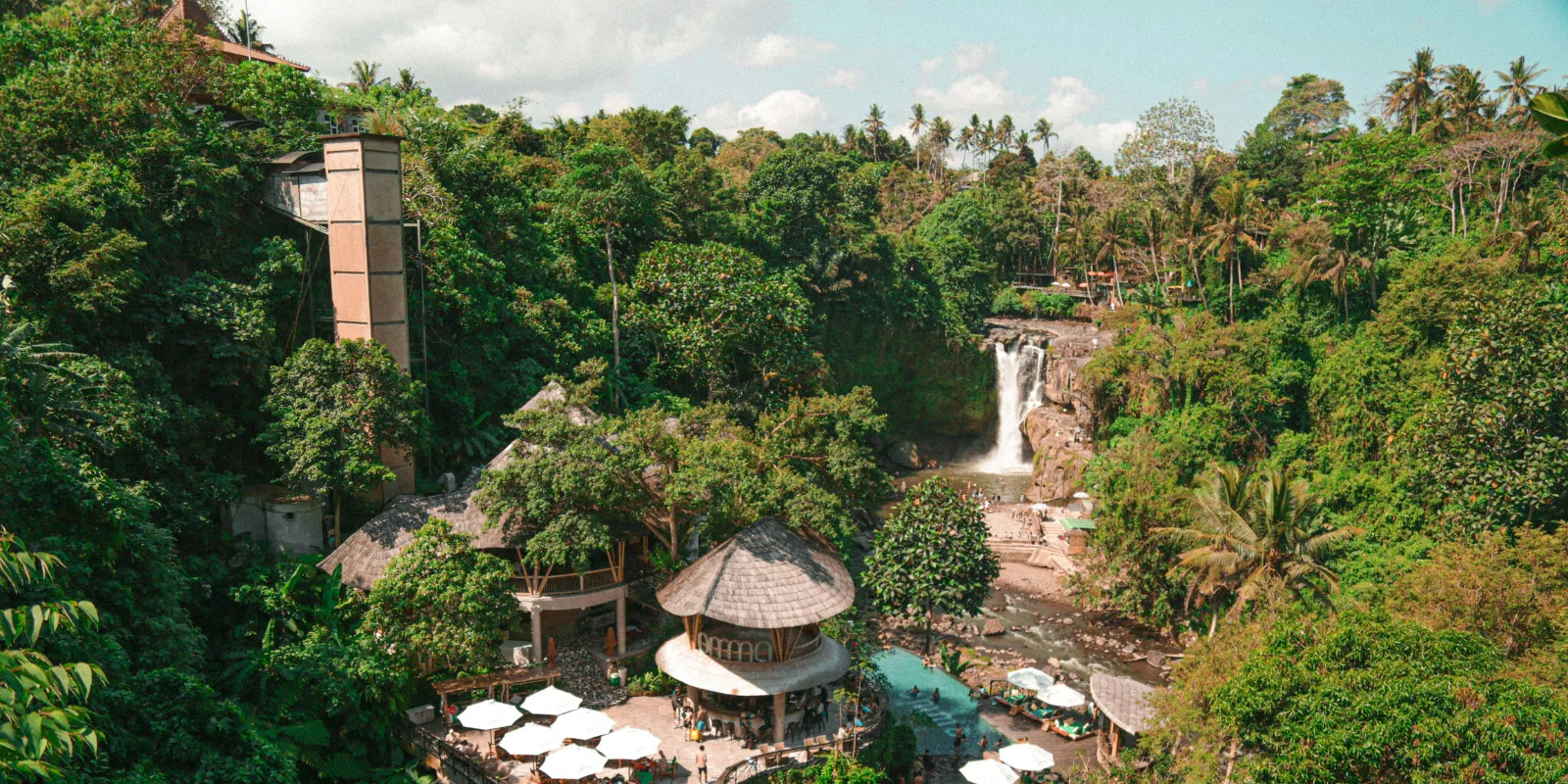
Let’s talk hyperlocal, because not all cooking classes are made equal. Sure, you’ll find decent ones in Canggu and Kuta. But the real flavour bombs? You’ll find them nestled in Ubud’s rice paddies or tucked into sleepy villages like Sidemen and Payangan.
Ubud Cooking Class at Paon Bali: Run by a lovely couple, Wayan and Puspa, this class begins with a market tour in Ubud's morning madness. You’ll pick up snake fruit, coconut sugar, and hear tales of spice barter from decades ago.
Pemulan Bali Farm Cooking School: You pluck your ingredients straight from the soil—lemongrass, kaffir lime, and basil—and then get cracking in an open-air kitchen.
Lobong Culinary Experience: This is less “class” and more “spiritual immersion.” It’s held in a traditional Balinese compound in Sanggingan, where you’ll also learn about offering rituals, daily temple customs, and the significance of food as a sacred element.
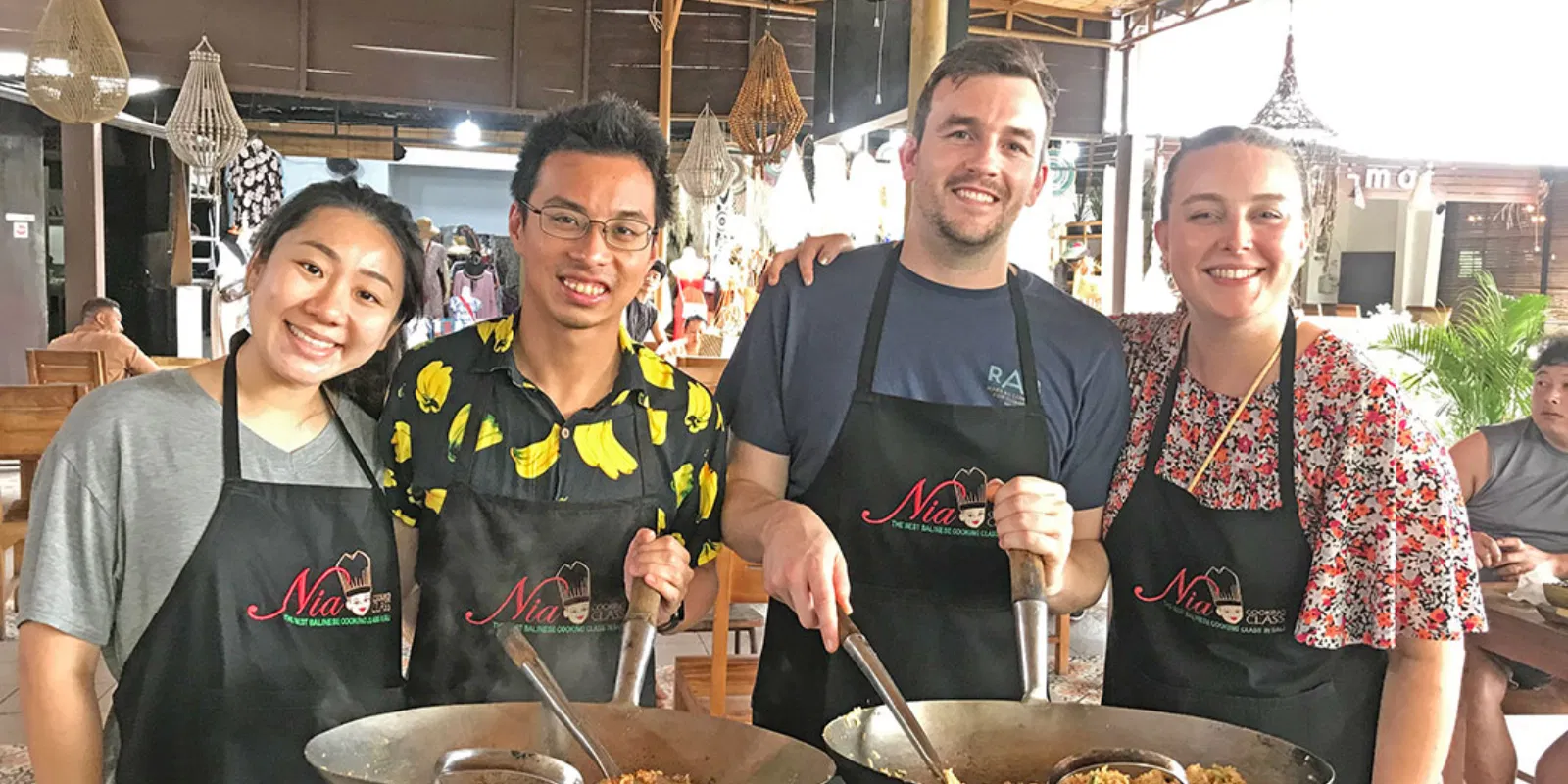
Nia Cooking School in Seminyak: Great if you’re staying closer to the beaches and still want to squeeze in a session. You won’t get rice terraces, but you’ll still get excellent chicken satay with peanut sauce that'll linger in your dreams in a good way.
What you’ll actually be cooking (and what not everyone tells you)
- Sambal Matah: This raw Balinese chilli relish is made fresh every day, and every family swears theirs is best. You’ll be finely chopping chillies, lemongrass, shallots, and dousing them with coconut oil that’s just been sizzling with garlic. It’s bright, zingy, and punchy.
- Bumbu Bali: Think of this as the island’s garam masala. It’s a base paste of turmeric, coriander, ginger, galangal, and more. You’ll pound it for at least 20 minutes, sweating like a true islander. But once it’s ready, it goes into everything—from soups to grilled meats.
- Ayam Betutu: A ceremonial dish where a whole chicken is slathered in bumbu paste and wrapped in banana leaves. It’s steamed or slow-cooked in coconut husks for hours. You’ll usually make a quick version, but you’ll understand the layers behind it.
- Pisang Goreng: Banana fritters, but imagine them with palm sugar caramel, shredded coconut, and sesame seeds. A simple joy, but no less poetic.
Many classes also include how to make Canang Sari—those beautiful daily offerings you’ll see everywhere, made with flowers, banana leaves, and prayers. It’s not “cooking,” but it’s an essential part of Balinese life and a gentle reminder that food here isn’t just nourishment—it’s ritual.
Local hacks and unexpected joys
Don’t wear white. Between turmeric paste, coconut milk splatters, and sambal stains, you’ll look like a turmeric explosion. Go comfy. Aprons help, but stains are inevitable—and part of the fun.
Most cooking schools offer vegetarian and halal-friendly options, which is great if you’re travelling from India. But always double-check, especially with Lawar or shrimp-based pastes.
Arrive hungry. You’ll be tasting everything as you go, and by the time you sit down to your six-course lunch, you’ll still wish you had a bigger stomach.
Keep your camera close, but not too close. That sambal splash can take no prisoners.
If you are a solo woman planning a Bali holiday in 2025, read this - Travel Hacks Every Solo Woman Traveller Needs in Bali.
Getting there and planning tips
Most classes are either morning or early afternoon slots, lasting 4–5 hours. Morning sessions usually include a traditional market tour, which is well worth the early wake-up.
Prices range from IDR 300,000 to IDR 500,000 (approximately ₹1,500–₹2,500) per person, inclusive of transportation, ingredients, and a full meal.
Book through Alike for curated experiences that cut the fluff and connect you to truly local places.
What else is nearby (because why stop at cooking?)
If you’re in Ubud, pop into the Pura Taman Saraswati temple right after your class—it’s close, serene, and often overlooked. Or take a walk down Campuhan Ridge to let your meal digest with views that look like an oil painting. In Seminyak, head straight to Revolver Espresso or Sea Circus post-class for an iced coffee kick.
Hungry later? Go try Bebek Bengil (The Dirty Duck Diner) in Ubud for crispy duck that melts in your mouth. Or Warung Eny in Seminyak, where the grill smoke hits your face before you even get to the door.
Let’s be real—this isn’t just a cooking class
It’s theatre. It’s folklore. It’s grandma's wisdom passed on through chillies and charcoal. You’ll walk away with more than recipes. You’ll carry the memory of that one time you chopped too slow and were gently told, “In Bali, we cook with the heart, not the knife.”
And next time someone asks about your Bali holiday package, you won’t just talk about the beaches. You’ll speak about sambal, spice, and how, in a little village kitchen, you stirred your way into a whole new world.
Know more about how to plan your Bali holiday package on a Budget.
FAQs about Balinese cooking classes
1. Do I need cooking experience to join a class?
Not at all. Most classes are beginner-friendly and focus more on experience than technique.
2. Are classes suitable for vegetarians or vegans?
Yes! Most schools offer vegetarian options. Just inform them while booking.
3. How much do Balinese cooking classes cost?
Typically between IDR 300,000 and 500,000 (₹1,500–₹2,500), including meals and transfers.
4. Are children allowed in cooking classes?
Some classes allow kids over a certain age (usually 7+). Check in advance.
5. How long does a typical class last?
Around 4 to 5 hours, including market visits, cooking, and eating.
6. Will I get recipes to take home?
Yes, most classes share printed or digital recipe booklets.
7. Do I need to bring anything?
Just yourself and an appetite. They provide all ingredients and utensils.
8. Can I book a private class for a group?
Absolutely. Many schools offer private group bookings for families or friends.
9. Are these classes included in Bali holiday packages from India?
Sometimes. With Alike, you can easily add it to your Free Visa Holiday to Bali.
10. What’s the best location for a cooking class in Bali?
Ubud is best for taking cooking classes in Bali, but Seminyak and Sanur also offer great options.
If you’re planning your Bali holidays 2025, keep a slot for Balinese cooking classes. Learn it. Live it. Cook it. And trust us—there’s no better souvenir than a dish you can make with your own two hands. Book your Bali holiday package with Alike and we’ll make sure your itinerary includes spice, stories, and sambal.