
Family-Friendly London: Age-by-Age Guide to the Best Attractions
London rewards families who plan around age, not around a generic "top 10" list. A day that works brilliantly for a curious eight-year-old will exhaust a toddler and bore a fifteen-year-old. The attractions themselves rarely change; what changes is the order you visit them in, how long you stay, and how many you attempt in one day. Once your family's list runs to three or more paid attractions, our London Tourist Pass lets you build around exactly that list rather than a fixed bundle sized for someone else's trip.
This guide is organised the way most families actually plan: by age group first, logistics second.
How many attractions can a family realistically do in a day?
Fewer than most itineraries suggest. For families with children under 10, two attractions a day is a comfortable ceiling once you account for travel time between sites, a proper lunch break, and at least one unplanned stop (a park, a snack, a meltdown). Families with teenagers can usually manage three, since older children walk faster and need less downtime.
Build in a buffer day, especially if you're arriving from a different time zone. The first full day of a London trip is rarely anyone's most energetic.
Under 5s: prioritise open space and short visits
Very young children get more out of London's outdoor and interactive spaces than its historic interiors, which are often crowded, echo-heavy, and light on things a toddler can touch.
- Hyde Park and Kensington Gardens: the Diana Memorial Playground inside Kensington Gardens is purpose-built for younger children, with shaded seating nearby for parents.
- London Zoo: plan for a half-day rather than a full one; toddlers tend to lose interest after two to three hours regardless of how many enclosures are left.
- Natural History Museum (Dinosaur Gallery only): rather than attempting the whole museum, treat this as a 45–60 minute visit to one gallery. The full museum is genuinely too much for this age group in a single visit. The museum's outdoor gardens, now rebranded "Our Gardens" following a recent renovation, are free and open daily, and make a good add-on if the weather's cooperating.
- Coram's Fields: a lesser-known green space near King's Cross with play equipment specifically scaled for younger children, and quieter than the big-name parks.
Avoid scheduling anything requiring a fixed timed-entry slot first thing in the morning with this age group. Naps and unpredictable mornings make hard start times stressful.
Ages 5–11: the sweet spot for London's big attractions
This is the age range London's major family attractions are actually designed for, and where a well-sequenced day works best.
- Tower of London: the Crown Jewels and the Yeoman Warder tours hold attention well at this age; arrive close to opening to avoid the mid-morning crowd surge.
- London Eye: a 30-minute capsule ride is long enough to be memorable without testing patience. Best combined with a riverside walk afterwards rather than another indoor attraction immediately following.
- Natural History Museum (full visit): this age group can handle the full museum, particularly the gardens in warmer months.
- Warner Bros. Studio Tour: a genuine highlight for Harry Potter fans in this age bracket, though it requires a half-day commitment including travel from central London.
- Science Museum: the interactive galleries (Wonderlab in particular) outperform anything passive for holding a child's attention through a full afternoon.
This is also the age range where a multi-attraction pass tends to make the most planning sense: children in this bracket can genuinely enjoy three or four ticketed sites across a trip, which is exactly where per-ticket costs add up fastest for a family of four.
Teenagers: give them some say in the itinerary
Teenagers disengage quickly from anything that feels like it was planned entirely by a parent. The attractions that work best at this age are the ones with a genuine "wow" factor or a degree of independence built in.
- The Shard: the view resonates more with teenagers than younger children, who often find the height underwhelming compared to the ticket price.
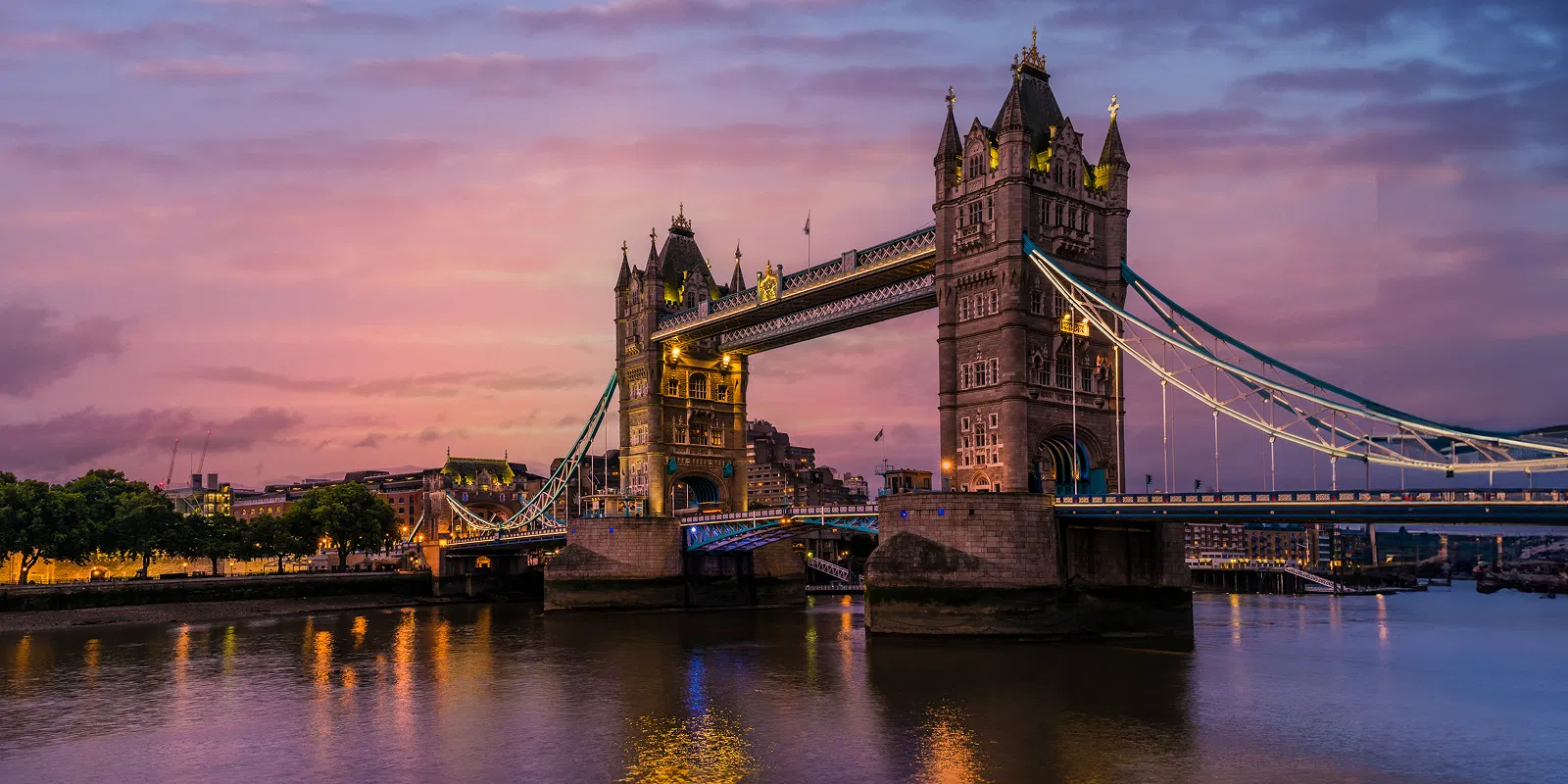
- Tower Bridge (the glass floor walkway): a quick, high-impact visit that fits well between two longer activities.
- Camden Market: less a single attraction than a few hours of independent-feeling browsing, food stalls and people-watching that teenagers tend to enjoy more than another museum.
- West End matinee: an afternoon show is an easy way to convert "just one more museum" resistance into genuine enthusiasm.
Weather backup plan
London's weather changes plans more often than any itinerary accounts for. If rain disrupts a day, keeping a shortlist of indoor alternatives by area, museums, indoor markets, a cinema or a swimming pool near wherever you're staying, means you're not improvising on the day itself.
Planning multiple attractions without multiple bookings
Once a family itinerary includes three or more paid attractions, most parents end up juggling separate booking confirmations, different entry times, and several email inboxes' worth of tickets. A tourist pass exists specifically to remove that admin: you choose which attractions you actually want to visit, not a fixed bundle you didn't ask for, and manage entry times for the whole family from one place.
It's worth checking the numbers for your specific itinerary rather than assuming a pass is automatically cheaper. For a family visiting two attractions, individual tickets are sometimes the better option. For three or more, the savings and the reduced planning effort both tend to add up. Our London Tourist Pass page lets you build a list from the attractions above and see the cost side by side before deciding.
If you're not sure how to sequence a multi-day family trip around nap times, opening hours and travel between areas, Eia, Alike's AI trip planner, can help put together an itinerary based on your children's ages and how many days you have.

Keep planning
If you're building a list of three or more attractions for your trip, compare it against buying tickets individually on the London Tourist Pass page. For the maths behind how those savings scale, see How Tourist Pass Savings Work, and for how flexible your validity window needs to be around nap times and weather days, see Tourist Pass Flexibility Explained.
Frequently Asked Questions (FAQ)
What's the best area to base a family in London?
What's the best area to base a family in London?
Is the Tower of London suitable for young children?
Is the Tower of London suitable for young children?
How much walking should we expect between attractions?
How much walking should we expect between attractions?
Should we book attraction tickets in advance?
Should we book attraction tickets in advance?
Is the Natural History Museum free for families?
Is the Natural History Museum free for families?
How many days do we need for a family trip covering London's main attractions?
How many days do we need for a family trip covering London's main attractions?