Koh Samui in April: Is It Worth Visiting During the Transition Season?
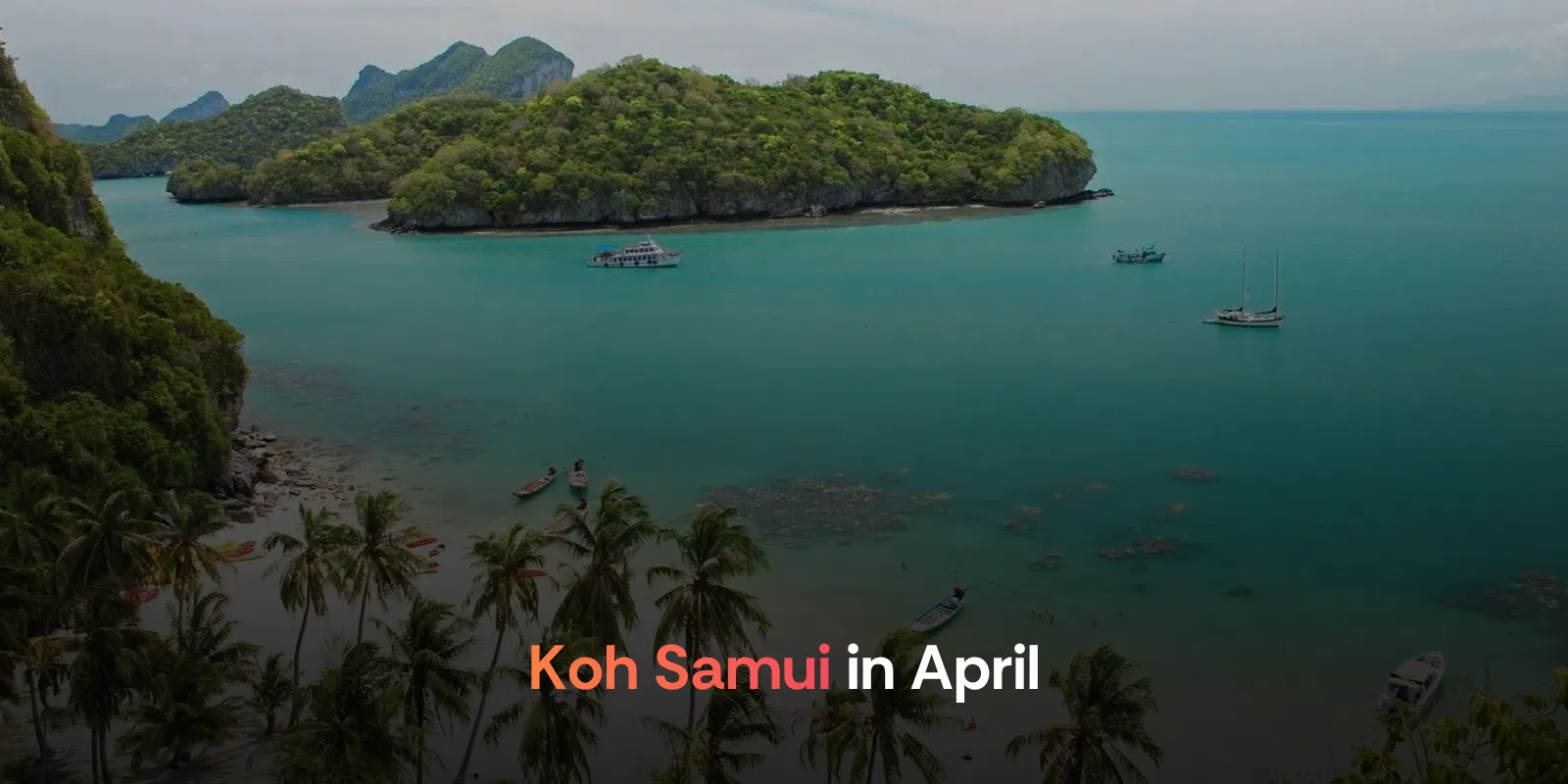
"เกาะสวย, น้ำใส, ทะเลสวย" – Beautiful island, clear water, beautiful sea. That's how my taxi driver described Koh Samui as we drove from the airport toward Chaweng Beach, passing coconut plantations that have supplied Bangkok with fruit for over a century. It was early April, the air thick with humidity but not yet oppressive, the sky a patchwork of clouds threatening rain that never quite arrived. Welcome to Koh Samui in transition season – that peculiar window between the tourist-packed dry months and the monsoon downpours, when the island pauses, exhales, and reveals a quieter, more authentic version of itself.
April sits awkwardly in Thailand's seasonal calendar. It's the hottest month across most of the country, yet on Koh Samui, positioned in the Gulf of Thailand with its own microclimate, April behaves differently. This is the tail end of the island's dry season before the southwest monsoon arrives in May, creating a brief interlude where weather remains largely cooperative, crowds thin dramatically, and prices drop enough to make luxury suddenly affordable. But is Koh Samui worth visiting in April? The answer depends entirely on what kind of traveller you are – and how much you value elbow room over guaranteed sunshine.
Book your Thailand Holidays here.
What is Koh Samui?
Koh Samui is Thailand's second-largest island after Phuket, lying 35 kilometres off the coast of Surat Thani province in the Gulf of Thailand. Spanning 228 square kilometres, the island combines palm-fringed beaches, jungle-covered mountains, Buddhist temples, luxury resorts, and fishing villages that have somehow resisted complete tourist transformation. Unlike Phuket's party-heavy reputation or Krabi's adventure focus, Koh Samui occupies a middle ground – upmarket but not snobbish, developed but not overdeveloped, accessible but retaining pockets of genuine local life.
The island's interior remains largely agricultural, with coconut plantations covering hillsides and waterfalls hidden in tropical forests. The coast divides into distinct personalities: Chaweng Beach draws younger crowds with its nightlife and water sports; Lamai offers a more laid-back alternative with budget-friendly options; Bo Phut and Maenam cater to families and couples seeking quieter stretches; whilst Choeng Mon and the northeast coast host some of Thailand's most exclusive resorts, including the renowned Garrya Tongsai Bay Samui, which cascades down a private cove with architecture that seems to grow organically from the surrounding rocks.
Why travellers consider Koh Samui in April
April occupies an odd position in Koh Samui's calendar. It's technically the end of high season, yet tourist numbers drop significantly as European families return home after Easter holidays and before summer breaks begin. This creates what locals call the "transition season" – a brief window from mid-April through early May when the island operates at half capacity.
The practical advantages are compelling. Koh Samui accommodation rates plummet by 30–50% compared to January–March, meaning that five-star resorts suddenly become accessible to mid-range budgets. Restaurants that required advance bookings in February now welcome walk-ins. Beaches that felt crowded in March offer space to actually spread a towel without touching strangers. The main things to do in Koh Samui – temple visits, elephant sanctuaries, snorkelling trips, cooking classes – operate with smaller groups and more personalised attention.
Weather-wise, April presents a gamble worth understanding. Average temperatures hover around 30–32°C with high humidity, making it feel hotter than the thermometer suggests. Rain becomes more frequent as the month progresses – expect 3–7 rainy days in April, typically short afternoon thunderstorms rather than all-day deluges. The sea remains calm and swimmable, particularly on the east coast beaches (Chaweng, Lamai, Choeng Mon), though occasional choppy conditions can disrupt boat trips to nearby islands.
For Indian travellers, Bangkok to Koh Samui connections are straightforward, with multiple daily flights from Suvarnabhumi Airport. Europeans fleeing lingering spring chills appreciate Thailand's warmth, whilst Australians escaping their autumn find April a convenient shoulder-season escape. The key is setting appropriate expectations – come prepared for heat and occasional rain, and you'll discover an island that feels refreshingly uncrowded compared to peak season chaos.
Location and accessibility
Koh Samui sits in the Gulf of Thailand, approximately 700 kilometres south of Bangkok and 80 kilometres from mainland Surat Thani. Samui International Airport (USM) serves as the primary gateway, though the island is also accessible by ferry from the mainland and from neighbouring islands.
| Route | Travel Time | Approximate Cost | Notes |
|---|---|---|---|
| Bangkok to Koh Samui (flight) | 1 hour 20 minutes | ₹4,500–₹9,000 | Bangkok Airways near-monopoly; book advance for better rates |
| Bangkok to Koh Samui (train + ferry) | 14–16 hours | ₹1,200–₹2,800 | Overnight train to Surat Thani, then ferry; scenic but lengthy |
| Bangkok to Koh Samui (bus + ferry) | 12–14 hours | ₹900–₹2,200 | Government or private bus to Surat Thani, connect to ferry |
| Phuket to Koh Samui (ferry) | 5–6 hours | ₹1,800–₹3,200 | Via Seatran, Lomprayah ferries; can be rough in April |
| Koh Samui to Bangkok (flight) | 1 hour 20 minutes | ₹4,500–₹9,000 | Return flights often cheaper as package deals |
| Koh Phangan to Koh Samui (ferry) | 30–45 minutes | ₹350–₹700 | Multiple daily departures from Thong Sala pier |
Getting around Koh Samui: The island has no public transport system, so you'll rely on songthaews (shared pickup trucks, ₹50–₹100 per trip within zones), motorbike taxis (₹40–₹80 for short distances), private taxis (₹300–₹800 depending on distance), or rental vehicles. Renting a scooter (₹200–₹350/day) or car (₹1,200–₹2,500/day) provides maximum flexibility, though traffic around Chaweng and Lamai can be chaotic. Many resorts offer complimentary shuttle services to main beaches and Nathon town.
Visa requirements (as of April 2026): Indian passport holders receive visa on arrival for stays up to 15 days (₹1,600 approximately). For longer stays, apply for a 60-day tourist visa through Thai Embassy Delhi or Mumbai. European Union, UK, US, Canadian, and Australian citizens receive 30-day visa exemptions on arrival. Always verify current requirements at your nearest Thai consulate before travel.
What you can do in Koh Samui
Beaches that define the island
Koh Samui's 25 beaches each cultivate distinct atmospheres. Chaweng Beach, the island's longest and most developed stretch, curves for 7 kilometres along the east coast. In April, the beach finally breathes after months of wall-to-wall tourists. The water remains warm and swimmable (27–29°C), though occasional jellyfish appear – look for warning signs or ask lifeguards. Chaweng splits into North Chaweng (quieter, more family-oriented) and Central Chaweng (bars, restaurants, jet skis, parasailing). Avoid the southern end near the lake, which sees sewage issues during heavy rains.
Lamai Beach runs 4 kilometres south of Chaweng, trading glitz for laid-back vibes. The sand is coarser, the water equally clear, and accommodation here skews more budget-friendly. April brings the advantage of choosing your spot rather than squeezing between beach chair rentals. The famous Grandmother and Grandfather Rocks (Hin Ta and Hin Yai) sit at the southern end – naturally eroded boulders resembling human anatomy that Thai tour groups find endlessly amusing.
Bo Phut Beach faces north, sheltered from most weather patterns. This 2-kilometre stretch hosts the island's most charming Fisherman's Village, where renovated Chinese shophouses now contain boutique hotels, restaurants, and galleries. Friday night walking street markets transform the village into a pedestrian bazaar (4:00 PM–11:00 PM) selling handicrafts, clothing, street food, and live music. The beach itself is narrow but picturesque, ideal for sunset watching.
Maenam Beach extends 4 kilometres west of Bo Phut, remaining Koh Samui's most underdeveloped major beach. Shallow waters make it perfect for families with young children, whilst the lack of jet ski noise creates a peaceful atmosphere. In April, you might have entire stretches to yourself during weekdays.
Choeng Mon Beach and Tongsai Bay occupy the northeast corner, home to some of Koh Samui's most exclusive resorts including Garrya Tongsai Bay Samui. These beaches are quieter by design, often semi-private, with powder-soft sand and excellent snorkelling near the rocks. Access can be limited if you're not a guest at the adjacent resorts.
Temples worth your sandals
Wat Phra Yai (Big Buddha Temple) dominates the northern coast with its 12-metre golden Buddha statue visible from kilometres away, including from incoming flights. Built in 1972, the temple sits on a small rocky island connected by causeway. Visit early morning (7:00–8:00 AM) to avoid heat and tour groups. Entry is free, but dress modestly (shoulders and knees covered; sarongs available for loan). The adjacent market sells amulets, incense, and questionable tourist souvenirs – skip it unless you need a refrigerator magnet of Buddha.
Wat Plai Laem combines traditional Thai Buddhist architecture with Chinese influences, featuring an 18-arm Guanyin (Goddess of Mercy) statue standing beside a serene lake filled with fish you can feed for ₹10. The temple complex opened relatively recently (2004) but feels timeless, with intricate ceramic tile work and vibrant colours. Free entry; donations appreciated. Located near Big Buddha Temple, combine both in a half-day northern circuit.
Wat Khunaram houses the mummified body of Luang Pho Daeng, a monk who died in 1973 whilst meditating and explicitly requested his body remain on display as a reminder of life's impermanence. The preserved corpse sits upright in a glass case wearing sunglasses (added to obscure deteriorating eyes). It's simultaneously fascinating and unsettling – approach with cultural respect rather than morbid curiosity.
Ethical elephant encounters
Koh Samui's elephant tourism has slowly shifted toward more ethical models, though problematic operations still exist. Elephant Sanctuary Koh Samui near Bophut operates as a genuine refuge for retired logging and tourism elephants. Day visits (₹5,500–₹7,500) include observing elephants in forest habitat, learning about their care, feeding them bananas and sugar cane, and walking alongside them to a mud bath and stream. Crucially, there's no riding, no circus tricks, no forced interactions. Book directly through their website to ensure your money supports the sanctuary rather than middlemen.
Other legitimate options include Samui Elephant Home and Secret Buddha Garden, though always verify no-riding policies before booking. Avoid any operation advertising elephant shows, painting demonstrations, or riding treks – these rely on abusive training methods called phajaan (crushing) that break elephants' spirits. April's reduced tourist numbers mean smaller groups and more meaningful interactions with resident elephants.
Water adventures and island hopping
April sits on the cusp of ideal and challenging conditions for water activities. Ang Thong National Marine Park, an archipelago of 42 islands northwest of Koh Samui, remains accessible in early April before rougher seas arrive in late May. Day trips (₹2,500–₹4,000) via speedboat or traditional longtail visit Emerald Lagoon (climb 400+ steps for viewpoint access), snorkelling spots with reasonable coral and fish populations, and kayaking through limestone caves. Book with reputable operators like Blue Stars or Seatran Discovery – check weather forecasts, as trips cancel if seas exceed safe conditions.
Koh Tao and Koh Phangan sit within easy reach for day trips or overnight stays. Koh Tao specialises in diving and snorkelling (visibility remains decent in April, 10–15 metres), whilst Koh Phangan offers hippie vibes and quieter beaches outside its monthly Full Moon Party chaos. Phuket to Koh Samui routes technically exist via ferry but require 5–6 hours of travel – flying between the two islands makes more sense for limited holiday time.
Koh Samui itself offers jet skiing (₹1,200–₹2,000 per 30 minutes), parasailing (₹1,800–₹2,500), paddleboard rentals (₹300–₹500/hour), and kitesurfing lessons (₹3,500–₹6,000 for intro courses). Chaweng and Lamai beaches host most water sports operators. Always verify equipment quality and operator insurance before handing over money.
Things to do in Koh Samui beyond beaches
| Activity | Duration | Cost | What to Expect |
|---|---|---|---|
| Thai cooking class | 3–5 hours | ₹2,200–₹3,500 | Market visit, 4–6 dish preparation, recipes to take home |
| Muay Thai training session | 1–2 hours | ₹800–₹1,500 | Beginner-friendly pad work, basic techniques, serious workout |
| Namuang Waterfall trek | 2–3 hours | ₹150 entry | Two-tier waterfall, swimming pools, jungle walk (slippery in April rains) |
| Secret Buddha Garden visit | 2–3 hours | ₹150 entry | Hilltop sculpture garden, 360° views, peaceful atmosphere |
| Fisherman's Village walking tour | 2–3 hours | Free (guided ₹800) | Chinese architecture, local history, café stops |
| Sunset catamaran cruise | 3 hours | ₹2,800–₹4,500 | Drinks, snacks, swimming stops, live music |
Namuang Waterfall (Na Muang) exists in two tiers – the lower falls are easily accessible via paved path, whilst the upper falls require a steeper 30-minute jungle trek. April's transition weather means waterfalls flow reasonably well, though they're far more impressive after June–October monsoon rains. The natural pools allow swimming; bring mosquito repellent as bugs thrive in the humid forest environment.
Secret Buddha Garden sits high in Koh Samui's mountainous interior, a peculiar sculpture garden created in 1976 by an eccentric local fruit farmer. Dozens of statues depicting Buddha, Hindu gods, animals, and humans scatter across terraced gardens with sweeping island views. The 12-kilometre drive from the main ring road requires a 4WD or scooter with good tyres – the final approach is steep and occasionally washed out. Entry ₹150; allow 1–2 hours for exploration.
Where to stay: Koh Samui accommodation for every budget
| Accommodation Type | Location | Price Range (per night) | Best For |
|---|---|---|---|
| Budget guesthouses | Lamai, Maenam | ₹600–₹1,500 | Backpackers, solo travellers, extended stays |
| Mid-range hotels | Chaweng, Bo Phut | ₹2,500–₹6,000 | Couples, families, balance of comfort and location |
| Boutique resorts | Bo Phut, Choeng Mon | ₹5,000–₹12,000 | Design-conscious travellers, romantic escapes |
| Luxury beachfront resorts | Tongsai Bay, Maenam, Choeng Mon | ₹15,000–₹60,000+ | Honeymooners, anniversary trips, ultimate privacy |
Chaweng places you at the centre of action – nightlife, restaurants, shopping, beach activities – but sacrifices tranquillity. Consider Chaweng Regent Beach Resort or Ibis Samui Bophut for reliable mid-range comfort. Bo Phut offers the best combination of atmosphere and convenience, with Fisherman's Village providing evening entertainment without Chaweng's chaos. Zazen Boutique Resort & Spa delivers exceptional value for design-forward couples.
For luxury, Garrya Tongsai Bay Samui stands out with its dramatic clifftop setting, private beach access, and cottages tucked into lush hillside gardens. The resort's spa uses locally sourced ingredients, and their beachfront restaurant serves some of Koh Samui's finest Thai cuisine. Other premium options include Four Seasons Koh Samui on Laem Yai Bay, Conrad Koh Samui with its infinity pool villas, and Six Senses Samui emphasising wellness and sustainability.
April's shoulder season transforms luxury from aspirational to achievable – resorts desperate to maintain occupancy slash rates by 40–50%. That ₹45,000/night villa in February? Now ₹22,000 in April. Always check hotel websites directly rather than booking engines; flash sales and last-minute deals appear frequently during transition season.
What to eat in Koh Samui
Southern Thai cuisine dominates Koh Samui's food scene, characterised by fiercer chilli heat, coconut milk curries, fresh seafood, and liberal use of turmeric. The island's fishing heritage means seafood features prominently – grilled fish, prawns, squid, crab – though finding truly local restaurants requires venturing beyond tourist zones.
Khao mok gai (Thai-style chicken biryani with turmeric rice) appears on most local restaurant menus, a dish that migrated from Muslim communities in southern Thailand. Gaeng som (sour curry with fish and vegetables) packs intense flavour – salty, sour, slightly sweet – and should be approached cautiously if you're heat-averse. Pla tuu (mackerel) shows up at breakfast, grilled and eaten with sticky rice and spicy dipping sauces.
Where to eat:
- Laem Din Market near the ferry pier in Nathon: This local morning market (6:00–10:00 AM) sells fresh produce, cooked food, and grilled meats. Grab khao man gai (chicken rice) for ₹40 and eat standing at communal tables.
- Krua Chao Baan in Lamai: Family-run restaurant serving authentic southern Thai food without tourist markup. Try their massaman curry with beef (₹120) or stir-fried crab with curry powder (₹280).
- Fisherman's Village restaurants in Bo Phut: Coco Tam's does excellent pad thai and green curry in beachside setting (₹150–₹250 per dish). Karma Sutra offers international fusion if you need a break from Thai food.
- Chaweng Night Food Market: Street stalls lining the main road sell everything from grilled seafood (whole fish ₹200–₹400) to roti pancakes (₹30–₹60) and fresh fruit smoothies (₹60–₹80).
Seafood restaurants: Choose spots where you see Thai families eating, particularly in Maenam and Bangrak. Avoid places with photo menus in multiple languages and staff aggressively pulling you inside – quality suffers in exchange for tourist volume. At proper seafood restaurants, select your fish/prawns/crab from ice displays, specify cooking method (grilled, steamed, fried), and expect to pay ₹600–₹1,200 for a meal for two including beer.
Insider travel tips
Weather strategy: Download XC Weather or Windy apps for hyperlocal rain forecasts. April showers typically arrive mid-afternoon – schedule beach time and outdoor activities in the morning, reserve indoor activities (spa treatments, shopping, cooking classes) for potential rainy periods. Rain rarely lasts more than 1–2 hours; wait it out in a café rather than abandoning plans entirely.
Beach safety: Red warning flags indicate dangerous swimming conditions – respect them. Jellyfish appear occasionally in April, particularly after storms; if stung, rinse with vinegar (most beach bars keep bottles), avoid fresh water, and seek medical attention for severe reactions. Rip currents affect some beaches (particularly Lamai's southern end) – if caught, swim parallel to shore rather than fighting directly against the current.
Scooter rental reality: Koh Samui's roads mix smooth highways with treacherous hill climbs and pothole-riddled side streets. If you rent a scooter, wear a helmet (₹500 fine if caught without one, plus hospital bills if you crash), drive slowly on wet roads, and purchase full insurance (₹150–₹300/day extra). Check brakes and lights before leaving the rental shop. Police checkpoints increase in April during Songkran – carry your passport, international driving permit, and rental contract.
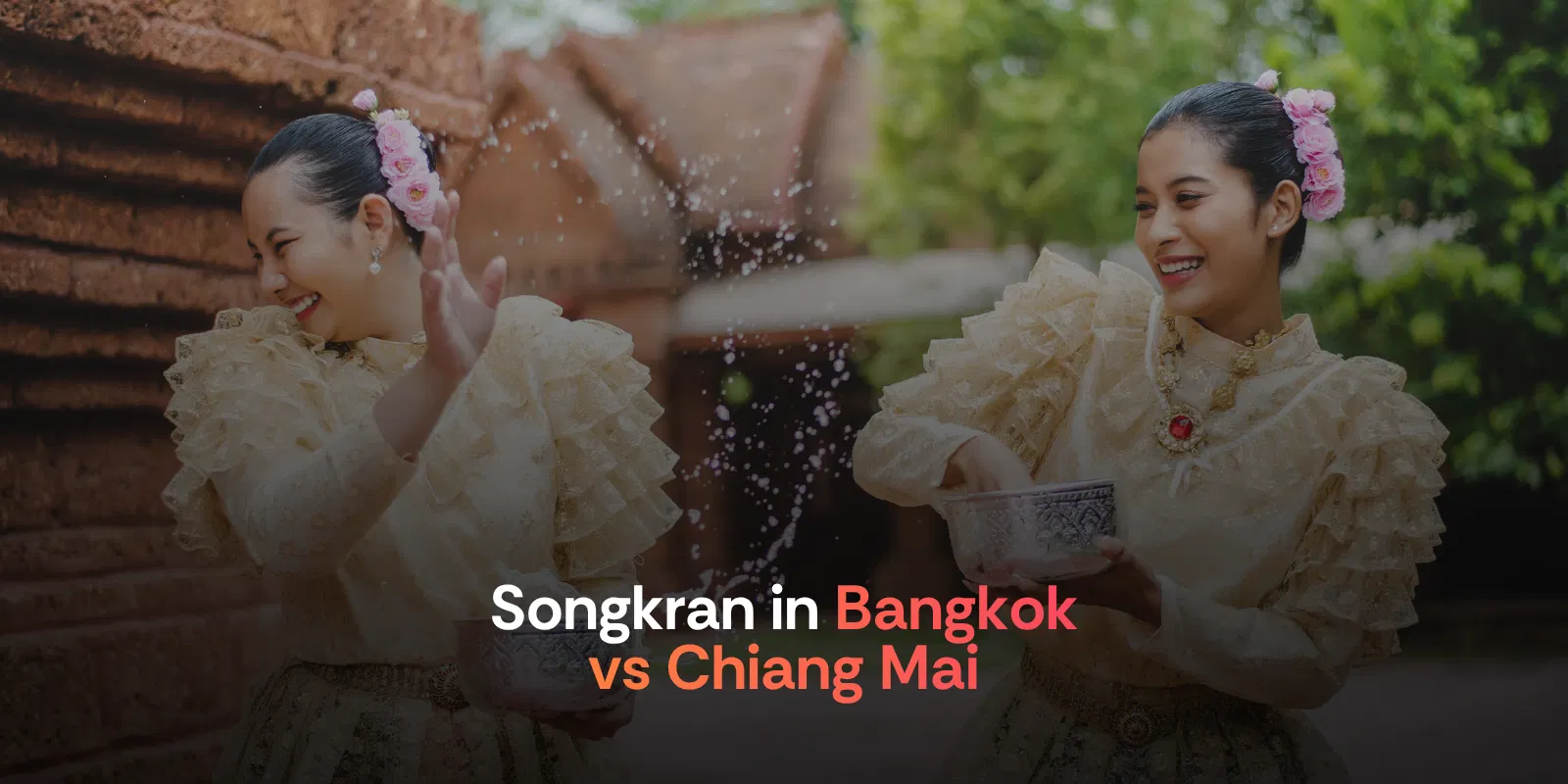
Songkran considerations (13–15 April): Koh Samui celebrates Songkran like the rest of Thailand, though festivities feel more subdued compared to Chiang Mai or Bangkok. Chaweng's main road transforms into a water battle zone, whilst quieter beaches (Maenam, Choeng Mon) see gentler neighbourhood celebrations. Protect phones and valuables in waterproof cases. Some restaurants and shops close for 2–3 days; confirm opening hours if visiting mid-April.
Bargaining protocol: Fixed prices apply at 7-Eleven, supermarkets (Tesco Lotus, Big C), and established restaurants. Night markets, street vendors, massage shops, and beach chair rentals expect negotiation – start at 40–50% of asking price. Smile and stay pleasant; aggressive bargaining offends Thai cultural norms.
Nearby attractions and day trips
Ang Thong National Marine Park warrants an overnight stay if weather cooperates. The park's 42 islands offer kayaking, snorkelling, and hiking to viewpoints overlooking the archipelago. Most day tours rush through highlights in 6–7 hours; overnight camping trips (₹4,500–₹7,000 including equipment, meals, park fees) allow sunset and sunrise photography when tour boats disappear.
Koh Phangan sits 20 kilometres north, accessible by frequent ferries (30–45 minutes, ₹350–₹700). Beyond its infamous Full Moon Party reputation, Koh Phangan hides quiet beaches (Haad Yao, Bottle Beach), yoga retreats, and waterfalls worth exploring. April timing means you avoid both Full Moon chaos and monsoon rains.
Koh Tao serves as Thailand's budget diving capital, 70 kilometres north of Koh Samui. The island's dive schools offer some of Southeast Asia's cheapest PADI certification courses (₹15,000–₹20,000 for Open Water). Day trips for certified divers visit sites like Chumphon Pinnacle and Sail Rock (₹3,500–₹5,500 including two dives, equipment, lunch). April visibility ranges 10–15 metres – adequate but not crystal clear.
Plan your Koh Samui adventure with Eia – Alike's AI Trip Planner to build customised itineraries balancing beaches, culture, adventure, and relaxation based on your April travel dates.
Photography and travel tips
Best photo opportunities:
- Chaweng Beach sunrise (6:00–6:30 AM): Catch morning light on calm water before crowds arrive; shoot from the northern end looking south
- Fisherman's Village Bo Phut: Golden hour (5:30–6:30 PM) illuminates Chinese shophouse facades; Friday walking street markets add colour and energy
- Big Buddha Temple sunset: Position yourself on the causeway facing west for silhouetted Buddha against coloured skies
- Namuang Waterfall: Shoot long exposures (1–2 seconds) to blur water flow; tripod essential; morning light is best
- Secret Buddha Garden: Overcast skies work better than harsh sun for statues scattered through jungle setting
Technical considerations: April's humidity fogs camera lenses when moving between air-conditioned interiors and outdoor heat – carry microfiber cloths and allow equipment to acclimatise. Waterproof your camera gear for unexpected afternoon showers. Drone flights require permits; check Civil Aviation Authority of Thailand regulations and respect resort/temple no-fly zones.
Seasonal highlights for different travellers
For families: April's reduced crowds make Koh Samui more family-friendly than peak season. Choose Maenam or Choeng Mon beaches for shallow, calm waters suitable for young children. Many resorts offer kids' clubs and family pool complexes. The heat requires regular hydration breaks and midday indoor time – schedule beach mornings and early evenings, reserve hot afternoon hours for hotel pools or air-conditioned activities.
For couples and honeymooners: April pricing makes luxury accessible – splurge on beachfront villas at Garrya Tongsai Bay Samui or Conrad Koh Samui that would exceed budget in February. Book couples' spa treatments, private sunset cruises, and candlelit beach dinners. Avoid peak Songkran dates (13–15 April) if you prefer intimate romance over water fights.
For solo travellers: Koh Samui's hostel scene is less developed than Chiang Mai or Bangkok, but Lub d Hostel in Chaweng and Chillout Hostel in Lamai organise group activities facilitating meetups. Beach bars in Chaweng provide easy social environments, whilst cooking classes and diving courses offer built-in group dynamics. Solo female travellers report feeling safe, though standard precautions apply: avoid isolated beaches at night, watch drinks in bars, use registered taxis.
How to get the most from Koh Samui in April
Accept April's reality: you'll sweat, you might encounter rain, perfect weather isn't guaranteed. That acceptance unlocks the island's best features – space to breathe on beaches that feel crowded in February, restaurants where staff remember your name after two visits, resorts charging ₹15,000 instead of ₹35,000, and genuine interactions with locals who aren't rushing between tourist groups.
Essential apps: Download Grab for transport (works in Chaweng, Lamai, Bo Phut areas), Google Maps with offline maps pre-downloaded, XE Currency for baht conversions (approximate rate: ₹1 = 0.43 THB as of April 2026, subject to fluctuation). Learn basic Thai courtesies – "sawasdee khrap/kha" (hello), "khob khun khrap/kha" (thank you), "mai phet" (not spicy) – locals appreciate the effort.
Explore beyond guidebooks: Rent a scooter and circumnavigate the island's 50-kilometre ring road, stopping at empty beaches you won't find in tourist brochures. Visit Hua Thanon Muslim village on the southeast coast, where fishing culture remains intact and small restaurants serve excellent southern Thai curries. Hike to Khao Hua Jook viewpoint for 360° island panoramas without the crowds at more famous viewpoints.
Connect with local culture: Watch Muay Thai fights at Chaweng Stadium (Tuesday, Friday, Saturday nights; ₹1,200–₹2,000 tickets) for authentic sporting atmosphere, not tourist shows. Visit Nathon town on Saturday mornings when locals shop at the fresh market. Take a traditional Thai massage course at Lamai Thai Massage School (single classes ₹800–₹1,200; certification courses 5–10 days).
For comprehensive Thailand planning, explore our Thailand travel guide and Thailand 3-day itinerary. Compare Koh Samui with the best places to visit in Thailand to understand how it fits within broader Thai island options.
Is Koh Samui worth visiting in April? If you define "worth it" by guaranteed perfect weather and peak-season energy, probably not. But if you value uncrowded beaches, significant savings, and the breathing room to experience the island beyond its tourist surface, April delivers something increasingly rare in Southeast Asia's popular destinations – space.
Pack light, breathable clothes, bring serious sunscreen and a compact rain jacket, book accommodation with good cancellation policies in case weather turns genuinely awful (rare but possible), and adjust expectations from perfect-postcard-every-day to real-island-with-personality. That's when Koh Samui reveals what made it special before mass tourism arrived – the coconut plantations that still supply Bangkok, the fishing villages where boats leave before dawn, the temple festivals where you're the only foreigner, and the simple pleasure of watching afternoon storms roll in from a beach chair that's actually yours for the day rather than wedged between fifty others.
Prices verified as of April 2026; always check official tourism boards and venue websites for the latest information.
Frequently Asked Questions (FAQ)
Is April a good time to visit Koh Samui, or should I wait for another month?
Is April a good time to visit Koh Samui, or should I wait for another month?
What's the most efficient way to travel from Bangkok to Koh Samui?
What's the most efficient way to travel from Bangkok to Koh Samui?
How much should I budget per day for Koh Samui in April?
How much should I budget per day for Koh Samui in April?
Is Koh Samui safe for solo female travellers in April?
Is Koh Samui safe for solo female travellers in April?
What should I pack specifically for Koh Samui in April's weather?
What should I pack specifically for Koh Samui in April's weather?
Can I visit Koh Samui and combine it with other Thai islands or Bangkok in one trip?
Can I visit Koh Samui and combine it with other Thai islands or Bangkok in one trip?