Phi Phi Island or Koh Samui: Which Thai Island to Pick for Your Summer Holiday
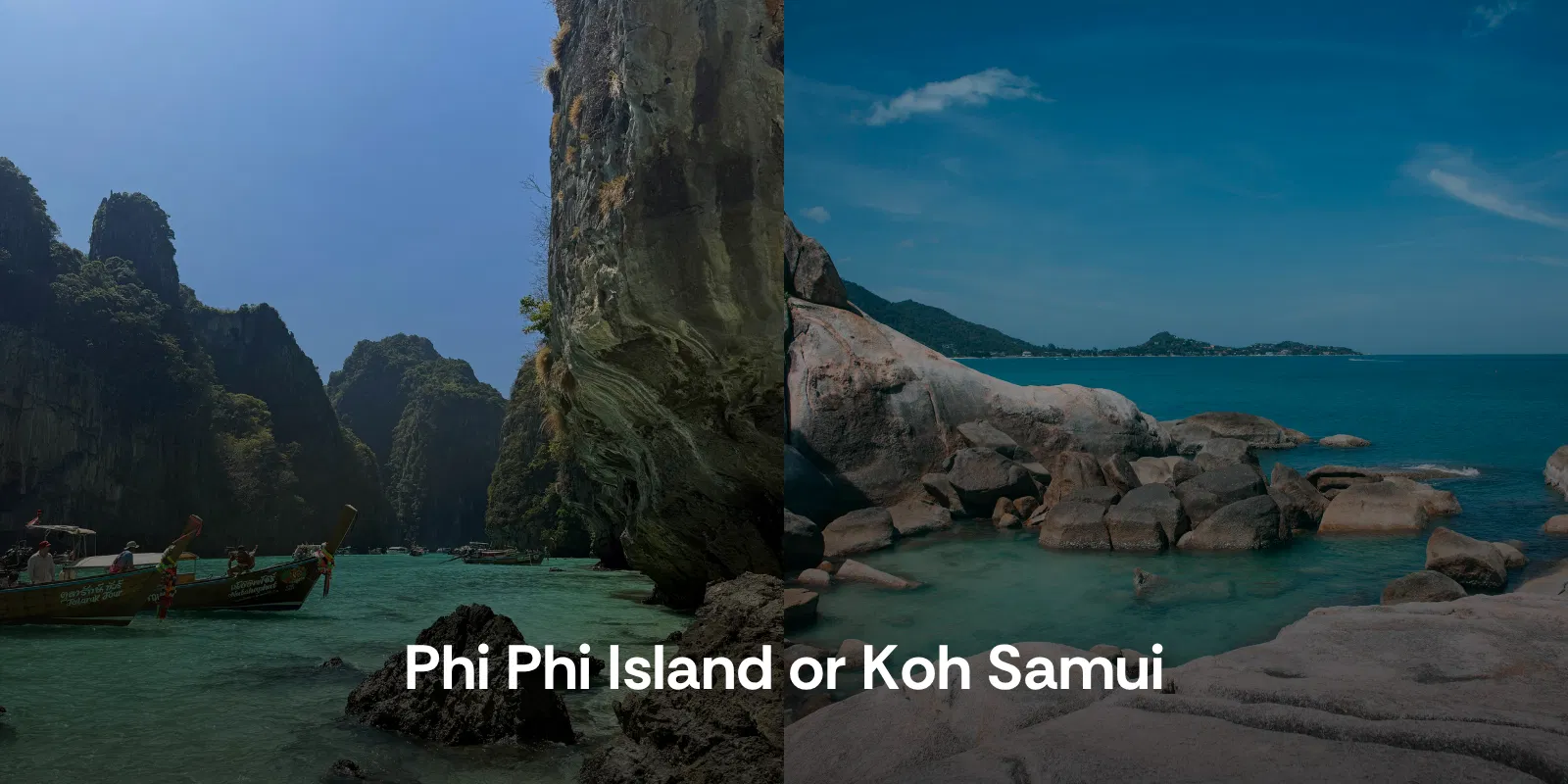
"Jai yen yen" – keep a cool heart. This Thai phrase perfectly captures the choice many travellers face when planning Thailand in summer: do you pick the Instagram-famous limestone cliffs of Phi Phi Island, or the established resort luxuries of Koh Samui? Both promise turquoise waters, swaying palms, and that elusive tropical escape, yet they deliver remarkably different experiences—especially during the summer months when weather, crowds, and prices shift dramatically from peak season.
Here's what nobody tells you upfront: summer (roughly May through October) is monsoon season across much of Thailand, but these two islands sit in different weather patterns, face different crowd dynamics, and suit different types of travellers. Phi Phi Island, tucked near Phuket in the Andaman Sea, transforms from overcrowded party central in winter to a quieter, rain-prone retreat in summer. Koh Samui, positioned in the Gulf of Thailand, actually enjoys some of its best weather during summer months when the rest of the country is drowning in monsoon rains.
This isn't a "which is better" contest—that's reductive and unhelpful. Instead, this is the practical comparison you need: Koh Samui holidays versus Phi Phi adventures, broken down by what actually matters when you're booking flights from Delhi, Dubai, or Mumbai and trying to figure out which Thai island delivers the summer escape you're imagining.
Book your Thailand Holidays here.
Thailand in summer: what you need to know first
Before comparing the islands, let's address the elephant in the room: Thailand in summer means monsoon season for most of the country, but not uniformly. The monsoon calendar splits Thailand into two distinct weather zones during May–October:
Andaman Coast (West): Phuket, Krabi, Phi Phi Island, and surrounding areas experience the southwest monsoon, bringing heavy rainfall, rough seas, and occasional storms from May through October. Many diving operations shut down, boat services reduce, and some resorts close entirely.
Gulf Coast (East): Koh Samui, Koh Phangan, and Koh Tao enjoy relatively dry, sunny weather during these same months, making them counter-seasonal destinations when the rest of Thailand is wet. Koh Samui's wettest months are actually October–December, making June–August surprisingly pleasant.
This fundamental weather difference shapes everything else: flight costs, crowd levels, activity availability, and which island makes more sense for koh samui holidays versus Phi Phi adventures during summer.
Phi Phi Island vs Koh Samui at a glance
| Factor | Phi Phi Island | Koh Samui |
|---|---|---|
| Location | Andaman Sea, between Phuket and Krabi | Gulf of Thailand, east coast |
| Size | Small (car-free main village area) | Large (requires scooter/taxi to explore) |
| Airport | No airport; boat access only | Koh Samui Airport (USM) with direct flights |
| Summer weather | Monsoon rains May–Oct, rough seas | Dry, sunny June–Aug; wettest Oct–Dec |
| Vibe | Backpacker party scene + luxury resorts | Family resorts, honeymoon villas, wellness retreats |
| Crowds in summer | Much quieter than winter peak | Moderate; picks up during European summer holidays |
| Beach quality | Dramatic limestone cliffs, smaller bays | Long stretches of palm-fringed sand |
| Nightlife | Famous beach parties (weather permitting) | Sophisticated beach clubs + night markets |
| Accessibility | Requires boat transfers (can be rough in summer) | Direct flights + easy internal transport |
Weather showdown: which island wins in summer?
This is where the decision often becomes clear-cut for many travellers.
Koh Samui's summer advantage
Koh Samui genuinely shines during June, July, and August when the rest of Thailand drowns in monsoon rains. Average temperatures hover around 28°C–32°C (82°F–90°F) with plenty of sunshine and only occasional brief showers. The seas remain calm enough for swimming, snorkelling, and boat trips to nearby islands like Koh Phangan and Koh Tao. This counter-seasonal advantage means you get tropical island weather when European summer holidays peak, making it ideal for families coordinating with school breaks.
The trade-off? September and especially October can turn wet and stormy on Koh Samui, so if you're planning late summer travel, verify current forecasts. But for true summer months (June–August), Koh Samui delivers reliable beach weather that Phi Phi simply can't match during this period.
Phi Phi Island's monsoon reality
Phi Phi Island sits squarely in the monsoon zone from May through October. Expect frequent afternoon downpours, overcast skies, rough seas that cancel boat trips, and reduced snorkelling/diving visibility. Many day-trip boats to nearby Maya Bay (yes, the one from The Beach film) don't operate or run with significant cancellation risk. Some guesthouses and restaurants close entirely during the quietest summer months.
However, this isn't entirely negative. Summer on Phi Phi means drastically fewer crowds, lower accommodation prices (sometimes 40–50% off peak rates), and a more authentic local atmosphere once the party tourists leave. If you don't mind occasional rain and accept that some water activities may be limited, summer Phi Phi offers a different, quieter version of the island. But if you're flying from India or the GCC specifically for guaranteed beach weather, Koh Samui is the safer bet during these months.
How to reach Phi Phi Island and Koh Samui from India and the GCC
Getting to Koh Samui
Bangkok to Koh Samui: The most common route involves flying into Bangkok (Suvarnabhumi or Don Mueang airports) and taking a domestic connection to Koh Samui Airport (flight time ~1 hour 20 minutes). Bangkok Airways dominates this route with multiple daily flights costing approximately €80–150 (₹6,800–12,700 or AED 300–560) one-way in summer. Thai Airways, Thai Smile, and budget carrier Thai AirAsia also serve this route.
Direct international access: Koh Samui Airport receives some direct international flights from Singapore, Hong Kong, and Kuala Lumpur, which can connect from India/GCC hubs. Check Singapore Airlines and Malaysia Airlines for routing options.
Alternative: Ferry from mainland: Budget travellers can fly to Surat Thani (cheaper than Koh Samui flights) and take a bus+ferry combination (~3 hours total, costing €10–15 or ₹850–1,270). This saves money but adds travel time.
Getting to Phi Phi Island
Phi Phi has no airport, so access requires boat transfers:
Phuket to Phi Phi Island: Most common route. Fly to Phuket International Airport, then take a ferry from Rassada Pier (journey time 1.5–2 hours, costing €12–18 or ₹1,000–1,500 one-way). Ferries run multiple times daily in peak season but reduce frequency during summer monsoons. Seas can be rough—those prone to seasickness should take precautions.
Krabi to Koh Samui... wait, wrong direction: Actually, Krabi to Koh Samui would involve flying or taking a complex ferry combination across the Gulf of Thailand, which isn't a typical route. The question likely meant Krabi to Phi Phi Island, which is possible via a 2-hour ferry from Ao Nang (€10–15 or ₹850–1,270).
Phuket to Koh Samui: If you want to visit both islands, Phuket to Koh Samui requires either a flight via Bangkok (no direct Phuket–Samui route) or a ferry+bus combination across the Thai peninsula (~8–10 hours total). Most travellers fly via Bangkok for time efficiency.
From India and GCC
| Origin | Route | Typical Flight Time | Summer Prices |
|---|---|---|---|
| Delhi/Mumbai to Koh Samui | Via Bangkok (direct to BKK, then domestic to USM) | 6–7 hours total | ₹28,000–45,000 return |
| Dubai/Abu Dhabi to Koh Samui | Via Bangkok or Singapore | 8–9 hours total | AED 1,600–2,600 return |
| Delhi/Mumbai to Phi Phi | Via Bangkok or Phuket, then ferry | 7–8 hours + ferry | ₹25,000–42,000 return + ferry |
| Dubai/Abu Dhabi to Phi Phi | Via Phuket or Bangkok | 8–10 hours + ferry | AED 1,500–2,400 return + ferry |
Visa requirements: Indian and GCC nationals can apply for Thailand e-visa (60-day tourist visa) online for approximately €40 (₹3,400 or AED 150). Verify current requirements via Thailand's official e-visa portal.
Things to do: activities and experiences compared
Things to do in Koh Samui
Koh Samui offers more diverse activities beyond beach lounging, making it particularly suitable for longer stays and varied interests:
Cultural experiences: Visit the Big Buddha Temple (Wat Phra Yai), a 12-metre golden statue overlooking the northeast coast; explore Wat Plai Laem with its colourful 18-armed Guanyin statue surrounded by a lake; wander through Fisherman's Village Koh Samui (Bophut), a charming old town with wooden shophouses, boutique hotels, and a Friday night walking street market selling handicrafts, street food, and live music.
Nature and adventure: Hike to Na Muang Waterfalls (two separate falls, the upper one requiring a 30-minute jungle trek); visit the Secret Buddha Garden, a hillside sculpture park with panoramic views; go zip-lining through rainforest canopy; or take an elephant sanctuary tour (choose ethical sanctuaries that don't offer riding).
Wellness and relaxation: Koh Samui has positioned itself as a wellness destination with numerous spas, yoga retreats, and detox centres. The island hosts several high-end wellness resorts offering everything from traditional Thai massage to cutting-edge biohacking treatments.
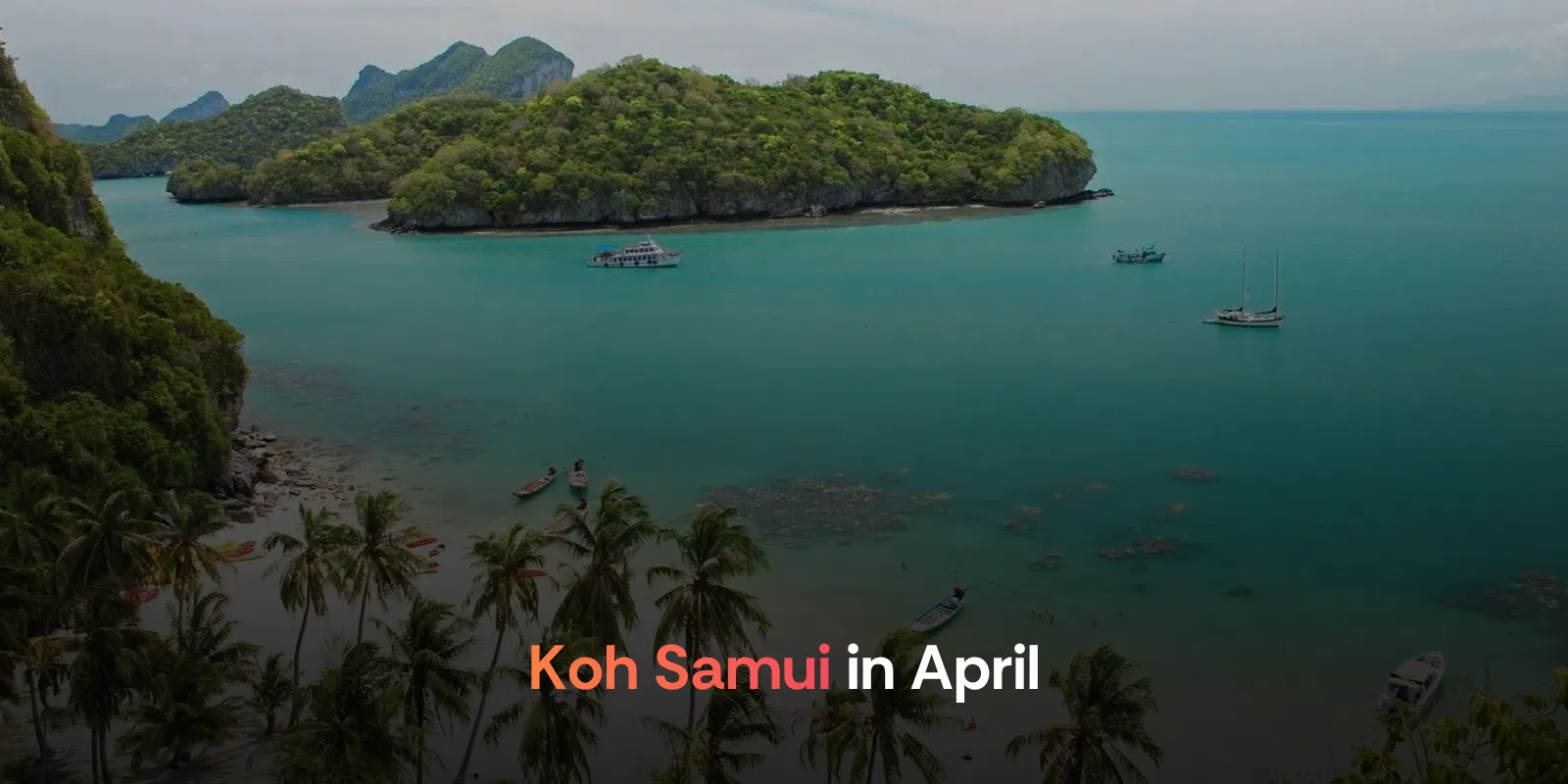
Island hopping: Day trips to Ang Thong National Marine Park (42 islands with hiking, kayaking, and snorkelling) are hugely popular and operate reliably during summer thanks to calm Gulf waters. Trips to full-moon-party-famous Koh Phangan are also easy.
Things to do on Phi Phi Island
Phi Phi Island is more limited in scope but intense in its core offerings:
Beach and water focus: The main activities revolve around beaches, snorkelling, diving, and boat trips. Maya Bay (made famous by Leonardo DiCaprio's The Beach) reopened in 2022 after ecological recovery but with strict visitor limits. Monkey Beach, Bamboo Island, and Viking Cave are popular boat-trip destinations—though summer weather can cancel these.
Diving and snorkelling: When seas permit, Phi Phi offers excellent diving sites including the King Cruiser Wreck and Hin Daeng/Hin Muang. PADI certification courses cost around €350–450 (₹29,700–38,200). Summer visibility can be reduced compared to dry season.
Viewpoints: Hike to Phi Phi Viewpoint for panoramic views of the twin bays—best at sunrise or sunset. It's a steep 20–30 minute climb but free and genuinely spectacular.
Nightlife: Phi Phi's famous beach parties along Tonsai Village—fire shows, cheap cocktail buckets, thumping music—define the island's party reputation. However, these significantly quiet down during summer monsoons when the backpacker crowds thin.
Verdict on activities: Koh Samui wins for activity diversity and weather reliability in summer. Phi Phi is more focused on beach/water/party experiences that become weather-dependent during monsoon months.
Beaches, snorkelling, and water activities
Koh Samui's beaches
The island's size means multiple beach options, each with different vibes:
- Chaweng Beach: Longest, most developed, with resorts, restaurants, and water sports. Can feel crowded but offers the most infrastructure.
- Lamai Beach: Second-largest, more laid-back than Chaweng, popular with families and long-term visitors.
- Bophut Beach (near Fisherman's Village Koh Samui): Charming, less developed, shallow waters good for children, boutique hotel zone.
- Maenam Beach: Quieter northern beach with local character and budget accommodation.
- Choeng Mon Beach: Upscale, sheltered bay with luxury resorts and calm swimming.
Summer seas remain swimmable, though occasional jellyfish can appear (check local warnings). Snorkelling off Koh Samui's beaches is decent but not spectacular—the best snorkelling requires boat trips to nearby Koh Tao, the Gulf's premier diving destination.
Phi Phi's dramatic scenery
Phi Phi Island delivers more dramatic natural beauty but fewer beach options:
- Tonsai Bay: The main arrival/departure point, with the famous twin bays visible from viewpoints. Busy, built-up, but convenient.
- Loh Dalum Bay: Northern bay with nightlife and beach bars; can have strong currents.
- Long Beach (Hat Yao): Quieter, requires boat or hike to reach, more relaxed atmosphere.
- Maya Bay: Stunning but now strictly regulated with limited visiting hours to protect ecology.
Phuket to Phi Phi boat trips often combine island-hopping with snorkelling stops at coral sites around the Phi Phi archipelago. When weather cooperates, the underwater visibility and marine life (reef sharks, tropical fish, possible manta rays) surpass what Koh Samui offers directly. However, summer monsoons make this unreliable.
Summer advantage: Koh Samui's calm Gulf waters allow consistent swimming, paddleboarding, kayaking, and boat trips throughout June–August. Phi Phi's Andaman waters can be too rough for comfortable water activities during the same period.
Where to stay: accommodation styles and budgets
Koh Samui accommodation
The island's size and development history mean accommodation ranges from backpacker hostels to ultra-luxury resorts:
Budget (€15–40 or ₹1,270–3,400/night): Guesthouses and simple bungalows cluster around Maenam and Lamai, offering basic comfort with fan rooms or simple air-con. Hostels in Chaweng cater to backpackers.
Mid-range (€40–120 or ₹3,400–10,200/night): Boutique hotels in Bophut's Fisherman's Village Koh Samui, beachfront hotels in Chaweng and Lamai with pools, breakfast, and modern amenities. This category offers excellent value during summer shoulder season.
Luxury (€120–400+ or ₹10,200–34,000+/night): Five-star resorts like Six Senses, Four Seasons, Conrad, and W Retreat offer private pools, spa facilities, multiple restaurants, and direct beach access. Many include private villas ideal for honeymooners and families.
Summer pricing typically drops 20–30% from peak winter rates, making luxury more accessible. Multi-night packages offer additional savings.
Phi Phi Island accommodation
Limited land area means fewer options and generally higher prices per quality level:
Budget (€20–50 or ₹1,700–4,250/night): Hostels and basic bungalows, especially around Tonsai Village. Expect shared bathrooms for the cheapest options and noise from nearby beach bars.
Mid-range (€50–100 or ₹4,250–8,500/night): Decent hotels with air-con, breakfast, and pools, scattered around Tonsai and Long Beach areas. Summer discounts make these more affordable.
Luxury (€150–500+ or ₹12,700–42,500+/night): Limited high-end options compared to Koh Samui, but properties like Zeavola Resort and Phi Phi Island Village Beach Resort deliver excellent quality in more secluded locations away from party central.
Summer impact: Both islands see reduced accommodation prices in summer, but Koh Samui maintains more consistent quality and service since it remains busy year-round, whereas some Phi Phi properties reduce staff or temporarily close during the quietest monsoon weeks.
Food, nightlife, and island culture
Dining and nightlife on Koh Samui
The island's size supports a sophisticated dining scene spanning street food, mid-range Thai restaurants, and international fine dining. Fisherman's Village Koh Samui hosts numerous seafood restaurants where you select fresh catch by weight and specify cooking styles—expect to pay €20–40 (₹1,700–3,400) per person for excellent seafood dinners.
Night markets in Lamai and Chaweng offer budget meals (pad thai, som tam, grilled seafood) for €2–5 (₹170–425) per dish. International cuisine—Italian, Japanese, Indian, French—is widely available for those wanting a break from Thai food.
Nightlife ranges from beach clubs with sunset cocktails and resident DJs (Ark Bar, Coco Tams) to cabaret shows, night markets, and sports bars. It's more sophisticated than Phi Phi's backpacker party scene, with options for families, couples, and party-seekers alike.
Dining and nightlife on Phi Phi Island
Tonsai Village concentrates most restaurants and bars in a compact, walkable area. Dining options skew toward Western comfort food (pizza, burgers, pasta) alongside Thai standards, reflecting the backpacker demographic. Prices are slightly higher than mainland Thailand due to island logistics.
Nightlife is Phi Phi's calling card: beach bars with fire shows, cocktail buckets, and thumping dance music dominate Loh Dalum Bay. The scene is young, rowdy, and alcohol-fueled—fantastic if that's your vibe, exhausting if it's not. During summer, the party scene calms significantly with fewer tourists, which some visitors prefer and others find disappointing.
Cultural immersion: Koh Samui's larger size and resident population offer more opportunities to experience Thai culture beyond tourism—local temples, markets where residents shop, and neighbourhoods with daily Thai life. Phi Phi, being almost entirely tourism-focused, feels less authentically "Thai" despite its spectacular natural setting.
Cost comparison: which island is better value?
Breaking down typical daily costs for mid-range travellers:
| Expense Category | Koh Samui | Phi Phi Island |
|---|---|---|
| Accommodation (mid-range double room) | €50–80 (₹4,250–6,800) | €60–90 (₹5,100–7,650) |
| Meals (breakfast, lunch, dinner) | €15–25 (₹1,270–2,120) | €18–30 (₹1,530–2,550) |
| Local transport (scooter/taxi) | €8–12 (₹680–1,020) | €0–5 (mostly walkable) |
| Activities (one major activity/tour) | €25–40 (₹2,120–3,400) | €25–40 (₹2,120–3,400) |
| Drinks/entertainment | €10–20 (₹850–1,700) | €10–25 (₹850–2,120) |
| Total daily average | €108–177 (₹9,170–15,000) | €113–190 (₹9,600–16,150) |
Phi Phi runs marginally more expensive due to limited supply and boat-transport costs for all goods. However, the lack of needed transport on car-free Phi Phi somewhat balances against Koh Samui's scooter/taxi expenses.
Summer savings: Both islands offer 20–40% discounts on accommodation during summer compared to December–February peak season, making koh samui holidays and Phi Phi visits more affordable if you can handle weather variability (or, in Koh Samui's case, enjoy perfect weather at lower prices).
The verdict: which island should you choose?
Choose Koh Samui if you:
- Need reliable summer weather without significant rain risk (June–August)
- Value activity diversity beyond beaches—culture, nature, wellness, dining variety
- Travel with family or prefer accessible luxury with resort amenities
- Want easy airport access without boat transfers
- Appreciate longer beaches for walking, jogging, or beach sports
- Prefer sophisticated nightlife over backpacker party scenes
- Plan a longer stay (5+ nights) with need for varied daily activities
Choose Phi Phi Island if you:
- Don't mind monsoon weather risks for the reward of fewer crowds and lower prices
- Prioritise dramatic natural scenery over convenience
- Love snorkelling, diving, and boat trips (accepting weather cancellation risk)
- Enjoy backpacker party atmosphere and social hostel vibes
- Prefer compact, walkable destinations without needing transport
- Want to tick off the "famous film location" bucket list item (Maya Bay)
- Plan a shorter stay (2–3 nights) as part of multi-destination Thailand trip
Combination approach
Many Thailand itineraries include both islands, typically routing Phuket to Phi Phi Island for 2–3 nights of dramatic scenery and partying, then Phuket to Koh Samui (via Bangkok flight) for beach relaxation and activity variety. This requires more complex logistics but delivers contrasting island experiences.
Alternatively, pair Koh Samui with nearby Koh Phangan (famous for full moon parties) or Koh Tao (diving paradise)—all accessible within the calm Gulf of Thailand waters during summer months.
Planning your Thailand summer holiday
Thailand in summer offers significant advantages if you plan strategically. While most visitors flock to Thailand in the dry winter months (November–March), summer brings:
- Lower prices on flights, accommodation, and tours (often 30–50% less)
- Fewer crowds at major attractions and beaches
- More authentic experiences with less tourism pressure
- Koh Samui's counter-seasonal advantage for reliable beach weather
For comprehensive Thailand planning, explore our detailed Thailand travel guide covering all regions and seasons, or check the best places to visit in Thailand for destination ideas beyond these two islands.
If you're building a broader Southeast Asia itinerary, consider using Eia – Alike's AI Trip Planner to optimise your route, or browse curated holiday packages tailored for Indian and GCC travellers. For those curious about Thailand's quirks before committing, read our honest take on things Thailand might not suit every traveller.
Sample 7-day summer itinerary combining both islands:
- Days 1–3: Fly into Phuket, explore Phuket Old Town and beaches, take Phuket to Phi Phi island ferry for 2 nights of snorkelling, viewpoints, and beach parties (weather permitting)
- Day 4: Ferry back to Phuket, fly to Koh Samui via Bangkok
- Days 5–7: Koh Samui relaxation—beach time, Fisherman's Village Koh Samui exploration, Ang Thong marine park day trip, spa treatments
This combines dramatic Andaman scenery (accepting monsoon risks) with reliable Gulf coast weather, diverse activities, and contrasting island personalities.
For a shorter, focused trip, choose Koh Samui for summer reliability or save Phi Phi for dry-season visits (November–March) when it shows its best side.
Prices verified as of April 2026; always check official websites and local sources for the latest information. Currency conversions approximate: €1 ≈ ₹85 ≈ AED 3.8. Weather patterns can vary annually—monitor forecasts closer to travel dates.
Frequently Asked Questions (FAQ)
Is Thailand in summer really a good time to visit, or should I wait for dry season?
Is Thailand in summer really a good time to visit, or should I wait for dry season?
How do I choose between Koh Samui and Phi Phi Island if I only have time for one?
How do I choose between Koh Samui and Phi Phi Island if I only have time for one?
What's the realistic daily budget for mid-range travellers on each island during summer?
What's the realistic daily budget for mid-range travellers on each island during summer?
How difficult is it to get from Bangkok to Koh Samui, and what's the best route?
How difficult is it to get from Bangkok to Koh Samui, and what's the best route?
Can I visit both islands in one trip, and how should I route it?
Can I visit both islands in one trip, and how should I route it?
What are the best free or low-cost things to do in Koh Samui that don't require expensive tours?
What are the best free or low-cost things to do in Koh Samui that don't require expensive tours?