
Public Transport in Thailand: Cheapest & Most Convenient Ways
If you're planning a holiday to Thailand, one of the first questions you'll ask is: how do I get around without spending a fortune? Luckily, Thailand public transport is not just pocket-friendly, but also an experience in itself. From the sleek Bangkok BTS Skytrain to the colourful local songthaews and even river ferries, each ride immerses you in Thai culture.
For Indian travellers, Bangkok and Phuket are favourite spots, with flights from Delhi or Mumbai starting at approx Rs.12,000–Rs.18,000 (THB 5,200–THB 7,800 / USD 145–220) depending on season. For GCC and UAE travellers, it's a short 5–6 hour flight from Dubai or Abu Dhabi, with fares starting from AED 1,100 (Rs.24,800 / USD 300). European travellers often escape cold winters for Thailand's tropical sunshine, especially between November and February when tourism peaks.
What you can use to get around
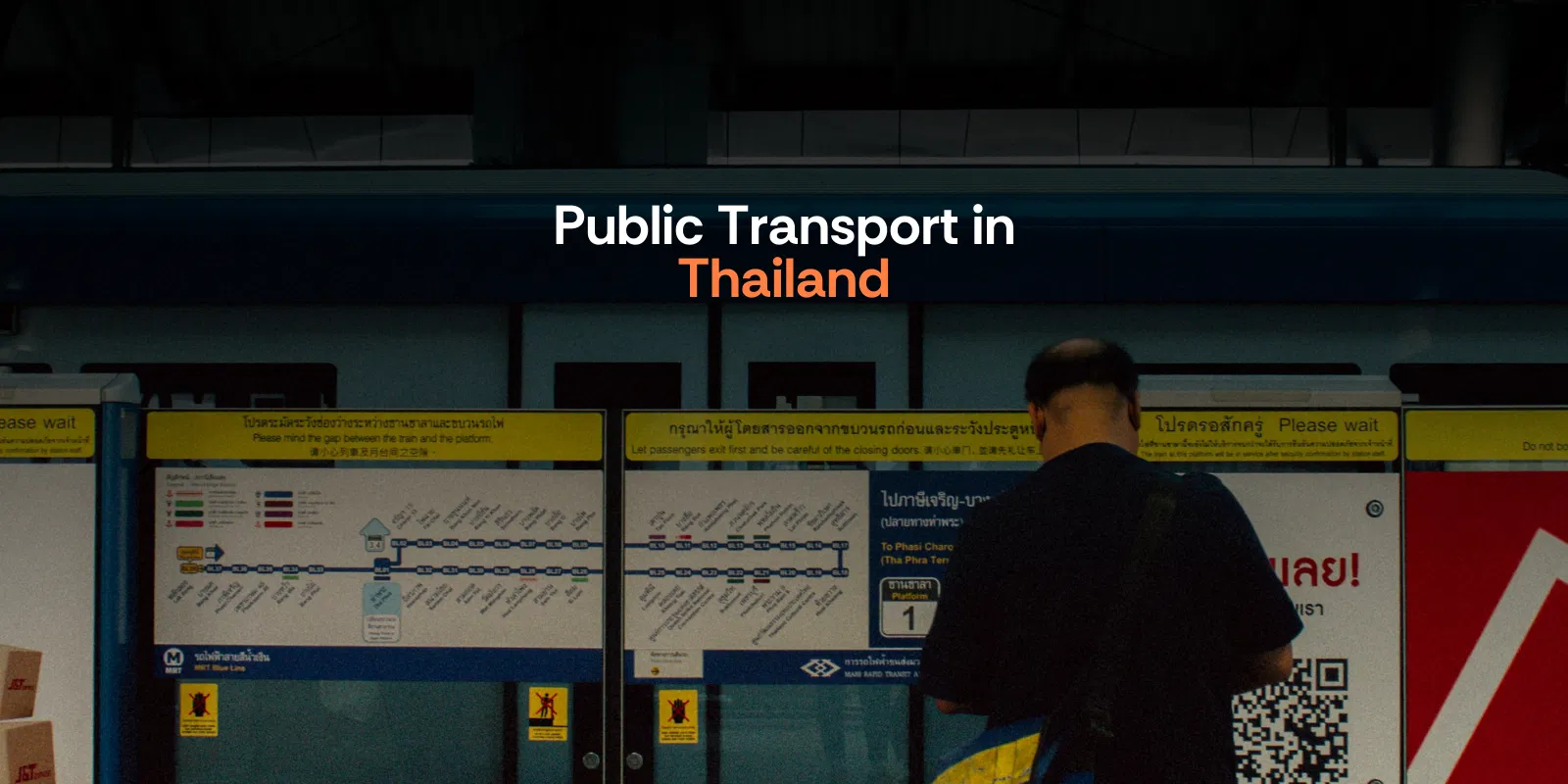
Bangkok BTS Skytrain and MRT metro
Bangkok's BTS Skytrain and MRT are the lifelines for budget travel Bangkok. Trains run from 6 AM to midnight, with tickets from THB 16 to THB 59 (Rs.35–Rs.130 / AED 2–6 / USD 0.40–1.60). A day pass is THB 140 (Rs.310 / AED 15 / USD 4).
- Insider tip: Avoid rush hours (7:30–9:30 AM, 5–7 PM) to get space for luggage.
Note that tourists sometimes prefer Grab/taxi for late-night travel or non-central hotels, especially families/couples with luggage.
Thailand buses
Across cities, Thai buses are the most economical way to get around, with fares starting at THB 10 (Rs.22 / AED 1 / USD 0.30) for local non-AC services. Intercity VIP buses cost THB 300–800 (Rs.660–1,750 / AED 30–80 / USD 9–22) depending on distance.
Songthaew Thailand
These shared local "red cars" or pickup taxis are common in Chiang Mai, Pattaya, and smaller towns. Fares start at THB 20–40 (Rs.45–90 / AED 2–4 / USD 0.50–1).
- Perfect for short family holidays or casual sightseeing.
Getting around with Songthaews
If you want to experience Thailand the way locals do, hop on a Songthaew—those red or yellow pickup trucks converted into shared taxis. They're cheap, cheerful, and an adventure in themselves.
In Chiang Mai, the famous red Songthaews circle the Old City and head out to hotspots like Doi Suthep, Nimmanhaemin Road, and even the airport. Just flag one down, tell the driver your stop, and if it's on their way, you're in. Rides usually cost between 20–40 THB for short city hops.
In Pattaya, Songthaews are more like open-air buses running on fixed loops. The most popular route is along Beach Road and Second Road—perfect for getting from Walking Street to Central Festival Mall without negotiating fares every time. A flat 10 THB keeps you moving like a local.
Local tip: Songthaews can work in two ways. In cities like Chiang Mai, they act like shared taxis where you hop on if the direction suits you. In beach towns like Pattaya, they function like mini buses on set routes. Always carry small change, and if you're heading off-route, you can negotiate a private hire fare.
Conclusion
Thailand public transport is more than a utility—it's part of the country's charm. Whether you're travelling solo, on a honeymoon, or on family holidays, hopping on a BTS, taking a tuk-tuk, or riding a train across rice fields makes your journey authentic and budget-friendly. With the right mix of buses, songthaews, and Grab rides, you'll know exactly how to get around Thailand cheap without missing out on comfort.
FAQs
Is it safe to use Thailand public transport for tourists?
What's the cheapest way to travel in Bangkok?
What should I avoid when using public transport in Thailand?
Public Transport in Thailand: Cheapest & Most Convenient Ways
Public Transport in Thailand: Cheapest & Most Convenient Ways
Can I use a travel pass in Thailand?
Can I use a travel pass in Thailand?