
Insider Guide to Discovering Ramadan in Dubai and Abu Dhabi
Looking to uncover the best-kept secrets of Ramadan in Dubai and Abu Dhabi in 2026? You’re in the right place. During this sacred month, both cities slow down and soften in ways many travellers never get to see. What emerges is a rare blend of reflection, community, tradition, and quiet magic — one that offers a deeper connection to Emirati culture beyond the usual tourist trail.
Ramadan in 2026 is expected to begin in late February (around 19 February) and conclude in late March, subject to moon sighting in the UAE. This timing brings cooler evenings, longer nights, and a gentler pace — ideal for cultural exploration.
From pre-dawn Suhoor to sunset Iftar, from softly glowing lanterns to late-night conversations over Arabic coffee, Ramadan offers a side of Dubai and Abu Dhabi that feels intimate, welcoming, and profoundly human.
The Quiet Mornings and Bustling Evenings
While Dubai is renowned for its high-energy atmosphere, Ramadan transforms the city into a different realm. Mornings during Ramadan are tranquil, as many fasting people take the time to rest and reflect. It is a perfect moment to appreciate the city’s architecture, take a peaceful stroll through historic districts like Al Fahidi, or enjoy the serene surroundings of parks like Al Safa Park before the day fully awakens. As the sun sets, the city springs to life. The shift from a calm day to an energetic evening is palpable as families, friends, and communities gather to break their fast with Iftar. The streets fill with life, restaurants and cafes buzz with activity, and the air is imbued with the fragrance of various cuisines.
Ramadan reshapes the rhythm of the city.
Mornings are noticeably calm. With many residents fasting, the early hours are reserved for rest, reflection, and quiet routines. For visitors, this is the perfect time to explore Dubai’s historic quarters like Al Fahidi, walk along the Creek, or enjoy peaceful green spaces such as Al Safa Park without the usual bustle.
As sunset approaches, everything changes.
Travel Alike: Tailor-made Dubai Holiday Packages
Going to Dubai without the Alike’s Dubai Tourist Pass (DTP) can cost you megabucks. The pass eliminates the need to purchase individual tickets, making it easier to manage sightseeing options. Moreover, you can enjoy up to 50% savings with complimentary vouchers and numerous benefits. Get yours now!
Experiencing Traditional Majlis
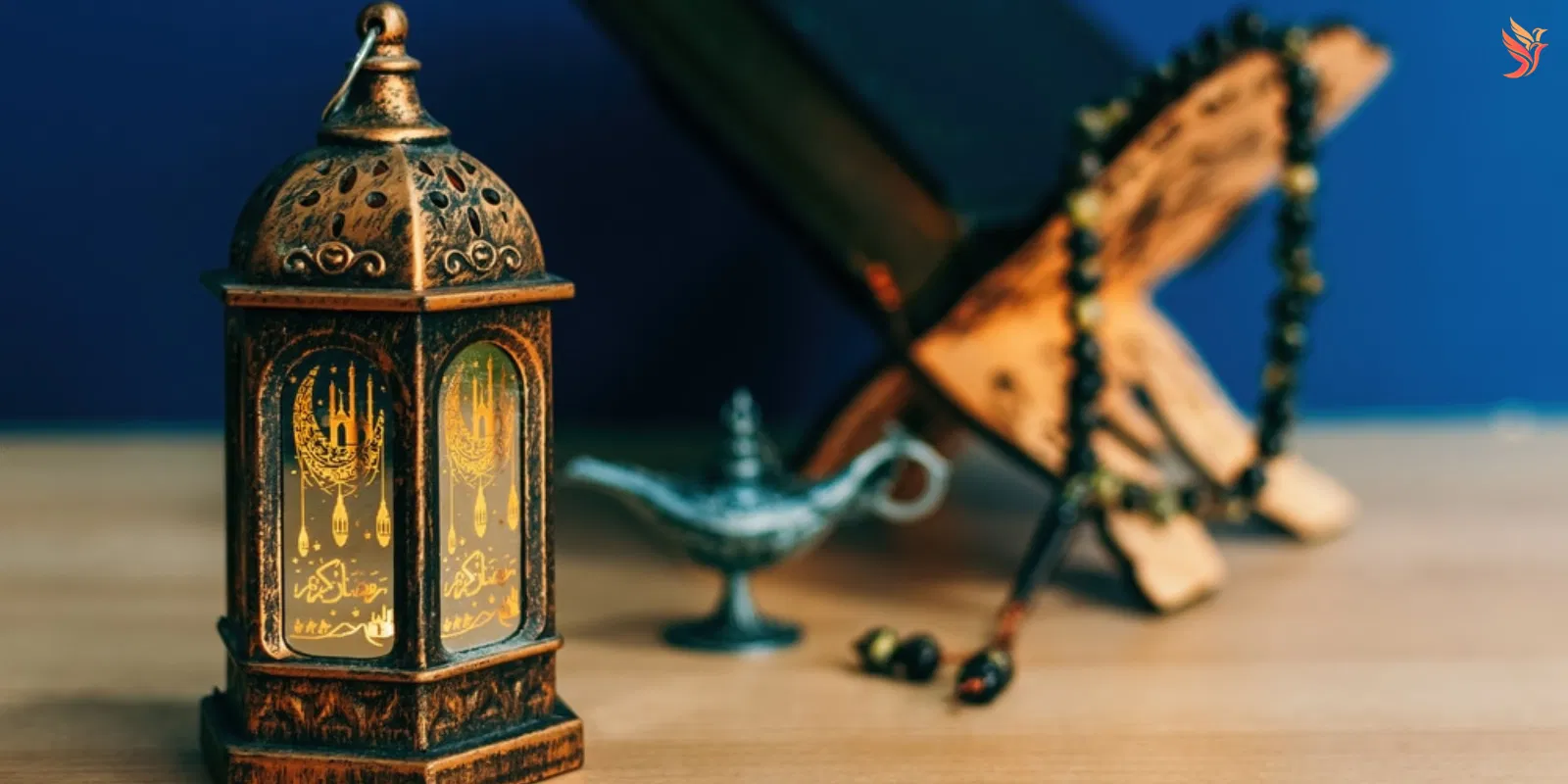
One of Dubai’s best-kept secrets is the culturally enriching experience offered at various majlis (traditional communal gathering spaces) around the city during Ramadan. Unlike their commercial counterparts, these majlis provide an informal setting where you can intensely discuss Ramadan and its cultural practices. Hosted by families or local community leaders, attending one offers a rare glimpse into local customs and fosters genuine connections through shared meals and meaningful conversations. These social gatherings, often set in intricately decorated tents, provide a space for community bonding over coffee and dates. While you can find commercial, hotel-organised Majlis, seek an invitation from local friends to experience this tradition in its authentic form.
Charity and Community Spirit
The heart of Ramadan pulses with charity. Volunteer programmes flourish throughout the city, with organisations like Dubai Cares and the Sheikh Mohammed bin Rashid Al Maktoum Humanitarian & Charity Establishment introducing numerous initiatives to help the less fortunate. Consider joining a community Iftar event, where meals are distributed to labourers' camps and those in need. This offers a rewarding experience and a deeper understanding of Ramadan’s essence.
Hidden Iftar and Suhoor Gems
Food plays a central role during Ramadan, but the most memorable meals are often found away from luxury hotel buffets.
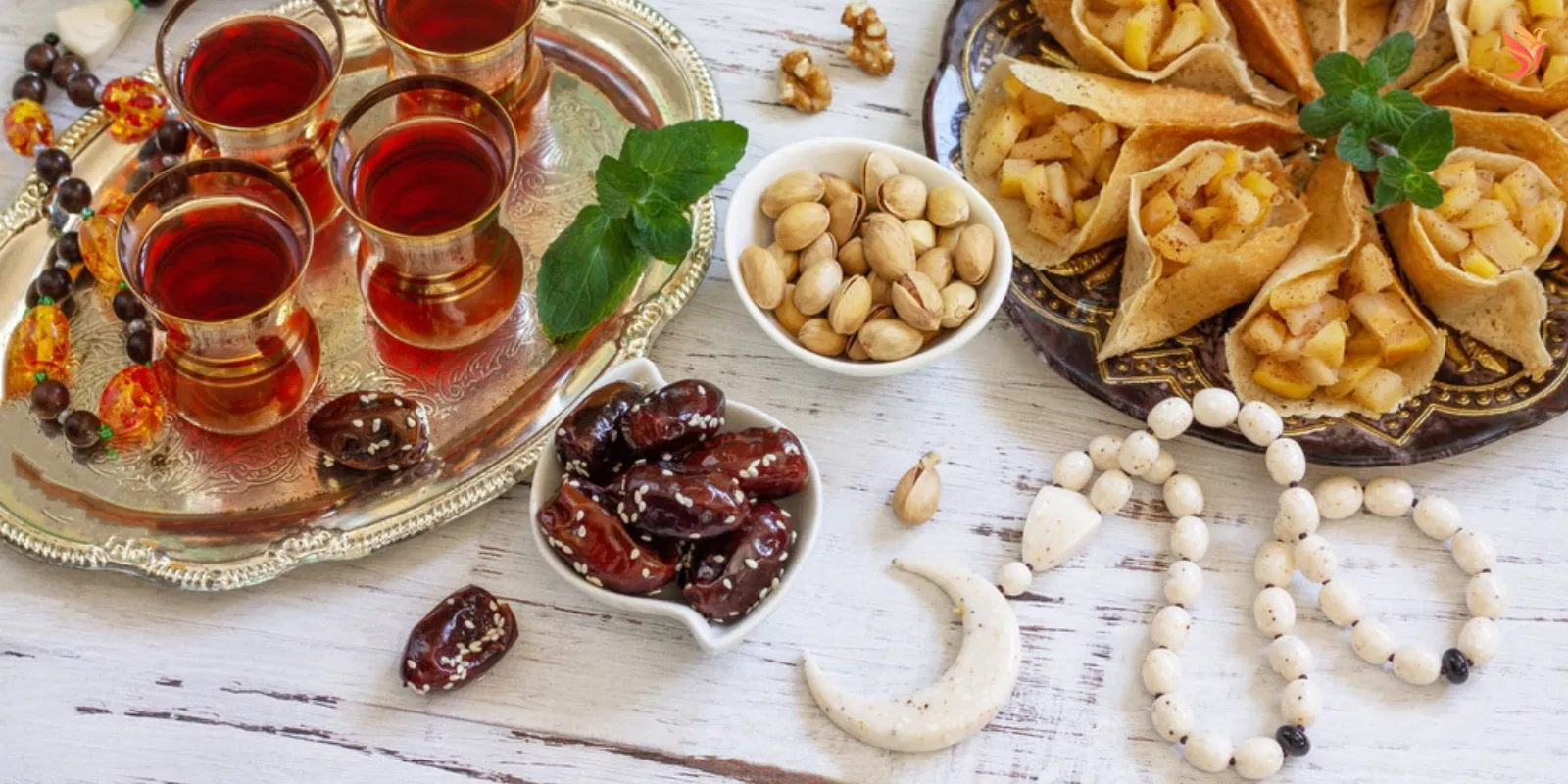
Across older neighbourhoods like Satwa, Karama, and parts of Deira, small eateries serve traditional dishes that locals return to year after year. Expect comforting plates of grilled meats, fragrant rice, lentil soups, freshly baked bread, and classic desserts like luqaimat — crisp, golden dumplings drizzled with date syrup.
For Suhoor, many cafés stay open late into the night, offering lighter fare, juices, and traditional Ramadan drinks such as qamardeen (apricot) and jellab (grape molasses with rose water). These quieter, late-night moments often become travellers’ favourite memories.
Night Markets in Dubai and Late-Night Shopping in Dubai
Shopping during Ramadan shifts to the evening hours.
Malls across Dubai and Abu Dhabi typically extend their opening times after Iftar, creating a relaxed, crowd-free shopping atmosphere late at night. Rather than high-energy sales events, the experience feels calmer and more social, with families browsing, dining, and lingering together.
Seasonal souqs and cultural pop-ups may appear during or around Ramadan, though schedules vary each year. Visitors should treat these as pleasant discoveries rather than fixed attractions and check local listings closer to their travel dates.
Art and Cultural Events during Ramadan in Dubai
Ramadan is also a time for increased cultural activities in Dubai. Dubai’s art scene flourishes with exhibitions and performances reflecting Islamic history and art. Check out Alserkal Avenue, a cultural district that often hosts exhibitions and events themed around Ramadan. The Sheikh Mohammed Centre for Cultural Understanding offers guided tours and educational events that provide insight into Ramadan's religious and cultural significance.
Stargazing and Quiet Reflections
While often overlooked, the beauty of Dubai's skies during Ramadan offers an excellent opportunity for stargazing. The city lights are dimmed slightly as homes and businesses reduce non-essential lighting in observance of the Holy Month, and the night sky shines somewhat brighter. Head to the Al Qudra Desert or The Dubai Astronomy Group’s public gatherings to witness the stars and embrace Ramadan nights' quiet, reflective vibe.
Unique Ramadan Drinks
Aside from the traditional Iftar meals, Dubai offers some lesser-known beverages that are particularly popular during Ramadan. Try Jellab, a delicious blend of grape molasses, rose water, and dates that are refreshing and grounding. Another hidden gem in Dubai is Qamardeen, which is made from apricot paste. It’s sweet and tangy and the perfect way to hydrate after a day of fasting. These drinks are available at local cafes and smaller eateries across the city.
Rewards of Patience and Understanding
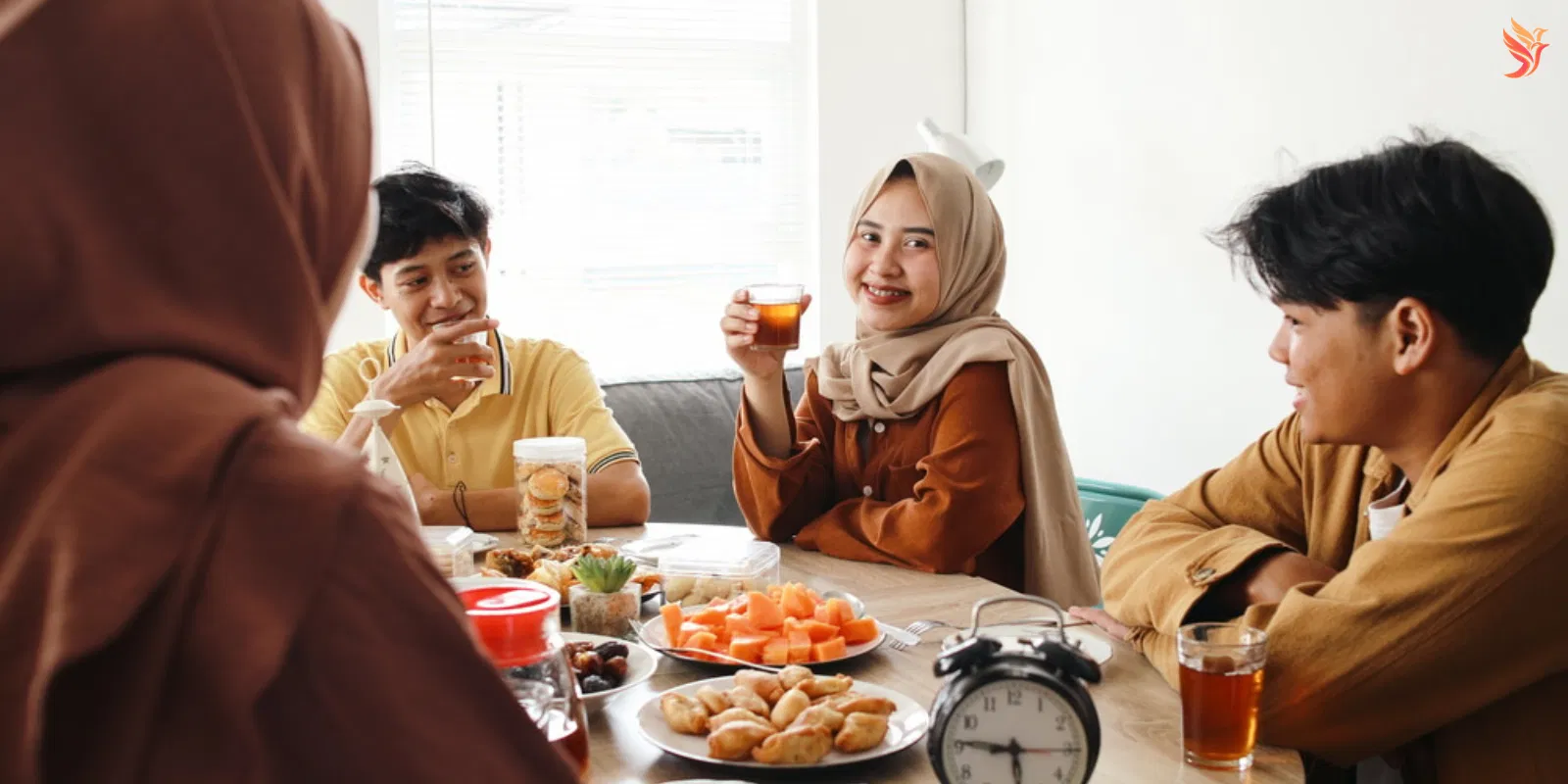
For non-Muslims and tourists, observing Ramadan in Dubai provides an intriguing window into the values and lifestyle of this diverse city. Patience and understanding are essential. Adhering to local customs, such as not eating or drinking in public during daylight hours, demonstrates respect for those fasting. However, tourists are often pleasantly surprised by the warm hospitality extended to them during this time. Locals are more than happy to share the spirit of Ramadan and even invite guests to join Iftar.
Ramadan in Abu Dhabi
For those planning to celebrate Ramadan in Dubai, visiting neighbouring Abu Dhabi is highly recommended to experience the unique and vibrant ways the holy month is celebrated in the UAE's capital. Abu Dhabi offers a rich tapestry of cultural and spiritual events that capture the essence of Ramadan in a traditional and modern way. While Dubai has charm, Abu Dhabi’s celebrations are renowned for their family-friendly atmosphere, luxurious iftar offerings, and diverse cultural activities, making it an ideal destination for a memorable Ramadan experience.
Good Read: Visit These Hidden Gems of Abu Dhabi, UAE, to Immerse Yourself in Emirati Culture.
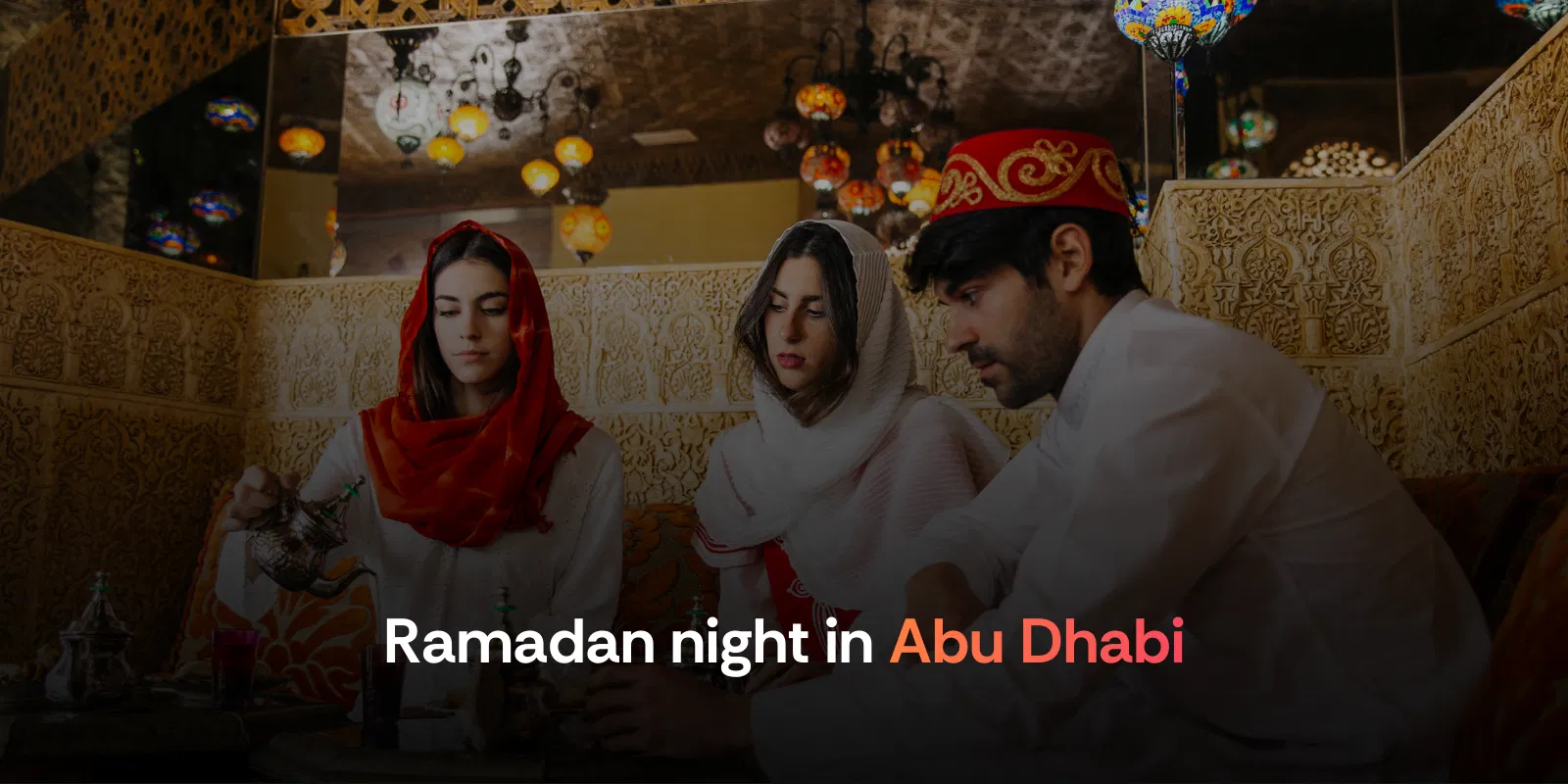
During Ramadan, Abu Dhabi transforms into a festive haven where tradition meets contemporary celebrations. The city is adorned with stunning lights and decorations, illuminating streets and buildings with a warm, inviting glow. The highlight for many is the iftar meal, served after sunset to break the fast. Abu Dhabi's top hotels and restaurants host elaborate iftar buffets featuring a sumptuous mix of local and international cuisines. These meals are occasions for families and friends to come together, fostering a spirit of community and togetherness. Special iftar tents are set up across the city, providing an authentic experience with traditional settings and live performances. In addition, Abu Dhabi hosts vibrant night markets and cultural events, showcasing traditional crafts, Arabic music, and dance performances, thus offering a wholesome and enriching Ramadan experience.
During Ramadan, Abu Dhabi transforms into a festive haven where tradition meets contemporary celebrations. The city is adorned with stunning lights and decorations, illuminating streets and buildings with a warm, inviting glow. The highlight for many is the iftar meal, served after sunset to break the fast. Abu Dhabi's top hotels and restaurants host elaborate iftar buffets featuring a sumptuous mix of local and international cuisines. These meals are occasions for families and friends to come together, fostering a spirit of community and togetherness. Special iftar tents are set up across the city, providing an authentic experience with traditional settings and live performances. In addition, Abu Dhabi hosts vibrant night markets and cultural events, showcasing traditional crafts, Arabic music, and dance performances, thus offering a wholesome and enriching Ramadan experience.
Many restaurants and hotels across Abu Dhabi offer special Iftar buffets and Suhoor menus featuring a fusion of traditional Emirati dishes and international flavours. Notable venues include:
- Four Seasons Hotel Abu Dhabi Offers Iftar at Café Milano, Al Meylas, or Crust, as well as complimentary access to the
- Emirates Park Zoo and Resort offers a unique Iftar experience surrounded by wildlife, accompanied by cultural performances such as Tanoora dances.
- Al Qana: Hosts family-friendly activities and cultural experiences, creating a serene and festive atmosphere for Iftar and Suhoor.
Why Ramadan 2026 Is a Special Time to Visit
With Ramadan falling in late February and March in 2026, visitors benefit from:
- Pleasant evening temperatures
- Longer nights for cultural experiences
- Fewer crowds at major attractions during the day
- A rare chance to see the UAE at its most authentic
Celebrating Ramadan in Dubai and Abu Dhabi isn’t about ticking off attractions — it’s about slowing down, observing, and connecting. Whether you’re sharing dates at Iftar, wandering quiet streets at dawn, or listening to the evening call to prayer echo across the city, Ramadan reveals a more soulful side of the UAE.