
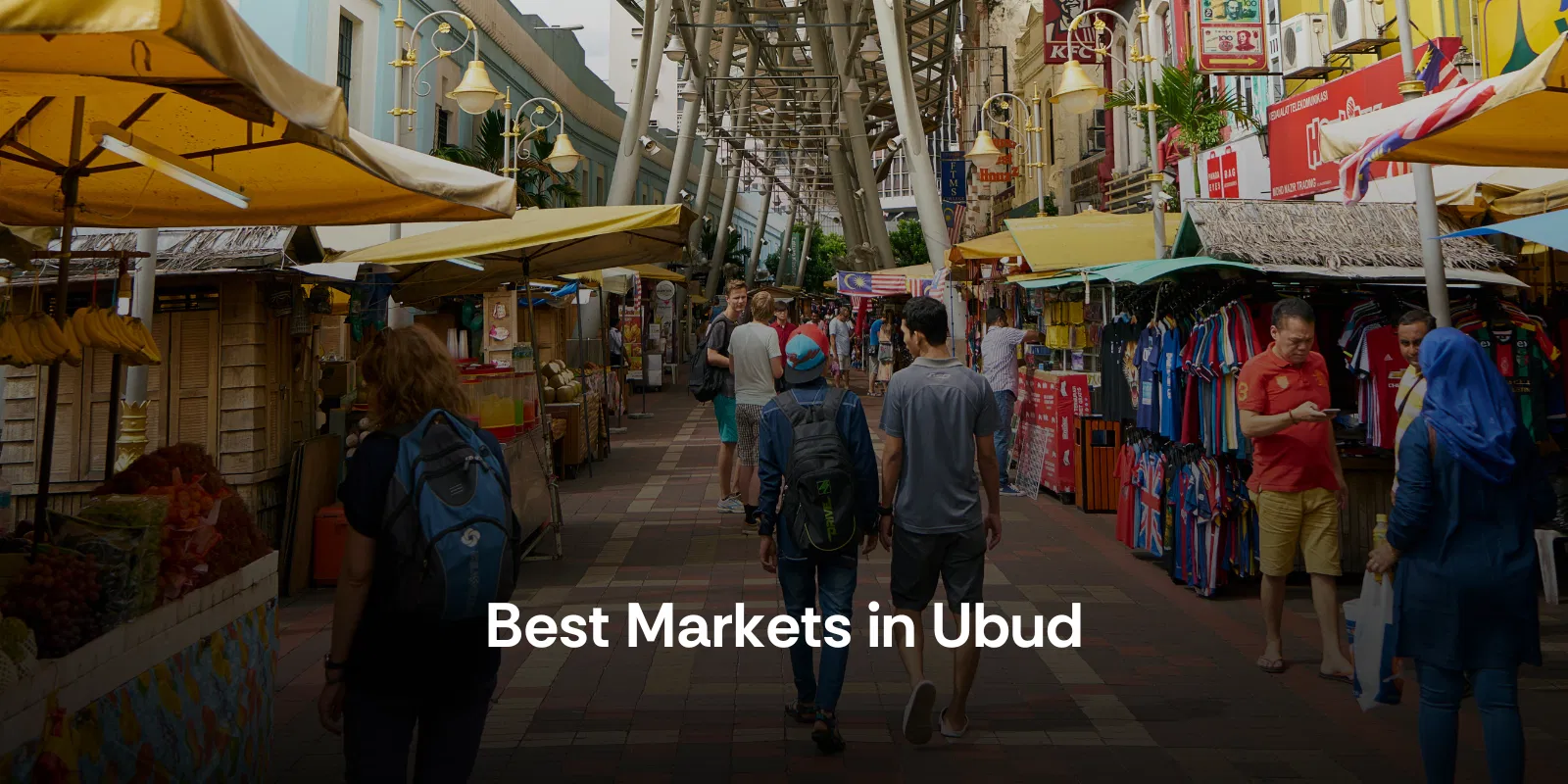
Ubud market secrets: Where to shop like a local?
A world where every corner bursts with colour, every scent tells a story, and every bargain carries a wave of Balinese spirit. Welcome to Ubud’s markets, run on a rhythm entirely their own — early mornings smell of incense and cut flowers, afternoons bring the bartering, and dusk is when the sarong sellers pack up and the food stalls take over.. Whether you’re an early riser chasing the buzz of the Ubud morning market or a night owl drawn to the vibrant street stalls after dark, these markets promise an experience that’s as lively as it is authentic. Ready to turn your market stroll into a memorable journey? Let’s dive into the best markets in Ubud, where to find genuine local handicrafts, what time to hit the stalls, and how to shop like a savvy traveller.
Why these markets matter: More than souvenirs
Ubud’s entire vibe pulses through its market scene. You’ll meet artisans, locals and other curious travellers weaving between stalls, chatting over prices, and bartering for one-of-a-kind finds.
Why visit Ubud’s markets? It’s not just about shopping—it’s the best way to connect with the region’s creative spirit, local traditions, and everyday scenes. Artists from the surrounding villages make the goods you see and bring their best work to the market, from batik fabrics and wood carvings to handmade jewellery, local handicrafts, and street snacks.
Splashing out or staying savvy: What should you buy?
If you’re after unique pieces, the Ubud art market (Pasar Seni Ubud) has over 200 stalls bursting with colourful textiles, wooden carvings, bags, natural beauty products, silver from Celuk Village, and modern boho decor. Many items are handwoven, naturally dyed, or locally designed—think batik shirts, silk scarves, straw hats, baskets, and traditional puppets.
For home decor lovers and fashionistas: rattan furniture, eco-friendly kitchenware, and boutique ceramics are new favourites. If you want gifts, beauty products such as handmade soaps, Balinese hammered packaging, essential oils and natural bath salts are top buys you’ll find at spots like Kou and Threads of Life.
Experienced shoppers know: mornings and late evenings offer the best deals and coolest atmosphere, while mid-afternoon sees more tourists and steeper prices. There’s also a market tradition—“first sale of the day is lucky,” so sellers may drop prices for early birds.
Read about the Bali Art Festival.
The main markets: Where (and when) to shop in Ubud
Here’s how the markets work and why timing is everything:
| Market name | Type & focus | Opening hours | What’s special | Typical prices (latest, 2025) |
|---|---|---|---|---|
| Ubud morning market | Local groceries, produce, daily essentials | 4:00AM - 9:00AM | Authentic, less touristy | Fruit 20,000 IDR (1 GBP, ₹60); snacks 10,000-30,000 IDR (0.50-1.50 GBP, ₹30-₹90) |
| Ubud art market (Pasar Seni Ubud) | Handicrafts, art, souvenirs | 8:00AM - 6:00PM+ | Over 200 stalls, local crafts | Batik shirts 100,000 IDR (5 GBP, ₹300); woven bags 80,000 IDR (4 GBP, ₹240); wood carvings 150,000 IDR (7 GBP, ₹450) |
| Sayan night market | Local food, street snacks, clothes, souvenirs | 5:00PM - 11:00PM | 20+ food stalls, unique flavours | Meals 30,000-60,000 IDR (1.5-3 GBP, ₹90-₹180); clothing 70,000-120,000 IDR (3.5-6 GBP, ₹210-₹360) |
| Peliatan night market | Street food & knick-knacks | 6:00PM - 11:00PM | Local music, food, crafts | Balinese satay 25,000 IDR (1.25 GBP, ₹75); desserts 15,000 IDR (0.75 GBP, ₹45) |
Ubud street markets and hidden pop-ups: Watch for these
Beyond the big names, keep an eye out for local pop-up and ceremonial markets—especially during festival season, which often falls between March and August. These are unfussy and spontaneous, sometimes springing up on street corners or temple grounds. You’ll see rare ceremonial clothes and ritual baskets, plus one-off traditional snacks and locally-roasted coffee.
Kajeng Street and Jalan Dewi Sita are brilliant for quirky boutiques and one-of-a-kind little shops. If you fancy supporting young artists, head to Rumantra’s cluttered store for shirts and jewellery. Oiland makes essential oils ideal for gifting or a personal treat.
Read about shopping and flea markets in Dubai and Abu Dhabi.
What sets the Ubud morning market apart?
This is where local life is loudest. Trucks roll in before dawn with fresh produce, live chickens, woven offerings, and flowers for temples. The air smells of herbs, spice, and (sometimes) a dash of brine. Stallholders yell out prices; bargaining is brisk and friendly. By 9AM, the morning stalls close and the tourist-focused market takes over.
Want street food for breakfast? Try mee bakso (meatball noodle soup), sticky rice dumplings, coconut pancakes, and sweet tea—sold directly from baskets and vans on Jalan Raya Ubud and piled high for hungry regulars. It’s a little chaotic, very alive, and absolutely worth experiencing.
What’s so special about the Ubud art market?
From the moment you step under the canopies, you’ll see why thousands of GCC and European solo travellers rate Ubud’s art market as the "go-to" shopping experience in Bali. Bali’s artistic talent is legendary and here’s where you’ll find it: hand-painted batik, ceremonial wood carvings, delicate silver jewellery, modern boho bags, soft scarves, playful masks, and bamboo accessories. Most of these are made in nearby villages, ensuring authenticity and variety.
Haggling is the norm—start at 30-50% of the first price. Sellers will expect it and often enjoy the banter. Know a bit of Indonesian? “Harga pagi” (morning price) or “Mahal sekali” (too expensive) can help win smiles and deals.
The night market energy
By twilight, Ubud’s night market scene flips from crafts to cuisine. Sayan Night Market, just west of centre, and Peliatan Night Market closer to the action, are packed with food stalls roasting satay, serving babi guling (spiced pork), and blending “jamu” (herbal wellness drinks).
These spots attract a lively crowd, a mix of locals, young tourists, and solo travellers who’ve come from Thailand, Europe, and across the GCC region (fresh research sees a strong rise in solo and small-group trips this year, fuelled by flexible visa options and digital nomad packages through travel platforms like Alike).
Alike tips for Ubud markets
- Always visit early for the best atmospheric experience and deals. Locals say “morning shopping brings luck”—sometimes you’ll see prices halved before 8AM.
- Dressing for heat: light, quick-dry clothes are a must—none of the main markets are air-conditioned.
- Keep cash and small bills handy; some stalls now accept cards, but cash is best for negotiations.
- Stay confident and polite when bargaining—never aggressive. Sellers expect a chat and enjoy showing off items.
- Take breaks at local cafes along Jalan Kajeng for a cool drink and people-watching after your shopping spree.
- Watch out for pop-up and festival markets—these often sell unusual ceremonial items and rare snacks at lower prices.
- Use official taxis or rent a scooter (cheap, 60,000 IDR/3 GBP/₹180 a day) for quicker access between markets.
- Be cautious about “designer” goods sold for pennies—check for authenticity and ask specifically about sources if you want true local handicrafts Ubud is famous for.
- If packing home ceramics, textiles, or glassware, ask vendors for protective packaging. Local shops are usually happy to wrap for long flights.
Shopping with family, solo or on a couple’s adventure
Ubud’s market scene is welcoming to all groups, but solo travellers and couples find the flexible hours and relaxed banter provide real joy. Many GCC and European solo visitors use the markets as daily meeting points—especially during high season from May to September, when Thailand still tops the list for multi-country Bali-and-beyond itineraries.
Kids enjoy the street snacks and vibrant colours, while couples often linger for late-evening craft shopping. Most stalls are safe and well-lit, but always supervise children and keep valuables close in busy areas.
The big price question: How much will you actually spend?
Prices range widely depending on the item, time of day, and your negotiation skills. Here’s what you’ll pay for the most popular picks (latest November 2025 numbers):
- Batik shirts: 100,000-150,000 IDR (5-7 GBP, ₹300-₹450)
- Handmade woven bags: 80,000-120,000 IDR (4-6 GBP, ₹240-₹360)
- Silver jewellery: 200,000-400,000 IDR (10-20 GBP, ₹600-₹1,200)
- Fresh fruit breakfast: 20,000-40,000 IDR (1-2 GBP, ₹60-₹120)
- Street food meal: 30,000-60,000 IDR (1.5-3 GBP, ₹90-₹180)
- Local beauty and bath products: 50,000-100,000 IDR (2.5-5 GBP, ₹150-₹300)
- Scooter rental/day: 60,000 IDR (3 GBP, ₹180)
- SIM card (with data, 10 days): 150,000 IDR (7 GBP, ₹450)
How to reach and get around Ubud markets
Ubud is about 1 hour by taxi from Seminyak or Canggu, with fares ranging from 300,000-450,000 IDR (15-22 GBP, ₹900-₹1,320). Local ride-hailing apps, shared minivans, and regular buses connect Ubud to Denpasar, Sanur, and the airport. Most markets sit near the main street (Jalan Raya Ubud) and are in easy walking distance of top cafes, restaurants, boutique hotels, and attractions like Monkey Forest.
Scooters and bicycles are widely available for daily hire; always wear a helmet, check insurance, and confirm rental inclusions. For day tours and trip planners, platforms like Alike offer bundled market visits alongside sightseeing, SIM cards, and meals.
Best time to visit for shopping
Experienced regulars know Ubud’s market rhythm changes by season. March to September is busiest, with clear skies and cooler mornings. During this peak season, crowds rise quickly after 10AM; early risers enjoy the calm, the freshest deals, and softer light for photos.
October to February sees slightly fewer visitors (apart from New Year’s and Galungan festival days), but be ready for short rain bursts—bring a foldable umbrella if visiting street markets.
Accommodation: Where to stay for easy market access
Options range from local guesthouses (about 350,000-500,000 IDR/night; 17-25 GBP, ₹1,050-₹1,500) to boutique hotels (600,000-1,500,000 IDR/night; 30-75 GBP, ₹1,800-₹4,500). Many hotels on or near Jalan Raya Ubud offer direct market views and walking access—to save time, book a spot with secure storage for your handicrafts and purchases.
Want an art-friendly stay? Try local homestays near Kajeng Street or Dewi Sita for direct market access and immersive vibes. Alike’s packages feature unique stays tailored for artists and design fans.
Local customs and etiquette to get the best experience
- Always greet stallholders with a smile or “Selamat pagi!” (Good morning).
- If admiring but not buying, just say “Saya cuma lihat-lihat” (just looking) to avoid pressure.
- Keep bargaining cheerful and light; laughter goes a long way.
- Ask before photographing, especially in the morning market.
- Dress modestly, especially when visiting during religious ceremonies.
Travel tips for Ubud market-goers
Here’s a quick list for a stress-free visit:
- Get cash from ATMs before entering the market zone.
- Pack light but bring a foldable shopping bag.
- Try local street snacks—vendors offer samples.
- Bring insect repellent, especially for evening markets.
- Scan the area for WiFi hotspots and SIM sales for easy maps and communication.
- Stay hydrated—carry a reusable water bottle.
What to pack for a day exploring Ubud markets
- Lightweight clothing and sturdy sandals
- Reusable shopping bags for souvenirs
- Sun hat and sunscreen for midday trips
- Rain jacket or foldable umbrella (for rainy season)
- Camera or smartphone for quick snaps
- Small cash in IDR and a credit card for emergencies
- Notebook for jotting down artist names
Ubud for solo travellers: Latest trends and highlights
Solo travel to Ubud continues to surge, with many new arrivals from GCC (Gulf Cooperation Council) countries and Europe choosing Bali for short breaks, workcations, and flexible digital visas. The well-lit, sociable market corridors and popular accommodation deals make Ubud a top pick for solo travellers looking for real local experience with practical comforts.
Platforms like Alike now offer trip-planner add-ons designed for solo visitors, including safe SIM card setups, scooter rental partnerships, and recommendations for the friendliest guesthouses near markets.
Visa types, entry rules and costs for shoppers
Most visitors to Ubud can enter Bali visa-free for up to 30 days, or get a "Visa on Arrival" at the airport for 500,000 IDR (25 GBP, ₹1,500)—latest rates, single entry, renewable for another month. Longer stays (digital nomad visas) are now popular among GCC and European solo travellers, with flexible packages offered by local agencies.
Cost breakdown: Latest prices (2025) for market day out
| Item/Service | Price IDR | Price GBP | Price INR |
|---|---|---|---|
| Market breakfast street food | 20,000 | 1.00 | 60 |
| Batik shirt | 120,000 | 6.00 | 360 |
| Woven basket | 85,000 | 4.25 | 255 |
| Silver jewellery | 300,000 | 15.00 | 900 |
| Local transport (taxi) | 375,000 | 18.75 | 1,125 |
| Guesthouse room/night | 450,000 | 22.50 | 1,350 |
| SIM card/data, 10 days | 150,000 | 7.50 | 450 |
| Scooter rental/day | 60,000 | 3.00 | 180 |
Forget everything you read about “designer knockdowns” and “fixed prices”—Ubud’s market economy thrives on energy, conversation and, yes, negotiation. Most sellers enjoy the give-and-take. If a stallholder says the price is fixed, smile politely, thank them, and try again elsewhere.
Experienced travellers know to spot quick scams: offers of “premium batik” for a fraction of the real cost, and “silver jewellery” with no stamp. Always confirm the origin—true Ubud handicrafts bear subtle marks, signatures, or come with artist-written cards.
Whether you’re browsing for art, filling your bag with local snacks, or chatting with friendly stallholders, Ubud’s market scene is Indonesia’s artful answer to street shopping. From the dawn chorus of bargaining at the traditional market, through the galleries and chic shops at midday, to the bright energy of the night markets, every moment is rich with warmth, colour, and stories.
Ready to plan your market adventure? Use platforms like Alike for trip planning, SIM cards, or artisan day tours to get the most from every minute.
Good Reads
Frequently Asked Questions
What’s the best time to visit Ubud markets?
What’s the best time to visit Ubud markets?
How much should I budget for shopping in Ubud’s markets?
How much should I budget for shopping in Ubud’s markets?
Where should I stay for easy market access?
Where should I stay for easy market access?
What’s the best way to reach the markets?
What’s the best way to reach the markets?
Are Ubud markets safe for solo and family travellers?
Are Ubud markets safe for solo and family travellers?
What should I pack for a market visit?
What should I pack for a market visit?
Can you bargain at Ubud markets?
Can you bargain at Ubud markets?
Is Ubud market worth visiting?
Is Ubud market worth visiting?
How much should I budget for Ubud market shopping?
How much should I budget for Ubud market shopping?