
What's Inside Shopping/Flea Markets in Abu Dhabi
“You never really know a place until you’ve haggled in its markets.”
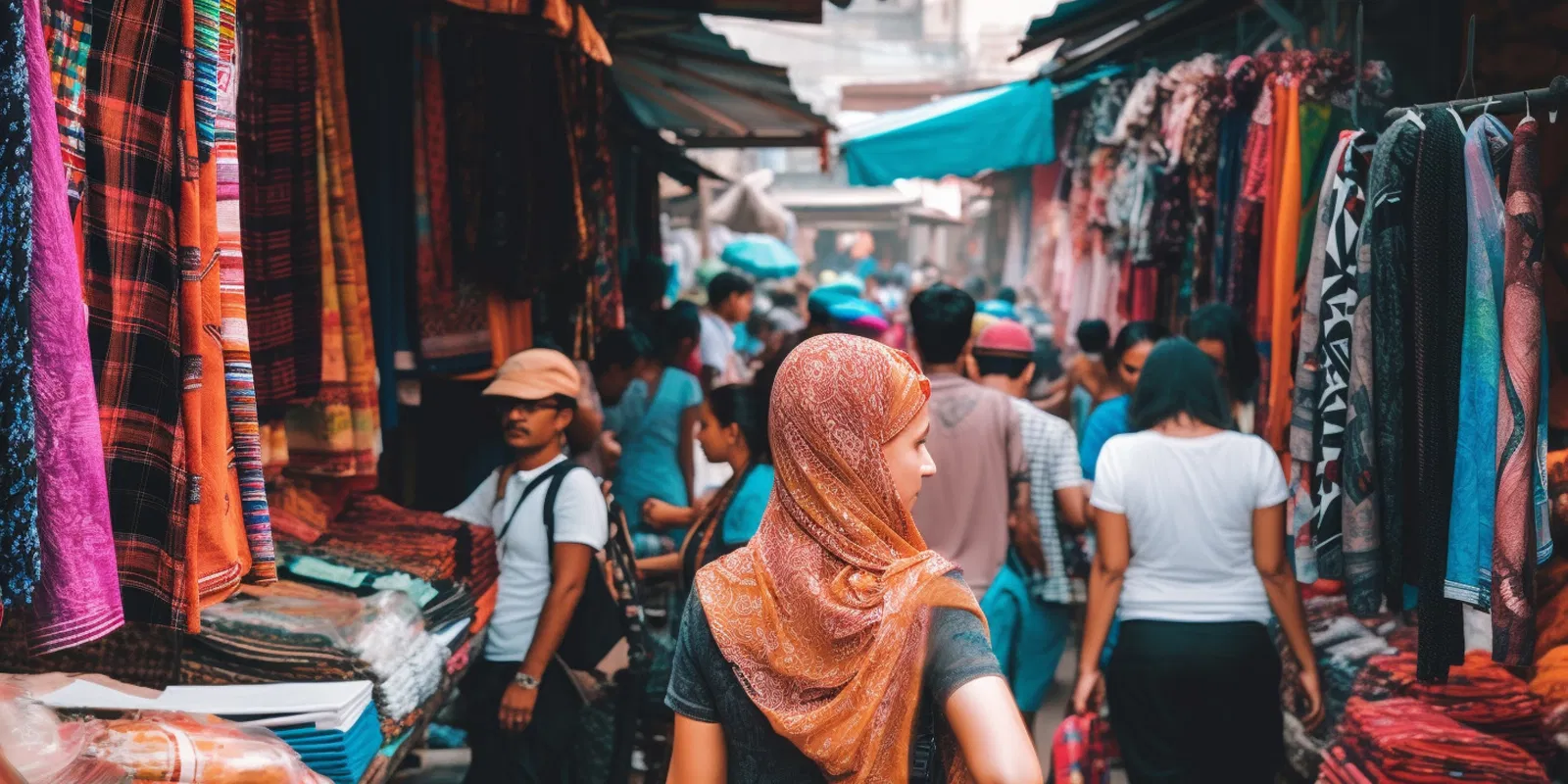
It’s 9 am in Abu Dhabi. The desert breeze is still gentle, and the sun is not quite at full blaze. There’s a faint scent of frankincense in the air, mingling with roasted nuts and the tang of fresh herbs. You’re weaving through rows of stalls – some shaded by makeshift canvas, others lined in neat little huts – locals sipping karak and the occasional vendor calling you “sister” with a grin. You’re not at Yas Mall or Marina Mall today. You’re deep in Abu Dhabi’s lesser-known heart: its flea markets, second-hand bazaars, and weekend pop-ups. And it feels gloriously real.
Malls in Abu Dhabi are modern marvels, no doubt. But step into a flea market or souk, and you’re stepping into something older, rawer, and oddly charming. The Al Mina Souk, for example, is tucked near the port and feels like a holdover from another time.
It’s where nostalgia and newness collide – perfect for families, and couples on an Abu Dhabi couples package who want more than just polished Instagram photos.
Indian travellers love Abu Dhabi markets – and here’s why it feels familiar
There’s something strikingly desi about these markets. Maybe it’s the smell of chana roasting on coal. Maybe it's the vendors who speak fluent Hindi or the familiar rhythm of bargaining over three sets of bedsheets. For travellers on Abu Dhabi packages from Delhi or Mumbai, this feels comfortingly close to home, just with a twist of Emirati flair.
Getting there is easy if you know where to look
Most of Abu Dhabi’s markets aren’t far from central neighbourhoods. Al Mina and Al Zafarana Souk are accessible by taxi, or take Bus 56 from the Corniche. If you’re staying on Saadiyat or Yas Island, it’s best to head out by mid-morning to beat the heat and the crowds. And yes, your Abu Dhabi SIM card will come in handy for grabbing an Uber or checking market hours.
Alike Tip: Carry ‘The Official Abu Dhabi Pass’.
Here’s what you’ll find in Abu Dhabi’s flea markets – beyond the souvenirs
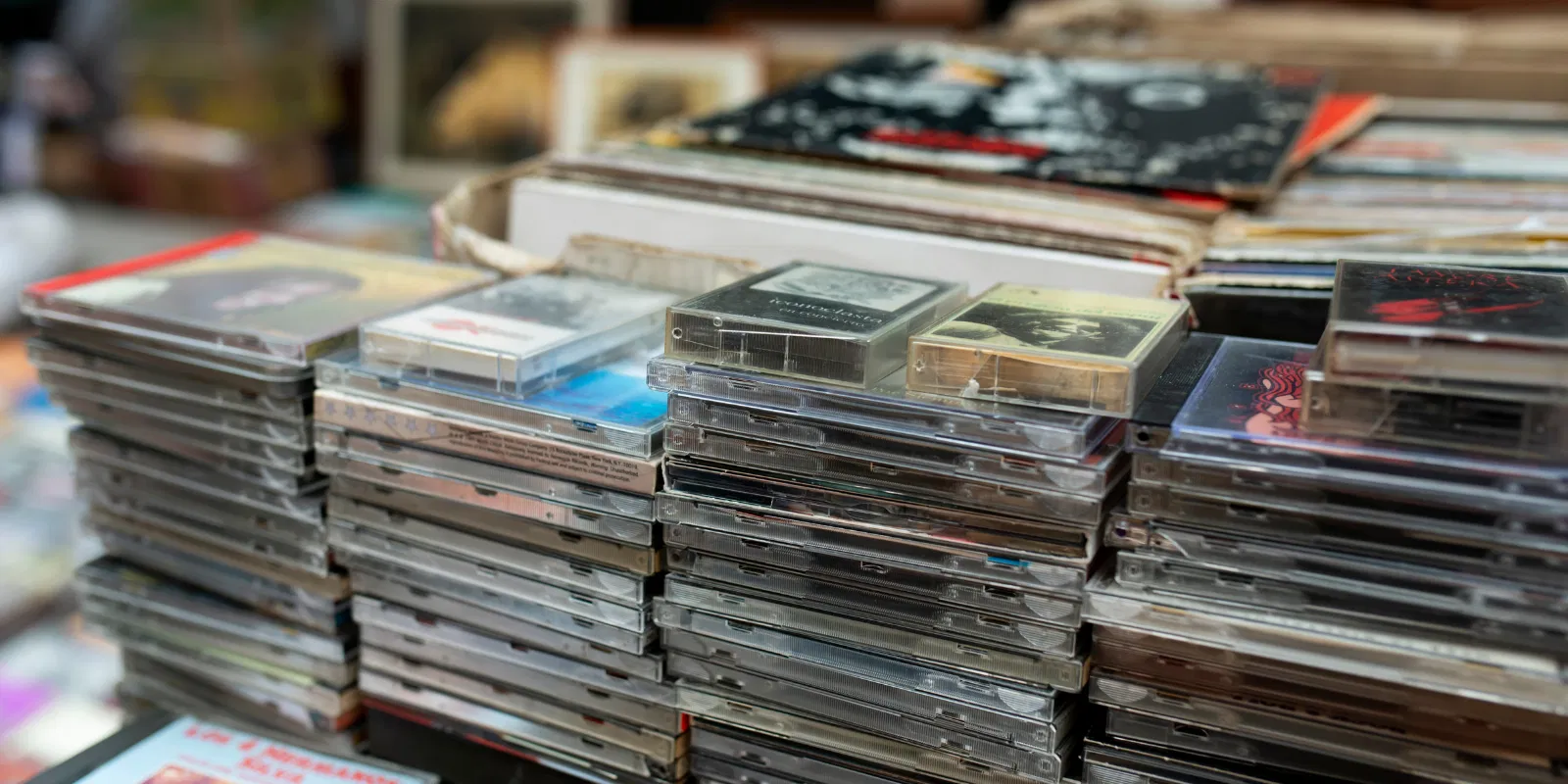
Don’t just skim the surface. Dig a little deeper and you’ll find:
- Old vinyl records and Arabic cassettes: Ask for “Farid Al-Atrash” or “Umm Kulthum” – some stalls sell working gramophones too.
- Vintage Gulf War memorabilia: In some offbeat corners, you’ll stumble upon old military badges and camel-mounted canteens.
- Handmade perfumes and raw oud: Locals often swear by single-note attars here – much stronger and longer-lasting than anything in Duty Free.
- Dates from the Liwa Oasis: The best kinds are Khalas and Khenaizi – ask the seller for fresh, not factory-packaged ones.
- Textiles that actually come from Syria, India, and Iran: Not the mass-produced types. You’ll know the difference by touch – linen-soft, rich in colour, smells faintly of dye.
Alike tip: Bargaining is expected, but there’s an art to it
Don’t jump into full drama mode right away. Smile. Chat a little. Maybe ask if they’ve had lunch. You’ll almost always get a better rate if you buy more than one item. And never convert everything to rupees while shopping – it ruins the magic.
Don’t miss the antiques section – ask for the locked cabinets
Al Mina's real treasures are often under glass or behind the counter. Ask to see the old coins, daggers (called khanjars), or pearl diving tools. Some are family heirlooms on sale; others, relics from the Trucial States era before the UAE was even formed. Most tourists don’t know to ask – now you do.
Planning with Alike makes all the difference
If you're booking your Abu Dhabi holiday, Alike helps you include these market strolls into your itinerary, alongside the Louvre and desert safari.
Why visit Abu Dhabi Flea Markets?
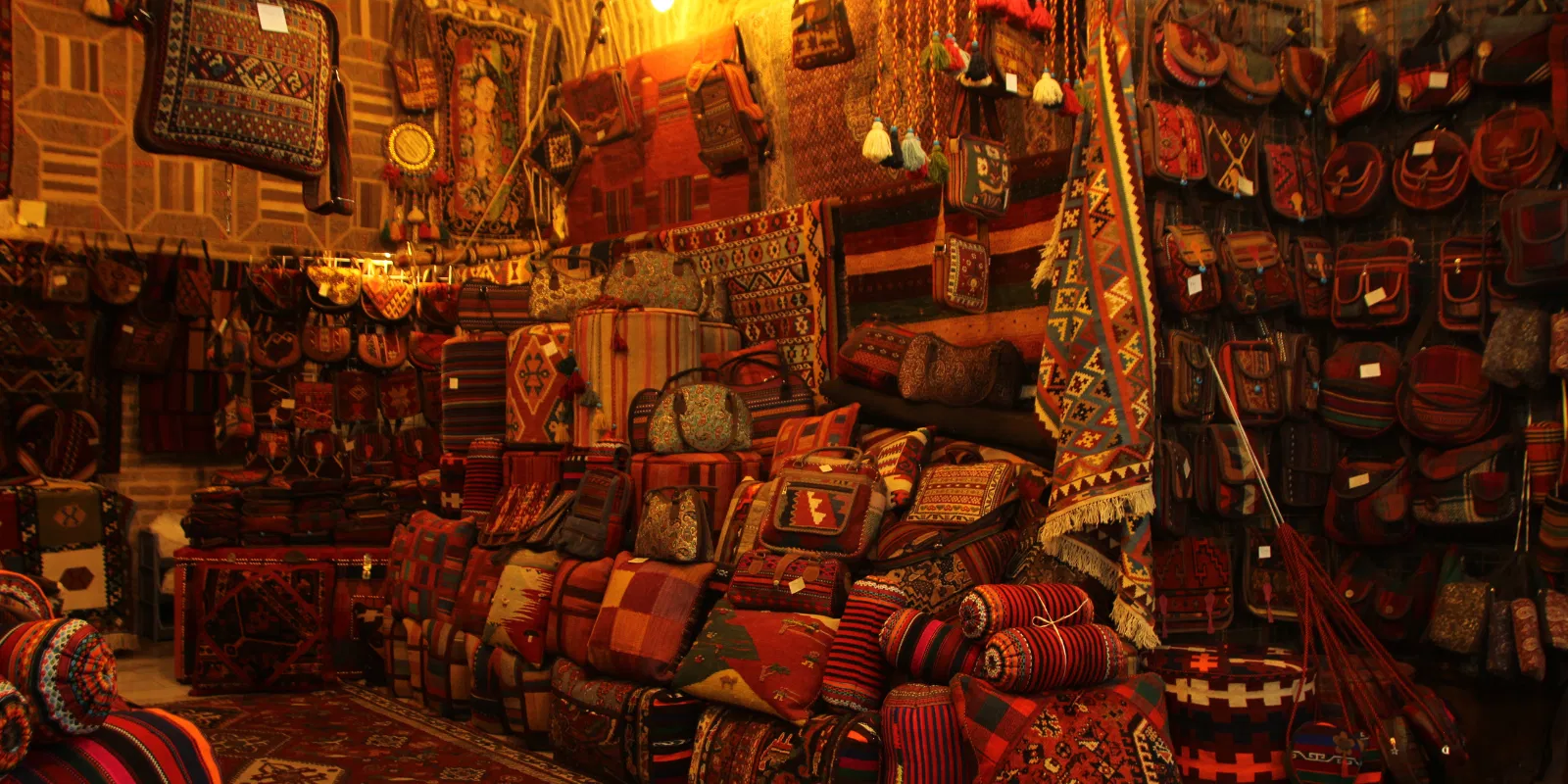
Abu Dhabi’s flea markets aren’t just about shopping – they’re cultural playgrounds where history, storytelling, and haggling come alive. Here, you’ll find everything from old Emirati daggers and pearl diving relics to vintage cassette tapes and second-hand books. These markets offer the kind of sensory overload that polished malls simply can’t replicate. Ideal for travellers who want to feel the city.
Top things to do in Abu Dhabi Flea Markets
- Explore Al Mina Souk: The heart of all things vintage and oddball – Afghan rugs, antiques, and incense burners.
- Stroll through Zafarana Market: Best for traditional clothes and Emirati snacks.
- Dig into the second-hand section: Especially during weekend pop-ups like the Ripe Market.
- Try Emirati street food: Rigag, luqaimat, and strong, sweet karak.
- Hunt for collectables: From Gulf War memorabilia to old typewriters and phonographs.
Best time to visit Abu Dhabi Flea Markets
November to March is ideal, with cool mornings and late afternoons. During Ramadan and Eid, expect vibrant stalls, festive discounts, and extended evening hours. Summer months are hot, but many vendors stay open till late – just go prepared with water and breathable clothing.
How to reach Abu Dhabi Flea Markets
- By Bus: Buses like Bus 56 and Bus 34 connect to popular market areas like Al Mina.
- By Taxi/Uber: Readily available and cost-efficient – especially if staying on Yas Island or Saadiyat.
- Using a SIM Card: Get an Abu Dhabi SIM card to navigate public transport, check hours, and call vendors in advance.
Pro tip: Flea markets are often within 25–30 minutes of most hotel hubs.
What to eat in and around Abu Dhabi Flea Markets
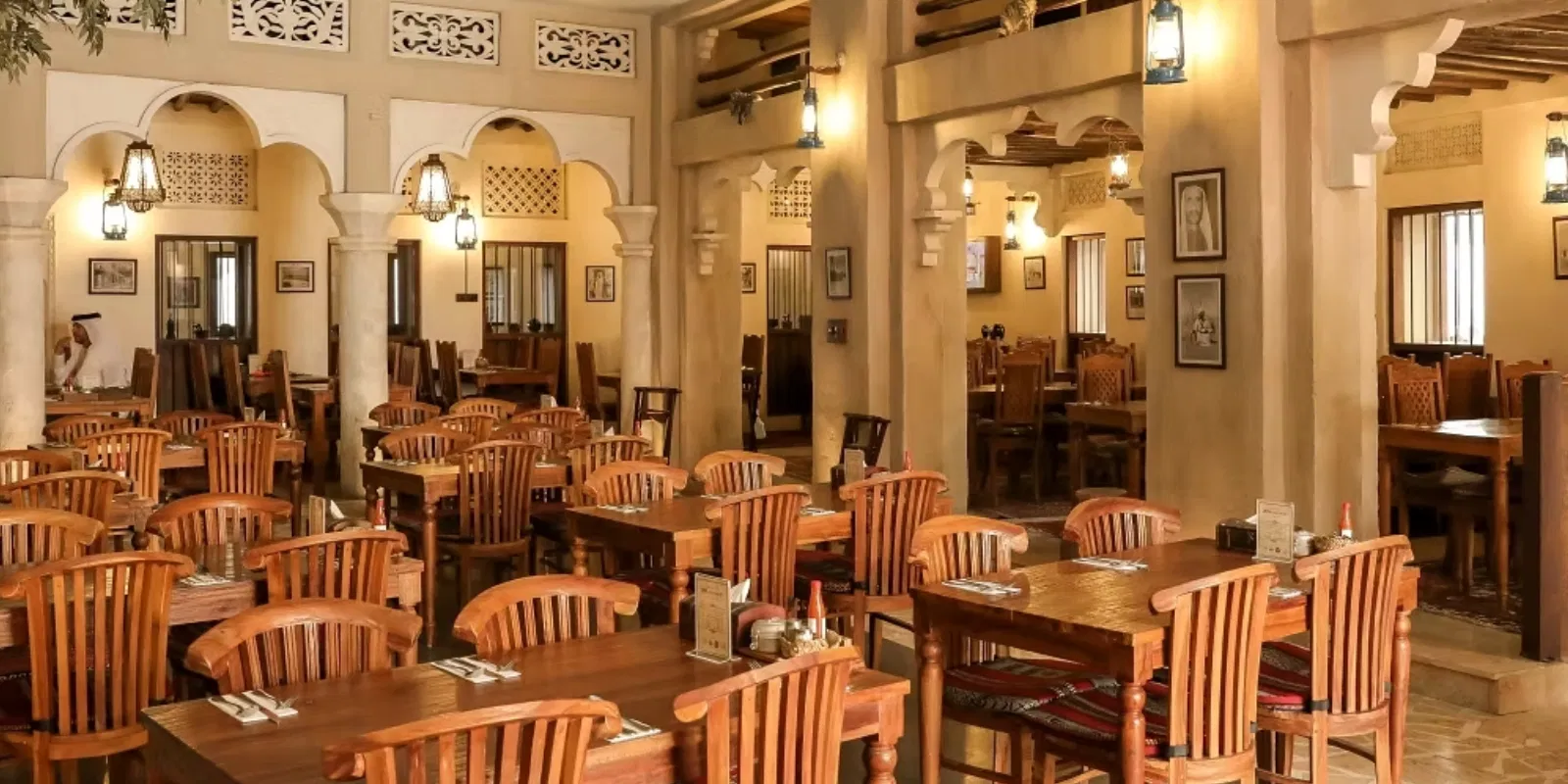
Don’t just shop – eat your way through!
Street-side favourites include:
- Karak Chai (2–3 AED): Rich, spiced tea you’ll want seconds of
- Rigag (5–7 AED): Emirati crepe filled with cheese, egg or honey
- Luqaimat (10–15 AED): Crispy sweet dumplings drizzled with date syrup
Nearby food joints:
- Al Ibrahimi Restaurant: Pakistani buffet with top-tier mutton dishes
- Al Dhafra Restaurant: Grilled seafood, kabsa rice and more with waterfront views
Is it safe to travel to Abu Dhabi Flea Markets?
Yes. Abu Dhabi is consistently ranked as one of the safest cities in the world. The flea markets are public, well-patrolled, and family-friendly. Stallholders are typically friendly, many speaking Hindi or English. Just keep your cash safe, stay hydrated, and carry smaller notes to avoid overpaying.
Travel tips for visiting Abu Dhabi Flea Markets
- Start early or post-sunset to avoid mid-day heat.
- Carry cash – small bills (5s, 10s, 20s AED).
- Wear light clothing and good walking shoes.
- Don’t be afraid to bargain – do it with humour.
- Ask about the product’s origin – locals love to share stories.
- Consider using The Official Abu Dhabi Pass for discounts at cultural experiences nearby.
Cost of exploring Abu Dhabi Flea Markets
It’s very budget-friendly compared to mainstream shopping.
| Item | Average Cost (AED) |
|---|---|
| Karak / Tea | 2–3 |
| Rigag or Luqaimat | 5–15 |
| Jalabiya (hand-embroidered) | 30–100 |
| Oud oil / Solid perfumes | 10–50 |
| Old coins or collectables | Varies (negotiable) |
Public transport & getting around Abu Dhabi Flea Markets
- Buses: Reliable, clean, and fully air-conditioned. Check routes using the DARB app.
- Taxis: Affordable and regulated – great for short market hops.
- Private car hire: Best if visiting multiple markets in one day.
- Google Maps: Works well with your Abu Dhabi SIM card for live navigation and hours.
The flea markets aren’t part of the glamorous billboard version of Abu Dhabi. But if you want stories that stay with you, the scent of oud in your suitcase, and a few scratches on your suitcase from all that bargain-hunting, this is where you need to be.