
What's Inside Bali's Markets?
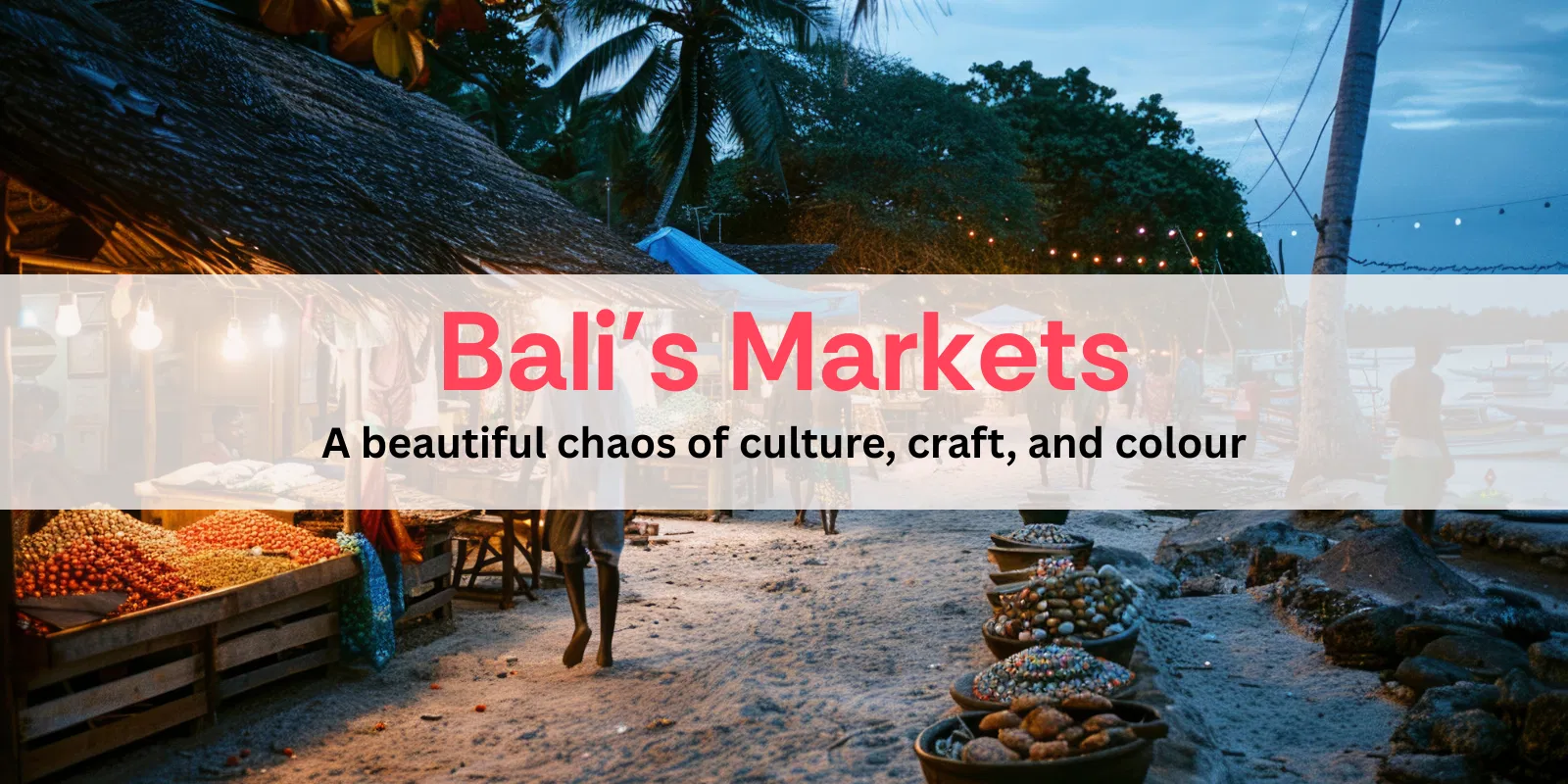
If you’re craving a travel experience that’s rich in culture, colour, and authentic local flavour, Bali’s markets are your perfect destination. As you wander through the bustling lanes, you’ll be greeted by vibrant textiles, intricate handicrafts, and the tantalising aroma of Balinese street food — a feast for all your senses. For Indian travellers, Bali’s markets offer not just shopping but a deep cultural connection, blending the island’s Hindu heritage with unique artistry and warm local hospitality.
What are Bali’s Markets?
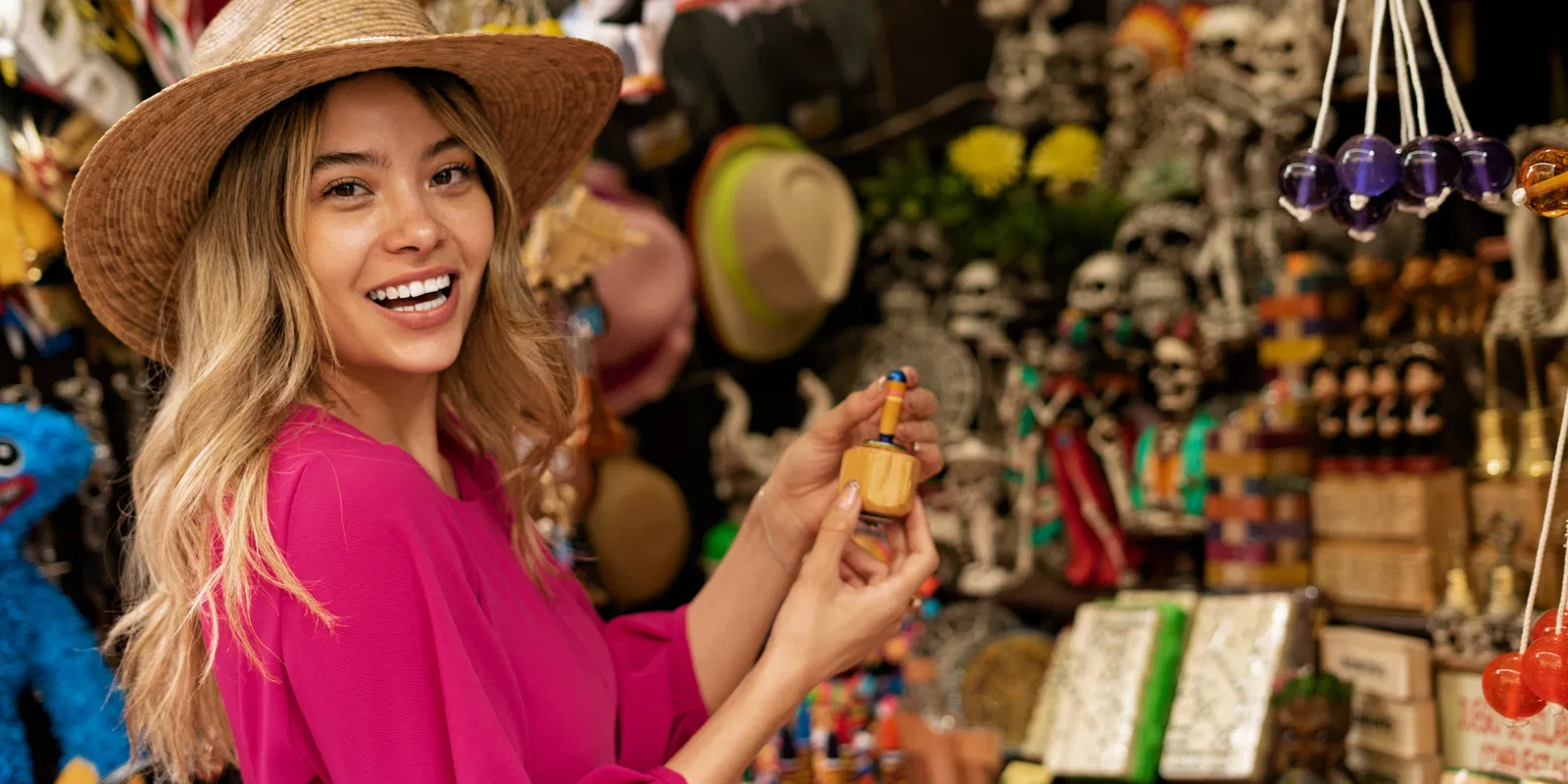
Bali’s markets are traditional hubs where local craftsmanship, fresh produce, and everyday Balinese life come alive. These markets are more than just places to buy souvenirs — they are living museums of Bali’s artistic heritage and cultural traditions. From handwoven textiles and wood carvings to fragrant spices and tropical fruits, each market stall tells a story rooted in centuries-old customs and Hindu spirituality.
Unlike modern shopping malls, these markets thrive on personal interaction, bargaining, and the joy of discovery. Whether it’s the Ubud Art Market’s colorful paintings or Sukawati’s vast array of handcrafted treasures, Bali’s markets are a gateway to understanding the island’s soul.
Why Indian Travellers Love Bali’s Markets
For Indian travellers, Bali’s markets resonate on many levels:
- Cultural Connection: Bali’s strong Hindu roots create a spiritual and cultural affinity, making the experience feel familiar yet refreshingly exotic
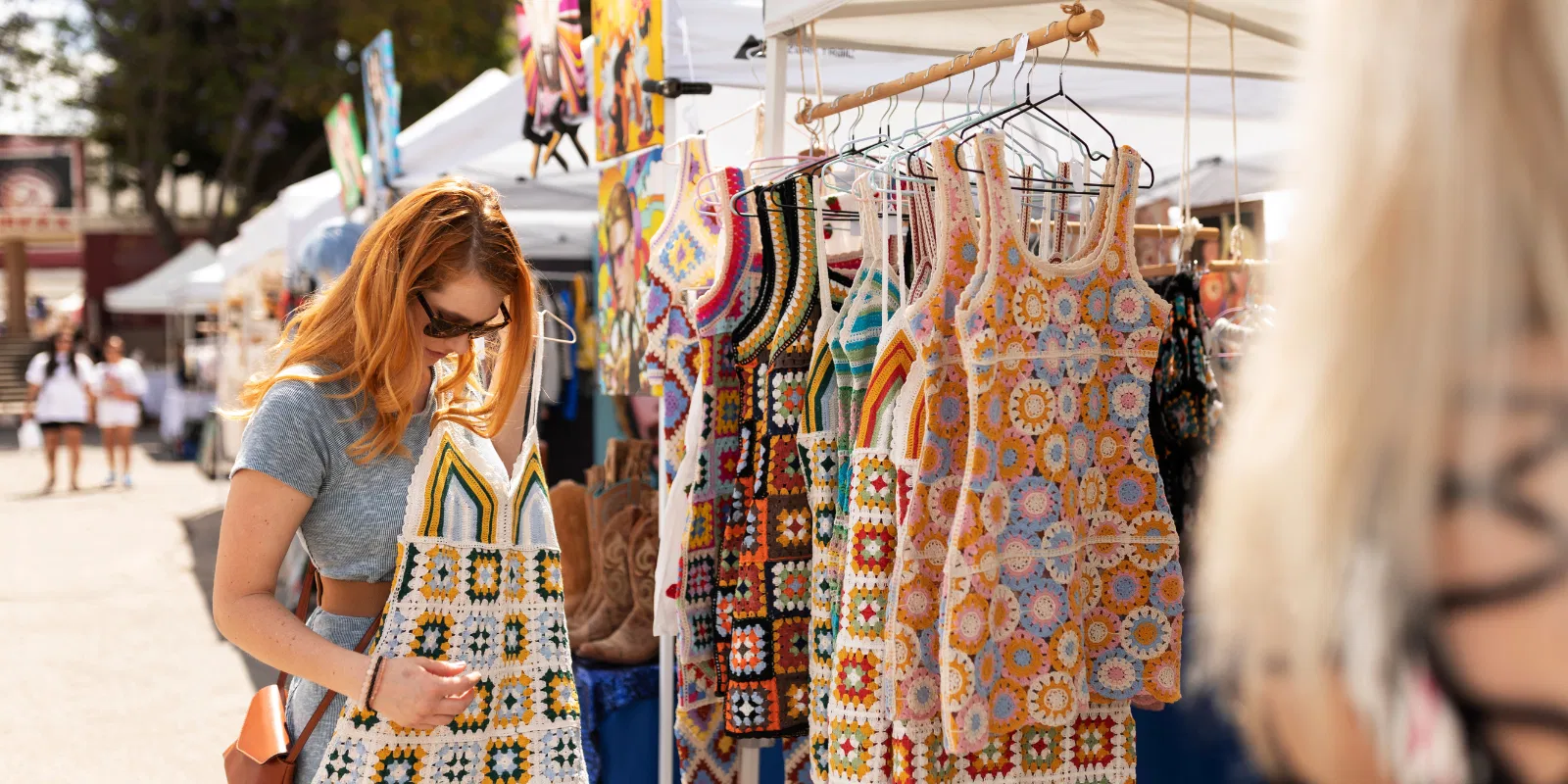
- Handicrafts and Textiles: The variety of traditional textiles, silver jewellry, and wood carvings align beautifully with Indian tastes for intricate craftsmanship and vibrant colors
- Local Flavours: Balinese snacks like klepon (sweet rice cake balls) and sate lilit (minced seafood satay) offer delicious new tastes that complement Indian palates.
- Authentic Experiences: The markets provide a genuine cultural immersion, far from touristy facades, where you can meet artisans and learn about their craft firsthand.
- Affordable Shopping: Competitive prices and the art of bargaining make it an exciting and rewarding shopping adventure
Location and Accessibility of Key Markets
Here are some must-visit markets in Bali, with practical details to help you plan your visit:
| Market Name | Location | Opening Hours | Best Time to Visit |
|---|---|---|---|
| Ubud Art Market | Central Ubud | Daily, 8:00 AM – 6:00 PM | Early morning to avoid crowds |
| Sukawati Art Market | Jalan Raya Sukawati, Gianyar | Daily, 6:00 AM – 6:00 PM (Art Market 10:00 AM – 5:00 PM) | Early morning for best deals |
| Badung Traditional Market | Denpasar City Center | 5:00 AM – 5:00 PM (afternoon market 5:00 PM – 5:00 AM) | Early morning for fresh produce |
| Pasar Sindhu Night Market | Sanur | Daily, 4:00 PM – late night | Evening for food and nightlife |
What You Can Experience and Buy
At these markets, you’ll find a dazzling array of products that capture Bali’s artistic spirit and cultural heritage:
- Traditional Textiles: Handwoven ikat, batik fabrics, silk scarves, and sarongs.
- Handmade Jewellery: Silver and gold pieces, often inspired by Hindu motifs.
- Wood Carvings & Masks: Intricately carved statues and ceremonial masks used in Balinese dances.
- Paintings & Art: Vibrant paintings depicting Balinese life, Hindu epics, and nature.
- Local Snacks: Klepon (sweet rice balls), sate lilit (seafood satay), and fresh tropical fruits.
- Souvenirs: Woven bags, coconut bowls, oil lamps, and brass statuettes.
Insider Tips on Bargaining and Shopping
- Start your bargaining at about half the asking price and negotiate respectfully upwards until you reach a fair deal
- Bundle purchases to get discounts — vendors appreciate buying in bulk.
- Learn a few basic Bahasa Indonesia phrases like “berapa harganya?” (how much?) and “boleh kurang?” (can you reduce?) to connect warmly with sellers.
- Carry cash, as many stalls prefer it and sometimes offer better prices for cash payments.
- Visit markets early in the morning to avoid crowds and get first pick of fresh goods and crafts.
- Take your time to explore multiple stalls before buying to compare quality and prices.
Nearby Attractions and Food Options
Make your market visit part of a fuller cultural day by exploring these nearby spots:
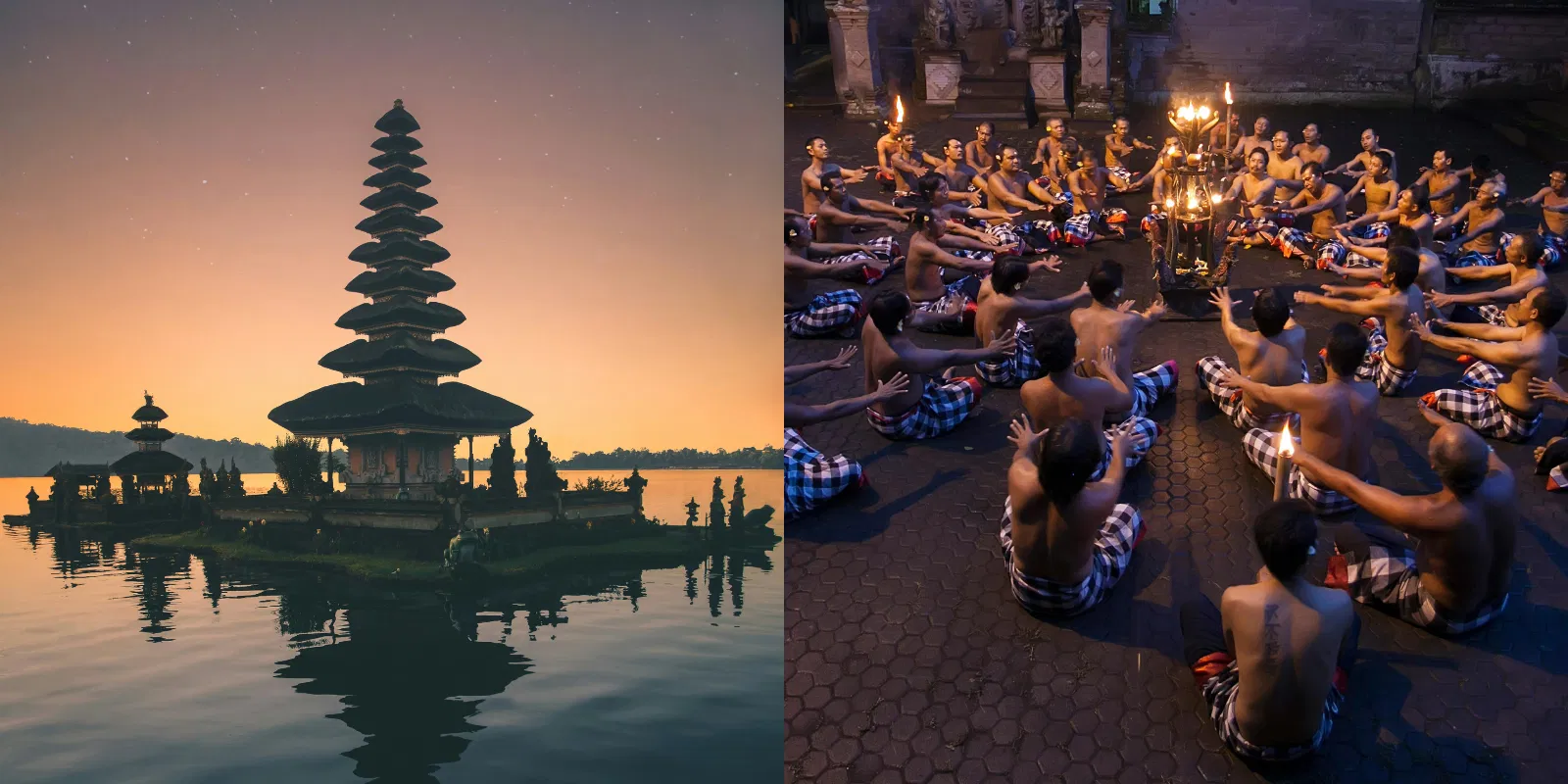
- Ubud Palace & Saraswati Temple: Experience traditional Balinese architecture and serene temple grounds near Ubud Market.
- Local Eateries: Try Balinese dishes like babi guling (suckling pig) or vegetarian-friendly nasi campur at nearby warungs. Indian travellers will find many restaurants offering familiar spices and flavors.
- Cultural Performances: Catch a Kecak fire dance or traditional gamelan music performance in Ubud or Gianyar.
Photography and Travel Tips
- Capture the vibrant colors and lively scenes during the golden hour for stunning photos.
- Dress modestly and comfortably, respecting local customs especially when visiting temple markets.
- Stay hydrated and wear sunscreen — many markets are open-air and tropical sun can be strong.
- Don’t hesitate to ask questions — many vendors speak English and enjoy sharing stories about their crafts.
Explore Bali’s Markets with Alike
Ready to dive into Bali’s rich market culture without the hassle? With Alike’s curated Bali experiences, you can enjoy seamless travel planning, expert guides, and insider access to the island’s best shopping and cultural spots. Whether it’s a personalized market tour or a cultural workshop, Alike makes your Bali journey effortless and authentic.
Visit Alike today and unlock the magic of Bali’s markets like never before — no paperwork, no agents, just spontaneous, unforgettable travel.