

Travellers' favourite
things to do in amritsar
Must-have travel
essentials in amritsar
Explore Amritsar

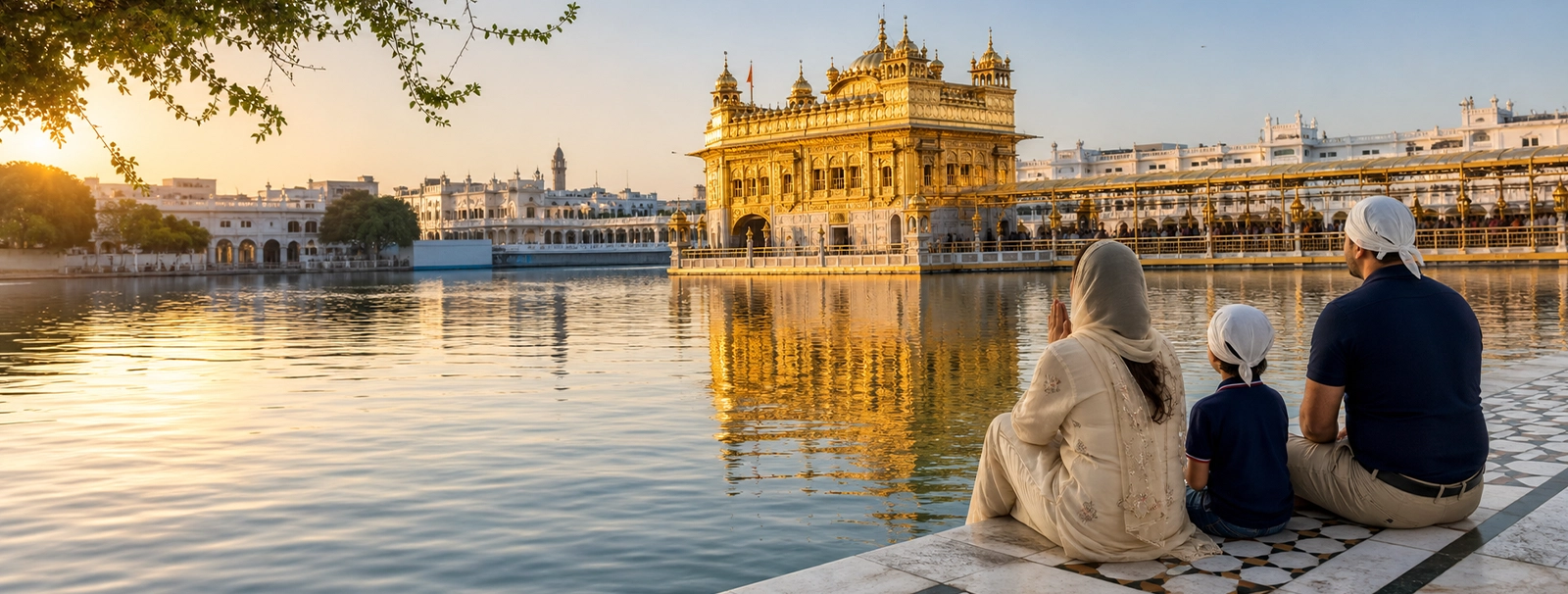
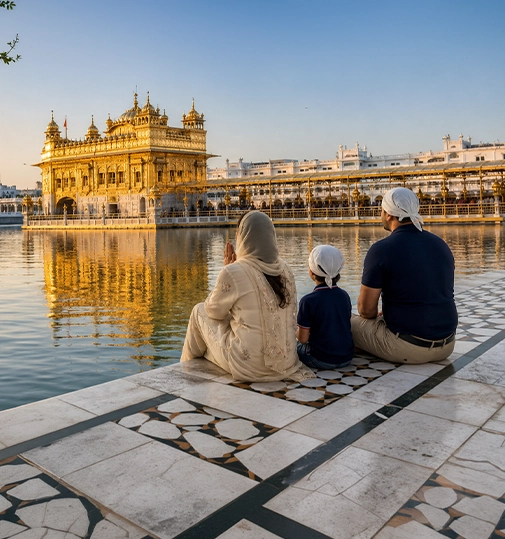
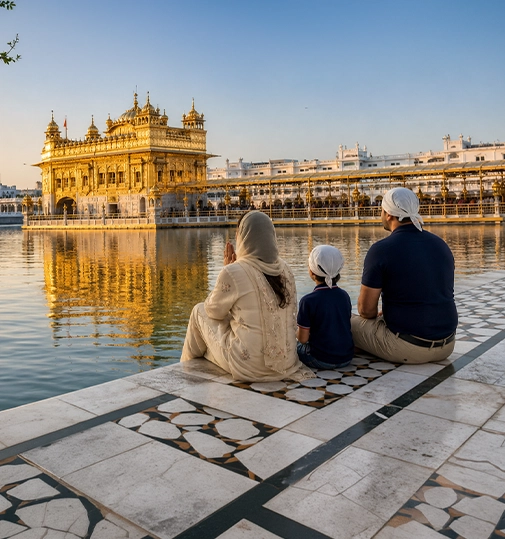
Amritsar is the holiest city of Sikhism-the location of Harmandir Sahib, the Golden Temple, the religion's most sacred shrine and the most visited site in India after the Taj Mahal by some counts. The Temple was completed in 1604, the gold plating added in the 19th century by Maharaja Ranjit Singh using 750 kilograms of pure gold. It sits on an island in the middle of the Amrit Sarovar-the Pool of Nectar-surrounded by a marble causeway and four entrance gates, one in each direction, symbolising that all are welcome regardless of faith or caste. The experience of the Golden Temple depends entirely on when you visit. In the middle of the day in October-March, the darbar is crowded with thousands of devotees and tourists from across India. At 5am, when the gates open for the first Nitnem prayers, it is something entirely different-the silence of water and marble and gold in the first light, the sound of Gurbani from the landspeakers across the sarovar, the smell of langar (the free community kitchen that serves 100,000 meals daily) beginning its first preparation of the day. Alike's complimentary experience is the early-morning visit with a guide who knows the Gurdwara's protocol, history, and the significance of each element. The Wagah Border Ceremony takes place every evening at the India-Pakistan border crossing, 30 kilometres from Amritsar. The flag-lowering ceremony-a precisely choreographed display of military drill by BSF jawans and Pakistan Rangers, performed simultaneously on each side of the gate-draws 10,000 to 15,000 spectators on most evenings. It is simultaneously a military ceremony and a cultural performance, and understanding what you are watching requires the context of the 1947 Partition and the history of the border crossing. Alike's VIP viewing positioning and guided context makes it the right experience rather than the crowded one. Jallianwala Bagh, 150 metres from the Golden Temple, is the garden where General Dyer ordered the massacre of unarmed civilians on 13 April 1919-an event that fundamentally altered the trajectory of India's independence movement. The bullet holes in the walls are preserved. The well into which people jumped to escape the firing is enclosed but visible. The garden is maintained as a memorial. Alike's heritage walk includes Jallianwala Bagh with context that most visitors do not get from the site's own information boards. The Amritsari culinary tradition-which is distinct from the rest of Punjab in several key ways-is worth a guided food walk. Amritsari kulcha (a leavened flatbread stuffed with potato and onion, cooked in a tandoor and served with chole), Amritsari fish (river fish fried in besan batter with ajwain), and the particular style of makki ki roti and sarson da saag available only in winter are all experiences that a local food historian can contextualise properly.