


Travellers' favourite
things to do in jaipur
Must-have travel
essentials in jaipur
Explore Jaipur

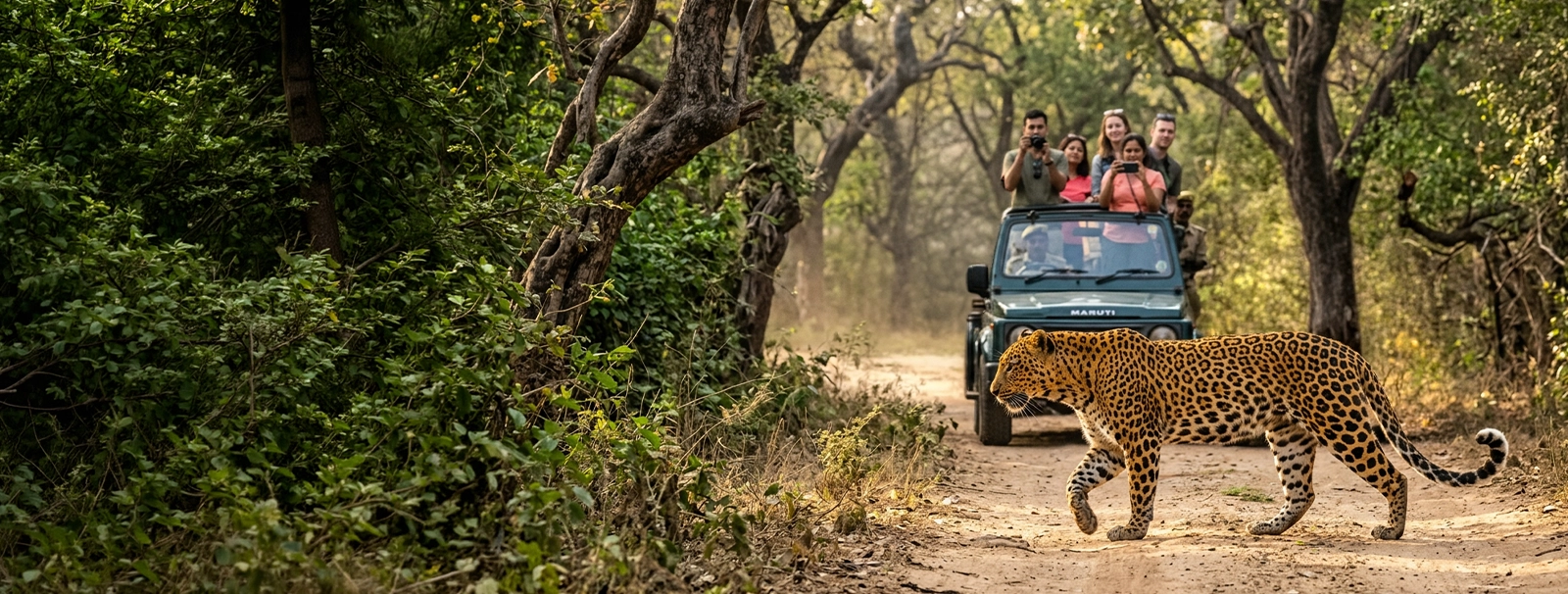
Jaipur was planned. Unlike most Indian cities that accumulated organically over centuries, Jaipur was designed on paper in 1727 by Maharaja Sawai Jai Singh II and the Bengali architect Vidyadhar Bhattacharya-a city grid based on the principles of Vastu Shastra and the astronomical theories that Jai Singh was then developing at the Jantar Mantar observatory. The terracotta-pink colour of the buildings was applied in 1876 to welcome the Prince of Wales, Edward Albert-a decorative decision that became the city's permanent identity. The result is one of the most coherent planned cities in the world. Hawa Mahal (Palace of Winds, 1799), the City Palace (still partially inhabited by the Jaipur Royal Family), and Jantar Mantar (the largest stone observatory in the world, UNESCO World Heritage) are within 500 metres of each other in the old city. Amber Fort, on the ridge 11 kilometres north, is visible from the city plain and was the Kachhwaha dynasty's principal residence for 600 years before Jaipur was built. The Jaipur Royal Family is one of the few Indian royal houses that has maintained active public life-the Jaipur Literature Festival, founded 2006, is now the world's largest free literary gathering, drawing 400,000+ visitors in January. The Jhalana Leopard Conservation Reserve is 6 kilometres from the hotels on the south edge of the city-a 23-square-kilometre forest with 30-32 resident leopards, making it one of the densest urban leopard populations in the world. A private Gypsy safari at dawn with a certified naturalist is an experience that most Jaipur visitors do not know is possible inside the city. Alike includes it as an itinerary element. The Nahargarh Fort on the Aravalli ridge above the city was built in 1734 as a retreat-its name means Abode of Tigers. Today it is most visited for the sunset view over the entire Jaipur plain, with the City Palace and the old town grid laid out below. The walk from Nahargarh down to the Amer township road passes through the fort walls that have never been breached. Alike's Jaigarh Fort and Nahargarh sunset itinerary covers both in a single afternoon circuit. Johri Bazaar, the jewellery market that has made Jaipur the world's largest coloured gemstone cutting and trading centre, occupies several blocks in the old city. The Indian diamond, emerald, ruby, and kundan-meenakari jewellery trades pass through Jaipur before reaching international markets. A guided walk through Johri Bazaar with a certified gemologist-explaining the cutting traditions, the difference between genuine and treated stones, and the history of each gem type in Rajput jewellery-is one of the most commercially interesting experiences in India.