

What is Bali Belly?
So, you’ve done it. You’ve booked that dreamy Bali holiday package and your mind is already sipping cocktails on a sun lounger, listening to the gentle crash of waves. The temples, the rice paddies, the vibrant culture – it’s all calling your name. But amidst the excitement, there’s a nagging little worry, a question whispered among travellers: “What about Bali Belly?”
It’s a valid concern and one that can cast a shadow over the thrill of planning your trip. But let me reassure you. Thinking about Bali Belly doesn’t have to be a holiday dampener. In fact, knowing how to handle it is your superpower. Think of this as your friendly, no-nonsense guide to keeping your tummy happy, so you can focus on making incredible memories during your 2025 Bali holidays.
What is Bali Belly?
You’ve probably heard the term floating around travel forums or in those “what no one tells you about Bali” YouTube vlogs. "Bali Belly" isn't some mythical island curse. It’s simply a catchy name for travellers’ diarrhoea. It can happen anywhere in the world when your body is introduced to new bacteria and viruses, usually through contaminated food or water. Symptoms can range from a mild, unhappy rumble to more dramatic episodes of diarrhoea, stomach cramps, and nausea.
It’s super common among tourists visiting Southeast Asia, and Bali is no exception. Whether you’re on your first backpacking trip or one of those dreamy Bali holiday packages, no one’s immune. But the good news is, it’s largely preventable.
Bali belly symptoms you should watch out for
So, how do you know if you’ve got it?
Here’s what to look out for:
- Nausea or vomiting
- Loose stools or diarrhoea
- Stomach cramps
- Bloating
- Fatigue or mild fever
- Sometimes chills or body aches
While it sounds unpleasant, most cases are mild and resolve on their own with a bit of care.
How does Bali belly happen?
The primary culprit is a change in your environment. The local water in Bali is not treated to the same standards as the tap water you might be used to back home, meaning it can contain bacteria (like E.coli). Food hygiene practices can also differ. In a warm, tropical climate, bacteria can multiply quickly on food that isn't stored or handled correctly. It’s not about the food being "bad," but rather your gut not being accustomed to the local microorganisms. Anything that hasn’t been boiled, peeled, or cooked can be risky, especially if you're not used to tropical conditions.
Read this “Minutes to Bali” to make your Bali holiday frictionless.
How to avoid Bali belly?
Prevention is always better than a cure! Here’s how to avoid Bali Belly with a few simple, smart habits.
- Water is not your friend (unless it’s sealed): This is the most important rule. Never drink tap water. Use sealed bottled water for everything – drinking, brushing your teeth, and even rinsing your mouth.
- Use ice wisely: In established hotels and high-end restaurants, ice is usually made from filtered water and is perfectly safe. However, in smaller local warungs (eateries) or street stalls, it’s wiser to ask for your drink tanpa es (without ice).
- Watch out for the food you eat: Choose where you eat wisely. A busy restaurant with a high turnover of customers (especially locals) is always a good sign. It means the food is fresh. Be cautious with buffets where food might have been sitting out for a while.
- Cooked is king: Opt for food that is served piping hot. High temperatures kill most nasty bacteria. Freshly grilled satay, hot soups like Soto Ayam, and stir-fried dishes like Nasi Goreng or Mie Goreng are generally very safe bets.
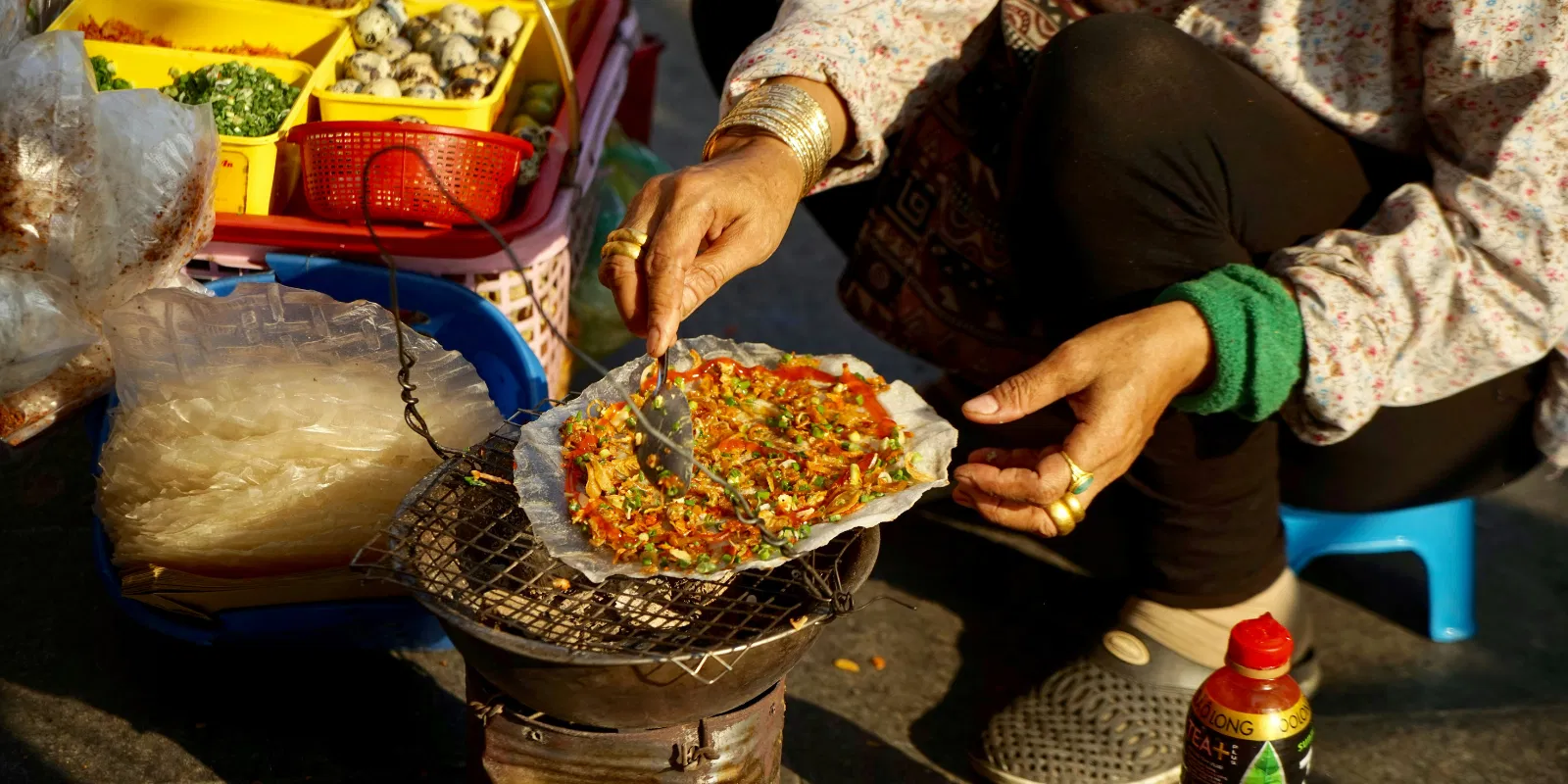
- The street food dilemma: Bali’s street food is delicious, but be selective. Eat from vendors who cook the food fresh to order in front of you. Avoid stalls that look unclean or where food is pre-cooked and left uncovered.
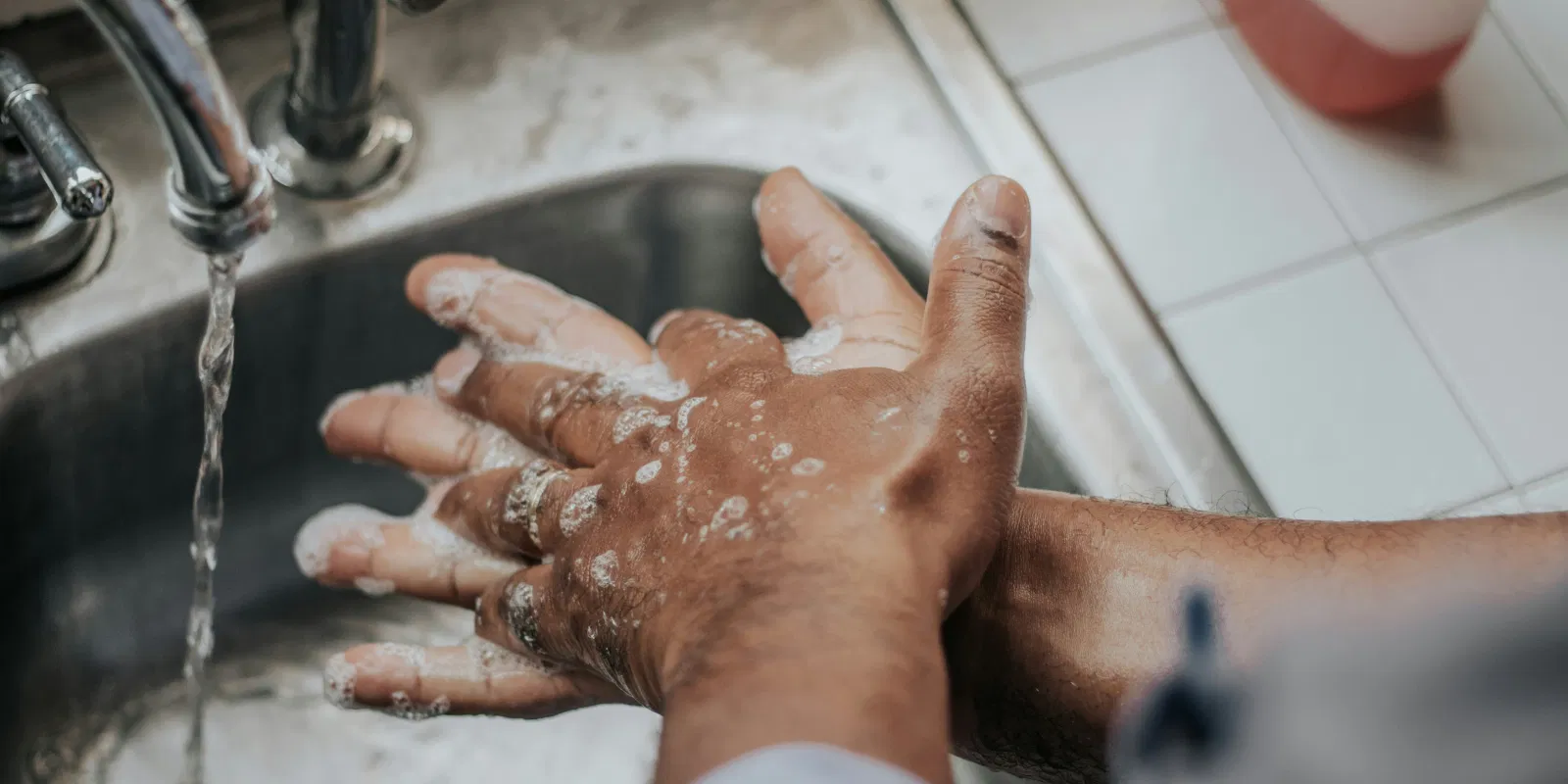
Wash your hands: It sounds basic, but it’s crucial. Wash your hands with soap and water before every meal, or use an alcohol-based hand sanitiser.

How to treat Bali belly?
Even with the best precautions, sometimes you might still feel a bit off. Don't panic. Here’s how to handle it.
- Hydration is everything: The biggest risk with diarrhoea is dehydration. Sip constantly on bottled water. Oral rehydration solutions (like Hydralyte, available in local pharmacies or apotek) are fantastic for replacing lost salts and minerals. Coconut water is also a great natural alternative.
- Over-the-counter help: The most effective medicine for Bali Belly is often rest and hydration. However, several over-the-counter options can help manage symptoms, like:
- Activated Charcoal (Norit): This is a traveller’s best friend. It helps absorb toxins in your gut and can relieve bloating and gas. It’s widely available in Bali.
- Anti-diarrhoeals (Loperamide/Imodium): These can be useful if you have a travel day and need to stop the symptoms. However, if you can, it’s often better to let your body flush the bug out naturally. Avoid these if you have a fever or see blood in your stool.
- Antacids (Mylanta): Can help soothe an upset stomach and indigestion.
- The bland food diet: When you feel up to eating, be gentle on your stomach. Stick to the BRAT diet: Bananas, Rice, Applesauce, and Toast. Plain crackers and clear soups are also good. Avoid spicy food, dairy, and alcohol until you feel 100% better.
Are there any specific places to avoid?
It’s not about avoiding specific towns or areas, but rather specific situations. Be cautious of any food vendor that doesn’t have access to running water for handwashing or cleaning. Avoid eating raw salads or pre-cut fruit from street carts, as you don’t know if they were washed in tap water. Stick to fruits you can peel yourself, like bananas, mangosteens, and snake fruit.
Most cases of Bali Belly will clear up within 2-3 days. However, you should seek medical advice if:
- Your symptoms are severe or not improving after 48 hours.
- You have a high fever.
- You see blood in your stool.
- You are showing signs of severe dehydration (like dizziness or confusion).
Bali has excellent medical clinics catering to tourists, so help is always readily available.
Don't let the fear of a temporary tummy bug overshadow the incredible adventure that awaits. By being a mindful and prepared traveller, you can enjoy all the culinary delights the island has to offer. So go ahead and start planning the final details of your Bali holiday package.
And if you're from India, here’s a little bonus: Alike’s Free Visa offer means one less thing to worry about. Just book your Bali holiday, pack light, and show up curious.The money you save on a visa? Put it towards something real, like exploring waterfalls, snorkelling, scuba diving, etc., that stays with you long after you leave.
Read: Book your holiday with Alike and get your Free Tourist Visa. Instead, you can swap the visa cost for these experiences in Bali.
Frequently Asked Questions on Bali Belly
1. Is Bali Belly contagious?
Yes, Bali Belly can be contagious, especially if caused by bacteria or viruses. It spreads through the faecal-oral route, meaning contact with contaminated surfaces, objects, or food/water. Practising good hand hygiene (washing with soap or using hand sanitiser) is crucial to how to spread of Bali Belly.
2. How long does Bali Belly usually last?
Most cases of Bali Belly resolve within 1 to 3 days with proper hydration and rest. However, if caused by a more aggressive bacteria or parasite, Bali belly symptoms might persist for up to a week, potentially requiring stronger medicine.
3. Can children easily get Bali Belly?
Yes, children are generally more susceptible to Bali Belly due to developing immune systems and potentially less stringent hygiene habits. Parents should be extra vigilant about food and water safety and seek medical attention if a child's symptoms are severe or persistent.
4. What is the incubation period for Bali Belly?
The incubation period for Bali Belly can vary depending on the specific pathogen. Symptoms can appear almost immediately, within 6-48 hours, or sometimes a few days after exposure to contaminated food or water.
5. Does activated charcoal prevent Bali Belly?
Activated charcoal is not a preventative measure for Bali Belly. While it can help absorb toxins and alleviate some Bali belly symptoms like gas and bloating during a Bali belly treatment, it doesn't kill bacteria or viruses. Prevention relies on avoiding contaminated food and water.
6. Are there any long-term effects of Bali Belly?
Most cases of Bali Belly resolve completely without long-term effects. However, in some individuals, particularly if their gut health was compromised beforehand or if the infection was severe, it can sometimes lead to ongoing digestive issues.