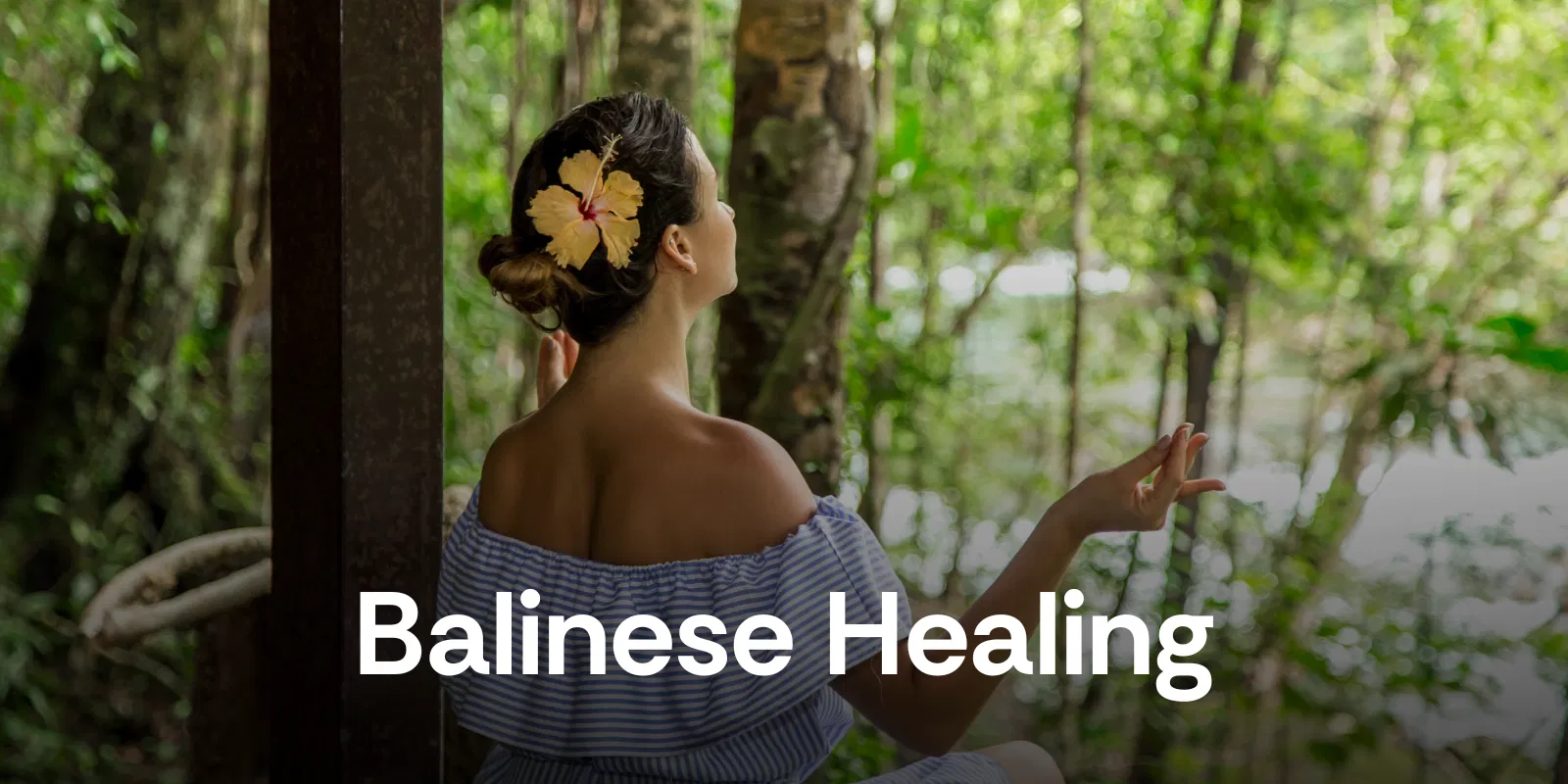
Balinese Healing: How Does It Work?
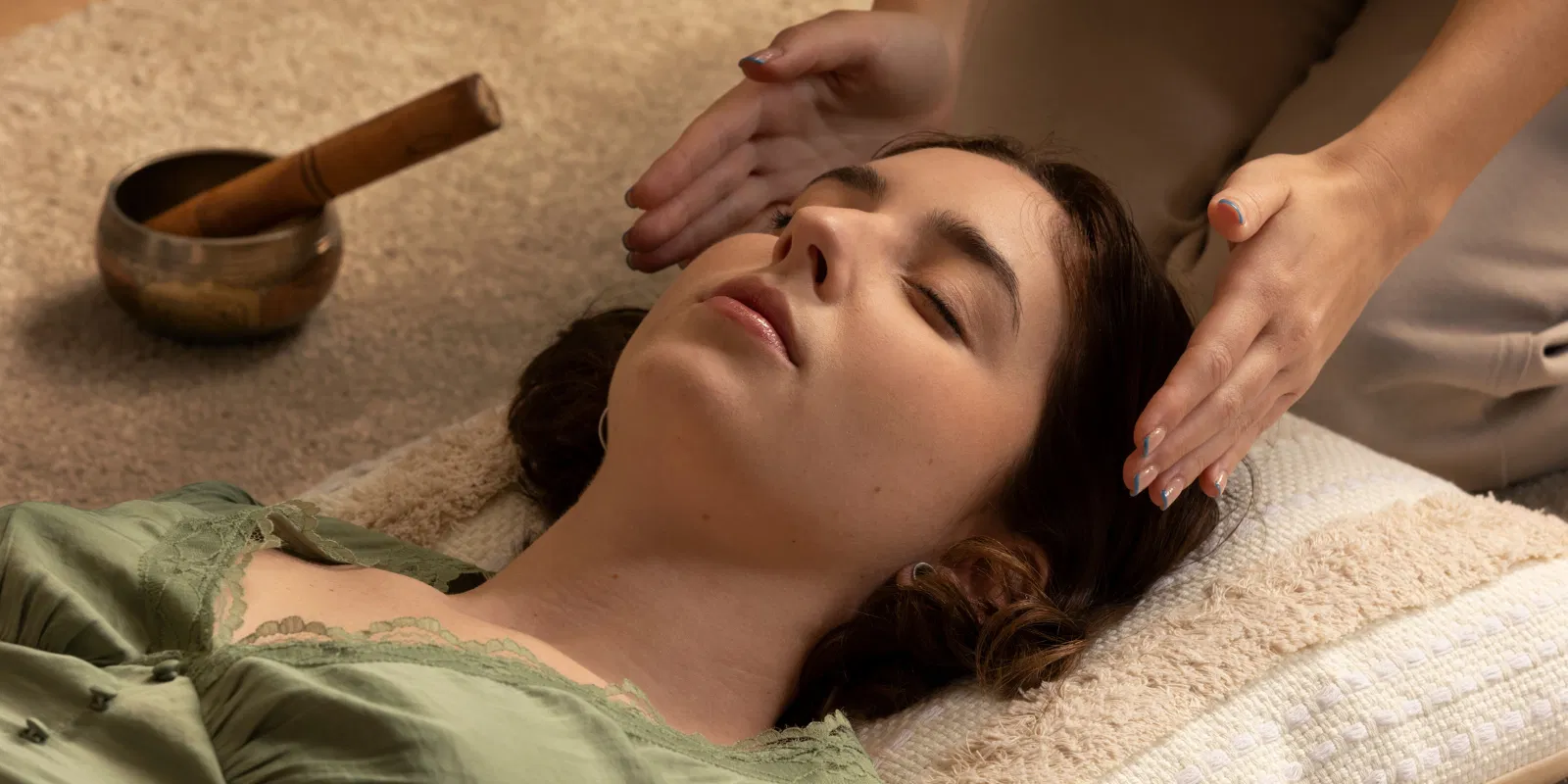
Let’s clear one thing up straight away – Balinese healing is not your average wellness pitstop. This isn't a spa menu option tucked between a hot stone massage and a sea salt scrub. It’s something deeper, more intimate, often unexplainable. You don’t simply book a Balinese healing session. You feel drawn to it. You’ll sit on the floor, probably barefoot, probably confused. They’ll observe your energy. They may touch your head, press their fingers on your temples, tap your back lightly – or not at all. Some sessions feel like a meditation. Others feel like a storm. You might cry without knowing why. Or laugh, wildly, and then sleep for hours after. This is healing in Bali. It doesn’t always explain itself.
Why go for Balinese healing?
People don’t come to Bali just for the beaches or Instagram reels. They come when something inside needs rearranging. Sometimes you know what that is – a breakup, a burnout, a vague sense of ‘what am I doing with my life?’ But often, you don’t.
If you’ve been feeling like your head and heart are arguing on loop, or you’re oddly emotional even in paradise, or if nothing's exactly wrong but everything feels slightly off – that’s the moment. That’s when Bali works her magic and gently nudges you towards a healer.
Balinese healing doesn’t treat symptoms; it seeks stories. It listens to the body like it’s reading poetry. It doesn't separate the spiritual from the physical – it knows they’ve been tangled for years.
Good reads
Hidden gems in Bali
Sure, Ubud is packed with healing spots. But if you want something quieter, more local, more “this is the real deal,” you’ll need to venture slightly off the brochure.
There’s a humble compound in Gianyar, tucked behind a few rice fields, where Pak Ketut Arsana works. He doesn’t advertise. He knows things. You may not fully understand what he says, but your body will. His sessions are intense, like emotional surgery – without scalpels.
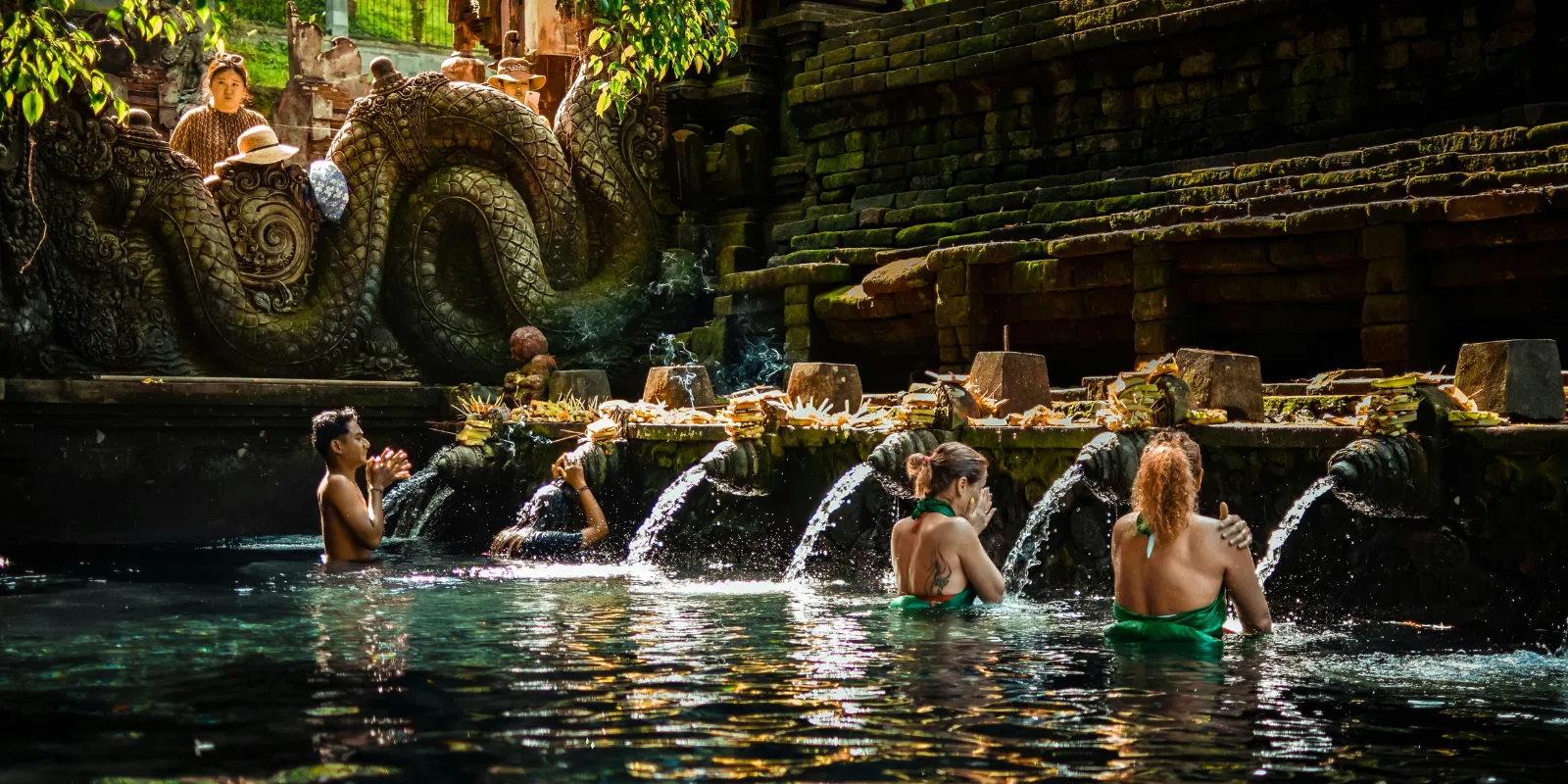
Further up in Tampaksiring, there’s Tirta Empul. Tourists go for the Instagrammable purification pools. But if you go early – before sunrise, before the busloads – you’ll experience something else. The water is icy. The prayers are quiet. The stones are slippery but grounding. It's not about how it looks. It's about how it feels.
Gunung Kawi Sebatu, nearby, is even less known. You’ll probably hear birds and temple bells more than people. And in a little village called Nyuh Kuning, on the edge of Ubud’s madness, some local families’ve been healing others for generations. They don’t have websites. But if you ask a kind host or a wise taxi driver, they might just lead you there.
Curious what else Bali is hiding? Discover seven secret spots that most travelers never see.
Is Balinese healing safe to do?
Yes, it is. But, like all things spiritual and sacred, it demands respect – and discernment.
The truth is, not every person claiming to be a healer has the gift. Some are just performing. So go slow. Don’t go just because a website has nice photos. Ask locals. Ask other travellers. Trust your gut. If something feels off, it probably is.
Genuine Balinese healing isn’t about drama or dependency. It doesn’t promise to “fix” you in one go. It opens you up gently, even when it’s intense. And sometimes, it brings up things you weren’t expecting – old memories, grief you thought you buried, emotions you didn’t even name. This is normal. Let it happen. Cry, rest, and drink lots of water. You're not going mad. You’re just letting go.
If you’re dealing with mental health concerns or are on medication, speak to a doctor before diving into more intense rituals or herbal treatments. Bali won’t judge, but you’ve got to take care of your own body’s pace.
Want to try some adventure activities in Bali? Here is your guide.
Cost of Balinese healing
Healing here doesn’t come with a printed invoice or laminated menu. You’ll often hear the phrase dana punia, which means a donation from the heart.
Most healers won’t tell you a price. You’re expected to give what feels fair, often between IDR 200,000 to 500,000 (₹1,000–₹2,500 INR). Some just ask for flowers and fruits. And temple rituals, such as the sacred melukat, usually only require a sarong, a small offering, and humility. That might cost you 50,000 rupiah.
If someone is charging you IDR 3 million for a single session with a glossy PDF brochure, be cautious. Authentic healing doesn’t usually come with branding.
That said, if you opt for a retreat experience or a multi-day wellness programme, prices can increase – from IDR 3 to 8 million or more (₹15,000–₹40,000). But you’re also paying for the setting, meals, accommodation, and curated guidance.
Luxury travel guide to Balinese healing
If you’re more of the "kombucha after karma cleanse" kind of traveller, Bali doesn’t disappoint.
Places like Como Shambhala near Ubud offer tailored healing journeys. Here, you can enjoy Ayurvedic meals, private river meditations, and consultations with seasoned therapists who blend traditional wisdom with modern science. It’s spiritual wellness with five-star pillows.
Fivelements Retreat is another sanctuary for the soul. Their sacred arts sessions and traditional rituals are designed not just to soothe, but to stir. And the surroundings – think bamboo pavilions, candle-lit riversides – only deepen the experience.
For something a little more hidden, Svarga Loka offers jungle serenity just minutes from Campuhan Ridge. It feels like you’ve stepped into a healing village from another world. The air smells like lemongrass and old stories.
If you're staying in a luxury resort, ask your wellness concierge for help. Often, they know healers you wouldn’t find online. Share your intention – whether it’s clarity, grief, forgiveness, or simply a sense of peace – and they’ll match you with the right person.
Explore Bali packages and book your dream vacation now.

What to pack for Balinese healing?
No, you don’t need a yoga mat or healing crystals (unless that’s your vibe). But come prepared, inwardly and outwardly.
Wear something white if you can. It’s respectful and energetically clean. Carry a sarong – it’s required at most temples and often offered at healing centres. A small notebook comes in handy because revelations come fast and quietly, and you’ll want to remember them later. Water is essential. You’ll need to rehydrate, especially after emotional releases.
And bring tissues. Healing isn’t always elegant. Sometimes it’s sobbing into your elbow while a stranger chants softly over your head. That’s part of the charm.
Oh, and leave the strong perfumes behind. The spirits – and the healers – prefer your natural energy.
Balinese healing isn’t something you can simply tick off on your travel checklist. It’s not always beautiful. It’s not always clear. But it is always real.
You might not come back with answers. But you’ll come back with space – space inside you that wasn’t there before. And sometimes, that’s all healing really is. A little less noise. A little more breath.
So, if Bali whispers your name differently one morning, or if your chest feels tight even as your view is full of palm trees, listen. The island has ways of reaching in and rearranging the things you didn’t know were crooked.
And who knows? Maybe you’ll go home lighter – not because you’ve left anything behind, but because you’ve finally stopped carrying what was never yours.
Know about these Bali’s best waterfalls for natural healing.
So, should you try it?
Book your holiday and get your Free Tourist Visa. This isn’t just wellness. It’s cultural insight, spiritual release, and yes, a touch of magic.
So, book your Bali holiday with Alike, and you can explore curated experiences and unique
stays, as well as enjoy visa-free holiday packages that make your Bali adventure frictionless.
And with all the money you save on that visa cost, swap the visa cost for these experiences in Bali.
Go in with curiosity. Come out... lighter. Healed? Maybe. But at the very least, you'll have a story that sounds too weird and wonderful to be made up.