What Happens on a Dubai Desert Safari?
You don’t just go on a desert safari in Dubai. You sort of surrender to it.
If you’ve ever romanticised the idea of rolling dunes, amber sunsets and falcons cutting the sky in slow arcs—you’re already halfway there. But let’s pull the curtain back. A desert safari isn’t just camels and kohl-eyed dancers; it’s a whole performance that unfolds with surprising warmth, a few bumps (literally), and a fair bit of smoky meat.
How does the desert safari unfold?
Right, let’s go behind the scenes.
Your pickup usually begins in the late afternoon, anytime between 2:00 and 3:30 PM. Most providers send a shared 4x4 (Land Cruisers being the ride of choice), and off you go from your hotel, city heat fading behind glass. If you're staying in places like Deira or Bur Dubai, it'll take around 45 minutes to get to the Lahbab Desert, the popular dune patch near the Dubai–Sharjah border.
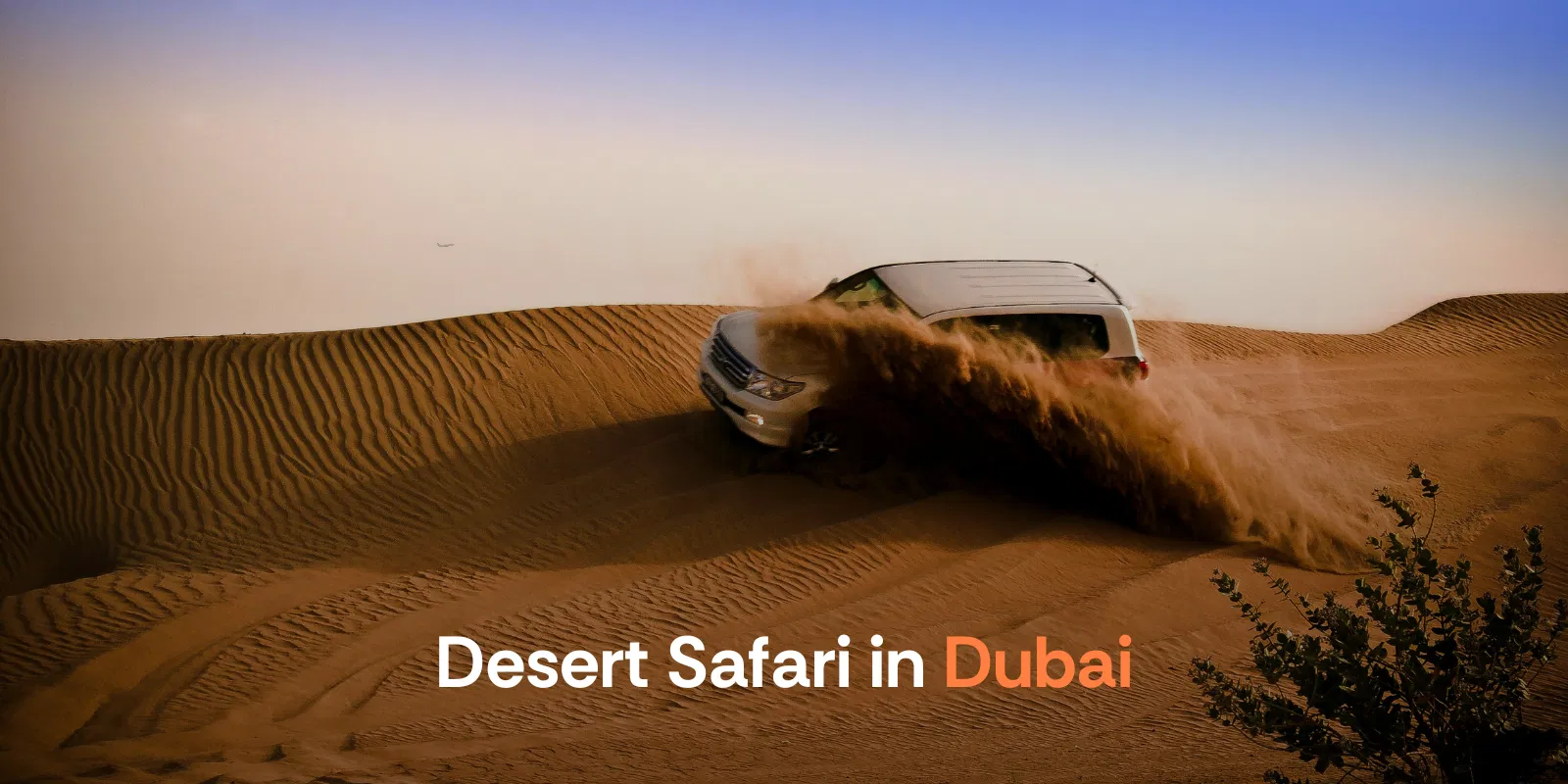
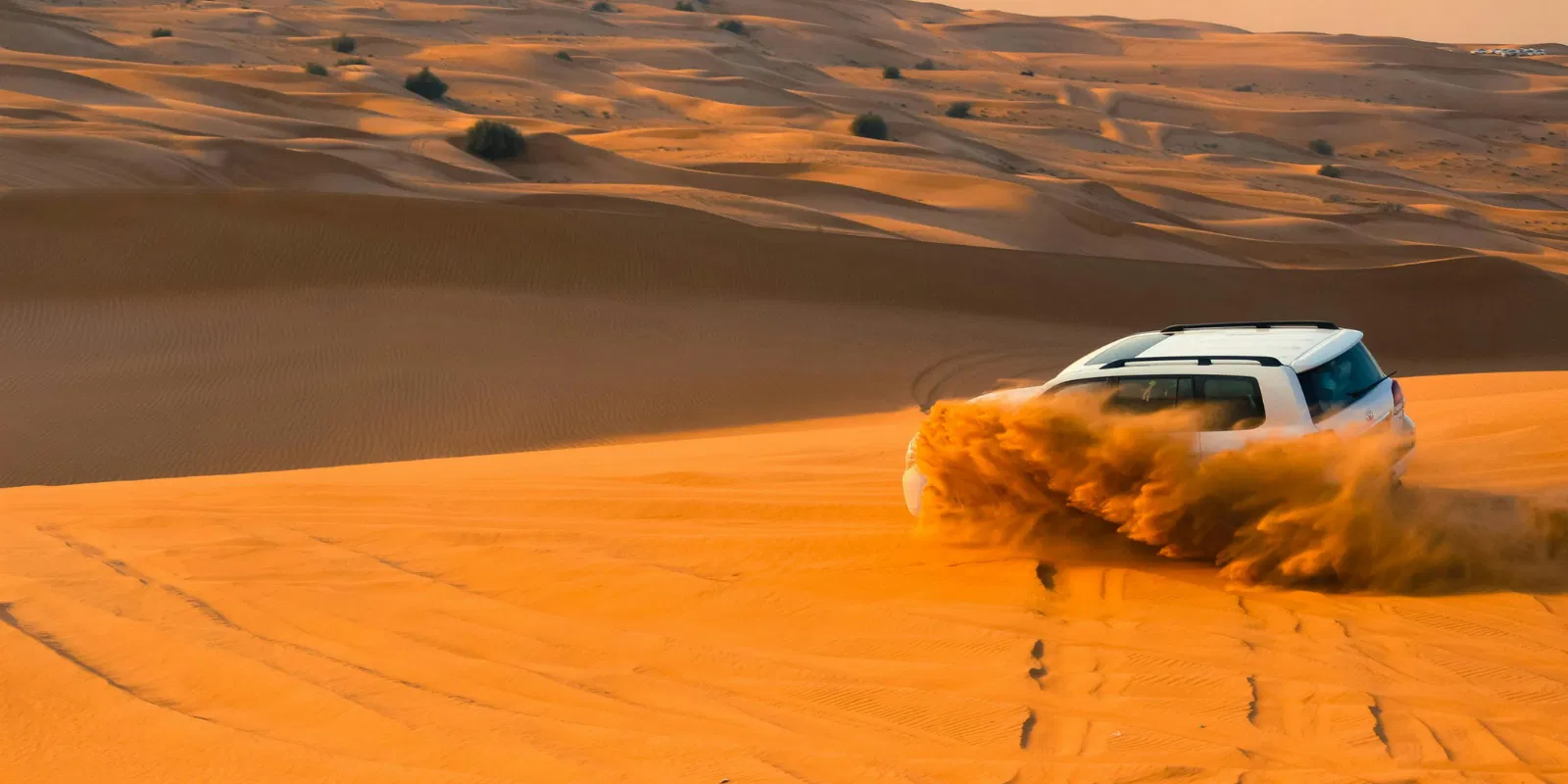
Now comes the thrilling bit. Dune bashing. Strap in. It’s 25-30 minutes of a licensed Emirati driver revving, sliding and climbing sand hills with more swagger than a F1 champ on Red Bull. You’ll scream, laugh, maybe clutch the seatbelt a little tighter—but it’s all in good fun. Pro tip? Have a light lunch. Seriously. Biryani before dune bashing? You’ll regret it by the third bump.
How to plan your desert adventure?
Getting to the desert is surprisingly simple and wonderfully flexible. Most safaris commence with a pickup from the doorstep of your Dubai stay, whisking you to the outskirts within an hour. You’ll often find the Lahbab Desert and Dubai Conservation Reserve as top picks.
The best time for this spellbinding journey? Between November and March, when the desert breeze cools the otherwise unrelenting warmth. Morning safaris promise peace, but oh, the magic of evenings—when the sun paints the sand in hues of marmalade and the night sky lights up like a kaleidoscope. Timing, dear traveller, is everything.Have a knack for adventure? Read more about Skydiving in Dubai.
The desert camp: what it really feels like?
Post-dune madness, you’re dropped into a desert camp. Not tents with cots, no. Think Bedouin-style enclosures—low seating, red carpets, hookah corners, Arabic lamps. It’s made for Instagram but doesn’t feel gimmicky.
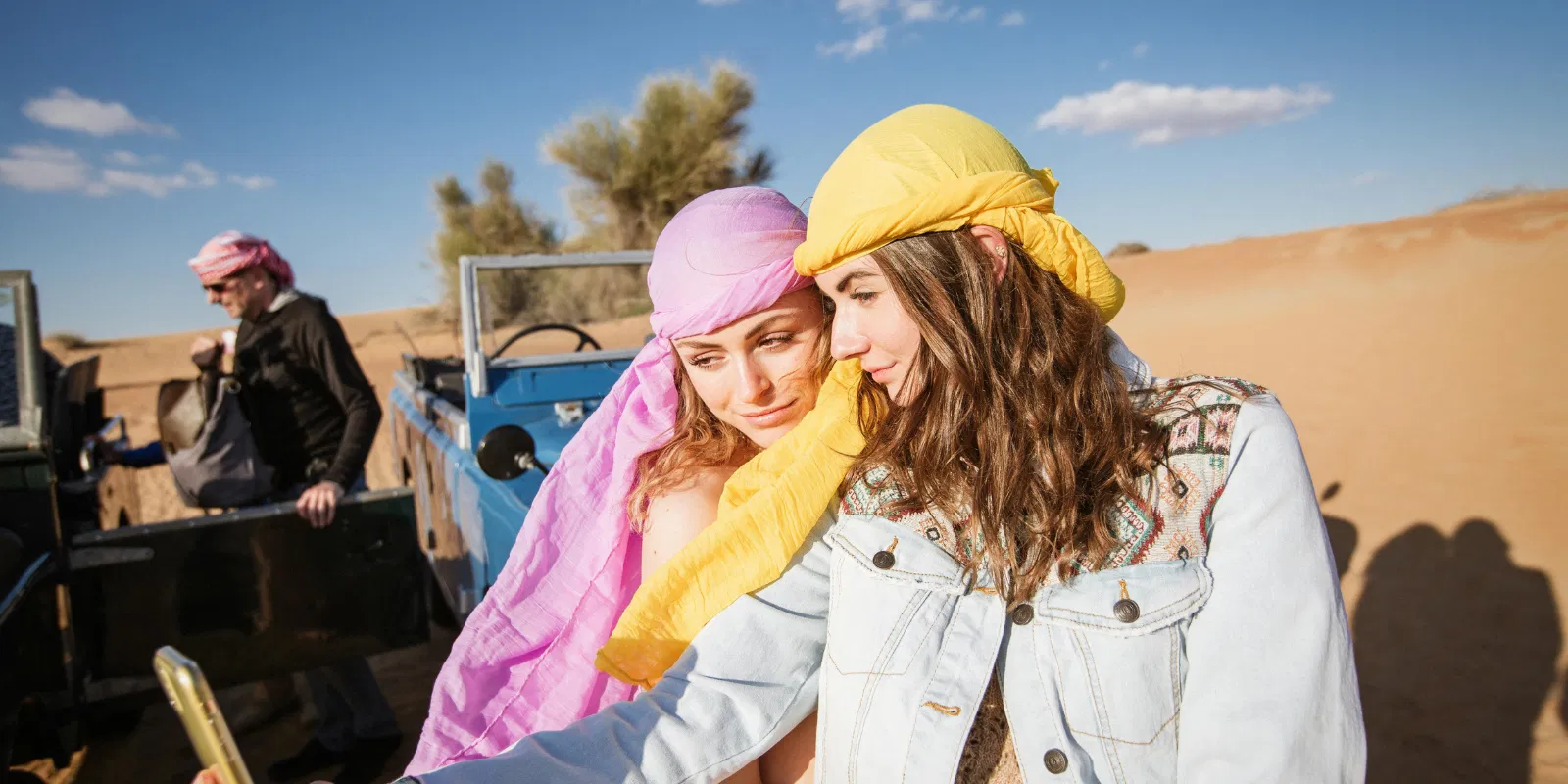
You’ll be welcomed with gahwa (traditional Arabic coffee) and dates—sticky, sweet, the proper kind. Henna artists will call you over. Falcons rest on their arms waiting for photos. There’s a small corner with sand art bottles. Evenings roll in gently, like the desert wants you to slow down.
The food: smoky, spicy and surprisingly varied
Dinner is served buffet-style. There’s grilled chicken, kofta, biryani, hummus, pasta, salads, fresh fruits, and sometimes even gulab jamun. Yes, in the middle of the desert. Most tour operators understand Indian palates and keep the spice levels just right. Veggies are sorted—paneer tikka shows up more often than you'd expect.
Some camps now even offer live BBQ counters, where the meat sizzles right in front of you. The aroma of charred spices on meat wafting through desert air—it’s the kind of smell that lingers in your memory long after you’re back in your hotel bathrobe.
Read more on Shopping Markets in Dubai
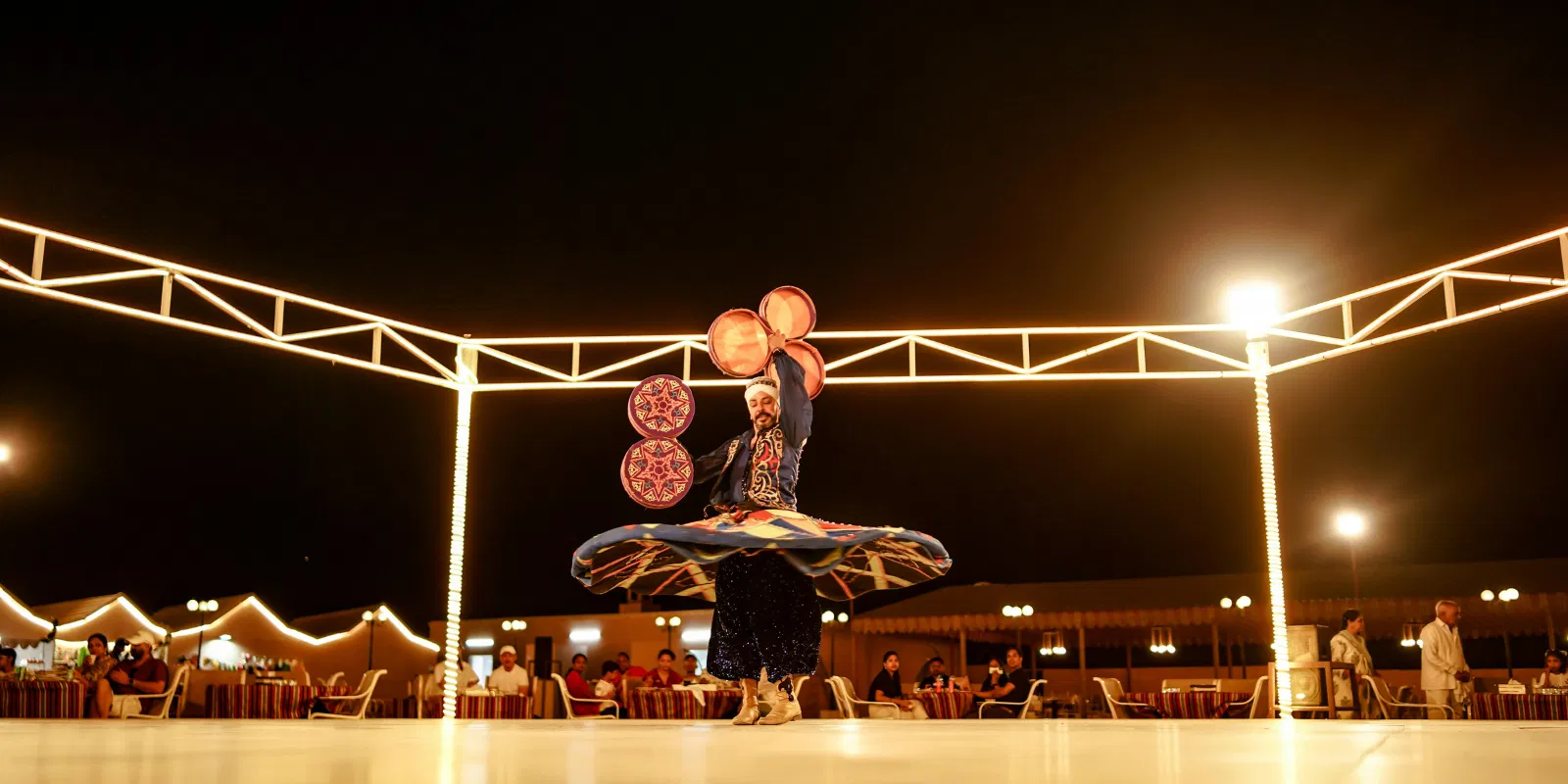
The shows: not just belly dance
Here's where things get lively. Performances are staggered. You’ll get:
- A belly dance show (it’s almost mandatory at this point).
- A Tanoura performance—a mesmerising Sufi-style spinning dance with LED-lit skirts.
- A fire show, complete with spitting flames and risky twirls.
Some premium camps now include Khaleeji music sessions, where local percussion takes centre stage, and occasionally, there's an oud player plucking Arabic tunes. It’s worth upgrading your package if live music matters to you.
What most people won’t tell you
- Private safaris exist – Great for couples. You get your own car, can skip the crowds, and even request a more secluded dinner set-up.
- The sand gets cold after sundown – Carry a light jacket. You’ll thank yourself at 8 PM.
- Cheapest isn’t always best – Some budget tours overfill vehicles, skimp on food, or have lacklustre shows. Mid-tier or premium is where the magic happens.
- Morning safaris are an option – For those short on time or wanting to avoid crowds. They include camel rides, sandboarding, and quad biking with a gorgeous sunrise thrown in.
Know more about eSIMs in Dubai to make your holiday frictionless.
Best time to go on a desert safari
October to March is the sweet spot. The weather’s pleasant, evenings are breezy, and you can linger around the fire pit without melting. Avoid the peak summer months unless you’re partial to saunas or happen to be a camel.
Travel tips for desert safaris
- Don’t wear white – Sand will find its way into everything.
- Closed shoes are better – Sandboarding and dunes don’t mix well with sandals.
- Carry a power bank – Between clicking sunsets and videos of the fire show, you’ll drain your battery fast.
- Tip the staff – It’s not mandatory, but appreciated. Many dancers and servers rely on tips for income.
Desert safari + Alike = effortless
And if you’re shortlisting Dubai holiday packages from India, we even bundle desert safaris into your plan, blending thrill with comfort, and giving your Gulf holiday that authentic desert soul.
A Dubai desert safari isn’t just a tourist tick-box. It’s a bit mad, a bit magical—and somehow, deeply moving. You’ll leave with sand in your shoes, spice on your breath, and a sunset in your heart.
Frequently Asked Questions: Dubai Desert Safari
Is dune bashing safe?
Dune bashing is generally considered safe when conducted by experienced, licensed drivers using well-maintained 4x4 vehicles. All reputable tour operators prioritise safety, and vehicles are equipped with safety features. However, due to the bumpy and intense nature of the ride, it is not recommended for children under 3, pregnant women, or individuals with back, neck, or serious health issues.
What should I wear on a desert safari?
Wear lightweight, breathable clothing such as cotton or linen to stay comfortable in the heat. Long sleeves and pants are recommended for sun protection. Closed shoes or sturdy sandals are best, as sand can get into footwear easily. Don’t forget sunglasses, a hat or scarf to protect against the sun and sand, and consider bringing a light jacket for cooler evenings.
Are there age or health restrictions?
Yes. Children under 3 years old and elderly individuals, especially those with significant health concerns, are usually advised to avoid dune bashing. People with back, neck, or spinal problems should also skip the bumpy ride or request a softer, culturally-focused safari experience.
Are vegetarian or special dietary options available?
Most desert safari camps offer vegetarian options, including salads, rice dishes, and grilled vegetables. It’s best to inform your tour operator in advance about any dietary preferences or restrictions.
Are restrooms available during the safari?
Most safari camps provide restroom facilities, though they may be more basic than those in hotels. It’s advisable to use them responsibly to maintain cleanliness and comfort for all guests.
Is alcohol served at the desert safari?
Some camps serve alcohol for an additional charge, but availability depends on the tour provider and local regulations.
What else should I bring?
Bring a camera (with extra batteries), sunscreen, and a bottle of water. Sunglasses and a scarf or shemagh are helpful for keeping sand out of your eyes and face during outdoor activities.
What are the main activities included?
Typical activities include dune bashing, camel rides, sandboarding, quad biking, henna painting, shisha smoking, and enjoying a Bedouin-style dinner with live entertainment such as belly dancing and Tanoura shows.