
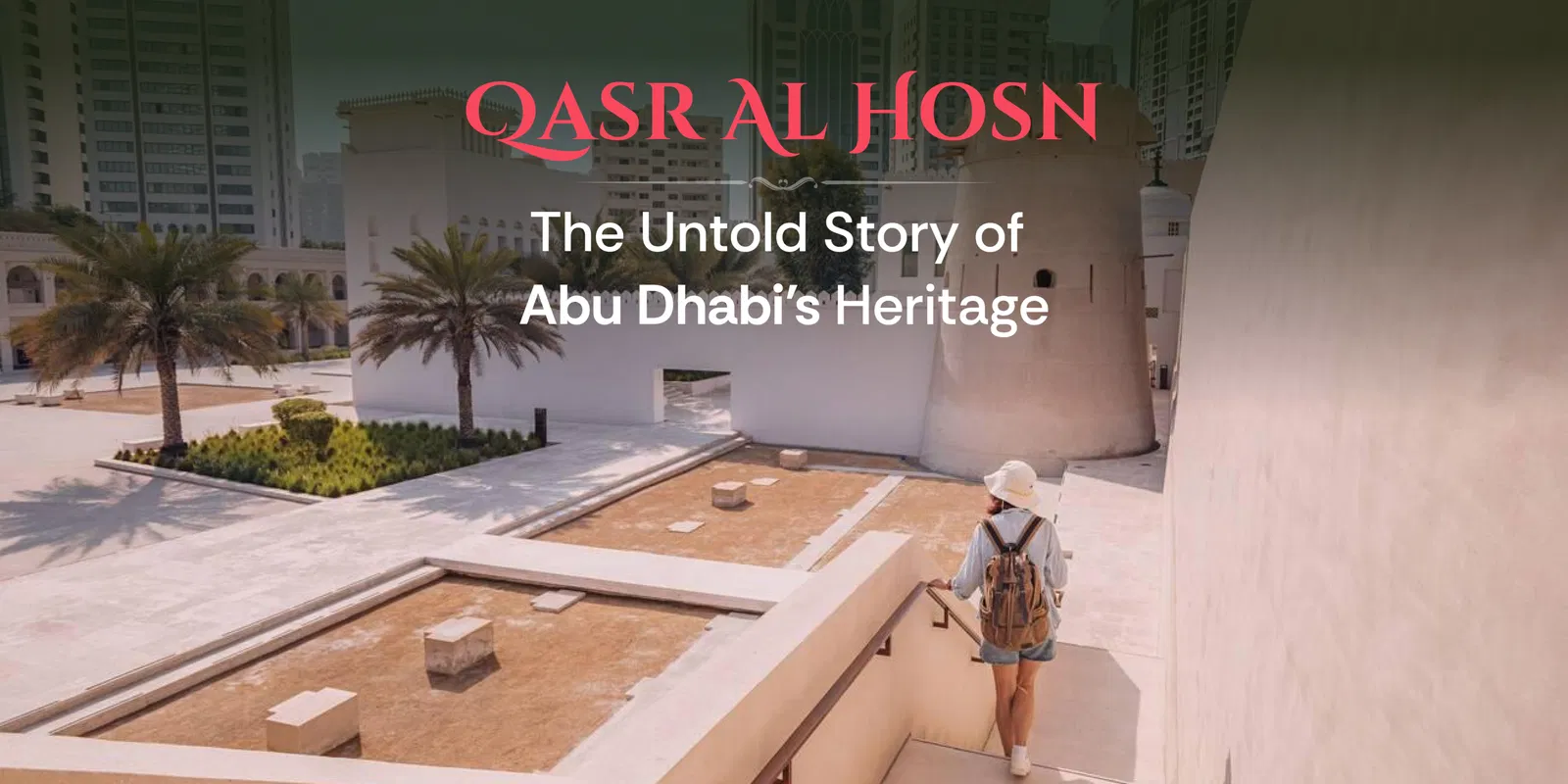
Journey of Qasr Al Hosn, Abu Dhabi: From A Humble Watchtower to The Iconic Monument
I've just returned from the 9th edition of the Al Hosn Festival in Abu Dhabi, and it feels wonderful to be writing this article. The Emirati capital balances its past and traditional way of life with its future development. Nestled within the harmonic juxtaposition of old and new is Qasr Al Hosn—one of Abu Dhabi’s oldest buildings—a stalwart guardian of Abu Dhabi’s rich history and an unmissable highlight for any traveller keen to delve into Emirati culture. Wandering around Qasr Al Hosn during the festival felt like stepping back in time. The museum within Qasr Al Hosn is a time capsule that charts Abu Dhabi's journey from a modest fishing and pearl-trading settlement in the 18th century to the bustling metropolis it is today.
In 2023, Abu Dhabi received over 24 million international visitors, with culture and heritage sites forming 35% of traveller itineraries—Qasr Al Hosn being the flagship destination. Let’s delve into the historical details of Qasr Al Hosn, explore the best way to visit, and learn about the ancient falaj (irrigation) system and traditional dance performances, such as Ayala. Dive right in!
From Entry to Inner-Dialogue: Unravel Architectural Artistry at every turn.
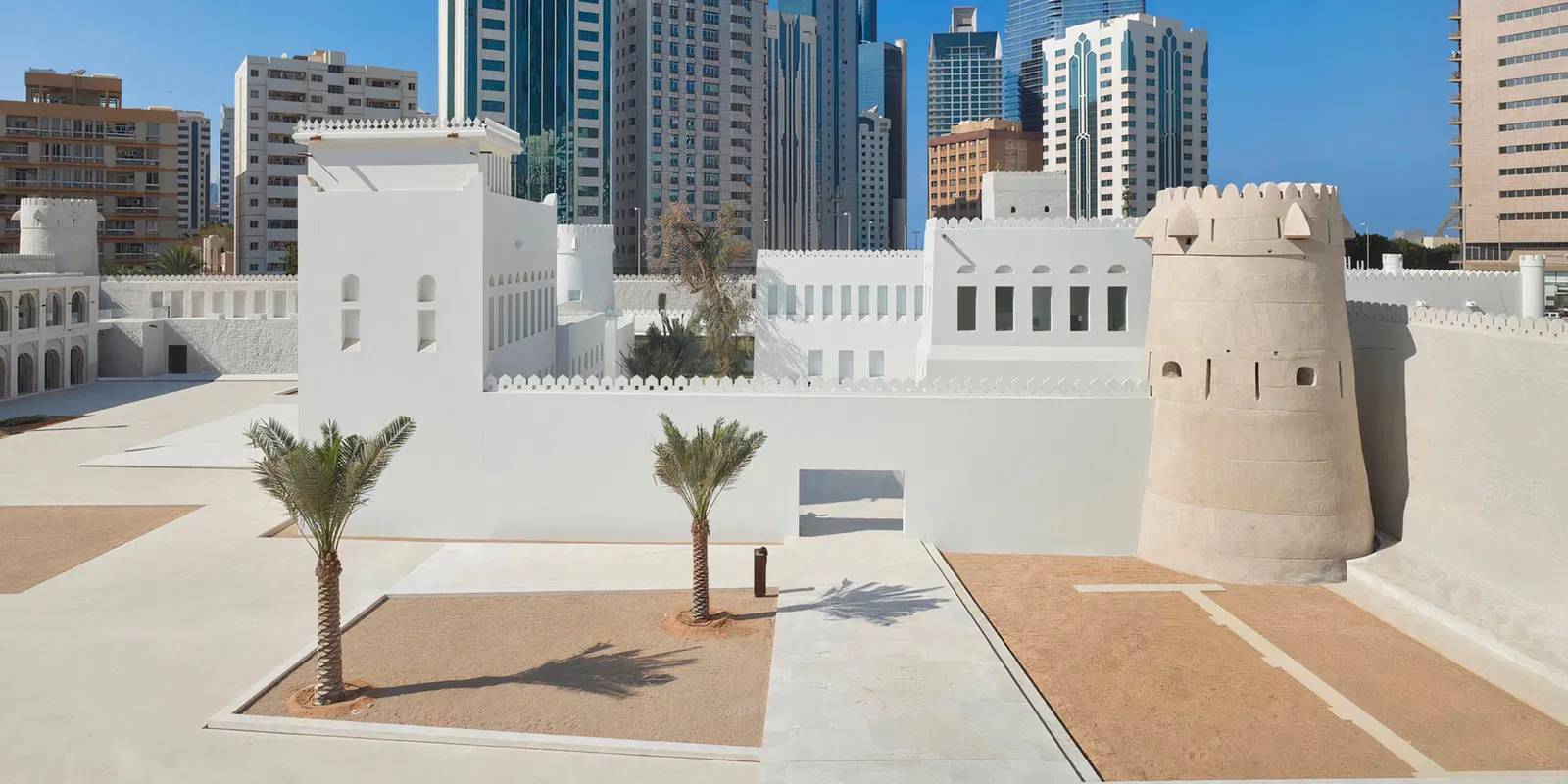
At the heart of Abu Dhabi's attractions lies Qasr Al Hosn, an enduring symbol of the UAE's heritage. Walking through its premises, one can trace the lineage of Emirates history back to its earliest fortifications. The fort’s walls whisper tales of transformation—from a humble coastal watchtower to the sprawling metropolis that Abu Dhabi is today. But beyond its historical significance, Qasr Al Hosn offers a serene escape from the urban rush, inviting visitors into an introspective dialogue with the past.
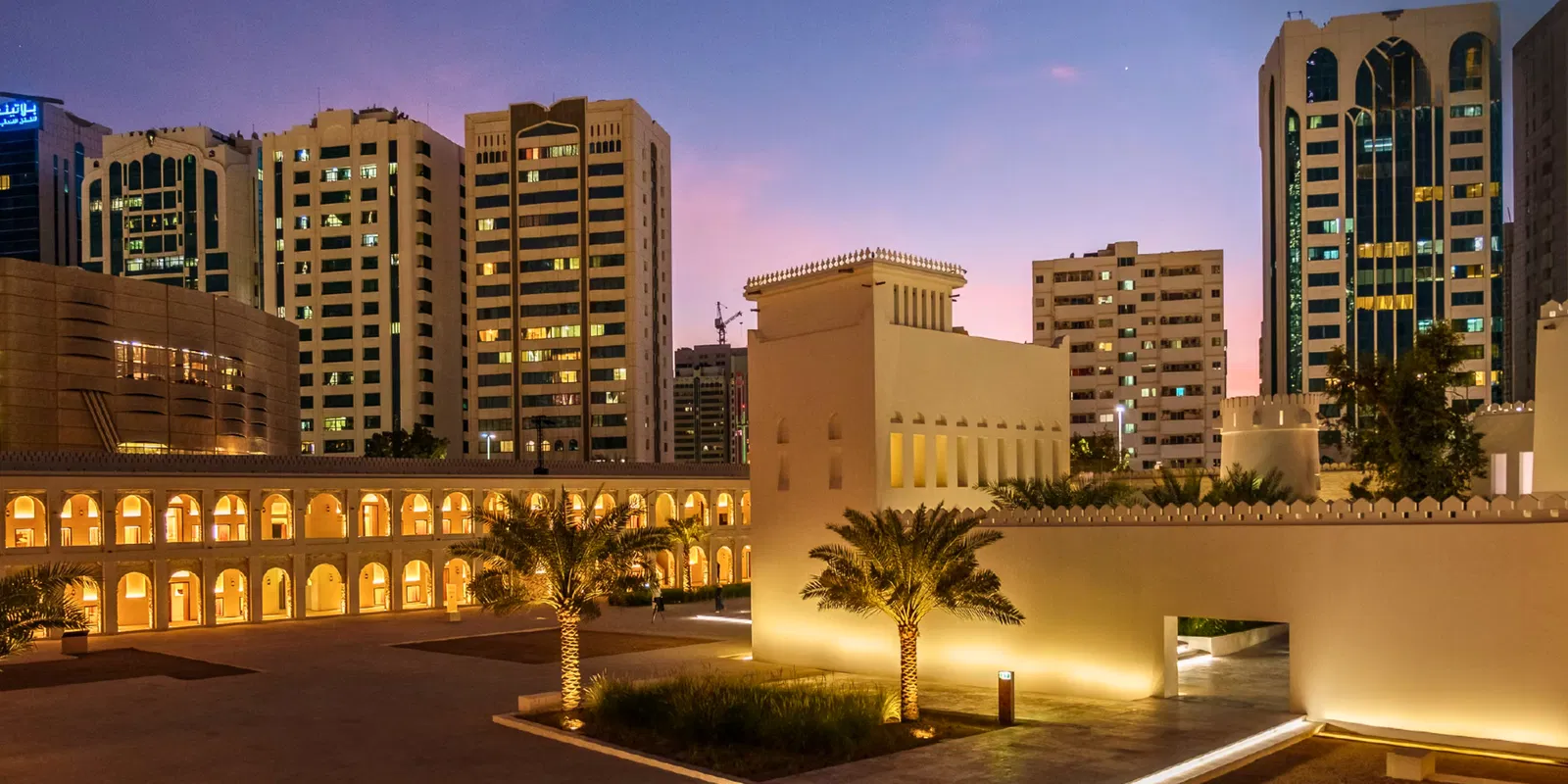
Step through the arched entrance, where the shadows paint intricate patterns on the ground. For the unhurried traveller, the secret lies in the details often overlooked. Explore the traditional Al Hosn Palace interiors, and don’t miss the subtle, intricate designs of the ceilings, which are a masterclass in indigenous architectural artistry.
Significantly, Sheikh Zayed bin Sultan Al Nahyan played a crucial role in preserving Qasr Al Hosn during the restoration in the 1970s, ensuring the fort remained a centrepiece of Emirati heritage and history.
From Need to Innovation: Read about the Falaj System.
The adjacent museum offers an archival journey through time, visualising the transition from a fishing and pearl-diving settlement in the 18th century to the oil-rich economy that revolutionised life here. If you get time, venture beyond and engage with the local curators, who often reside in the museum's quiet niches. They are the unsung storytellers of Abu Dhabi's history, eager to narrate lesser-known accounts, like how the fort’s restoration led to fascinating archaeological discoveries.
One surprising tale not widely told involves the ancient falaj (irrigation) system, remnants of which were uncovered near the fort, cementing its site as a historical agricultural hub. This is a nod to the Emiratis’ ingenious water conservation practices—an essential aspect of surviving the desert climes long before modern technology transformed the landscape.
Moreover, the Al Ain Oasis, a UNESCO World Heritage site, is a testament to the enduring significance of such traditional irrigation systems. The oasis, including its ancient falaj network, demonstrates the ingenuity of early Emirati water management, which is pivotal for sustaining agriculture in a harsh desert environment. Exploring Qasr Al Hosn provides a glimpse into Abu Dhabi's past and reverence for the techniques vital for its survival and growth.
From Weaving to Dancing: Partake in Emirati Culture Beyond the Usual
Qasr Al Hosn is more than a monument; it embodies an Emirati cultural epicenter. Engage deeply with workshops and exhibitions. As you partake in pottery or textile weaving, you slowly immerse yourself in the rhythms of Skheirat, the traditional weaving practiced by local artisans. Workshops are often free or included in the general entry ticket (AED 30 for adults), making it a cultural experience accessible to all travelers.
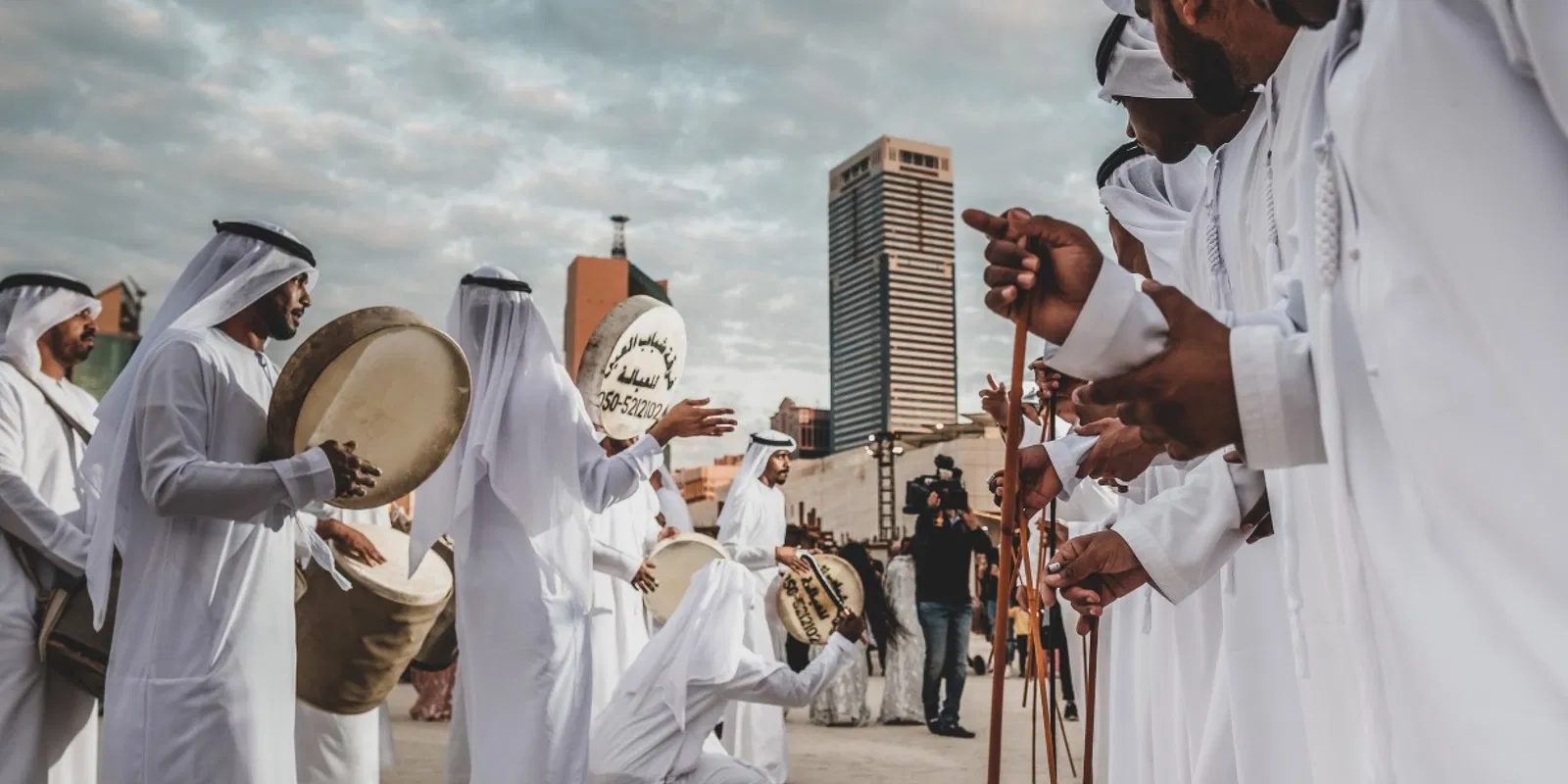
During festive periods, the fort grounds transform into an open-air theatre, hosting performances of Ayala—where men of all ages stand shoulder to shoulder, swaying rhythmically to the beat of drums and reciting poetic verses that echo across the courtyard.
Travel Alike
Alike Tips
While many visitors are naturally drawn to the fort, not everyone knows how to look at the quiet corners. Seek out the minimalist art installations dotted around the cultural foundation nearby. These pieces, created by emerging Emirati artists, juxtapose traditional motifs with futuristic interpretations, offering profound reflections on Abu Dhabi's ever-evolving identity. These pieces are the visionary work of emerging Emirati artists who skilfully dance between the lines of time—a philosophical musing on where the city has been and where it aspires to go. While specific artist names might sometimes change with exhibitions, in the past, creatives such as Mohamed Ahmed Ibrahim, Maitha Abdallah (a local artist known for mixed media), and Mohammed Kazem have been at the forefront, contributing their imaginative strokes to this tale. Please note that the exhibitions rotate with curatorial changes.
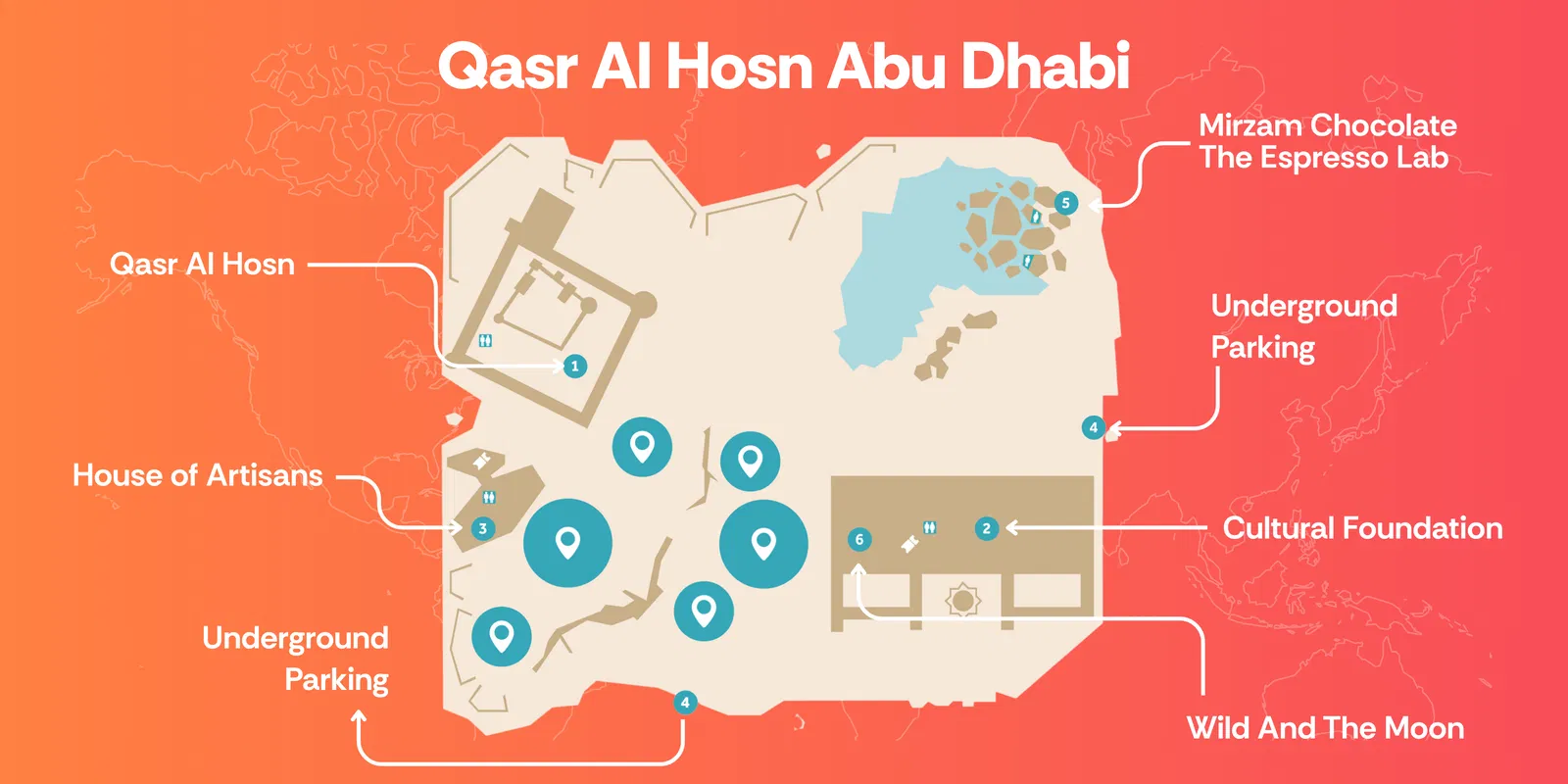
Take a detour to the neighbouring Cultural Foundation building, where a small photogenic library and a theatre often host under-the-radar local talent shows and film screenings. It’s an opportunity to mingle with the city’s creative minds away from the tourist throngs.
And finally, a tip that seasoned visitors swear by: visit early morning or late afternoon. The interplay of sunlight against the fort’s whitewashed walls creates a glow that offers a backdrop for contemplative solitude or capturing colourful photographs.
Best Time to Visit Qasr Al Hosn
As the warm embrace of December wraps around Abu Dhabi, the city is abuzz with anticipation for a season of cultural festivities. The cooler months usher in a perfect opportunity to explore the heart and soul of this dynamic city. If you’re planning a visit or are already wandering the enticing streets of the UAE's capital, prepare to embark on a journey beyond the shimmering skyscrapers. During Ramadan, the site remains open but is quieter than usual; it’s a reflective time to explore the site spiritually.
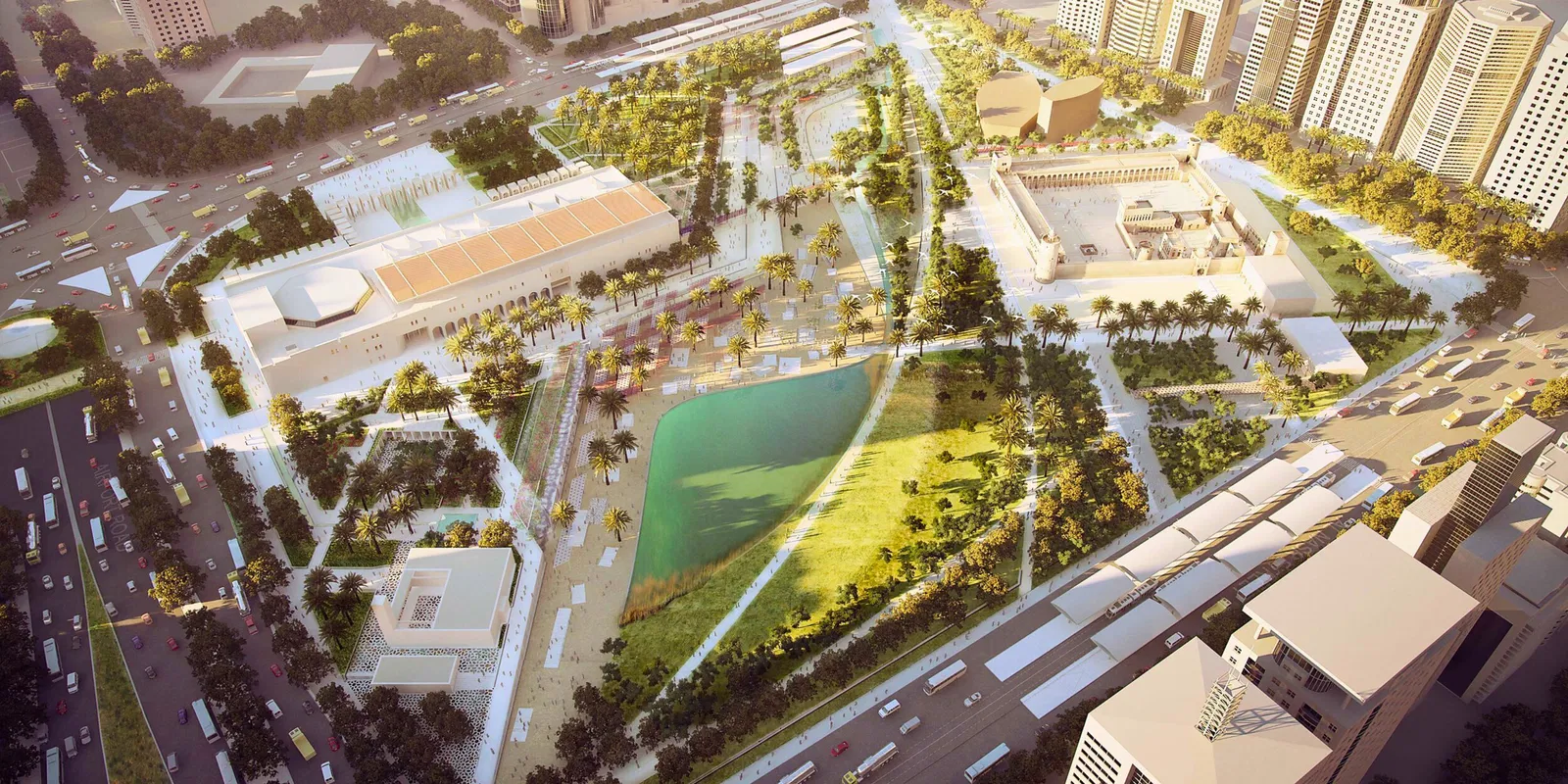
Abu Dhabi’s allure lies not in what’s overtly visible but in the undercurrents of stories waiting to be told, and Qasr Al Hosn is at the heart of this narrative. In this dynamic city, where the future is crafted with a deep respect for the past, the resonances of Abu Dhabi's history are not just preserved—they’re vibrantly alive. Whether you’re visiting for the first time or returning to uncover deeper layers, Qasr Al Hosn offers a unique invitation to engage authentically with Emirati culture. By embracing these hidden facets and connecting with the local culture, you'll discover that Abu Dhabi isn't merely a place to visit—it's a journey to be lived. Apart from Qasr Al Hosn, visit the Louvre Abu Dhabi, which looks like something out of a sci-fi movie. Al Ain, the garden city of the Gulf, was prominently featured, bringing its rich historical heritage to the fore.