
Trekking in Vietnam’s Mountain Regions: Top Trails, Tips, and Side Excursions
Vietnam isn’t just about rice paddies, street food, or buzzing cities. Its mountains, valleys, and highlands offer some of the most dramatic and beautiful trekking experiences in Southeast Asia. From terraced rice fields to remote villages, these trails mix nature, culture, and adventure in a way that’s impossible to forget. Here’s your ultimate guide to trekking Vietnam’s mountains, whether you’re planning from afar or already soaking up Southeast Asia’s vibes.
Why Vietnam’s mountains are special
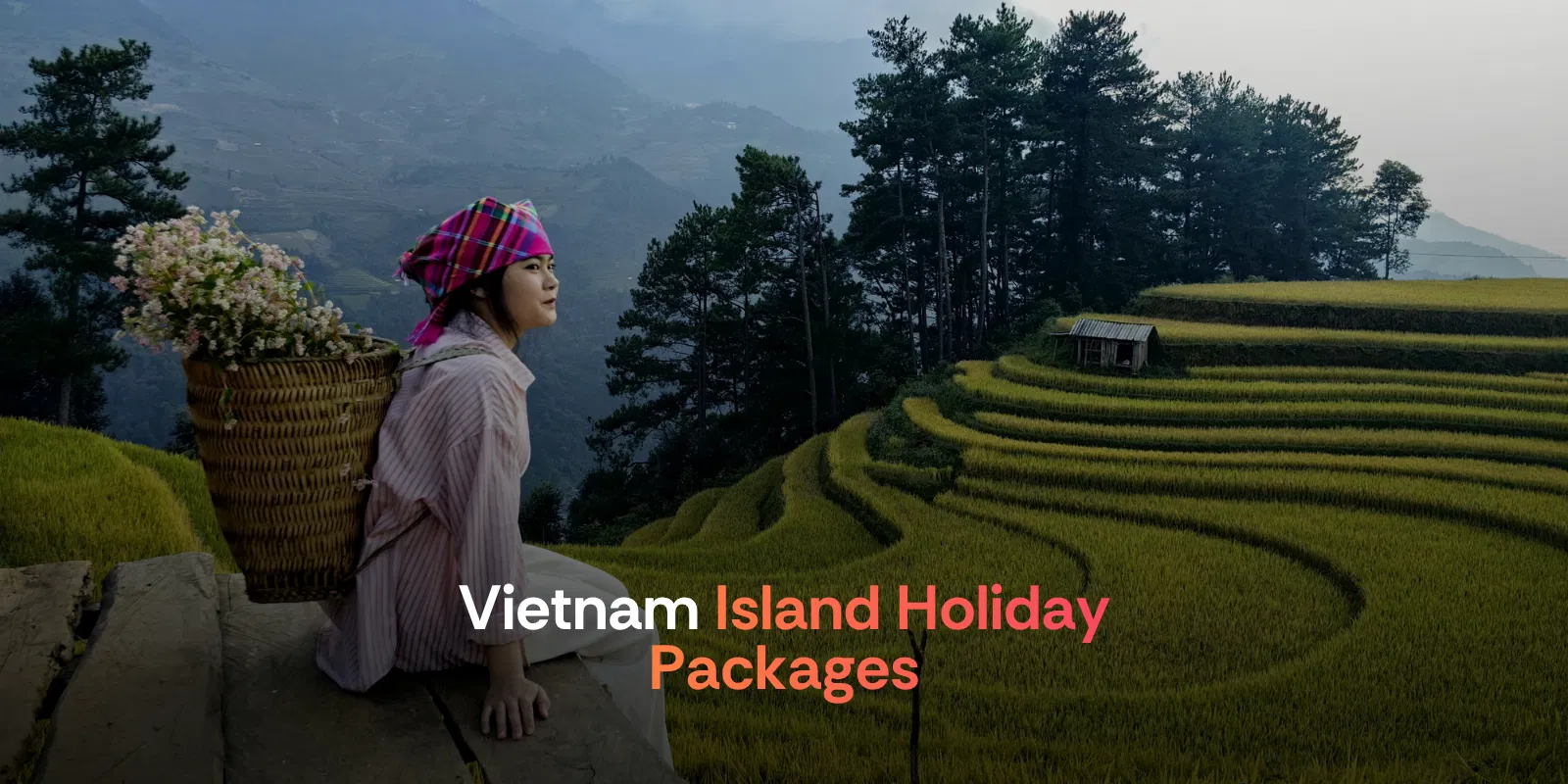
The mountain regions of Vietnam—spanning the northwest, northeast, and central highlands—are full of towering peaks, cascading rice terraces, and rivers that carve deep valleys. Trekking here is a perfect combination of nature and culture. You’ll meet ethnic minority communities, stay in homestays, and explore landscapes that change almost hourly. Every corner feels like a photograph waiting to happen.
When to go: the best months for trekking
Timing can make or break a trek in Vietnam:
- Dry season: October to May is ideal. Trails are stable, views are clear, and rivers aren’t flooded.
- Harvest season: September–October brings golden rice terraces—amazing for photography.
- Avoid: Monsoon months, when rain can turn paths into mudslides.
Weather changes quickly in the mountains, so check local forecasts before you head out.
Top 7 trekking routes you should check out
Sapa (Lao Chai)
Nestled in northern Vietnam, Sapa is famous for its rolling rice terraces and vibrant ethnic minority villages. It’s a great introduction to trekking in Vietnam’s mountains, offering scenic routes without extreme difficulty.
- Route: Lao Chai – Ta Van – Cat Cat
- Difficulty: Easy to moderate
- Length: 6–18 km
- Region: Northern Vietnam, Lao Cai province
- Highlights: Rice terraces, H’mong and Dzay villages, valley views, cultural encounters
- Side excursion: Thác Bạc Waterfall (Silver Waterfall)
Fansipan (Lao Chai)
Known as the “Roof of Indochina,” Fansipan is Vietnam’s highest peak. Trekking here is a serious challenge, but the sweeping mountain vistas make it unforgettable.
- Route: Sapa base to summit via Tram Ton Pass or Sin Chai trail
- Difficulty: Moderate to hard
- Length: 12–20 km (round trip)
- Region: Northern Vietnam, Lao Cai province
- Highlights: Highest peak in Vietnam, cloud seas, bamboo forests, panoramic mountain views
- Side excursion: Cat Cat Village on approach
Ha Giang
Remote and rugged, Ha Giang is for trekkers who love dramatic karst landscapes and cultural immersion. Villages are sparse, and the scenery is untouched.
- Route: Dong Van plateau – Ma Pi Leng Pass – Lung Cu
- Difficulty: Moderate to hard
- Length: Multi-day trek; 15–30 km depending on route
- Region: Northeastern Vietnam
- Highlights: Limestone peaks, deep river valleys, minority village markets, quiet trails
- Side excursion: Ma Pi Leng Pass viewpoint
Pu Luong Nature Reserve (Thanh Hoa)
A quieter, less touristy option compared to Sapa, Pu Luong offers rice terraces, forests, and small village stays in a peaceful setting.
- Route: Pu Luong – Kho Muong – Hang villages
- Difficulty: Moderate
- Length: 10–20 km depending on chosen trails
- Region: Northern Vietnam, Thanh Hoa province
- Highlights: Remote rice terraces, jungle trails, traditional stilt houses, friendly locals
- Side excursion: Local waterfall stops along the trail
Cao Bang
Cao Bang blends limestone peaks with the majestic Ban Gioc Waterfall. This area is ideal for trekkers who love nature and want fewer crowds.
- Route: Cao Bang – Ban Gioc Waterfall – Nguom Ngao Cave
- Difficulty: Moderate
- Length: 12–25 km over multi-day trek
- Region: Northeastern Vietnam
- Highlights: Waterfalls, caves, remote villages, dramatic river valleys
- Side excursion: Ban Gioc Waterfall boat trip
Ba Be National Park (Bac Kan)
For a relaxed trek surrounded by lakes and forest, Ba Be is perfect. Trails pass through riverside paths, caves, and dense rainforest.
- Route: Ba Be Lake – Pac Ngoi village – Dau Dang waterfall
- Difficulty: Moderate
- Length: 8–15 km per day
- Region: Northeastern Vietnam, Bac Kan province
- Highlights: Ba Be Lake, forested mountains, caves, rivers
- Side excursion: Canoe ride on Ba Be Lake
Lang Biang Mountain (Dalat)
Located in the Central Highlands, Lang Biang is accessible for a day hike, offering cooler weather and sweeping highland views.
- Route: Lat trail or Jeep-assisted trail to summit
- Difficulty: Moderate
- Length: 6–10 km round trip
- Region: Central Highlands, Dalat
- Highlights: Pine forests, valley vistas, cooler climate, photogenic landscapes
- Side excursion: Village visit in Lat valley
What to expect on the trail
Vietnam’s mountain treks aren’t Everest‑level, but they do have surprises:
- Terrain: Mud, stones, steep steps, river crossings; sometimes unclear trails. Guides are useful.
- Weather swings: Layer your clothing; mornings can be chilly, afternoons humid.
- Wildlife: Birds, insects, small mammals, rivers, and caves. Bring insect repellent.
- Village stays: Rustic but rewarding. Simple beds, shared bathrooms, home-cooked meals.
Packing essentials
- Good trail shoes or boots (waterproof with grip)
- Rain jacket or poncho
- Layers: fleece/thermal for morning, breathable shirts for day
- Backpack with rain cover
- Water bottle and purification tablets or filter
- Snacks: nuts, dried fruit, energy bars
- First aid kit: blister care, painkillers, insect repellent, sun cream
- Torch/headlamp, maps, or GPS guide
- Small towel, sleeping bag liner for homestays
Safety, health, and respect
- Acclimatise to altitude in high regions.
- Bring enough water; purify from streams.
- Watch trail conditions, especially after rain.
- Respect local culture: ask before photographing, dress modestly in villages.
- Carry a basic first aid kit.
Budget overview
- Local transport to towns is affordable.
- Guides and homestays: reasonable for multi-day treks.
- Food: cheap and local; bring trail snacks.
- Extra: park fees, permits, gear rental, tips for guides.
Insider tips
- Start hikes early for sunrise views.
- Spend extra nights in villages to experience daily life.
- Small gifts for locals are appreciated.
- Backup phone battery; some homestays have limited electricity.
- Learn basic Vietnamese phrases: “hello” and “thank you” go a long way.
Final thoughts
If you love nature, culture, and a bit of adventure, trekking Vietnam’s mountain regions is a must. From easy valley strolls in Sapa to summit pushes at Fansipan and remote Ha Giang loops, there’s a trail for every traveller. Even a short hike can leave lasting memories. Pack well, respect the locals, and get ready for a journey you’ll never forget.