
Best Time to Visit Vietnam: Weather, Temperature & Seasons Guide
Vietnam has become a magnet for travellers from diverse corners of the world, drawing visitors from the GCC region seeking tropical escapes, European travellers chasing winter sun, and Asian tourists looking for cultural immersion and value. This Southeast Asian gem offers something special throughout the year, making it a year-round destination that adapts to different travel preferences and budgets. The country's unique geography creates distinct weather patterns that can make or break your holiday experience, depending on when and where you travel.
Planning your Vietnam adventure requires understanding the country's complex climate patterns. The best time to visit Vietnam varies significantly depending on which region you're targeting, your budget considerations, and what experiences you're seeking. From the misty mountains of Sapa to the pristine beaches of Phu Quoc, each destination has its optimal visiting window. Check out our best places to visit in Vietnam guide to plan your ideal vacation.
Understanding Vietnam's climate zones
Vietnam stretches over 1,650 kilometres from north to south, creating three distinct climate zones that experience different weather patterns throughout the year. This geographical diversity means there's always somewhere in Vietnam enjoying pleasant weather, making it a versatile destination for different travel styles.
Northern Vietnam climate patterns
The northern region, including Hanoi and Halong Bay, experiences four distinct seasons similar to temperate climates. Vietnam's temperature by month in the north ranges from 10°C in winter to 35°C in summer, with distinct dry and wet seasons.
Central Vietnam weather systems
Central Vietnam, encompassing cities like Hoi An, Hue, and Da Nang, experiences a transitional climate with hot summers and a pronounced rainy season from September to January.
Southern Vietnam tropical conditions
Southern Vietnam, including Ho Chi Minh City and the Mekong Delta, enjoys a tropical climate with two main seasons: dry (November to April) and wet (May to October).
Best time to visit Vietnam: Monthly breakdown
| Month | North Vietnam | Central Vietnam | South Vietnam | Overall rating |
|---|---|---|---|---|
| January | Cool & dry | Cool & wet | Hot & dry | Good |
| February | Cool & dry | Mild & dry | Hot & dry | Excellent |
| March | Cool & dry | Warm & dry | Hot & dry | Excellent |
| April | Warm & dry | Hot & dry | Very hot & dry | Good |
| May | Hot & humid | Hot & dry | Hot & wet | Mixed |
| June | Hot & wet | Hot & dry | Hot & wet | Poor |
| July | Hot & wet | Hot & dry | Hot & wet | Poor |
| August | Hot & wet | Hot & dry | Hot & wet | Mixed |
| September | Warm & wet | Hot & wet | Warm & wet | Poor |
| October | Warm & dry | Warm & wet | Warm & wet | Mixed |
| November | Cool & dry | Cool & wet | Warm & dry | Good |
| December | Cool & dry | Cool & wet | Warm & dry | Good |
Peak season vs off-season travel in Vietnam
Vietnam peak season (December to April)
The Vietnam tourist season typically runs from December through April, when weather conditions are most favourable across the country. During this period, expect:
- Higher prices: Accommodation costs can increase by 30-50%
- Crowded attractions: Popular destinations like Halong Bay and Hoi An see maximum footfall
- Better weather: Minimal rainfall and comfortable temperatures
- Advanced booking required: Popular hotels and tours fill up quickly
Pricing during peak season
- Budget hotels: 800,000-1,500,000 VND (₹2,500-4,700) per night
- Mid-range hotels: 1,500,000-3,000,000 VND (₹4,700-9,400) per night
- Luxury resorts: 3,000,000+ VND (₹9,400+) per night
Off-season advantages (May to November)
Travelling during Vietnam's off-season offers distinct advantages for budget-conscious travellers:
- Cost savings: Hotel rates drop by 20-40%
- Fewer crowds: More authentic experiences at major attractions
- Lush landscapes: Monsoon rains create vibrant green scenery
- Cultural immersion: Better interaction with locals during quieter periods
Regional weather guide to Vietnam
Best month to visit Vietnam's northern region
Optimal months: October to April
Northern Vietnam offers the most diverse weather patterns, with each season bringing distinct experiences:
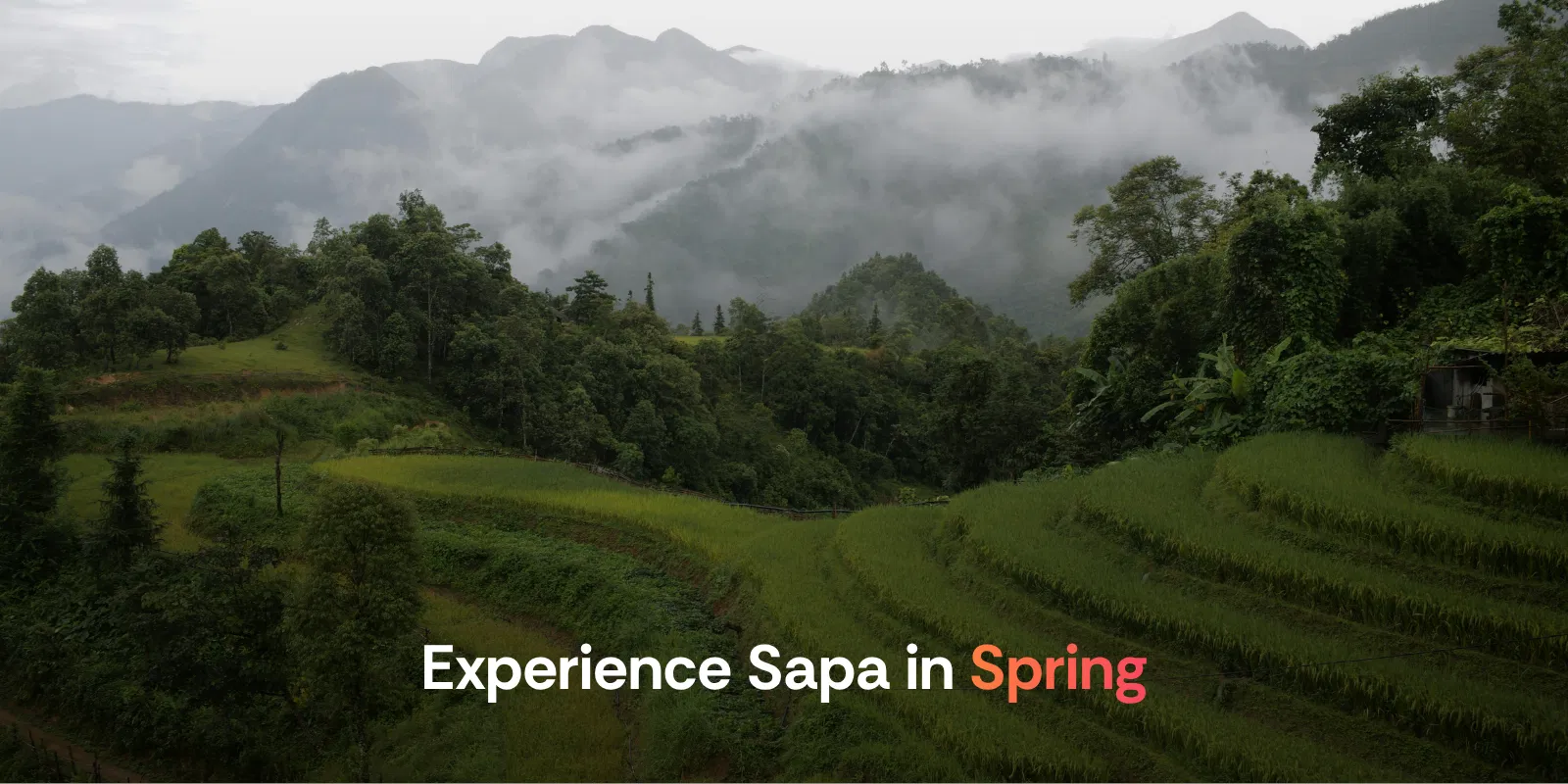
Spring (March to May)
- Temperature range: 15-25°C
- Weather: Mild temperatures with occasional light rain
- Best for: Trekking and cultural tours
- What to pack: Light layers, waterproof jacket
Summer (June to August)
- Temperature range: 25-35°C
- Weather: Hot, humid with heavy rainfall
- Challenges: Flooding in rural areas, transportation disruptions
- Not recommended for: Outdoor activities
Central Vietnam: Beach season guide
Optimal months: February to August
Central Vietnam's coastal regions offer Vietnam's best beach weather during specific months:
Dry season highlights (February to August)
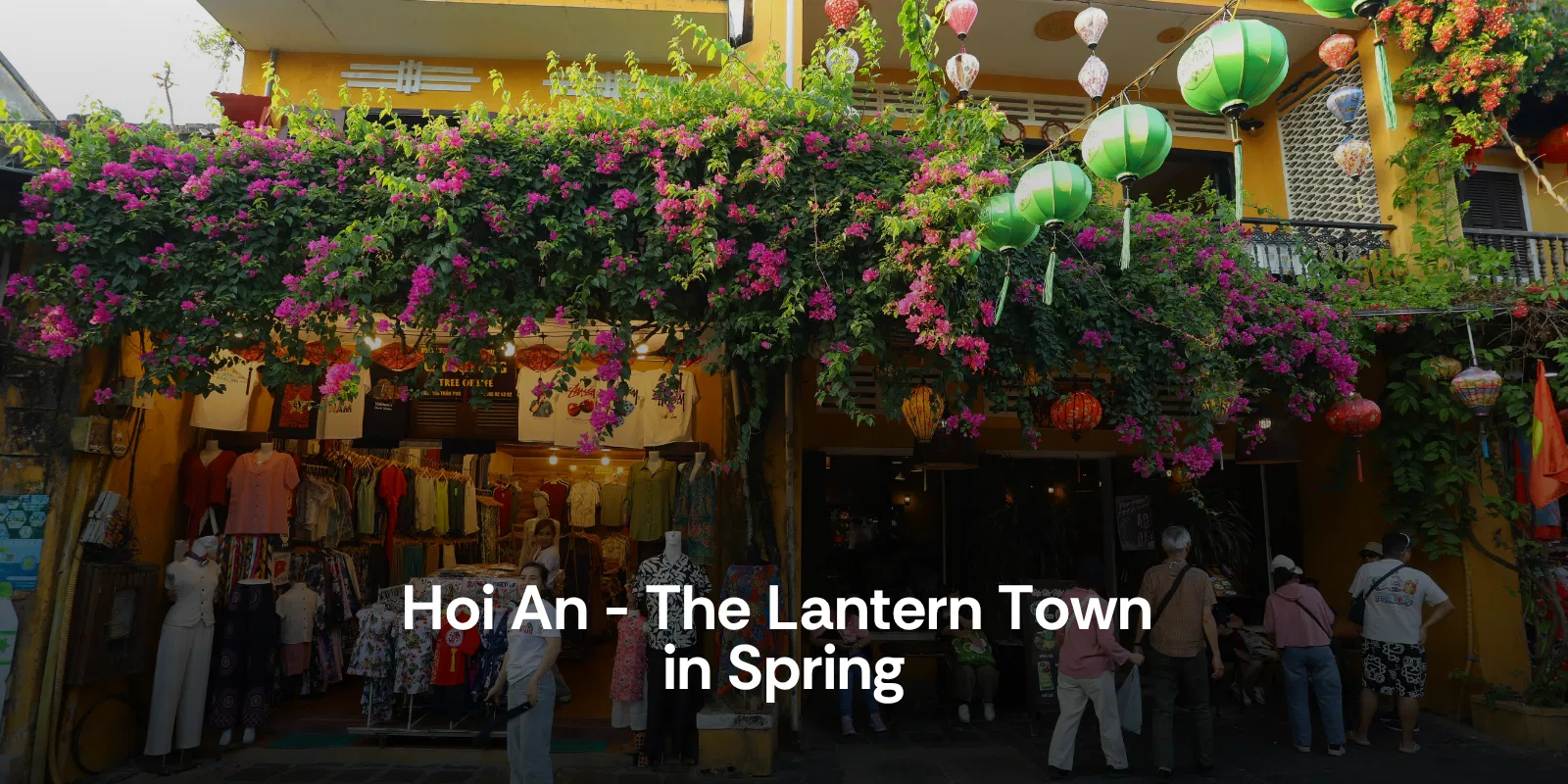
- Hoi An: Perfect weather with temperatures around 25-30°C
- Da Nang: Ideal beach conditions with minimal rainfall
- Hue: Cultural sightseeing weather with clear skies
Monsoon considerations (September to January)
Central Vietnam experiences its heaviest rainfall during these months, with:
- Frequent flooding: Especially in Hoi An and Hue
- Transportation delays: Flight and train cancellations common
- Indoor activities: Perfect time for museums and covered markets
Southern Vietnam year-round appeal
Best months: November to April
Southern Vietnam maintains tropical warmth throughout the year, making it suitable for various traveller profiles:
Dry season benefits
- Consistent temperatures: 25-30°C daily
- Clear skies: Perfect for Mekong Delta tours
- Beach activities: Ideal conditions for Phu Quoc and Con Dao islands
Vietnam temperature in May: Transition month analysis
Vietnam temperature in May marks a crucial transition period across all regions:
Northern Vietnam in May
- Average temperature: 24-28°C
- Humidity: 75-80%
- Rainfall: Moderate, approximately 180mm
- Recommendation: Last month for comfortable northern travel before monsoon
Central Vietnam in May
- Average temperature: 26-32°C
- Humidity: 70-75%
- Rainfall: Minimal, around 60mm
- Recommendation: Excellent for beach holidays
Southern Vietnam in May
- Average temperature: 28-34°C
- Humidity: 80-85%
- Rainfall: Heavy, approximately 220mm
- Recommendation: Indoor activities and short bursts outdoor
Vietnam temperature in August: Monsoon peak
Vietnam temperature in August represents the height of the monsoon season with distinct regional variations:
Weather challenges in August
- Northern Vietnam: Heavy rains and flooding risks
- Central Vietnam: Scorching heat but minimal rain
- Southern Vietnam: Daily afternoon thunderstorms
August travel strategies
- Focus on central coast: Da Nang and Hoi An offer respite
- Indoor cultural activities: Museums, temples, and covered markets
- Flexible itineraries: Allow for weather-related changes
- Proper gear: Waterproof clothing and quick-dry fabrics essential
Temperature in Vietnam in October: Autumn sweet spot
The temperature in Vietnam in October offers one of the most comfortable travel windows:
Northern Vietnam October conditions
- Temperature: 20-26°C (ideal for sightseeing)
- Humidity: 65-70% (comfortable levels)
- Rainfall: Decreasing to 130mm
- Activities: Perfect for Halong Bay cruises and mountain trekking
Why October works well
- Post-monsoon clarity: Clear skies and fresh air
- Comfortable temperatures: Neither too hot nor too cold
- Lower prices: Off-peak rates still apply
- Green landscapes: Post-rain lush scenery
Vietnam climate in December: Winter wonder
Vietnam's climate in December varies dramatically by region, offering different experiences:
Northern Vietnam December experience
- Temperature: 12-18°C
- Weather: Cool and dry with occasional mist
- Clothing: Warm layers are essential, especially for mountain regions
- Advantages: Clear skies for photography, comfortable walking temperatures
Central & Southern Vietnam December
- Temperature: 22-28°C
- Weather: Dry and sunny
- Perfect for: Beach holidays and outdoor activities
- Peak season: Higher prices but guaranteed good weather
Best time to visit Vietnam from India: Seasonal considerations
For travellers from India, timing your Vietnam visit requires balancing Indian holiday seasons with Vietnamese weather patterns:
Indian holiday seasons & Vietnam weather
- Diwali period (October/November): Excellent weather across Vietnam
- Winter holidays (December/January): Peak season but best weather
- Summer holidays (April/May): Good for central/northern regions
- Monsoon break (August/September): Challenging but budget-friendly
Flight pricing from India
Peak season flights (December-February):
- Economy: ₹35,000-50,000
- Business: ₹85,000-120,000
Off-season flights (June-September):
- Economy: ₹25,000-35,000
- Business: ₹60,000-85,000
Seasonal activities & experiences in Vietnam
Spring activities (March-May)
- Cultural festivals: Tet celebrations and temple festivities
- Adventure sports: Trekking in the northern mountains
- Photography: Flower blooms and clear mountain views
- Beach time: Central Vietnam beaches at their prime
Summer alternatives (June-August)
When monsoons make outdoor activities challenging:
- Culinary tours: Indoor cooking classes and food markets
- Cultural immersion: Museums, art galleries, and historical sites
- Spa experiences: Perfect weather for wellness retreats
- Urban adventures: City tours and shopping districts
Autumn adventures (September-November)
- Post-monsoon photography: Lush landscapes and waterfalls
- Harvest festivals: Rural cultural experiences
- Comfortable trekking: Ideal temperatures for mountain activities
- Beach season returns: Southern beaches become pleasant again
Winter highlights (December-February)
- Perfect weather: Across most regions
- Cultural events: Traditional festivals and celebrations
- Beach paradise: Southern islands at their best
- Adventure activities: All outdoor activities available
Vietnam packing essentials by season
Vietnam tourist season packing (December-April)
- Light cotton clothing for day wear
- Light sweater for northern evenings
- Comfortable walking shoes
- Sun protection (hat, sunglasses, SPF)
- Light rain jacket for occasional showers
Monsoon season packing (May-November)
- Quick-dry synthetic fabrics
- Waterproof jacket and pants
- Waterproof bag covers
- Closed-toe shoes with a good grip
- Umbrella (compact, sturdy)
Vietnam budget planning by season
High season budget (December-April)
Daily budget for mid-range travellers:
- Accommodation: 2,000,000-3,500,000 VND (₹6,250-11,000 / £75-130)
- Meals: 500,000-800,000 VND (₹1,560-2,500 / £18-30)
- Activities: 1,000,000-2,000,000 VND (₹3,125-6,250 / £37-75)
- Transportation: 300,000-500,000 VND (₹940-1,560 / £11-18)
Low season budget (May-November)
Daily budget for mid-range travellers:
- Accommodation: 1,200,000-2,500,000 VND (₹3,750-7,800 / £45-92)
- Meals: 400,000-600,000 VND (₹1,250-1,875 / £15-22)
- Activities: 800,000-1,500,000 VND (₹2,500-4,690 / £30-55)
- Transportation: 250,000-400,000 VND (₹780-1,250 / £9-15)
Vietnam regional festival calendar
Northern Vietnam festivals
- Tet Festival (January/February): Most significant celebration
- Perfume Pagoda Festival (February/March): Buddhist pilgrimage
- Hung Kings Temple Festival (April): National ancestor worship
Central Vietnam celebrations
- Hoi An Lantern Festival (Monthly Full Moon): Magical evening celebrations
- Hue Festival (Biennial, April): Royal cultural performances
- Kate Festival (October): Cham cultural celebrations
Southern Vietnam events
- Vu Lan Festival (August): Honouring ancestors and parents
- Ok Om Bok (November): Khmer water and moon festival
- Christmas Celebrations (December): Significant in Catholic communities
Vietnam health & safety considerations by season
Monsoon health precautions
- Waterborne diseases: Stick to bottled water and cooked food
- Mosquito-borne illnesses: Use repellent and protective clothing
- Flooding risks: Avoid low-lying areas during heavy rains
- Transportation safety: Allow extra time for weather delays
Hot season health tips
- Heat exhaustion: Stay hydrated and take regular breaks
- Sun protection: High SPF sunscreen and protective clothing
- Food safety: Be extra cautious with street food in the heat
- Air quality: Pollution can worsen in hot, humid conditions
Transportation in Vietnam during different seasons
Peak season transportation
- Advance booking: Essential for popular routes
- Higher prices: Transport costs increase 20-30%
- Better reliability: Services run on schedule
- More options: Additional flights and bus services
Monsoon season challenges
- Flight delays: Weather-related cancellations common
- Road conditions: Some routes become impassable
- Ferry services: Reduced schedules to islands
- Flexibility required: Build buffer time into itineraries
Final recommendations
The best time to visit Vietnam ultimately depends on your priorities, budget, and travel style. For first-time visitors seeking guaranteed good weather and don't mind paying premium prices, February through April offers the optimal window. Budget-conscious travellers who can handle some weather unpredictability will find excellent value during shoulder seasons (May and October-November).
For those planning customised holiday packages, consider Vietnam's regional diversity as an advantage rather than a challenge. You can always find good weather somewhere in the country, and experienced travel planners can craft itineraries that work with seasonal patterns rather than against them.
Remember that Vietnam's infrastructure and tourism services have significantly improved in recent years, making travel comfortable even during traditionally challenging seasons. With proper planning and realistic expectations, Vietnam can provide unforgettable experiences regardless of when you visit.
Ready to plan your perfect Vietnam getaway? Contact our travel experts for personalised itineraries that match your travel dates with the best regional weather conditions.
Key takeaways
- February to April offers the best overall weather across all three regions of Vietnam.
- Northern Vietnam requires warm clothing during December-February, with temperatures dropping to 10°C.
- Central Vietnam beaches are perfect from February to August; avoid the September to January monsoons.
- Southern Vietnam stays tropical year-round, with the dry season from November to April being most comfortable.
- Monsoon season (May-October) offers 30-40% savings on accommodation but requires flexible planning.
- October and November provide the sweet spot of good weather and lower pre-peak season prices.
Frequently Asked Questions
What is the cheapest time to visit Vietnam?
Is Vietnam worth visiting during the monsoon season?
What should I pack for Vietnam in different seasons?
How many days do I need to see Vietnam properly?
Can I visit Vietnam year-round?
How far in advance should I book my Vietnam trip?