
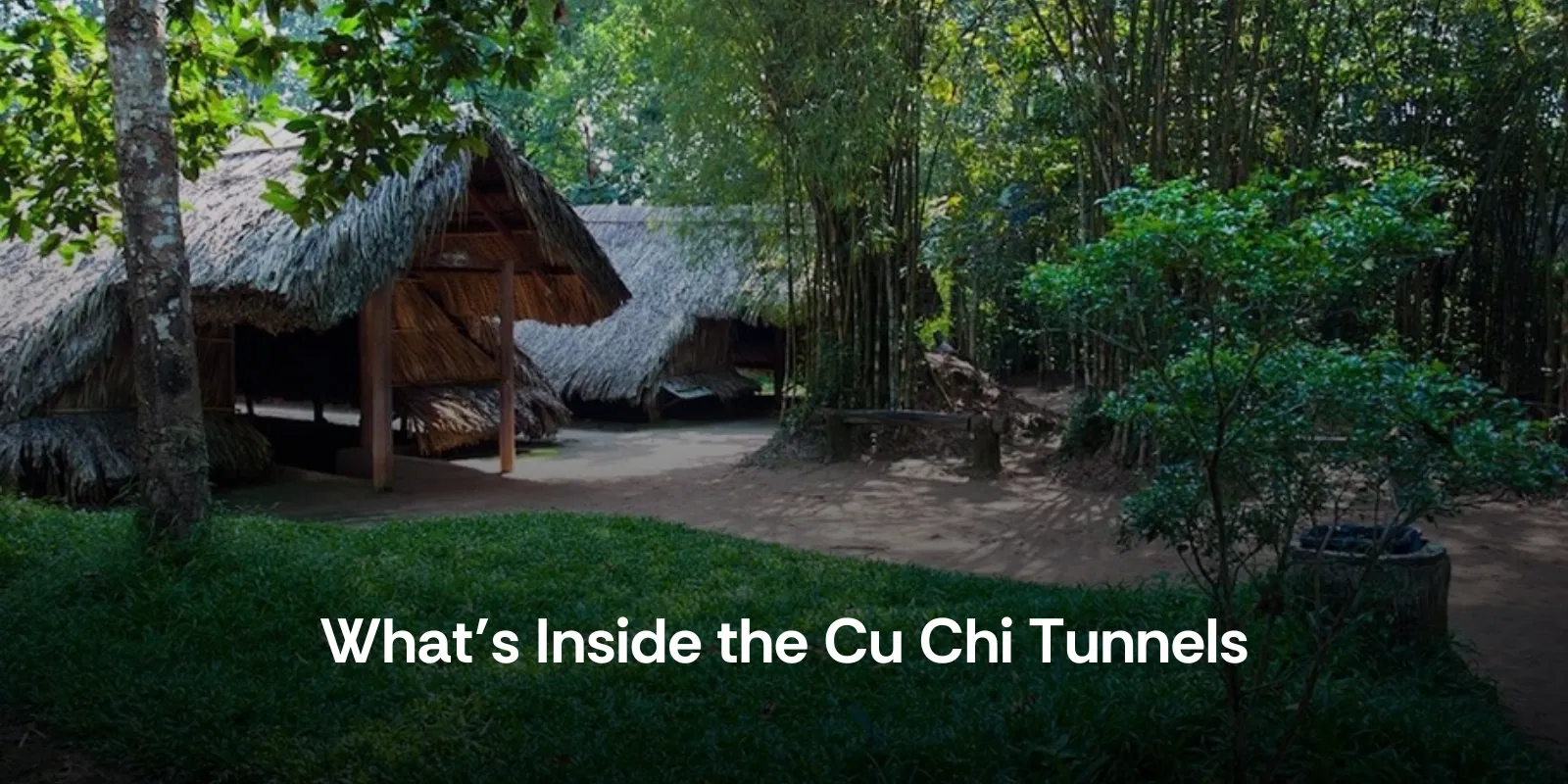
What’s Inside the Cu Chi Tunnels?
Imagine stepping into a hidden world beneath the Vietnamese soil, where narrow tunnels twist and turn like a giant maze, carrying you back to a time of resilience, strategy, and survival. The Cu Chi Tunnels aren’t just underground passages; they're a remarkable piece of Vietnam’s war history, now inviting curious travellers to explore their depths. Whether you’re planning your visit or already there, here’s the lowdown on what you’ll find inside the Cu Chi Tunnels, with tips and facts that only seasoned travellers tend to know.
A bit of surprising history beneath your feet
The story begins in the 1940s when the Viet Minh first dug simple tunnels to hide from the French colonial forces. But the tunnels really earned their fame during the Vietnam War, known locally as the Cu Chi tunnels, a network stretching about 250 kilometres at its peak. These tunnels were used extensively by Viet Cong fighters to avoid detection, communicate, store supplies, and launch surprise attacks.
The tunnels were engineered with incredible cleverness. There are three main levels, each serving a special purpose: the first level is roughly 3 metres underground and tough enough to resist bullets and tanks, the second is about 6 metres deep for protection from heavy bombings, and the deepest level plunges over 12 metres underground, safeguarding command centres and essential supplies. Cruising around this labyrinth gives you a real sense of the guerrilla warfare ingenuity and the challenges the Vietnamese faced.
Getting your feet underground: the Cu Chi tunnels tour experience
Most travellers opt for a Cu Chi tunnels tour to really make the most of the visit. Tours typically include a historical introduction, a short documentary film to set the scene, and a chance to crawl through the tunnels themselves. Yes, you get to squeeze into parts of the tunnels—not for the claustrophobic! These passages can be very narrow and low, a true test of agility, especially considering they were built for quick, stealthy movement by soldiers many decades ago.
There are two main sites open to tourists: Ben Dinh and Ben Duoc. Ben Dinh is closer to Ho Chi Minh City and more developed for visitors, with reconstructed traps and weapon displays. Ben Duoc offers a less crowded, more authentic experience with larger tunnel sections. Guides typically show you how the tunnels connected entire communities and explain the daily lives of the tunnel inhabitants, from cooking with underground stoves to the ingenious air ventilation systems—the sort of facts you won’t easily find in textbooks.
Essential facts to know before you go
To plan your trip practically, here’s everything you should be aware of inside Cu Chi tunnels logistics and costs:
| Item | Details |
|---|---|
| Entrance fee | 125,000 VND (approx £4.25 / ₹450) for foreigners; 35,000 VND (approx £1.20 / ₹130) for Vietnamese visitors |
| Opening hours | Daily, 7:00 AM to 5:00 PM (ticket counter closes at 4:00 PM) |
| Location | About 50-70 km northwest of Ho Chi Minh City, Cu Chi District |
| Transport | Tours from Ho Chi Minh usually 1.5-2 hours each way; taxis and Grab available |
| Tour price range | Basic tours from $16-$25 (£13-£20 / ₹1,400-₹2,100); premium tours up to $60 (£48 / ₹5,000) |
| Best time to visit | Weekdays, early morning or late afternoon; avoid Vietnamese holidays and Tet for fewer crowds |
| Facilities | Rest areas, souvenir shops, local snack stalls, photo points |
Pro tip: Book tours that include hotel pick-up for convenience, especially if you prefer to avoid the hassle of arranging transport separately.
Read this Vietnam Guide before leaving.
Inside Cu Chi tunnels: what the narrow passages reveal
Once inside, you’ll experience the cramped spaces first hand. The tunnels are notoriously narrow and low, designed precisely to confuse and trap enemies, not for comfort. This cramped space was home to entire communities for stretches of time, with places for sleeping, cooking, meetings, and even hospitals. Spot the countless booby traps cleverly integrated to defend the tunnels, which perfectly capture the tense atmosphere of those times.
You’ll also find armaments and relics from the war, including rifles and grenades, alongside displays explaining the unique strategies Viet Cong fighters used. Some tours even offer the chance to try your hand at firing vintage weapons at shooting ranges nearby—a quirky, if unusual, bit of history to touch on safely.
What many travellers find moving is the sense of endurance these tunnels represent; despite harsh conditions, the network was vital in resisting much larger and better-equipped forces. Looking at photos inside Cu Chi tunnels displayed at the site, you get a humbling window into that period’s reality.
Practical local tips for your visit
- Wear comfortable, easy-to-move-in clothes and sturdy shoes, as crawling and crouching are part of the fun.
- Bring water and sunscreen—Cu Chi can get hot, especially above ground while touring displays.
- Be prepared for tight spaces if you decide to crawl into the tunnels; it’s not recommended if you have claustrophobia or mobility issues.
- Respect local customs when interacting with guides and other tourists; a friendly smile and polite questions go a long way.
- Consider an early start to avoid crowds and midday heat—Cu Chi tunnels history draws many visitors daily.
- Keep an eye out for local snacks like tapioca and green tea offered around the entrance for a taste of authentic flavours.
Why Vietnam’s Cu Chi tunnels draw solo travellers
Among solo travellers from GCC countries and Europe, Cu Chi Tunnels have grown in appeal as a symbol of historical depth combined with adventure. Many solo travellers appreciate the well-organised tours that provide safety, rich stories, and interactive experiences without the need for complex planning. The tunnels also offer excellent photo opportunities for those keen on travel photography, adding to their appeal.
How to find and navigate Cu Chi tunnels
The Cu Chi tunnels map shows two main areas: Ben Dinh and Ben Duoc. Ben Dinh lies about 50 km northwest of Ho Chi Minh City, easily accessible via main roads and tour buses. Ben Duoc is a bit further out but tends to be quieter and offers a more authentic atmosphere.
Signs are clearly displayed at both sites, and guided tours include a walkthrough of the most interesting tunnel segments alongside exhibitions covering weapons, local war strategies, and life underground. Interactive exhibits and reconstructed tunnel sections help bring the history alive on a walking tour through time right beneath your feet.
Want to stay a bit longer, check this 7 v/s 14 days itinerary for Vietnam before planning your trip in 2025
Imagining your day at Cu Chi tunnels: simple itinerary options
You can fit Cu Chi tunnels into a half-day or full-day itinerary depending on your pace:
| Time | Activity |
|---|---|
| 7:00-8:30 AM | Travel from Ho Chi Minh City |
| 8:30-11:30 AM | Cu Chi Tunnels tour, documentaries, and tunnel crawl |
| 11:30-12:30 PM | Lunch break with local food options |
| 12:30-2:00 PM | Return journey or optional Mekong River cruise tour |
Many travellers combine Cu Chi tunnels Vietnam tours with nearby Mekong Delta excursions or city sightseeing to make the most of their time.
Exploring inside Cu Chi tunnels means more than stepping into old passageways. It’s a journey into the heart of Vietnamese determination and creativity during conflict. Whether you're digging through the history, crawling through those confined spaces, or simply observing from above, the tunnels tell a story of a different kind of courage.
Before you leave, challenge yourself to reflect on the human stories behind the structures — it might just change how you see modern Vietnam. And remember, visiting Cu Chi tunnels isn’t just about the past; it’s about connecting with a remarkable chapter of a country's journey that still resonates deeply today.
Frequently Asked Questions (FAQ)
When is the best time to visit Cu Chi tunnels?
When is the best time to visit Cu Chi tunnels?
How much does it cost to visit Cu Chi tunnels?
How much does it cost to visit Cu Chi tunnels?
Is crawling through tunnels necessary on the tour?
Is crawling through tunnels necessary on the tour?
How do I get to Cu Chi tunnels from Ho Chi Minh City?
How do I get to Cu Chi tunnels from Ho Chi Minh City?
Is Cu Chi tunnels suitable for solo travellers or families?
Is Cu Chi tunnels suitable for solo travellers or families?
What should I pack for the visit?
What should I pack for the visit?